Enhance vocabulary skills Grade 2 Addition & Subtraction Worksheets
4 filtered results
-
From - To
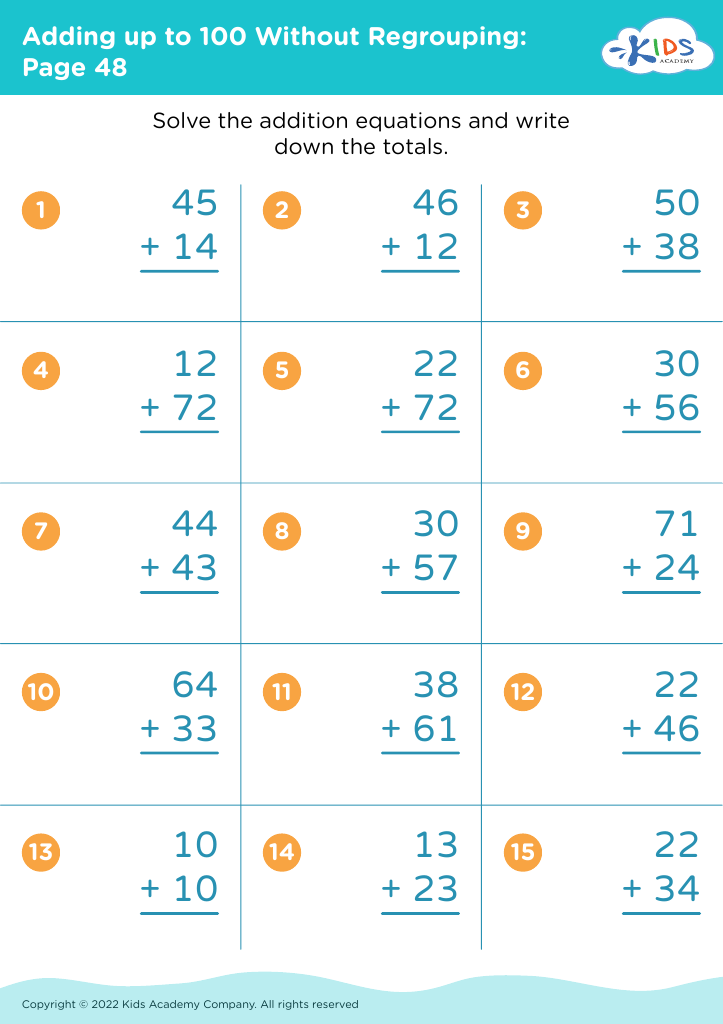
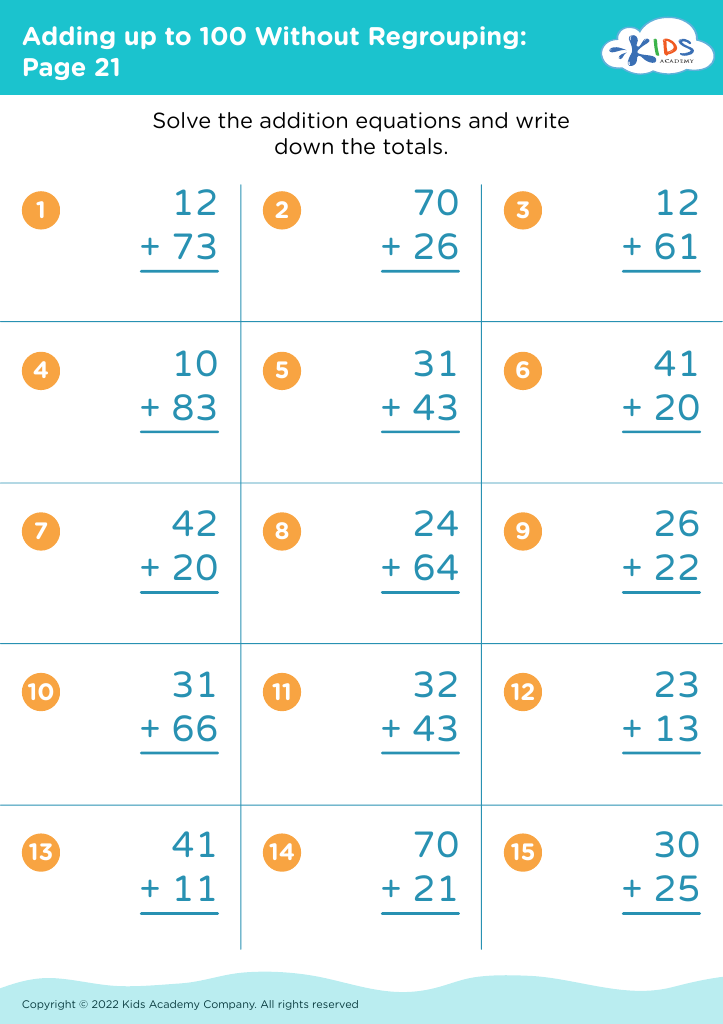
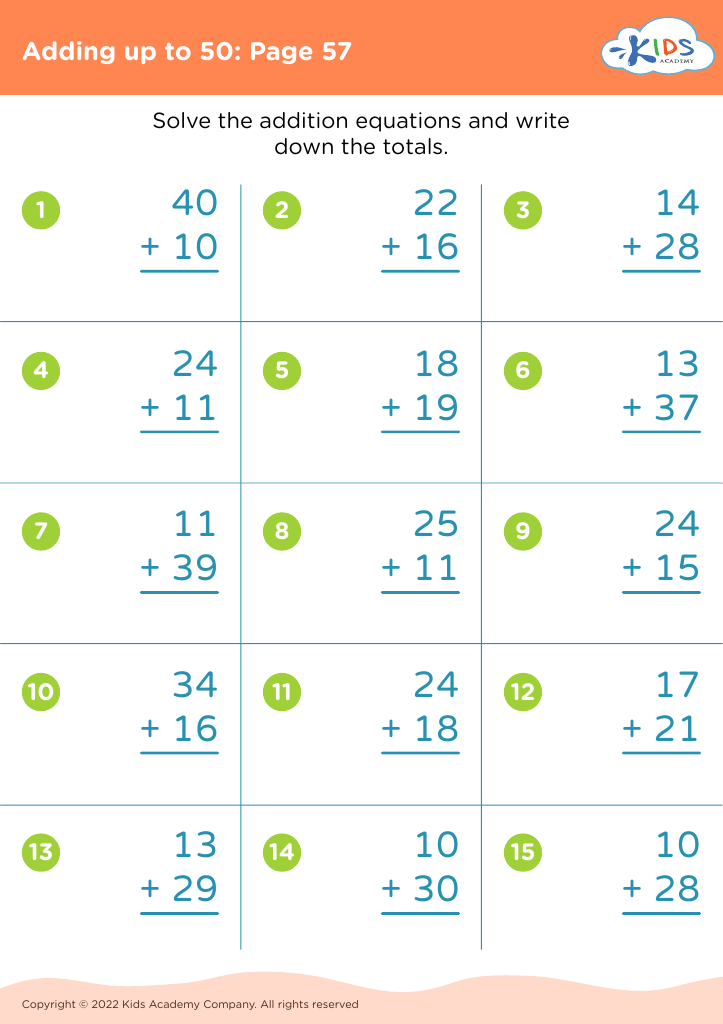
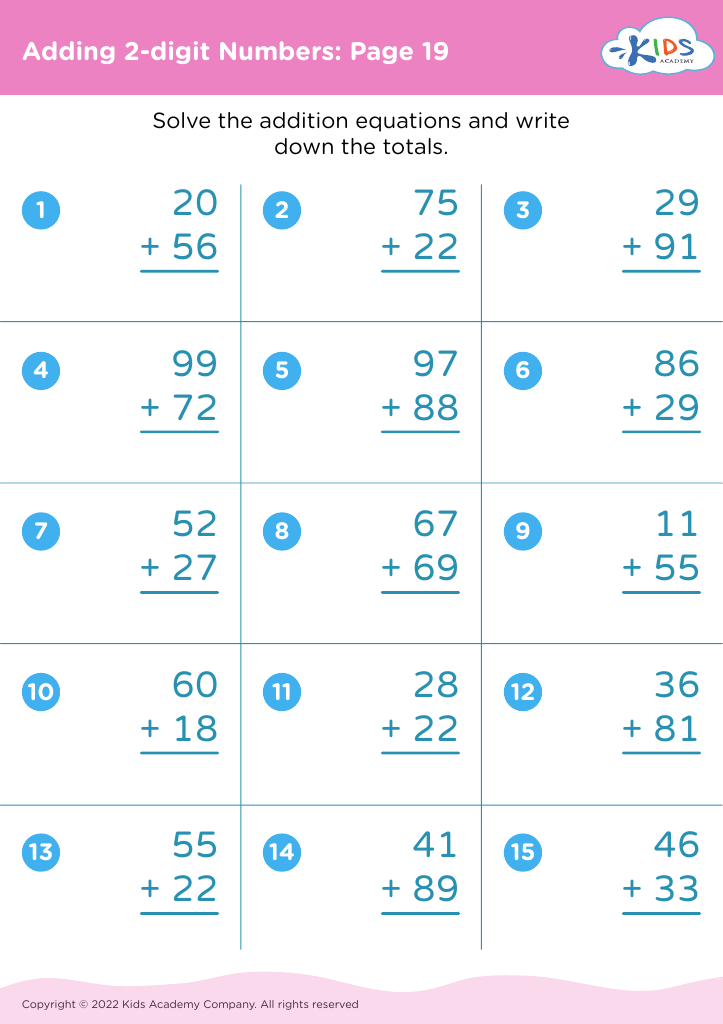
Enhance vocabulary skills alongside math proficiency with our Grade 2 Addition & Subtraction Worksheets! Perfectly designed for young learners, these worksheets provide engaging activities that combine essential math concepts with language development. Your child will not only practice their addition and subtraction skills but also expand their vocabulary through fun word problems and interactive exercises. Each worksheet is crafted to encourage critical thinking and problem-solving while fostering a love for learning. Support your second grader’s educational journey with these resources that cultivate a strong foundation in both math and language. Download the worksheets today and watch them excel!








Enhancing vocabulary skills in conjunction with addition and subtraction is crucial for second graders because language and math are interconnected. A strong vocabulary helps children comprehend math problems better, enabling them to articulate their thought processes clearly. This linkage fosters critical thinking and problem-solving abilities, as students can communicate their understanding of mathematical concepts more effectively.
Furthermore, vocabulary development in mathematics promotes a deeper understanding of key terms such as “sum,” “difference,” “add,” and “subtract.” When children grasp these concepts linguistically, they are more likely to apply them correctly in various contexts, bridging abstract ideas with practical applications.
Additionally, a rich vocabulary contributes to overall academic success. As children engage with math word problems, they practice reading comprehension and reasoning skills, which are foundational for all subjects.
Promoting vocabulary skills ensures that students feel more confident in participating in class discussions, completing homework, and taking assessments. In partnerships with parents and teachers, a focus on vocabulary can cultivate a collaborative learning environment, empowering students to articulate their understanding and tackle challenges with enthusiasm. Therefore, investing in vocabulary alongside addition and subtraction is essential for children’s holistic educational development.