Enhancing problem-solving skills Grade 2 Addition & Subtraction Worksheets
4 filtered results
-
From - To
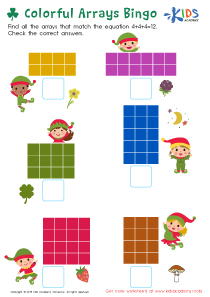
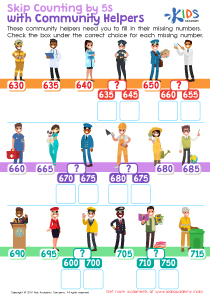
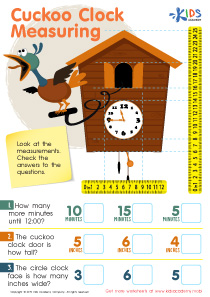
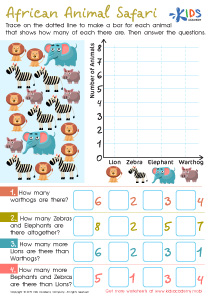
Enhancing Problem-Solving Skills: Grade 2 Addition & Subtraction Worksheets are designed to engage young learners in developing critical math skills. These worksheets provide a variety of fun and interactive activities, including word problems and puzzles, that encourage students to think critically and apply their knowledge. By focusing on addition and subtraction, learners will strengthen their ability to navigate real-life mathematical situations. Each worksheet is crafted to promote independent thinking, enhance understanding, and build confidence in problem-solving. Ideal for classroom use or home practice, these resources are perfect for nurturing a strong foundation in math for second graders. Boost your child's math skills today!
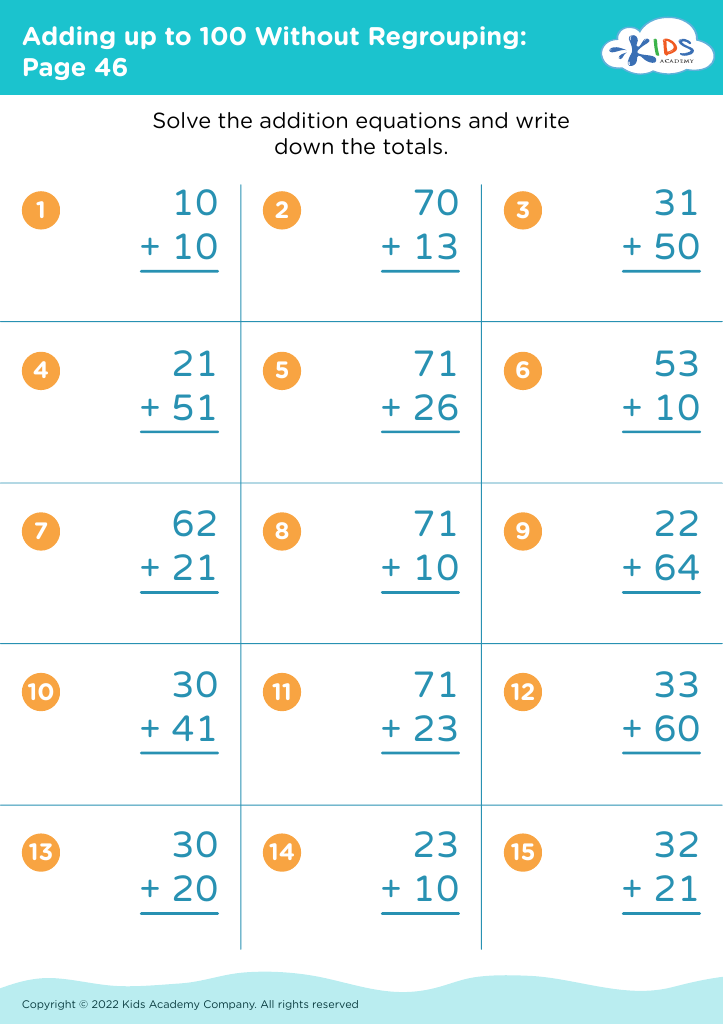
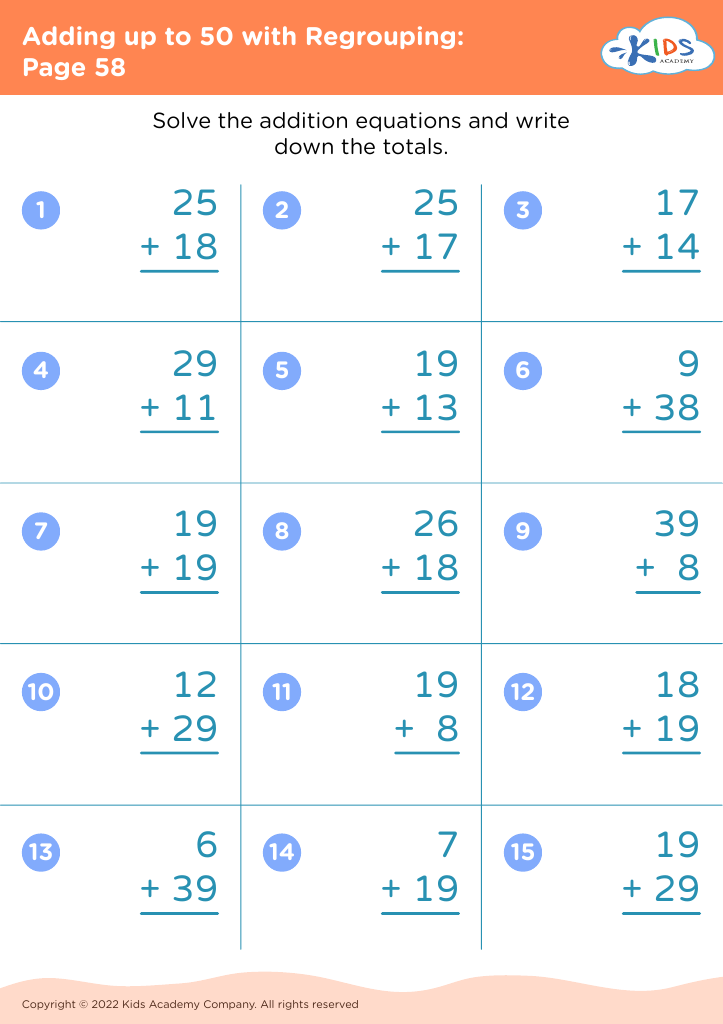
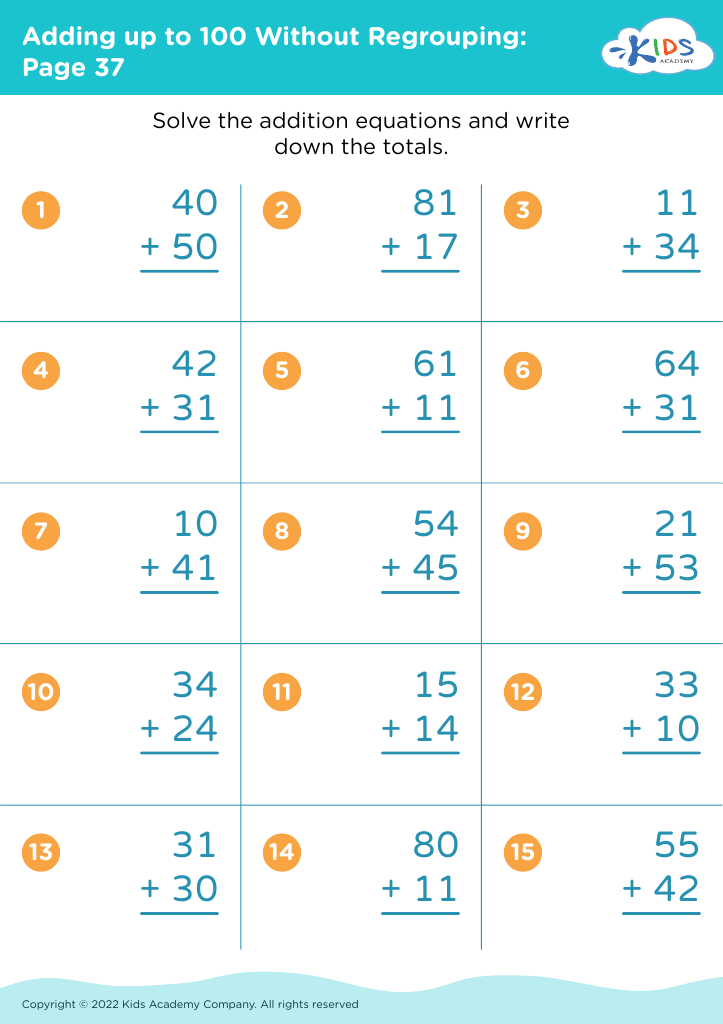
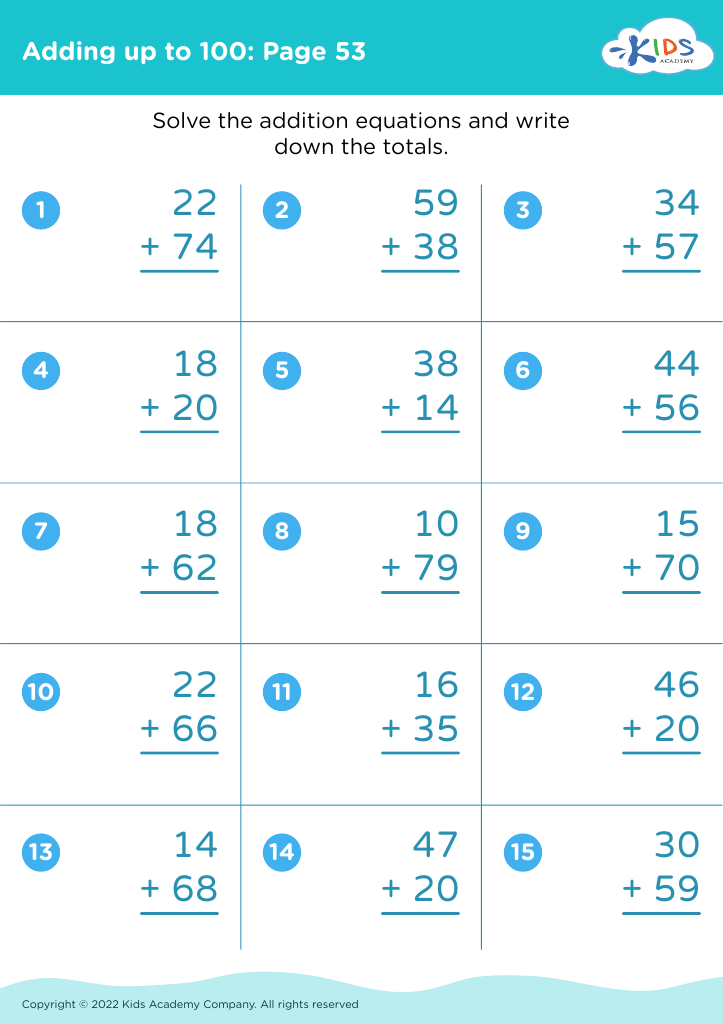








Enhancing problem-solving skills in Grade 2 addition and subtraction is crucial for foundational learning and cognitive development. At this age, children transition from concrete understanding of numbers to more abstract reasoning, making it essential to build strong problem-solving abilities. Parents and teachers should care because these skills not only facilitate mathematical proficiency but also foster critical thinking and creativity.
Strong problem-solving skills enable children to tackle not just math-related challenges, but also real-life situations, which cultivates independence and confidence. Moreover, engaging students in meaningful problem-solving activities encourages them to think critically, analyze situations, and devise multiple strategies to arrive at solutions.
Furthermore, developing these skills can lead to improved academic performance. When students understand the reasoning behind addition and subtraction, they are better prepared for more complex concepts in higher grades. Additionally, collaborative problem-solving activities promote social skills, teamwork, and effective communication.
By nurturing these competencies, parents and teachers equip children with the tools necessary to navigate challenges both inside and outside the classroom, laying the groundwork for lifelong learning and success. Thus, a focused effort on enhancing problem-solving skills in early grades becomes a pivotal investment in a child's future.