Fine Motor Skills Grade 2 Addition & Subtraction Worksheets - Page 2
37 filtered results
-
From - To
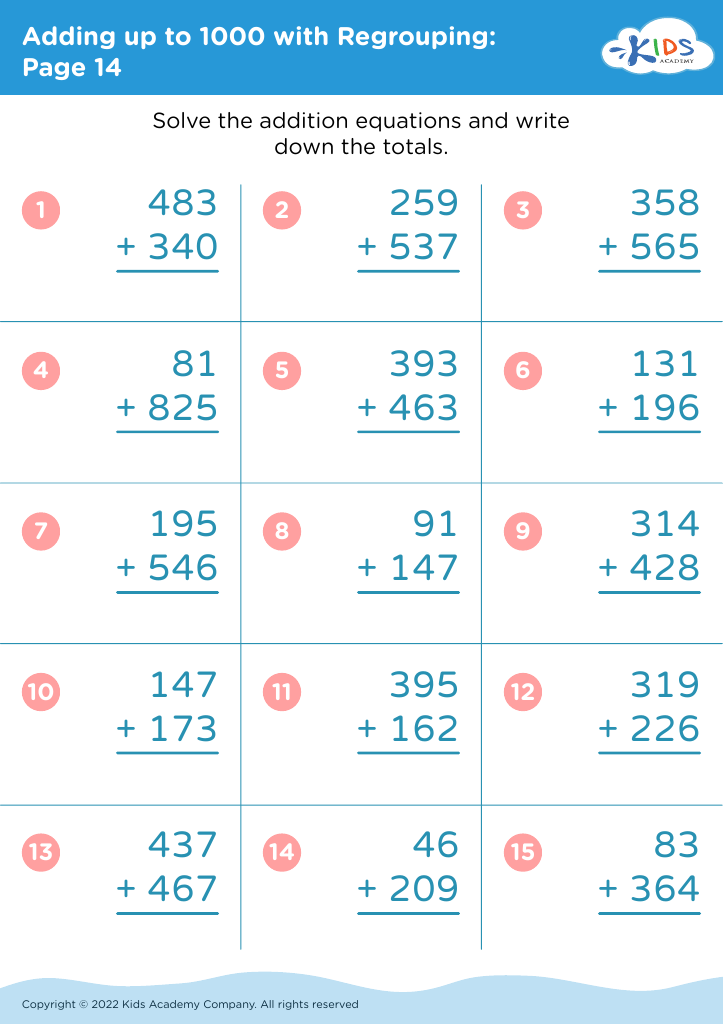
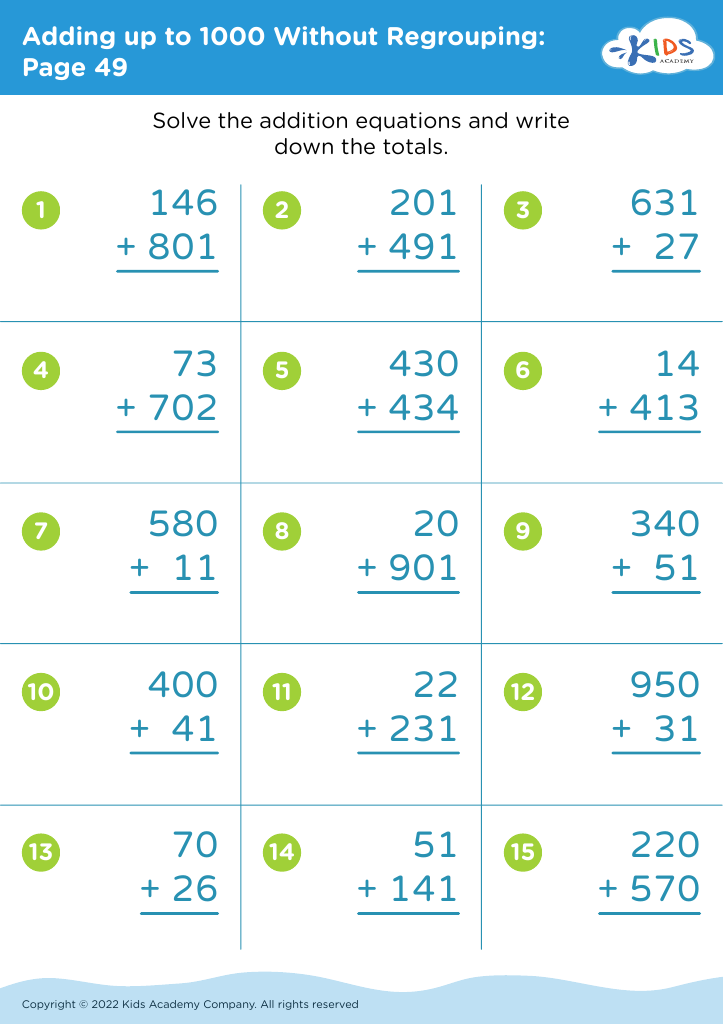
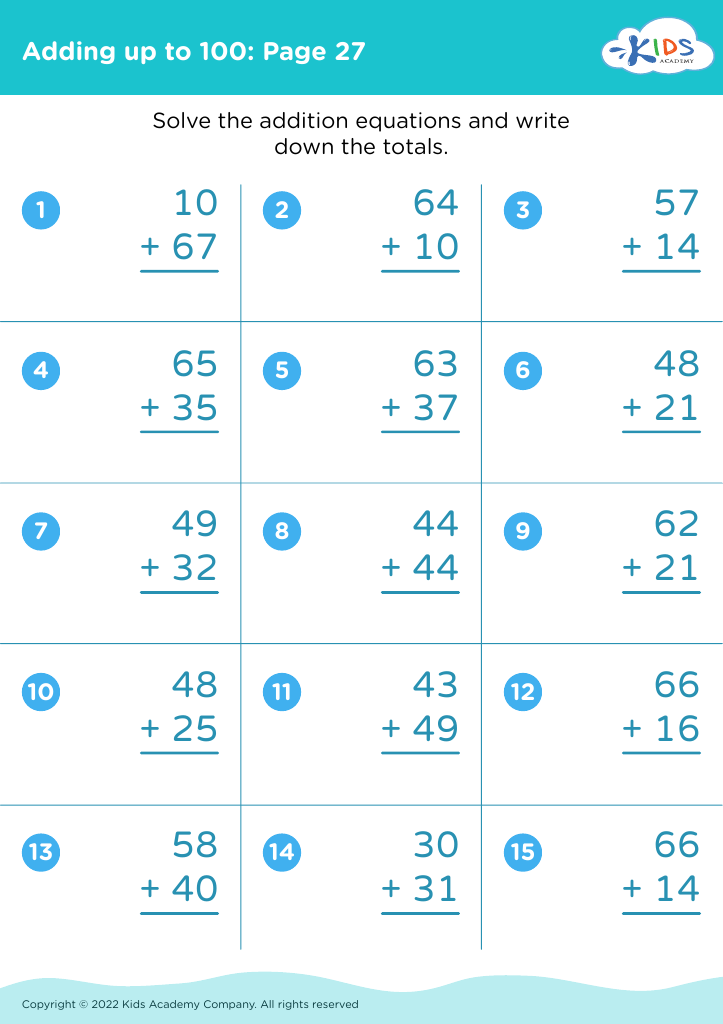
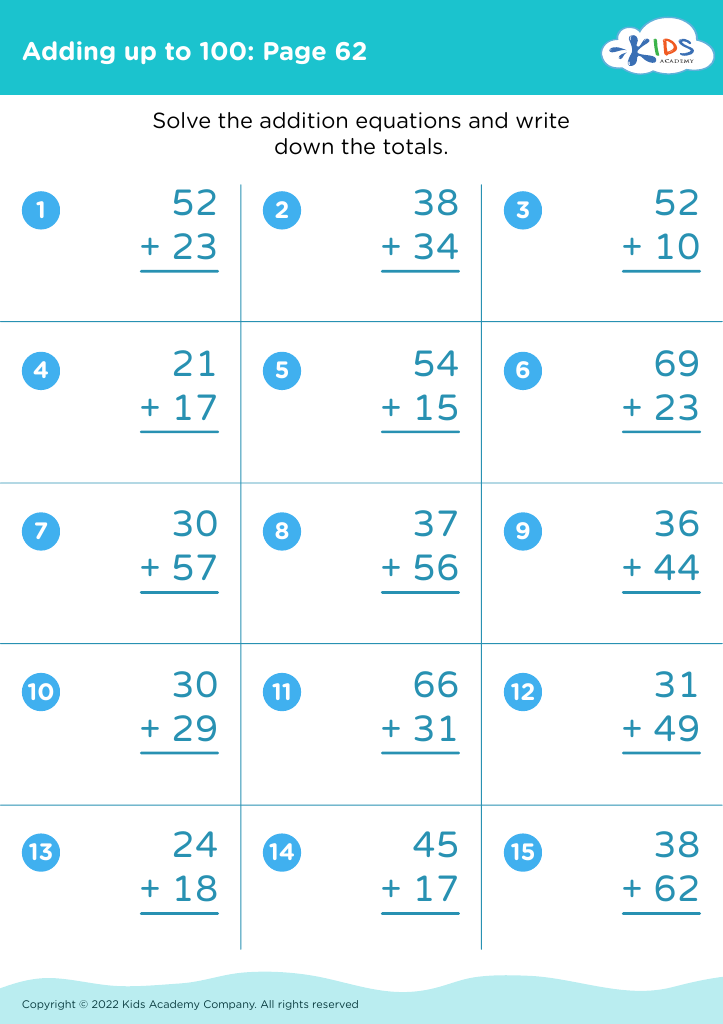
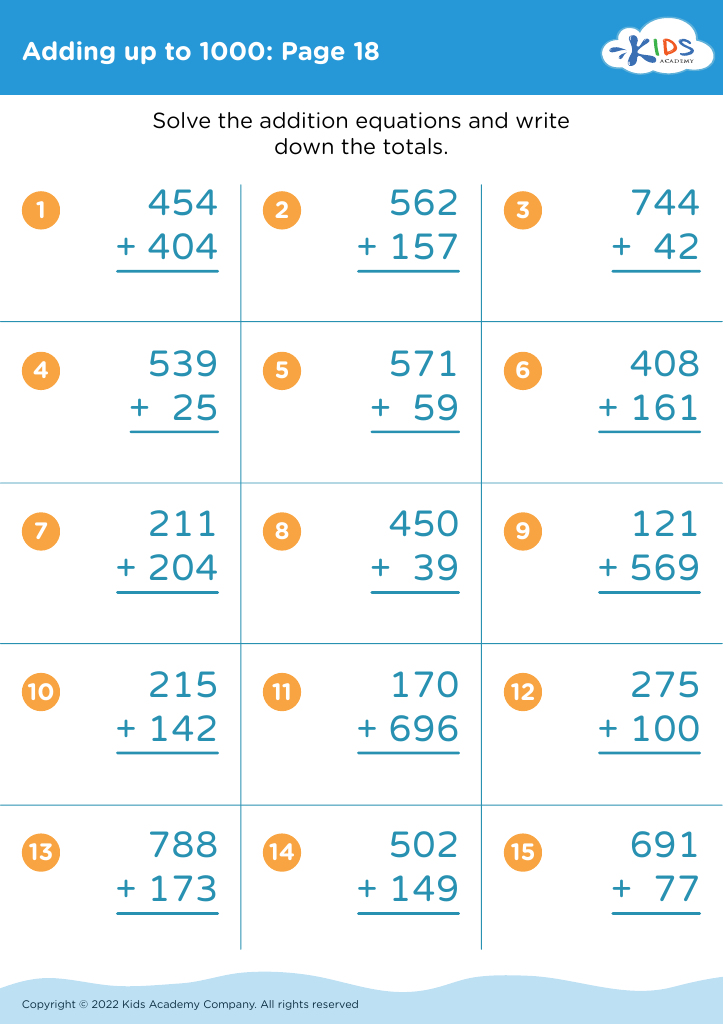
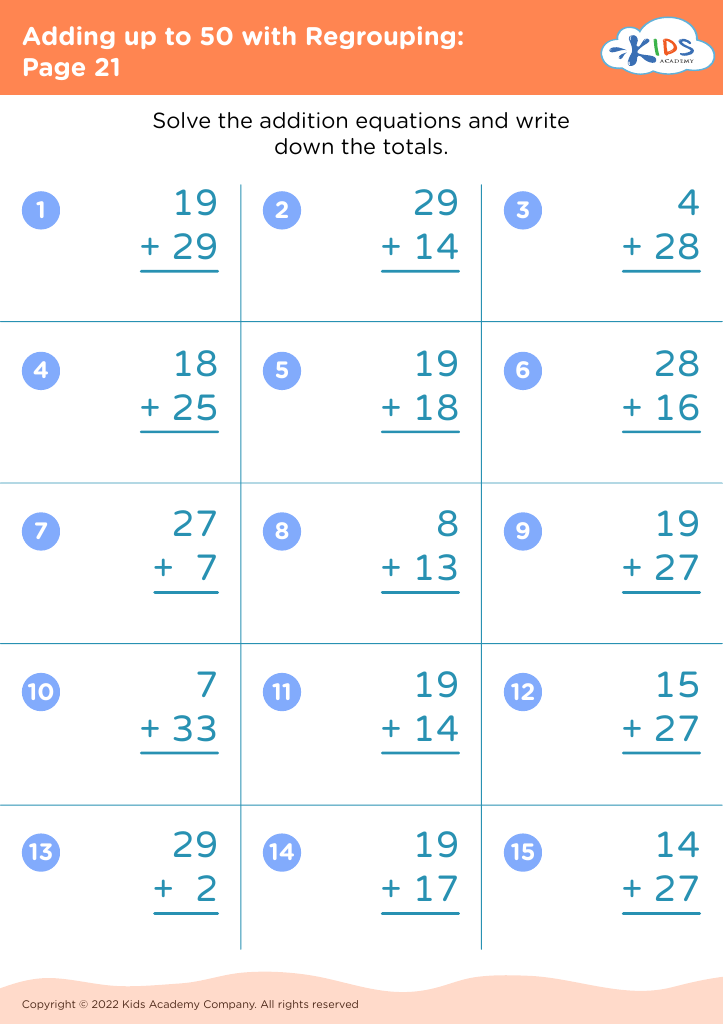
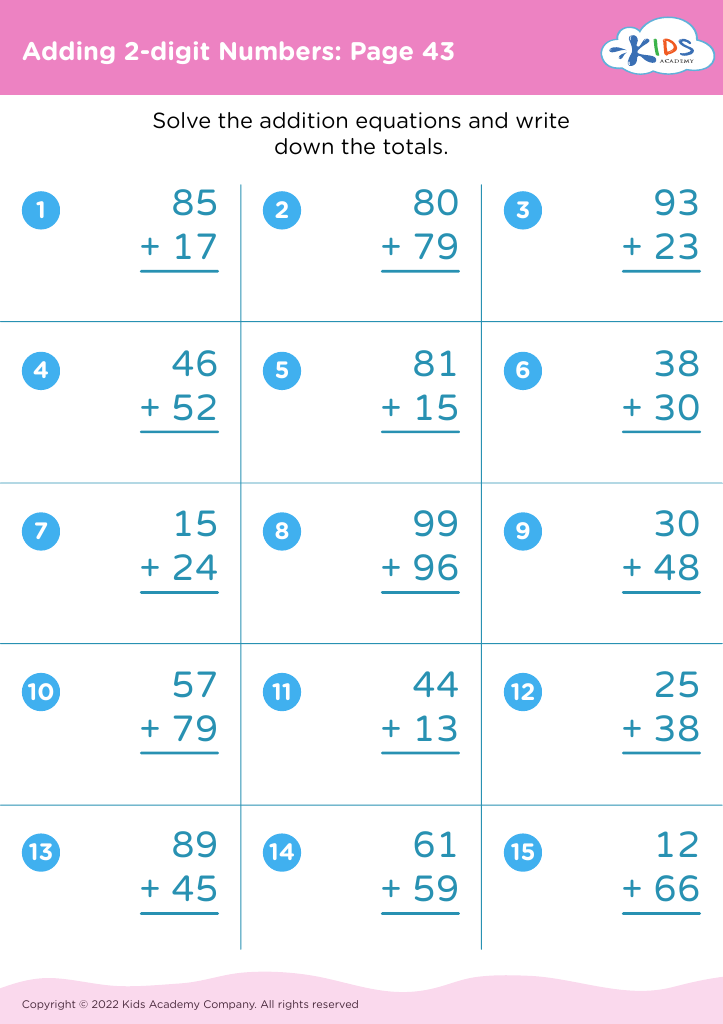
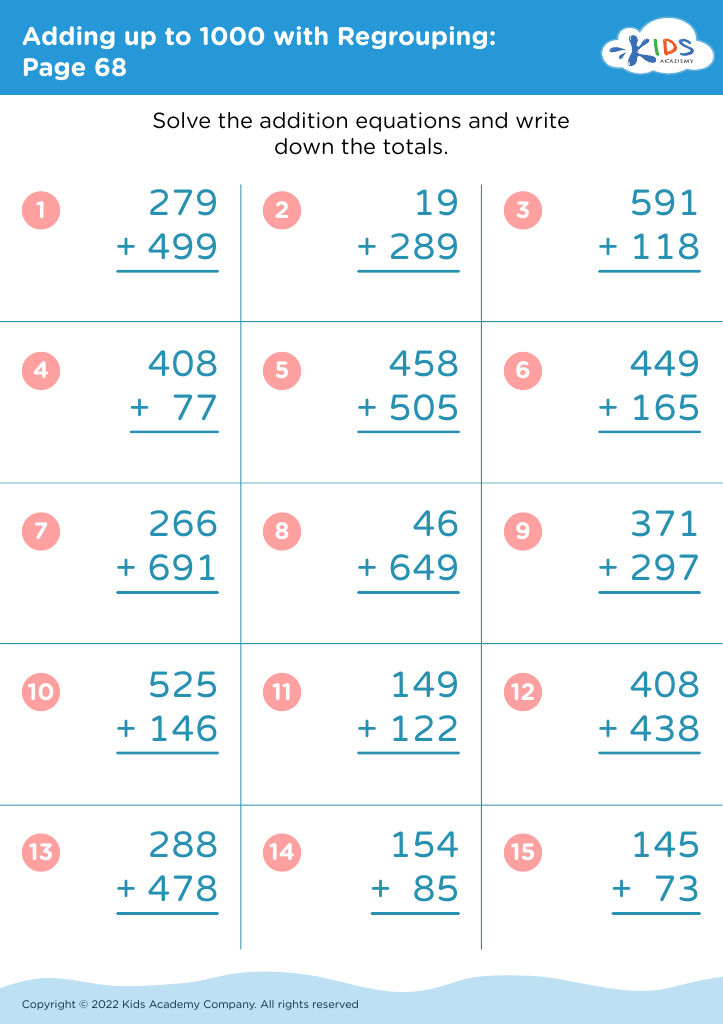
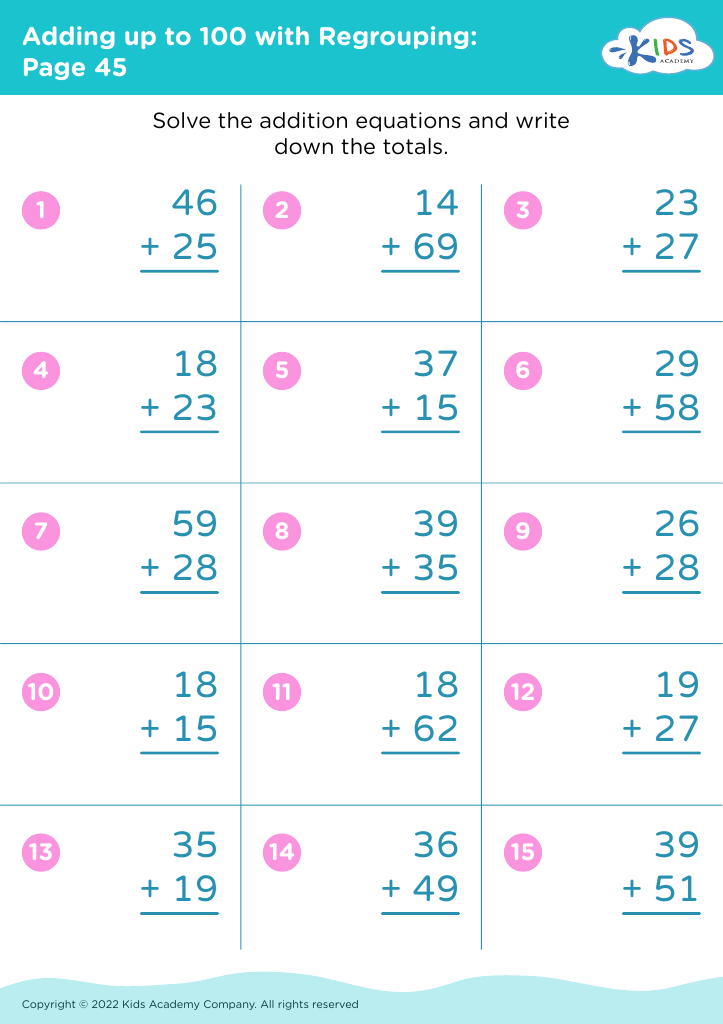
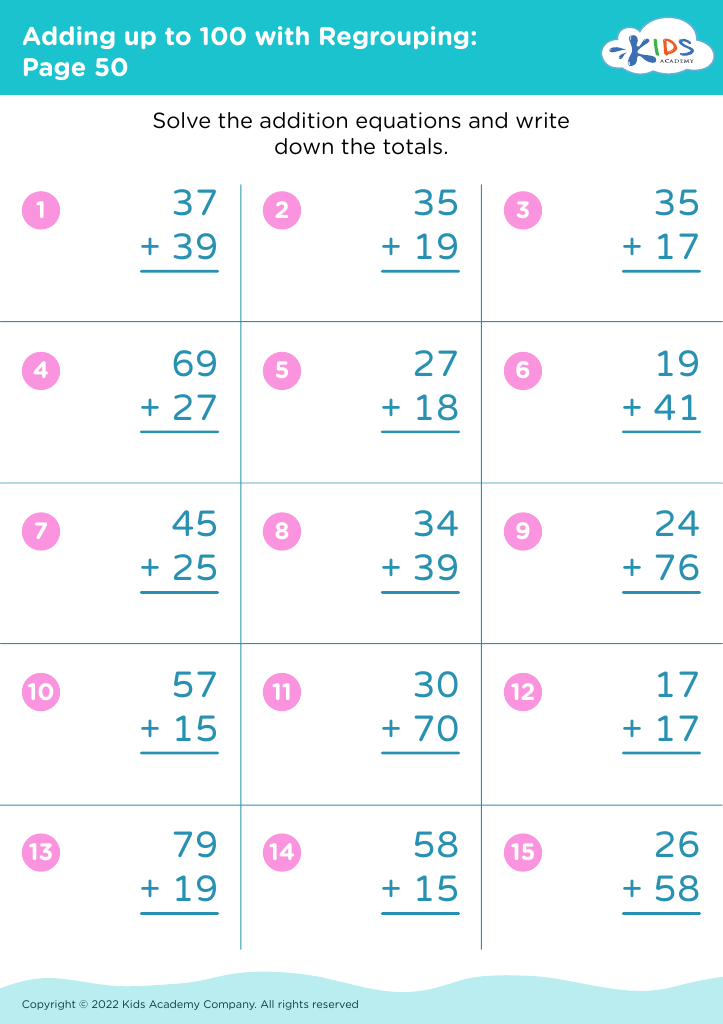
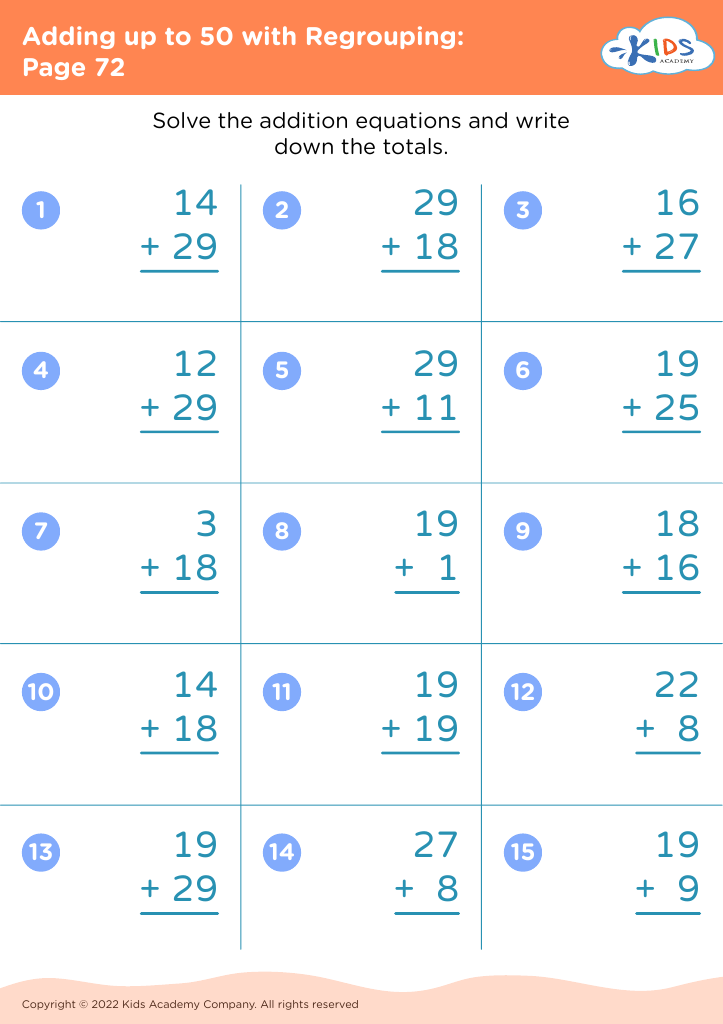
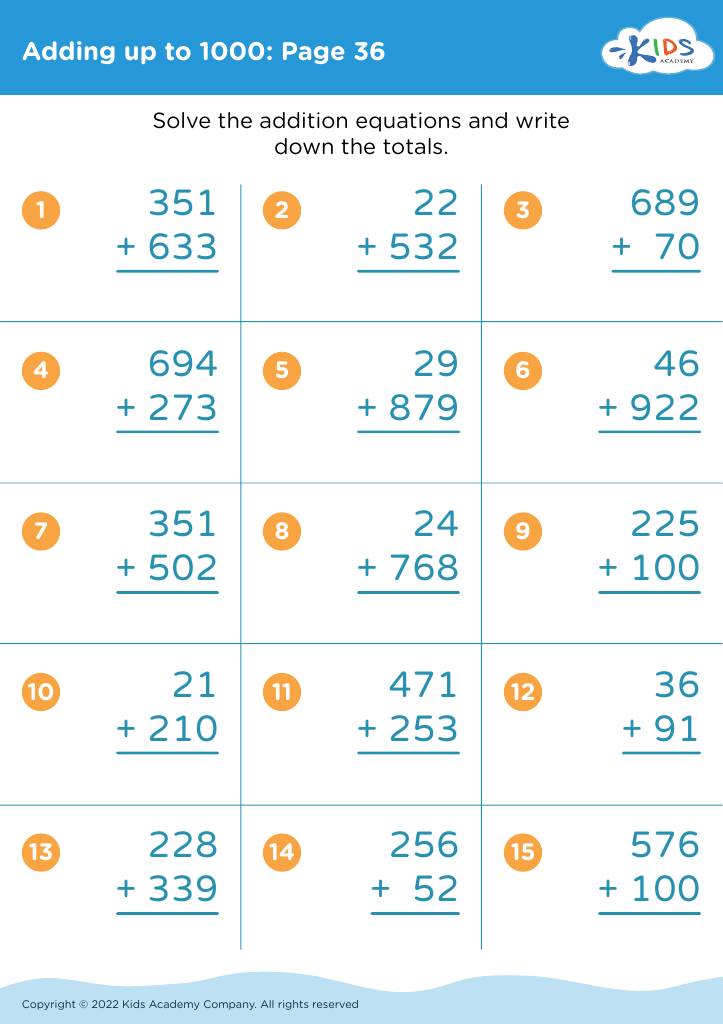
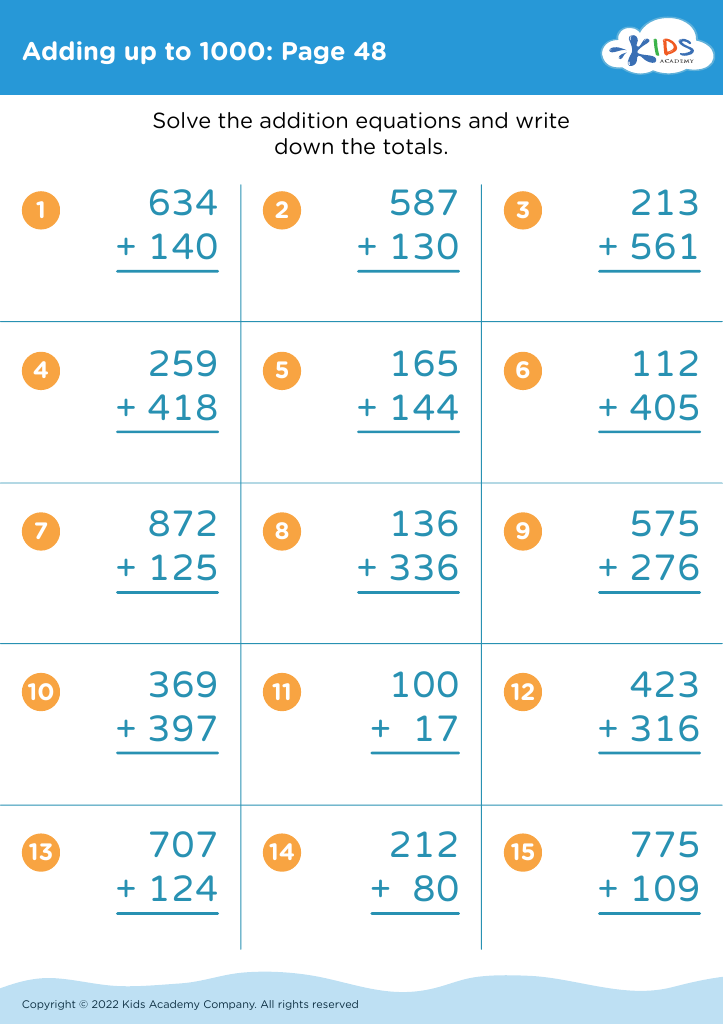








Parents and teachers should care about fine motor skills in the context of Grade 2 addition and subtraction for several compelling reasons. Fine motor skills involve the use of small muscles in the hands and fingers, which are critical for writing, constructing numbers, and manipulating objects. In Grade 2, children are not only developing their mathematical understanding but also enhancing their ability to express that understanding through writing and drawing.
Improved fine motor skills support children in efficiently writing numbers, numbers in word problems, and organizing their work, leading to increased confidence and accuracy in their calculations. When children struggle with fine motor skills, they may feel frustration, which can ultimately hinder their overall engagement with math. Moreover, the process of physically writing or drawing can reinforce learning, helping children internalize mathematical concepts.
Additionally, fostering fine motor skills positively impacts a child's overall academic performance and social development. Activities that promote these skills—like crafts, puzzles, or games involving small objects—can enhance hand-eye coordination, focus, and patience. Supporting children in developing fine motor skills not only prepares them for math success but also equips them with essential life skills for their overall growth and development.