Fraction Addition Grade 2 Addition & Subtraction Worksheets
14 filtered results
Difficulty Level
Grade
Age
-
From - To
Subject
Activity
Standards
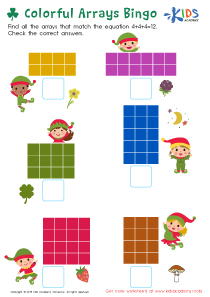
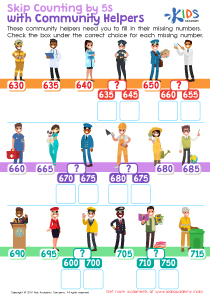
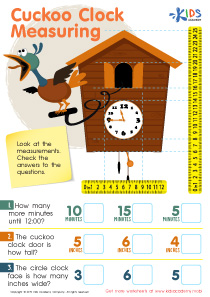
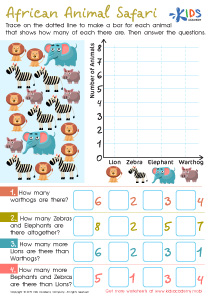
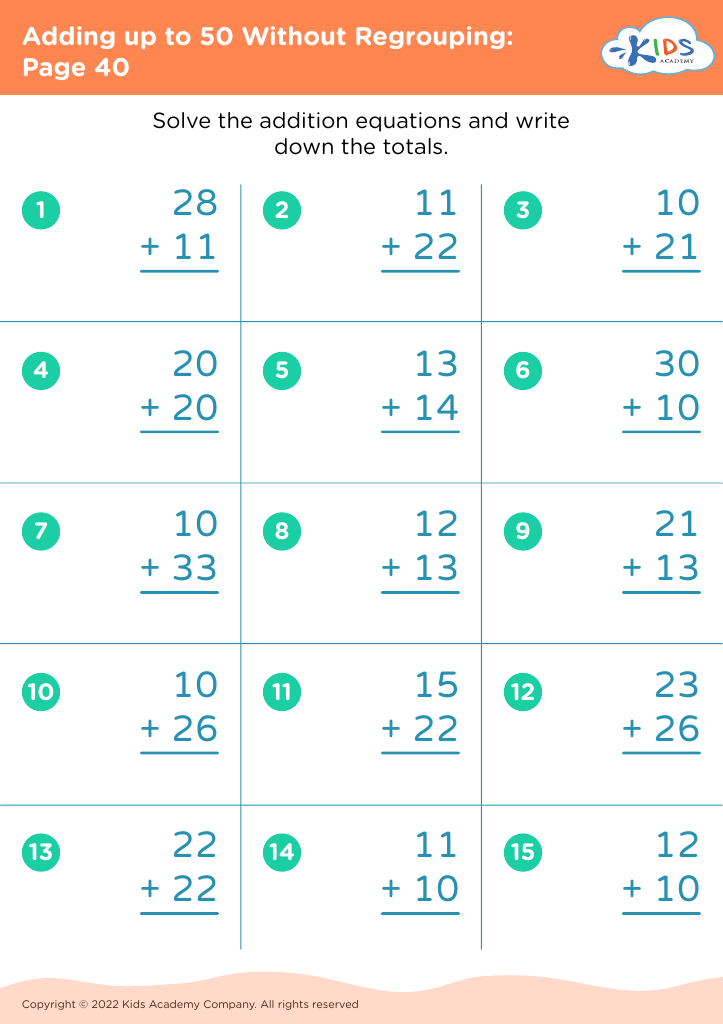
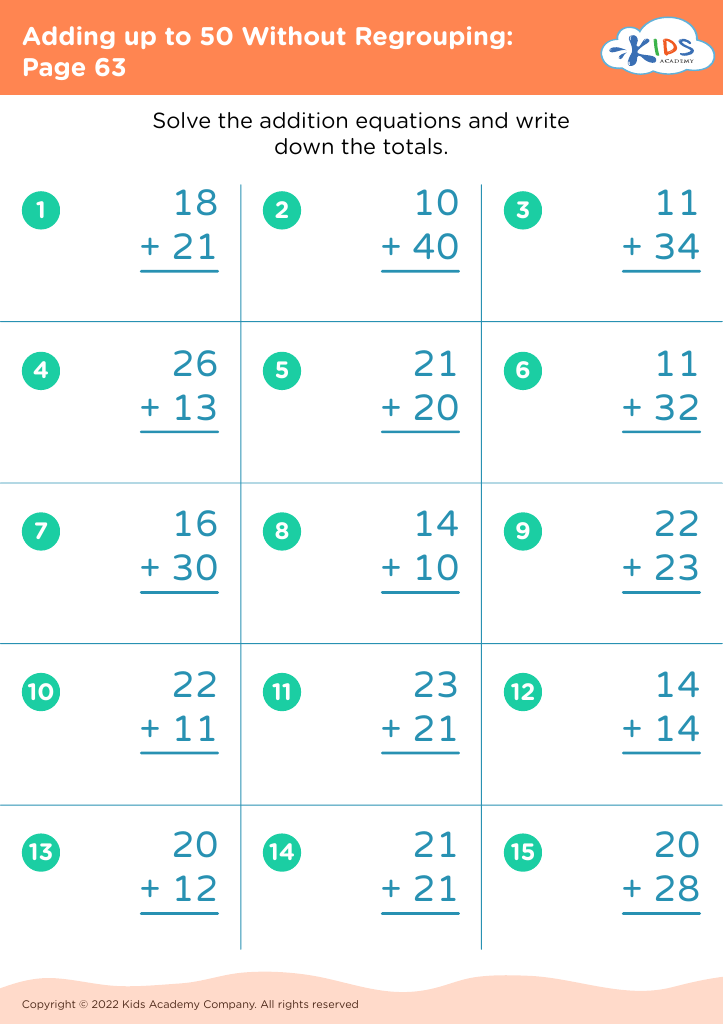
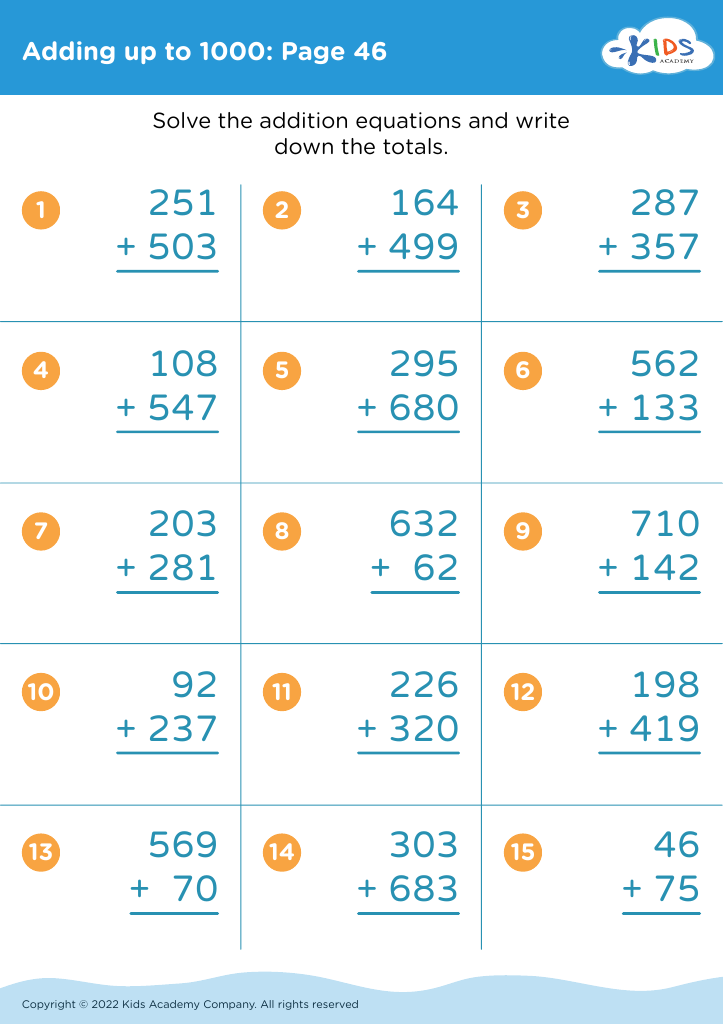
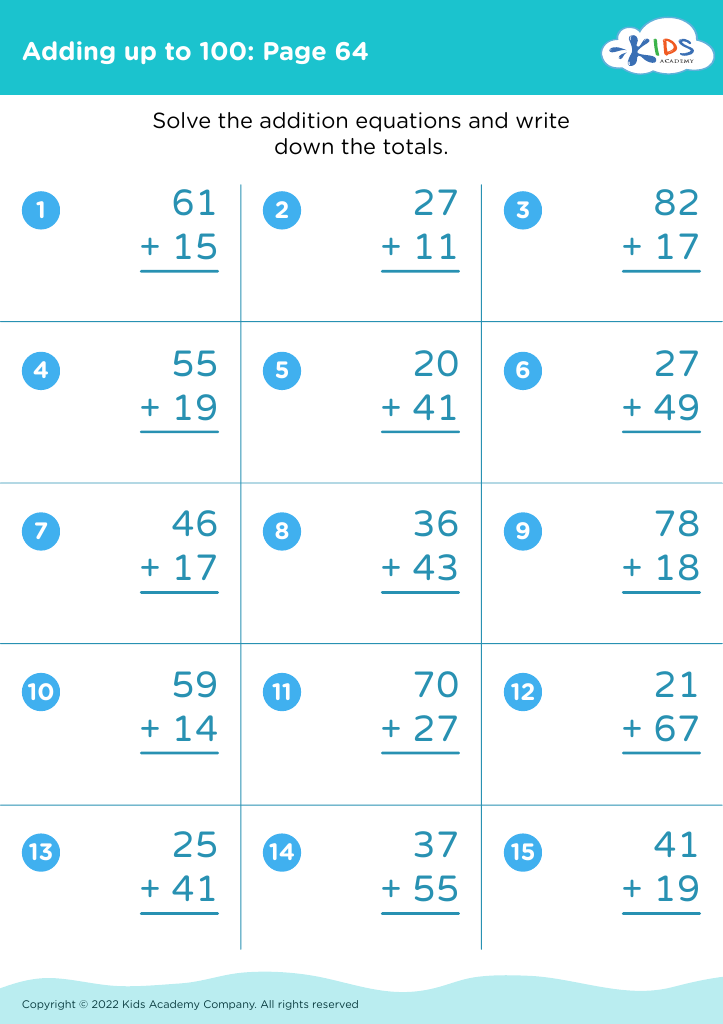
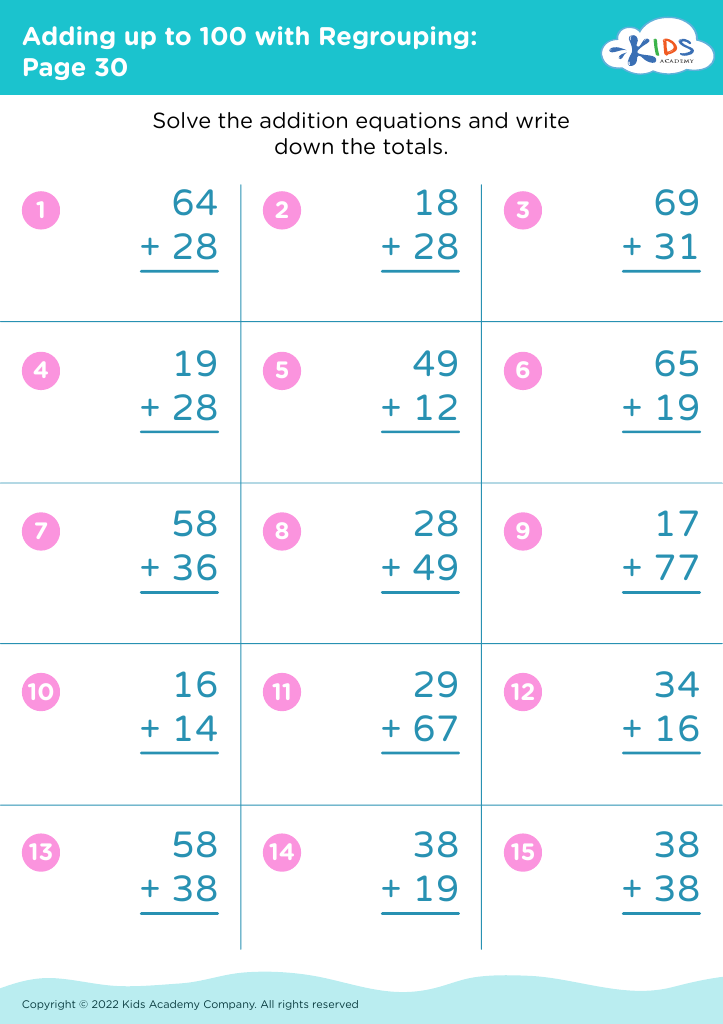
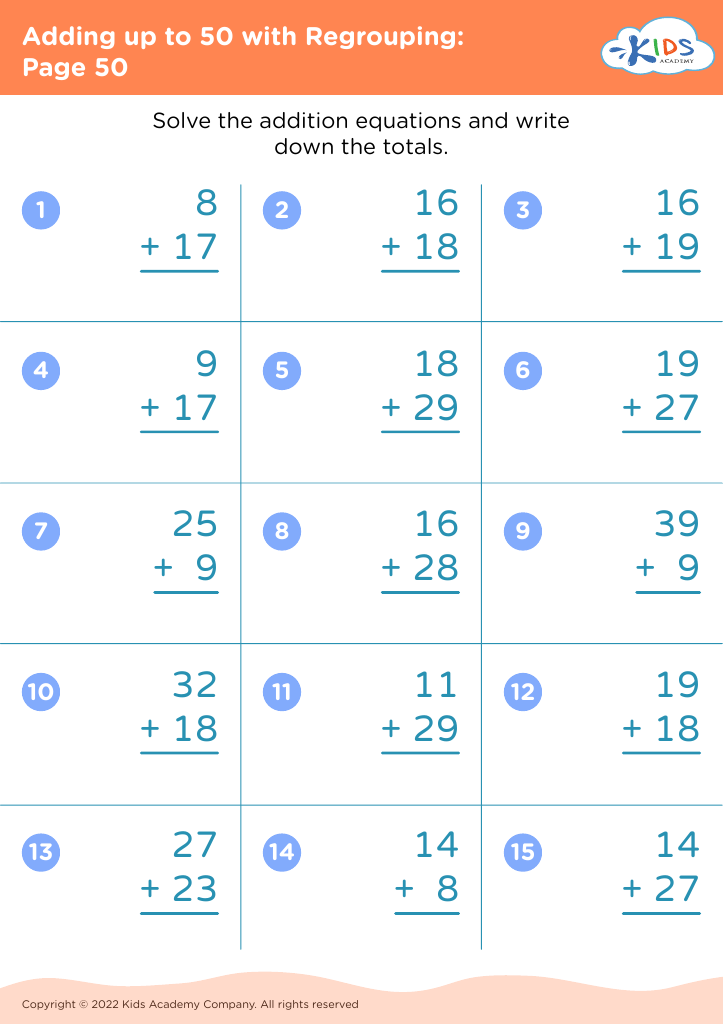
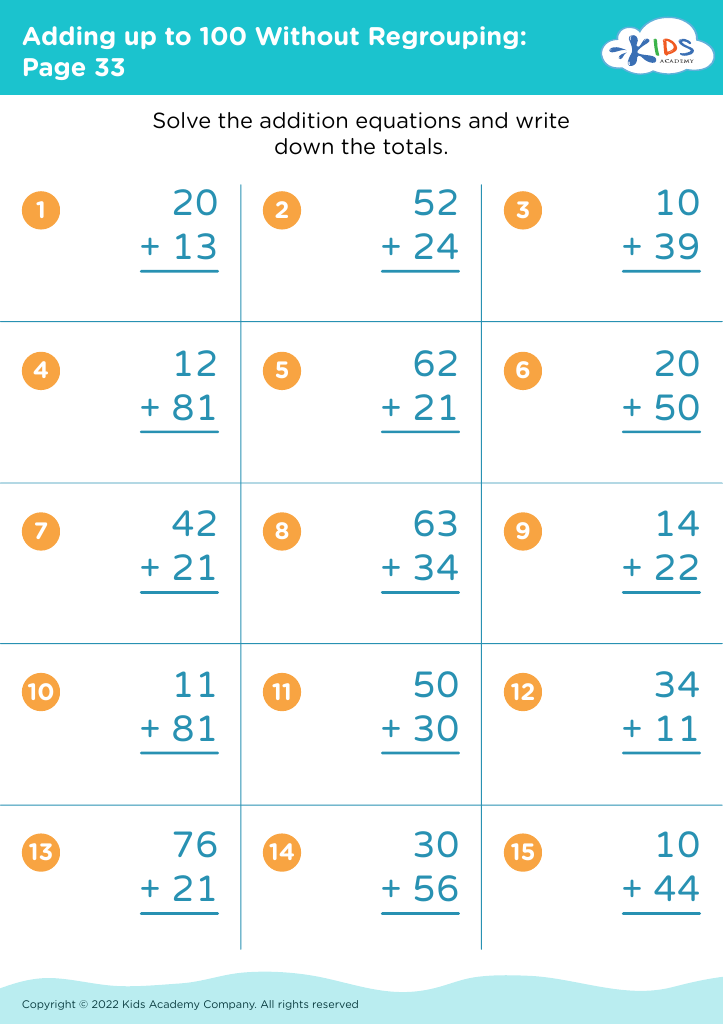
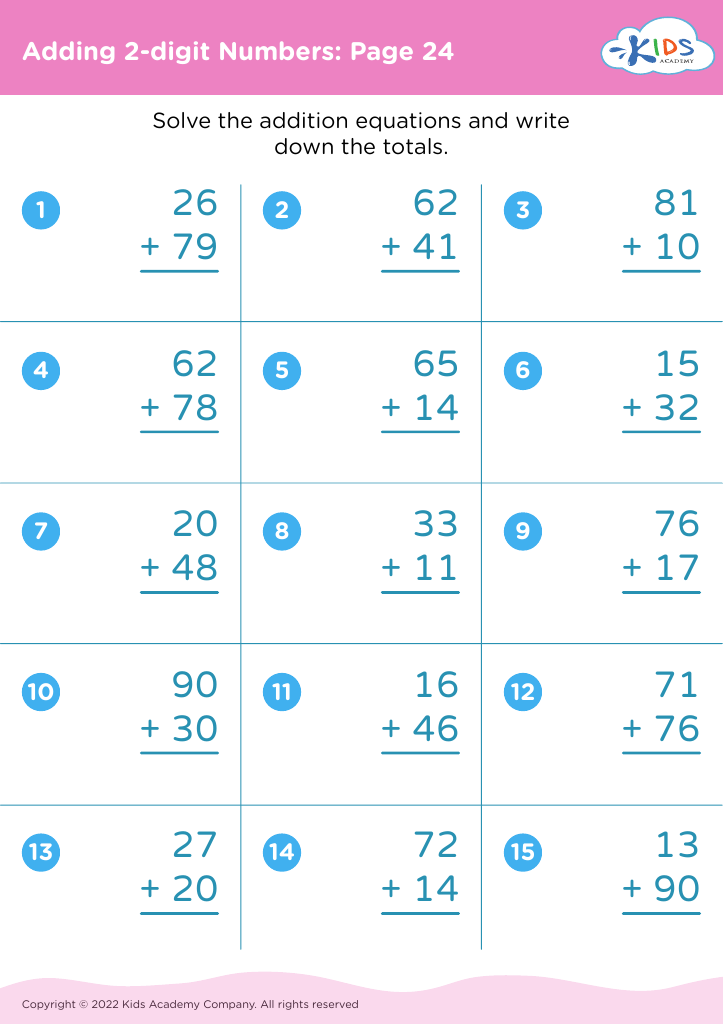
Unlock the world of fractions for your second graders with our engaging Fraction Addition worksheets! Designed specifically for Grade 2, these worksheets help young learners grasp the concept of adding fractions in a fun and interactive way. Perfectly aligned with educational standards, our resources encourage practice and mastery of essential math skills. Featuring colorful illustrations and clear explanations, these worksheets simplify the learning process, making it accessible for all students. Through a variety of exercises, your child will build confidence in their abilities as they explore fraction addition and subtraction. Start enhancing math knowledge today with our helpful printable tools!
Favorites
With answer key
Interactive
Join Kids Academy for Free
Who is primarily going to use this learning content?








Fraction addition and subtraction are crucial concepts in Grade 2 mathematics that lay the groundwork for more complex mathematical concepts in later grades. Parents and teachers should care deeply about these topics for several reasons.
First, a strong understanding of fractions enhances critical thinking skills. As children learn to manipulate fractions, they develop the ability to see parts of a whole and understand relationships between numbers. This cognitive skill transcends math, fostering better problem-solving abilities in various subjects.
Second, mastery of basic fraction operations prepares students for higher-level mathematical concepts, such as ratios, proportions, and decimals. The confidence gained from successfully adding and subtracting fractions sets a positive tone for future learning, motivating students to engage with material that may initially seem challenging.
Lastly, fractions have real-world applications, from cooking to budgeting. Understanding how to add and subtract fractions is essential for everyday activities, aiding children in becoming proficient, numerically-literate individuals.
For these reasons, parents and teachers should prioritize teaching fractions with both patience and enthusiasm, ensuring that young learners cultivate a solid mathematical foundation that will benefit them in school and beyond.