Fraction simplification Grade 2 Addition & Subtraction Worksheets - Page 3
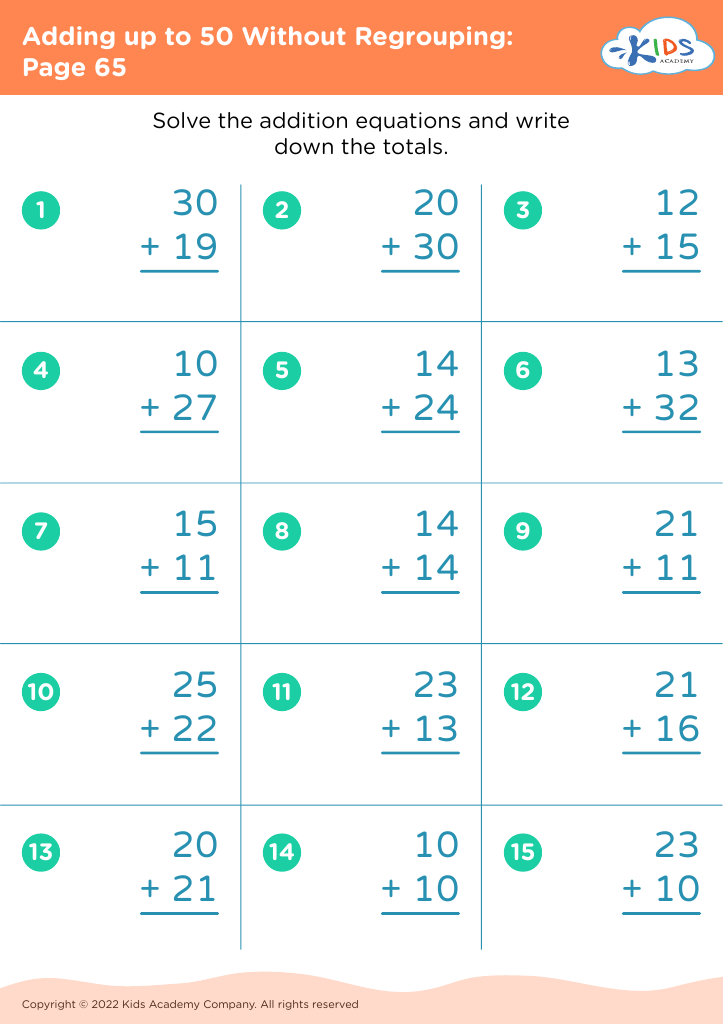
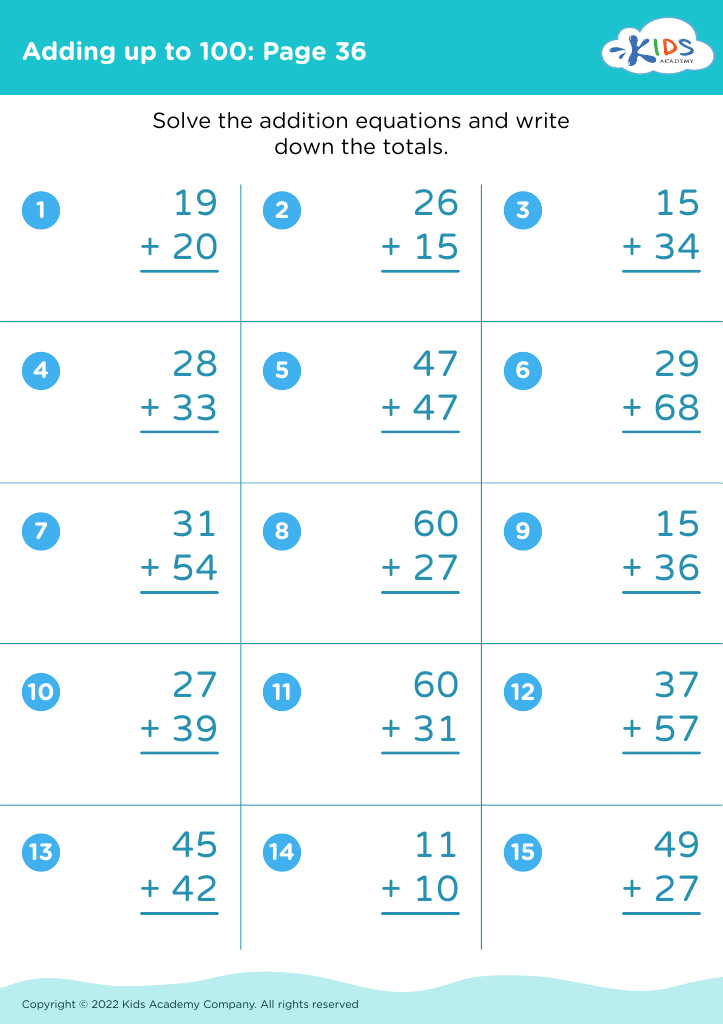
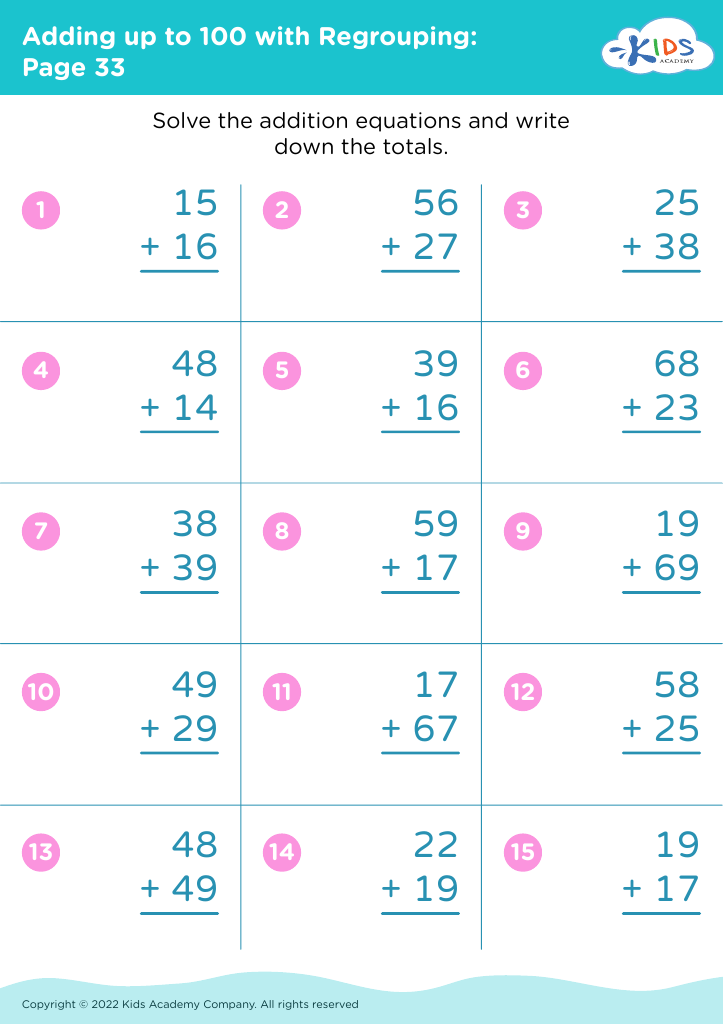
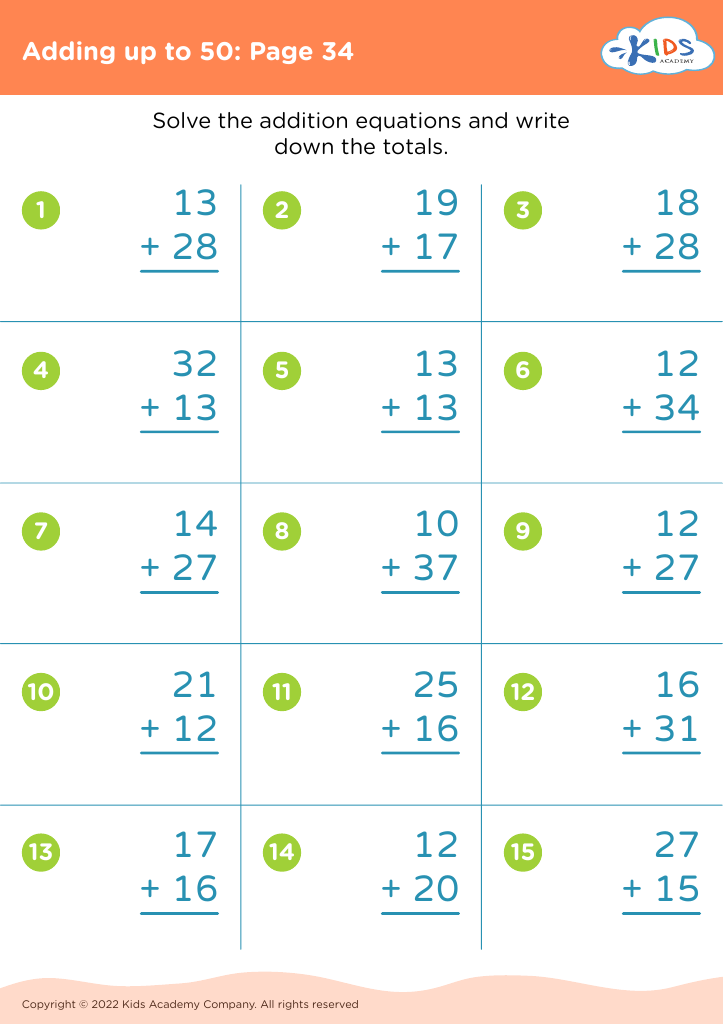




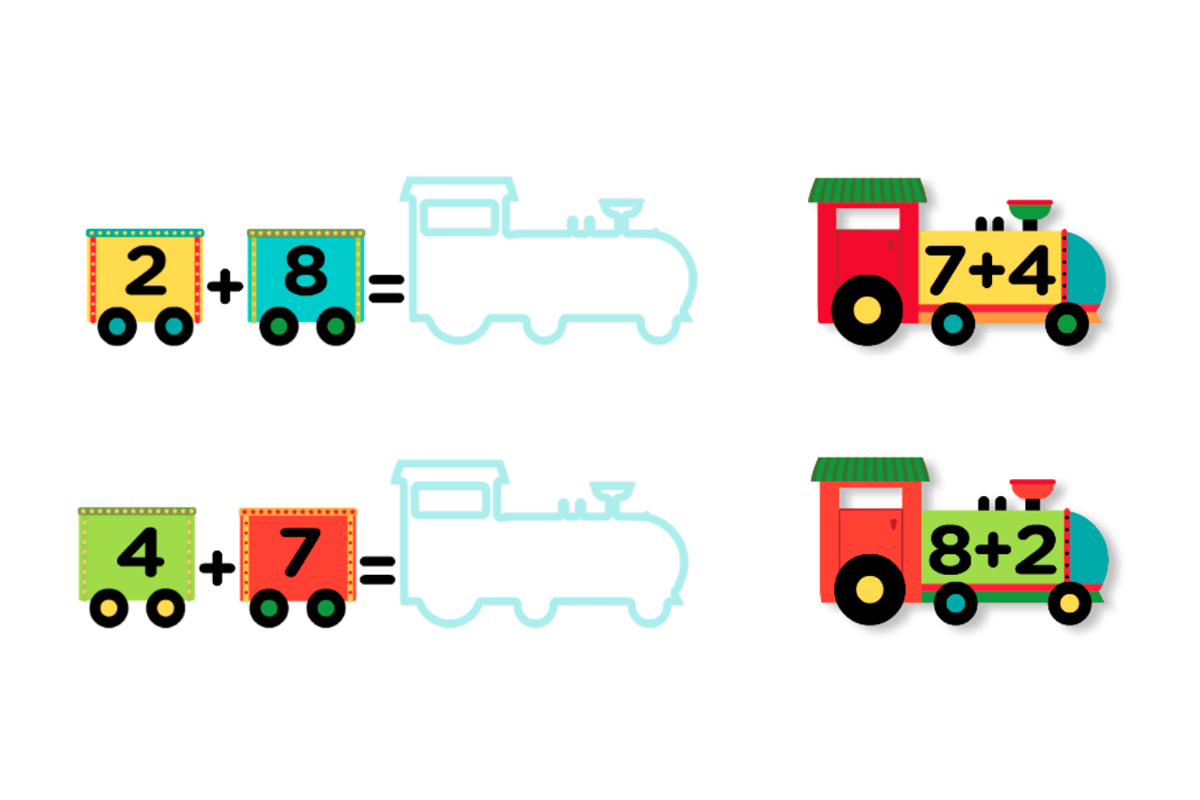



Parents and teachers should care about fraction simplification and Grade 2 addition and subtraction because these foundational mathematical concepts are crucial for students' future academic success and everyday life skills. Mastering fractions simplifies more complex math problems and fosters a deeper understanding of numbers, relationships, and proportions. When children learn to simplify fractions, they develop critical thinking, problem-solving abilities, and logical reasoning, which are essential in higher-level math, such as algebra and beyond.
Moreover, addition and subtraction are fundamental arithmetic operations taught at a young age. Proficiency in these skills ensures that children can perform basic calculations accurately and confidently. This not only supports their mathematical learning but also aids in real-world activities like handling money, measuring ingredients in recipes, and reading time.
Additionally, the process of learning these concepts nurtures patience, perseverance, and a growth mindset. When children see their progress, they build confidence and a positive attitude towards math, reducing anxiety and fostering a lifelong love of learning. Engaging with children in these early math skills provides an essential foundation, creating well-rounded, competent individuals ready to tackle future academic challenges and opportunities in daily life.