Identify shapes Grade 2 Addition & Subtraction Worksheets
10 filtered results
-
From - To
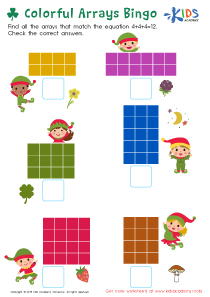
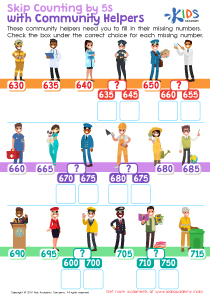
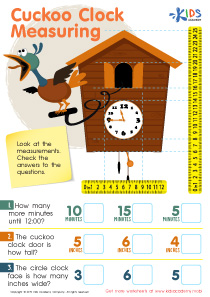
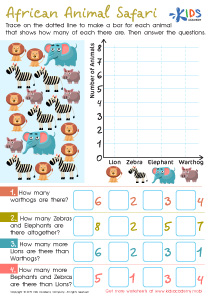
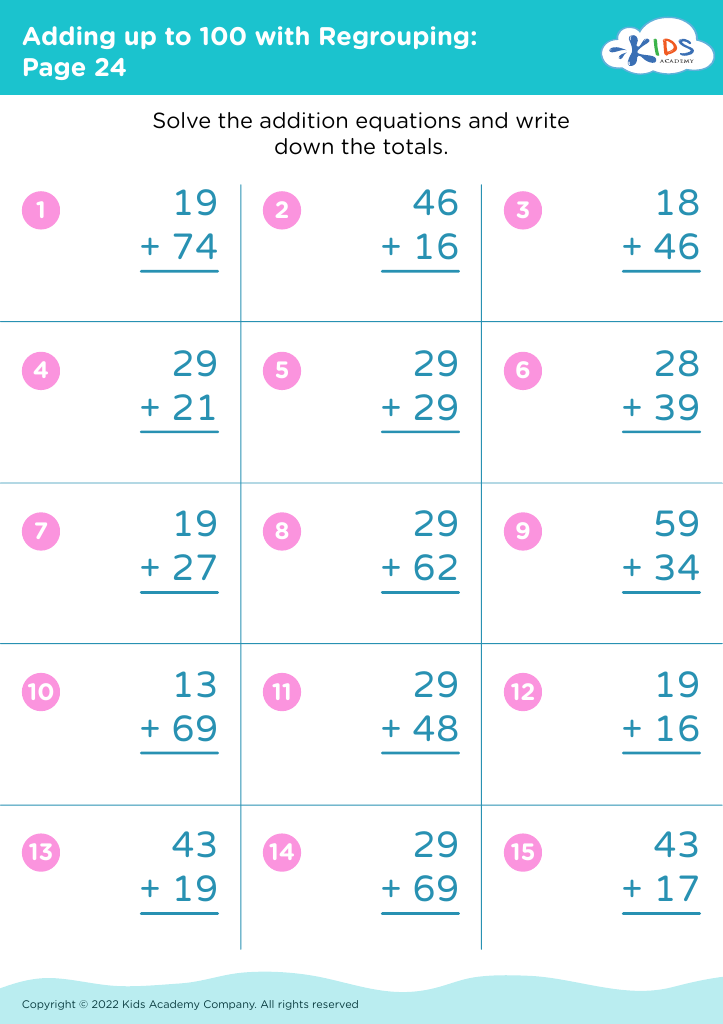
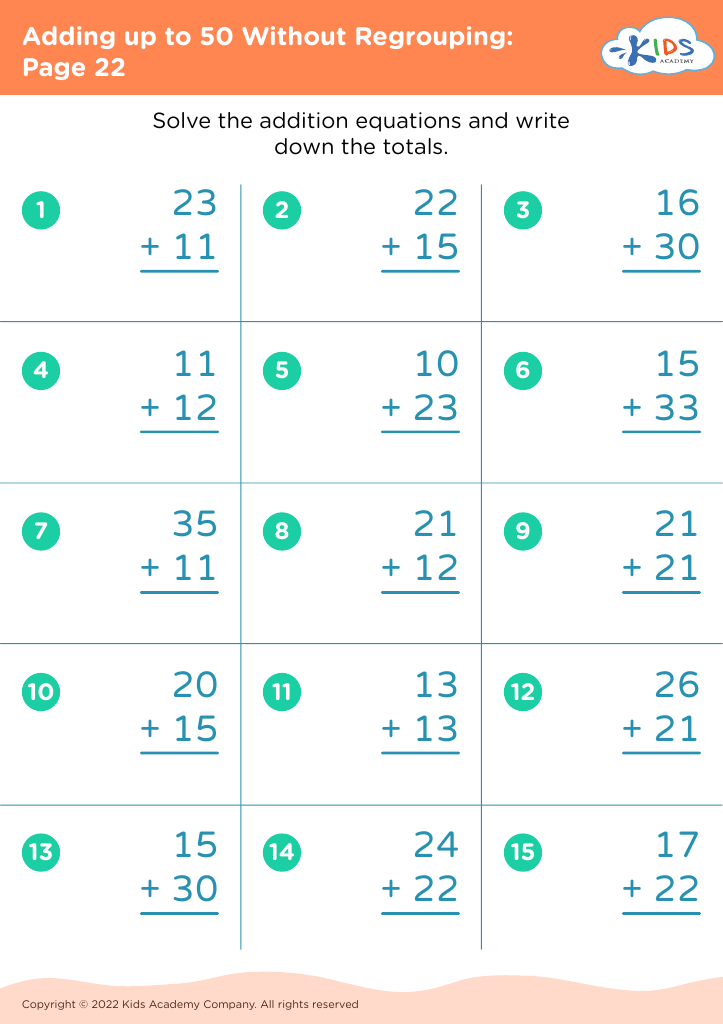
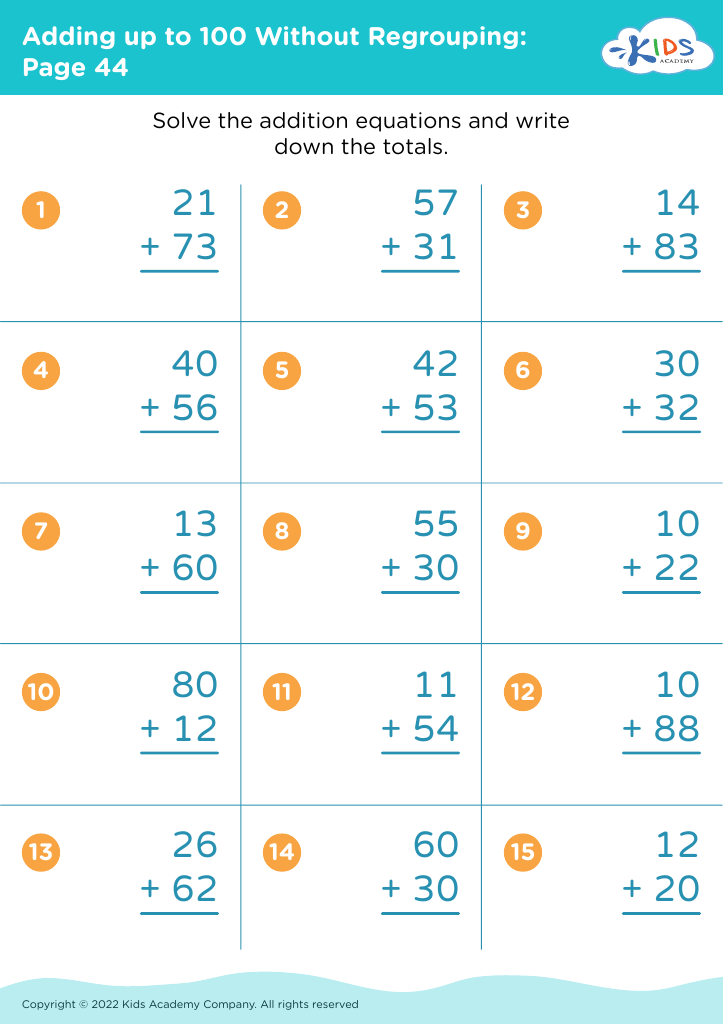
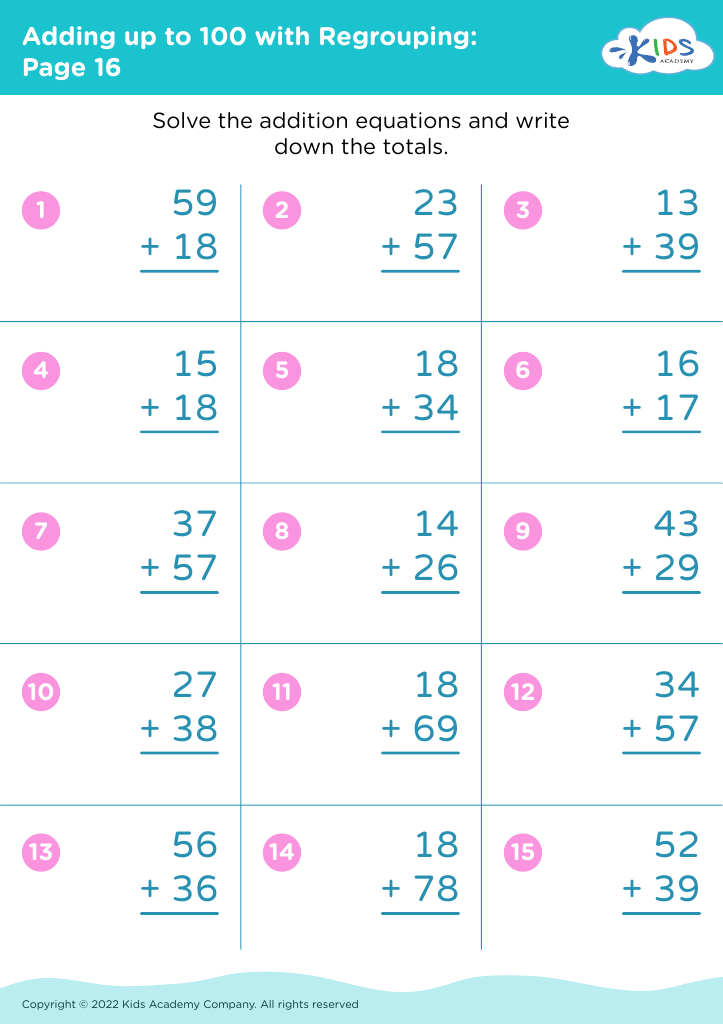
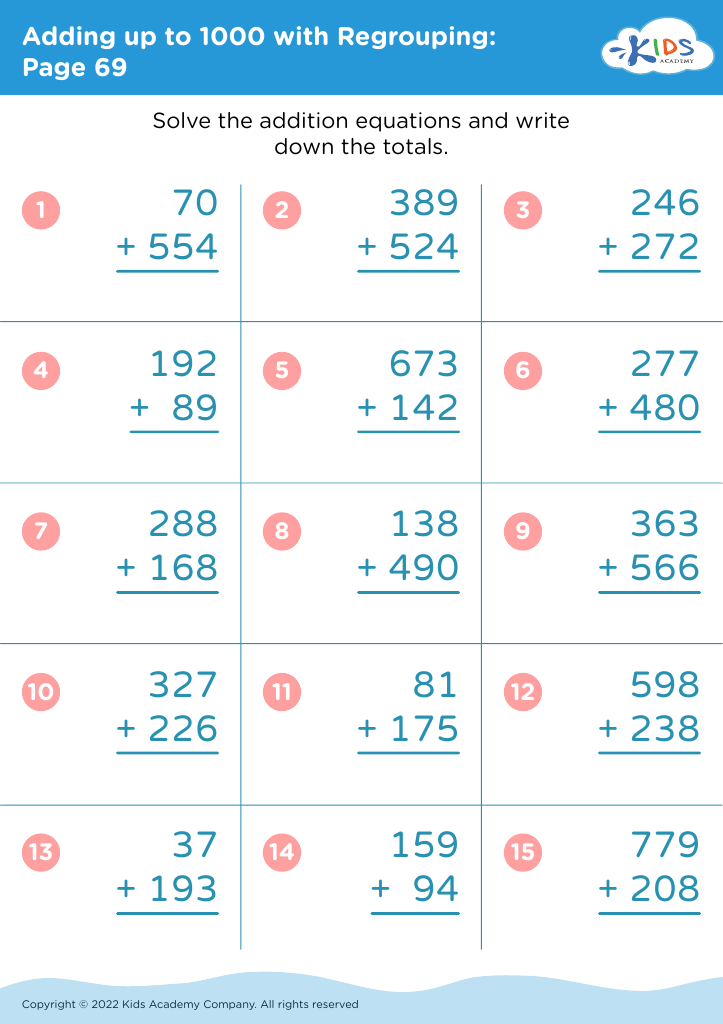
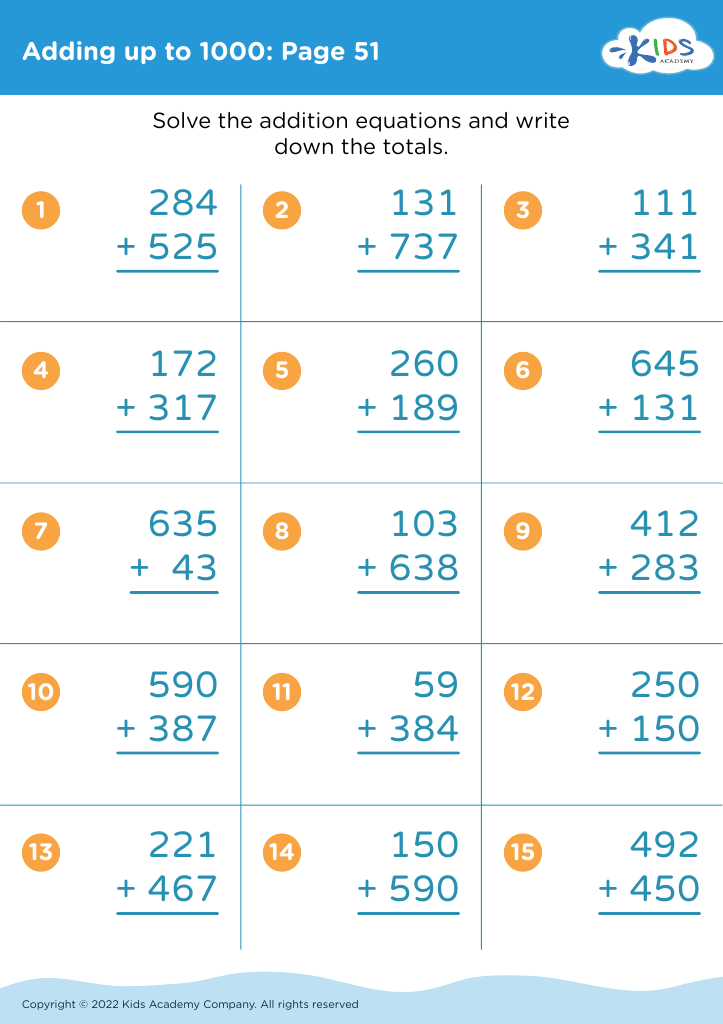
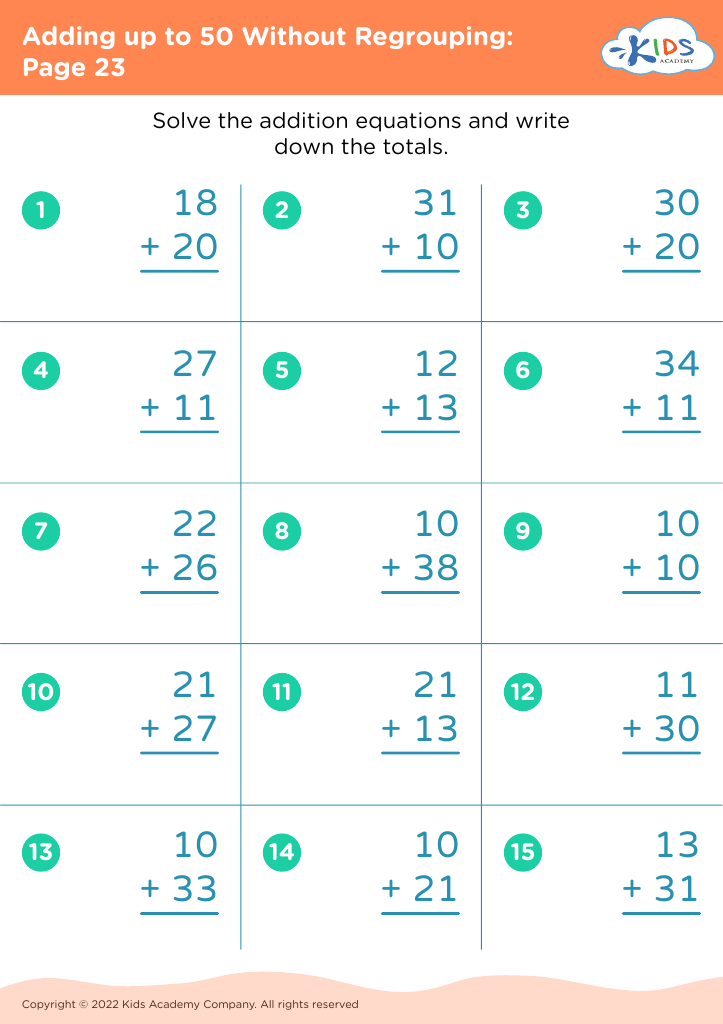
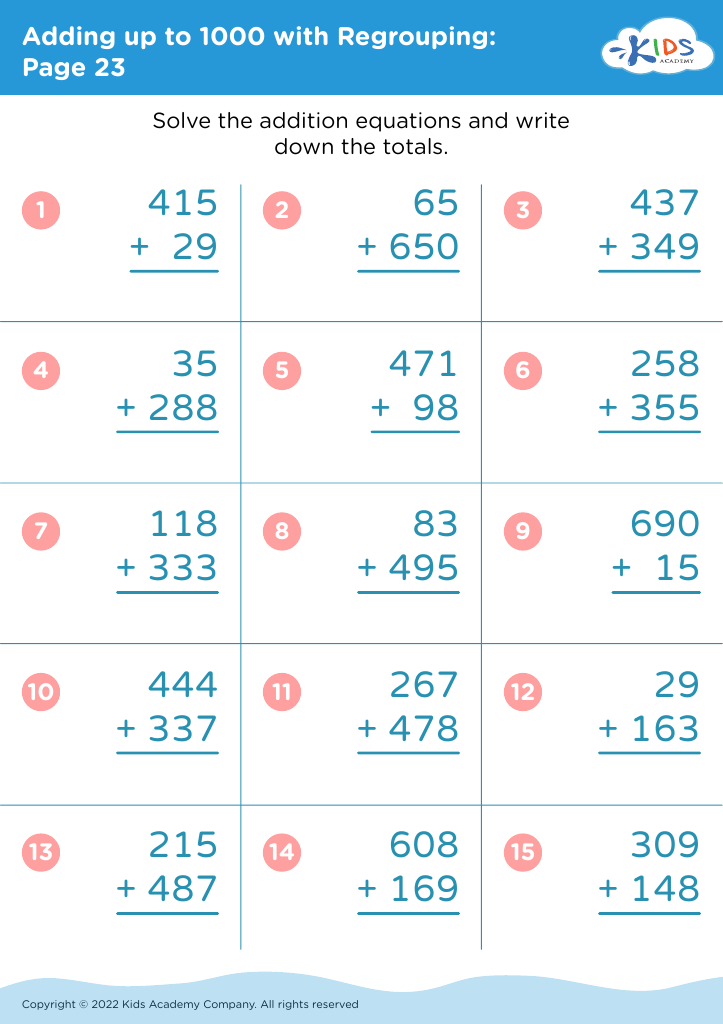
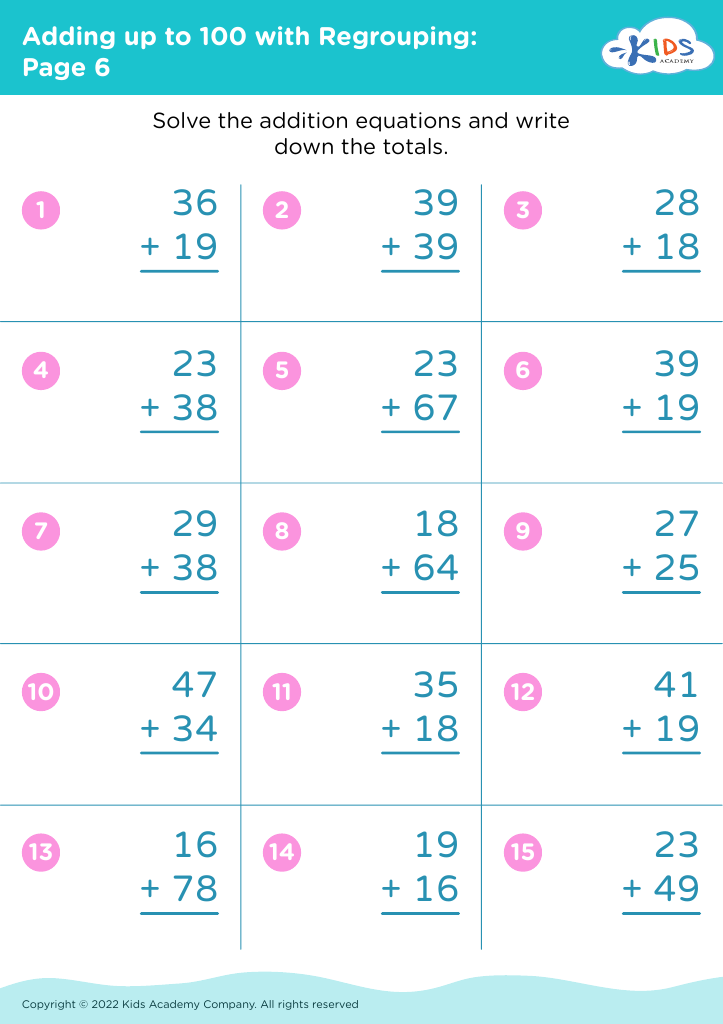
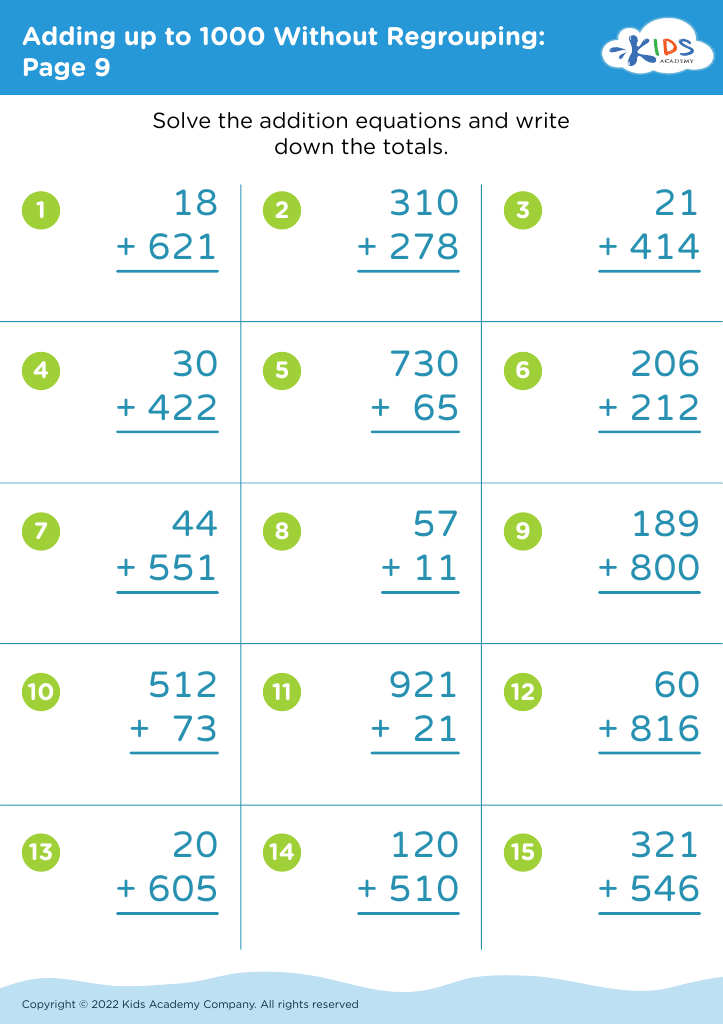
Enhance your child's learning with our "Identify Shapes Grade 2 Addition & Subtraction Worksheets." Specially designed for second graders, these worksheets combine fundamental math skills with shape recognition, offering a fun and educational experience. Each worksheet challenges students to practice addition and subtraction while identifying various geometric shapes. Perfect for classroom use or at-home practice, these engaging exercises foster critical thinking and boost mathematical proficiency. By integrating visual and numerical tasks, our worksheets support versatile learning styles, making math more enjoyable and accessible for young learners. Dive into a world of numbers and shapes today!








Understanding basic concepts like shapes, addition, and subtraction in Grade 2 is crucial as they lay the foundation for future learning. For parents and teachers, it's important to recognize how these early math skills connect to a child's overall cognitive development.
Identifying shapes helps children develop spatial awareness and geometry skills, which are critical not only in math but in understanding the physical world. It enhances their ability to comprehend and analyze the properties of objects, setting the groundwork for more complex topics such as fractions, area, and perimeter in later grades.
Addition and subtraction are fundamental arithmetic operations that underpin virtually every aspect of math and complex problem-solving. Mastery of these operations in Grade 2 ensures that students are numerically fluent, building their confidence and competence in approaching more advanced calculations and logical reasoning.
By focusing on these topics in early education, parents and teachers help ensure that children develop strong number sense and problem-solving skills. These skills are not just vital for academic success but are used in everyday life, from simple tasks like splitting a bill to making informed decisions. Moreover, early mastery can foster a positive attitude towards math, reducing anxiety and opening pathways to a STEAM (Science, Technology, Engineering, Arts, Mathematics) oriented future.