Improve number recognition Grade 2 Addition & Subtraction Worksheets
15 filtered results
-
From - To
Welcome to our Grade 2 Addition & Subtraction Worksheets designed to enhance number recognition skills! These engaging and informative worksheets provide your child with valuable practice in recognizing numbers while mastering essential addition and subtraction concepts. Each worksheet is thoughtfully crafted to include vibrant visuals and interactive exercises that make learning fun. As students navigate through these activities, they will develop confidence in their math abilities, laying a strong foundation for future learning. Ideal for both classroom and home use, our worksheets are a great way to reinforce key skills and support your child's academic journey. Start exploring today!
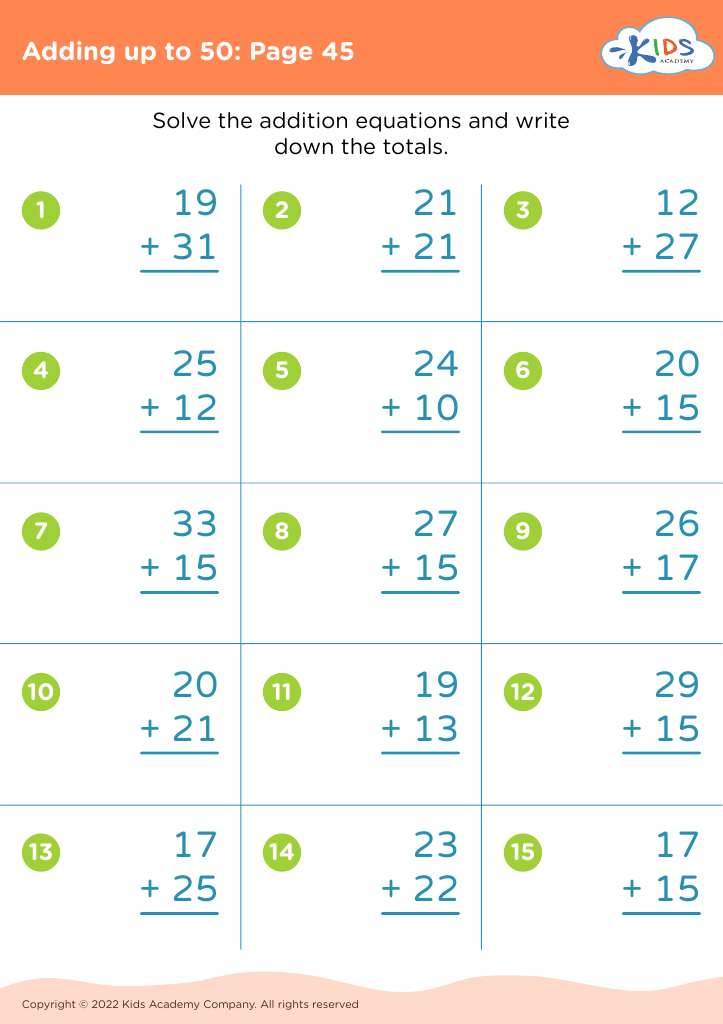
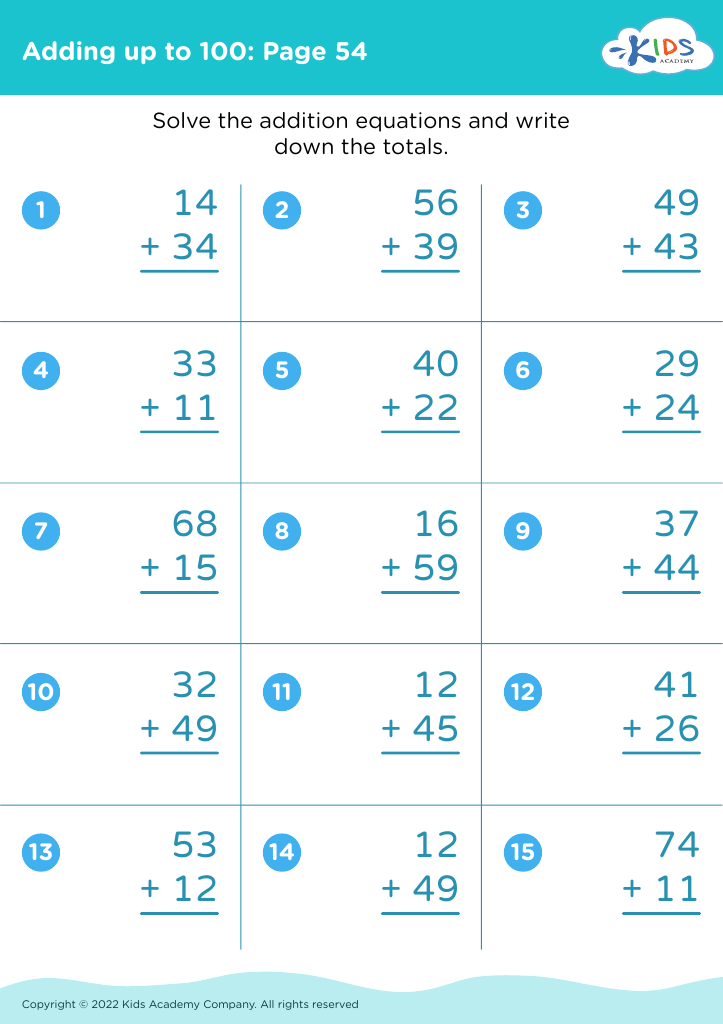
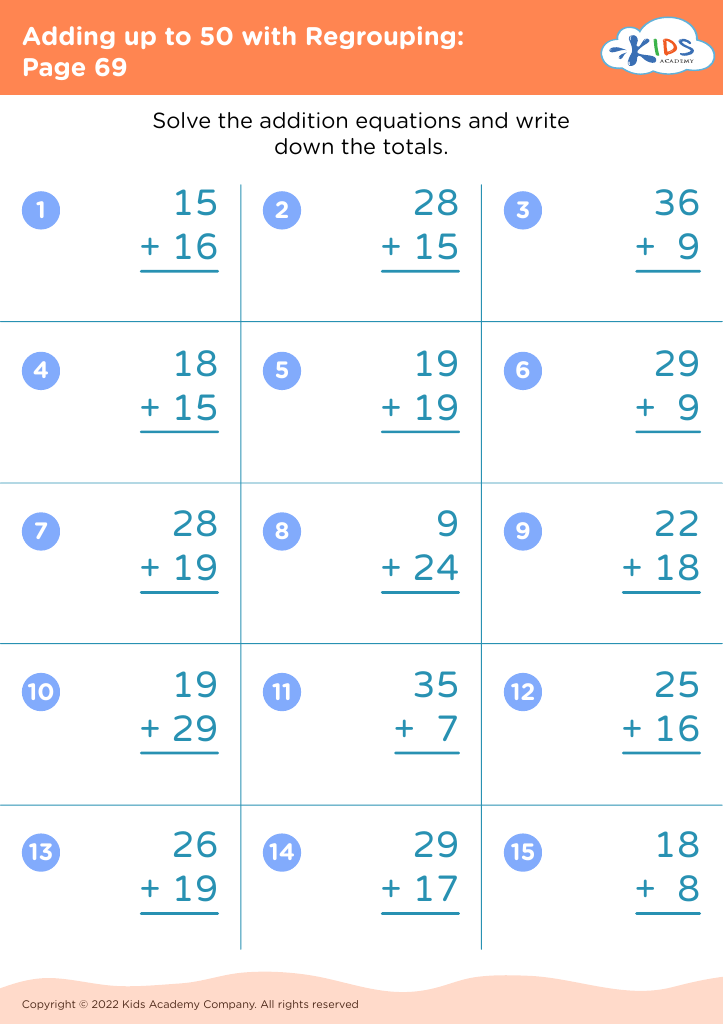
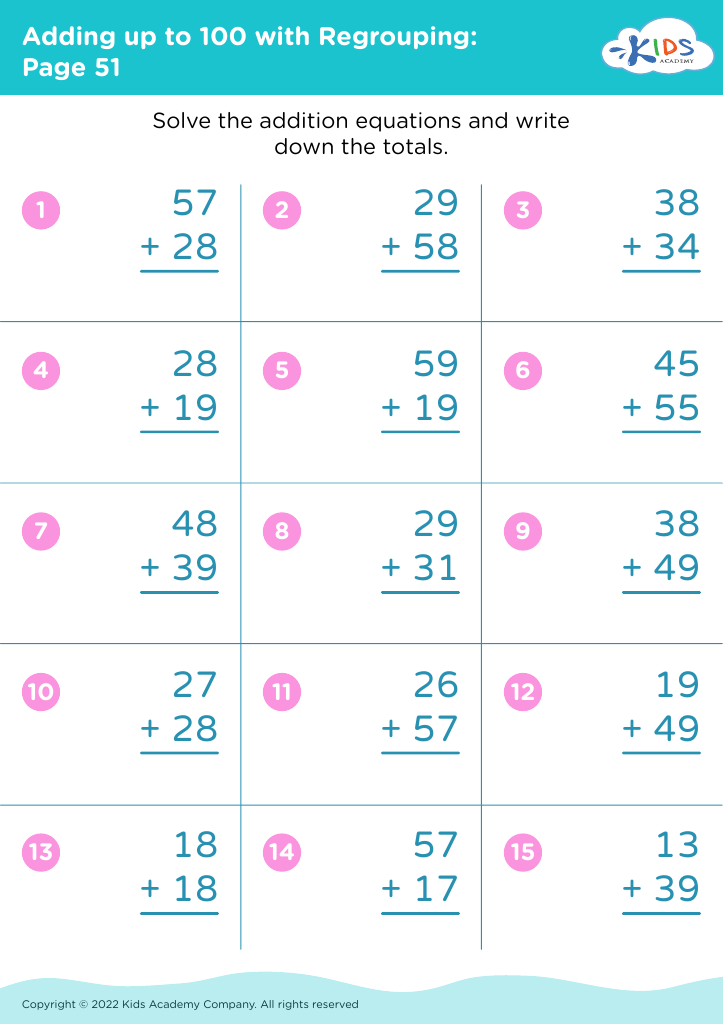
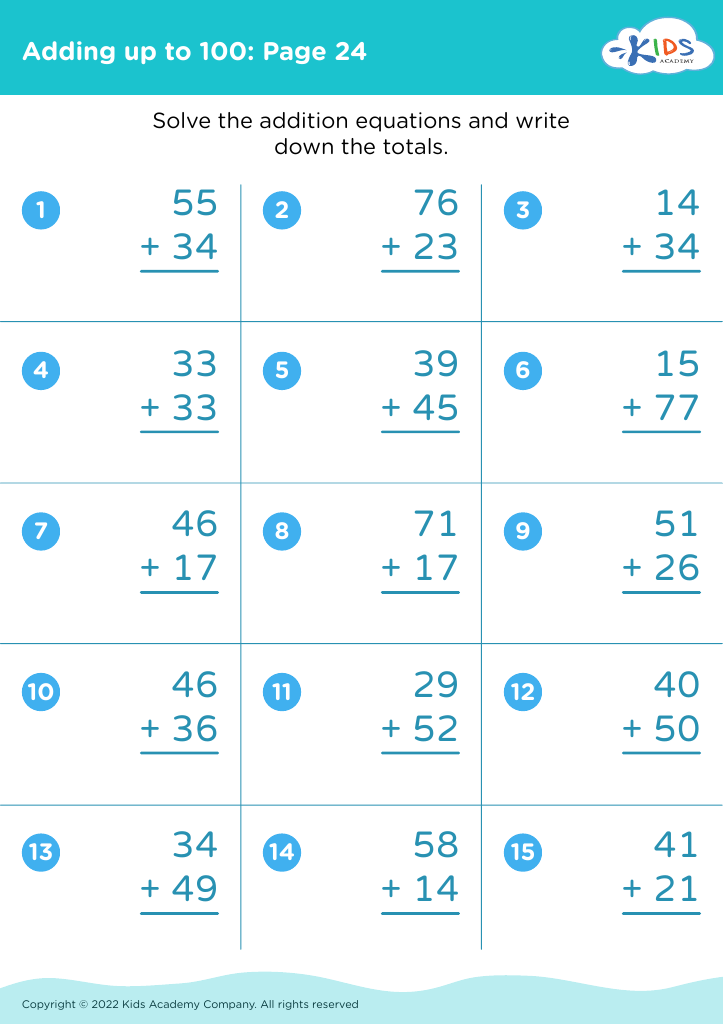
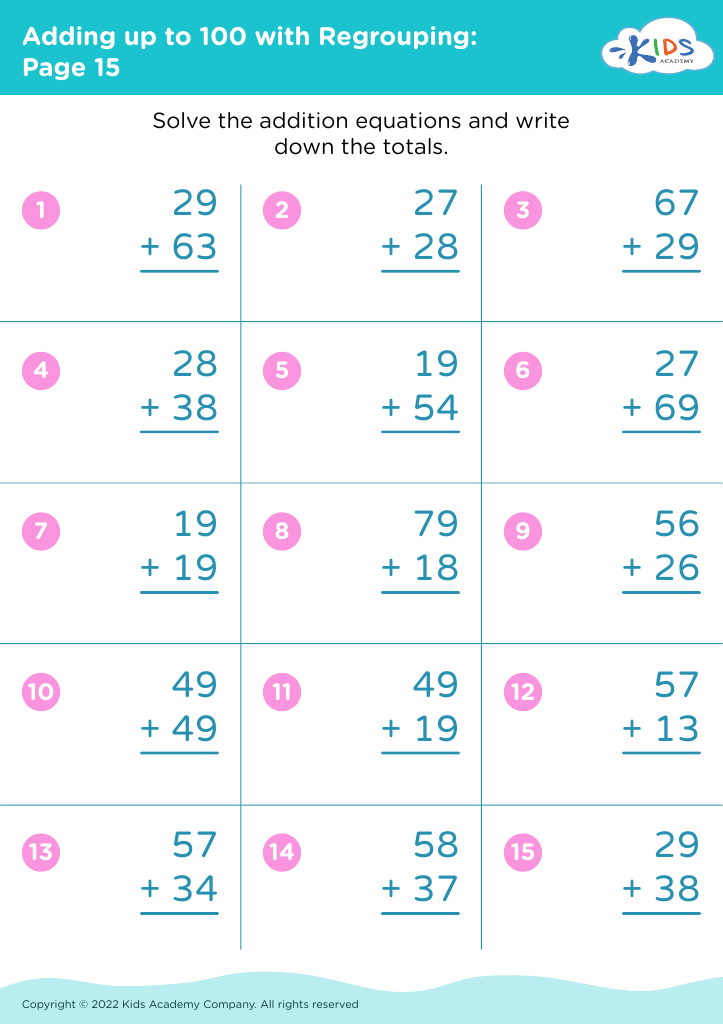
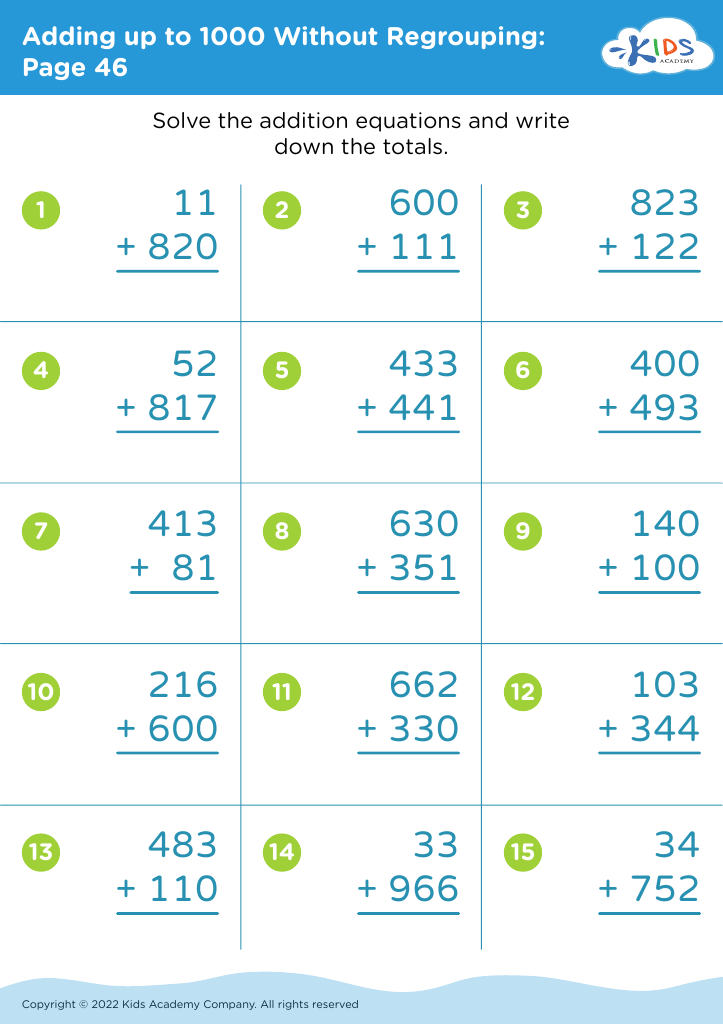
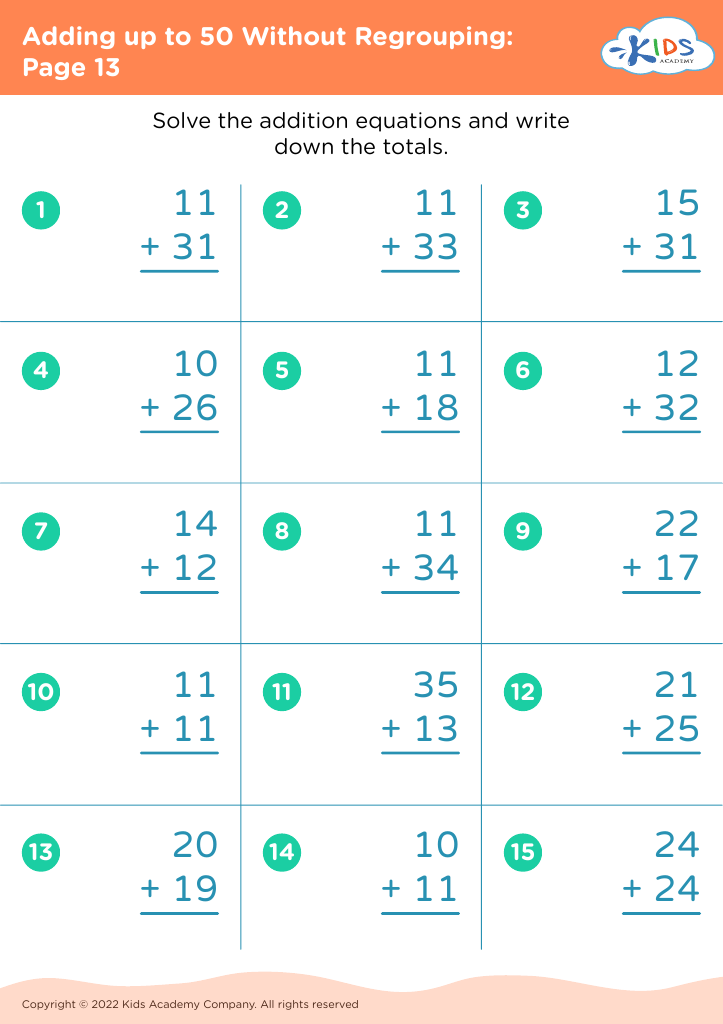
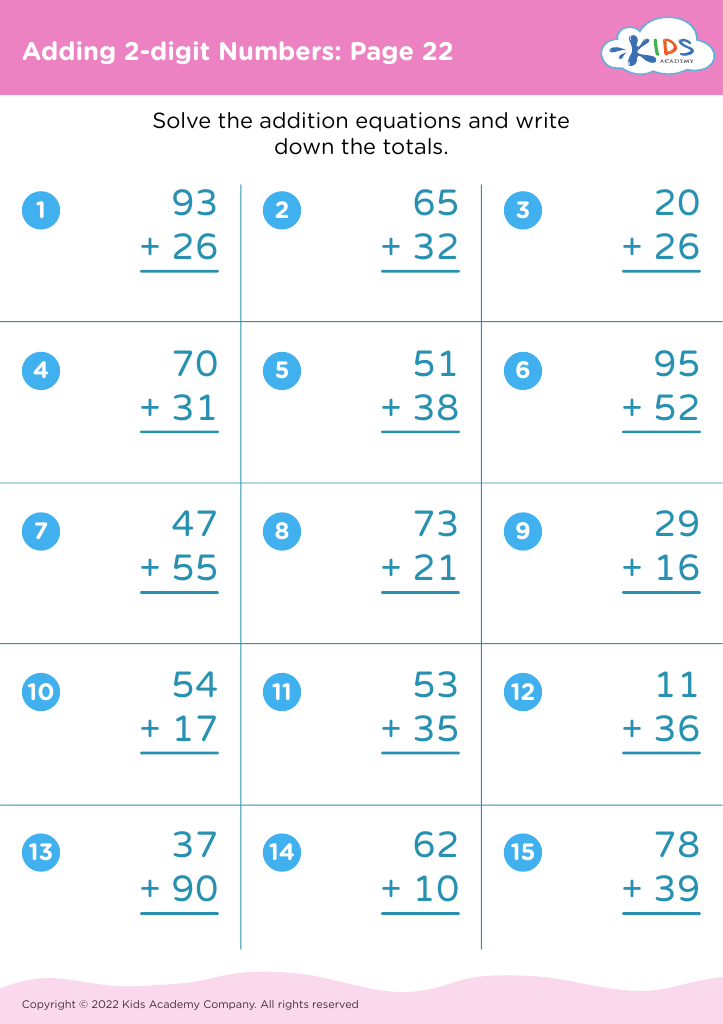
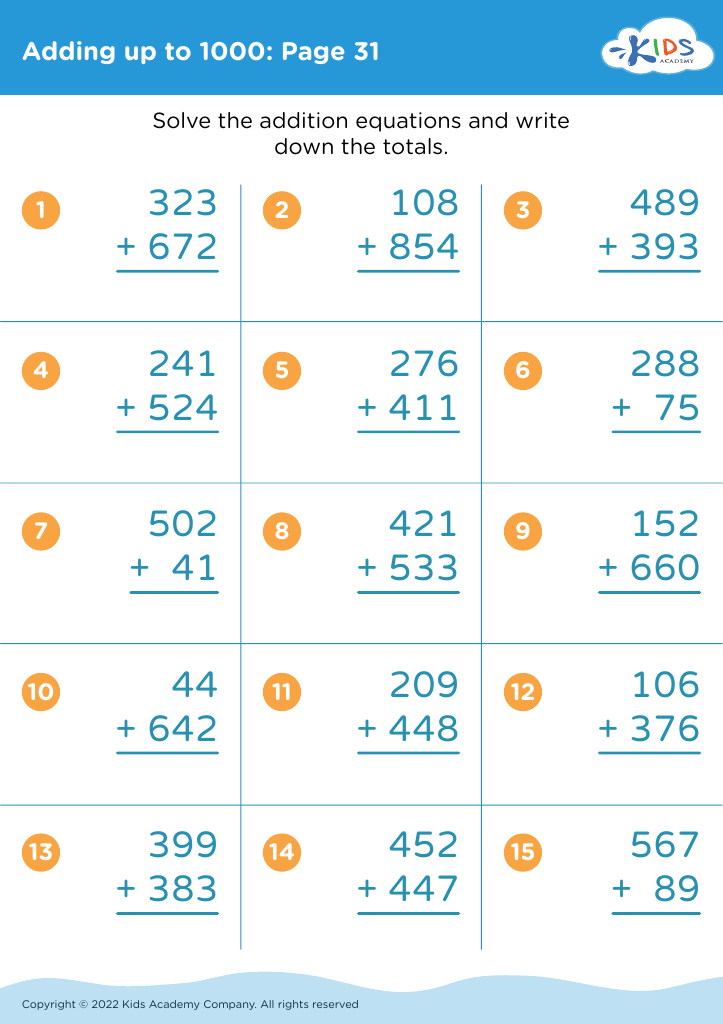
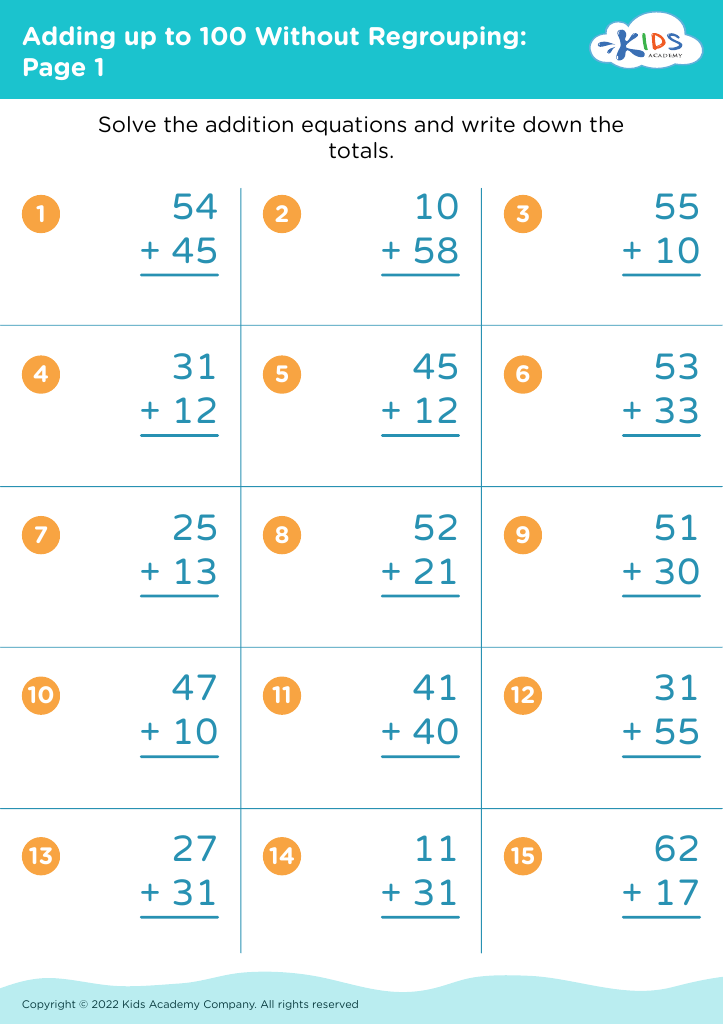
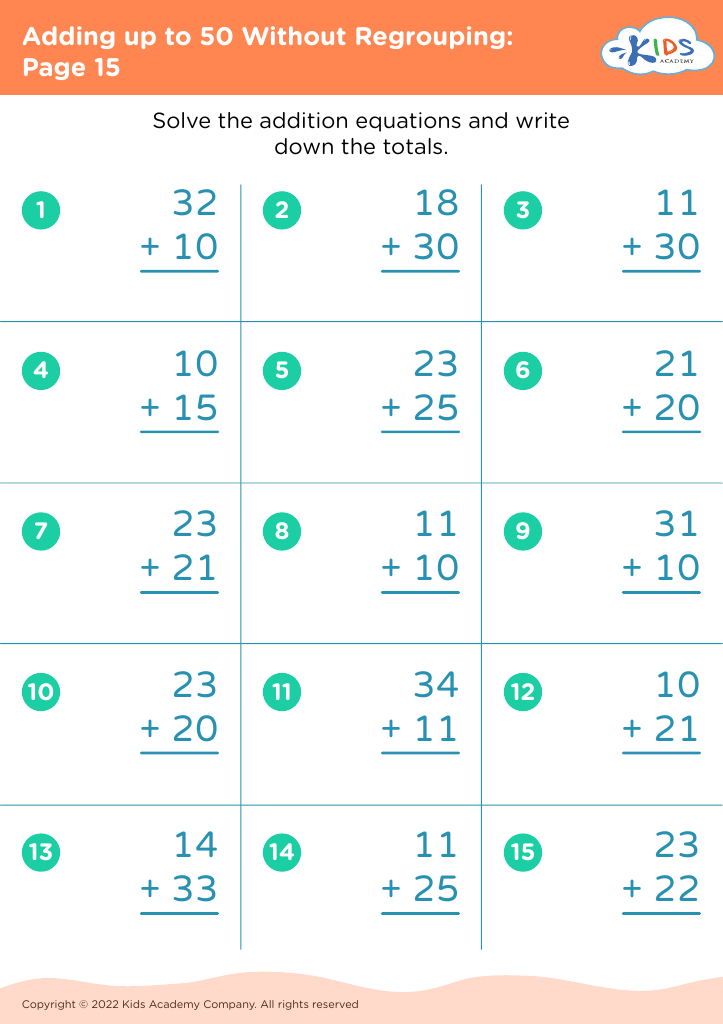
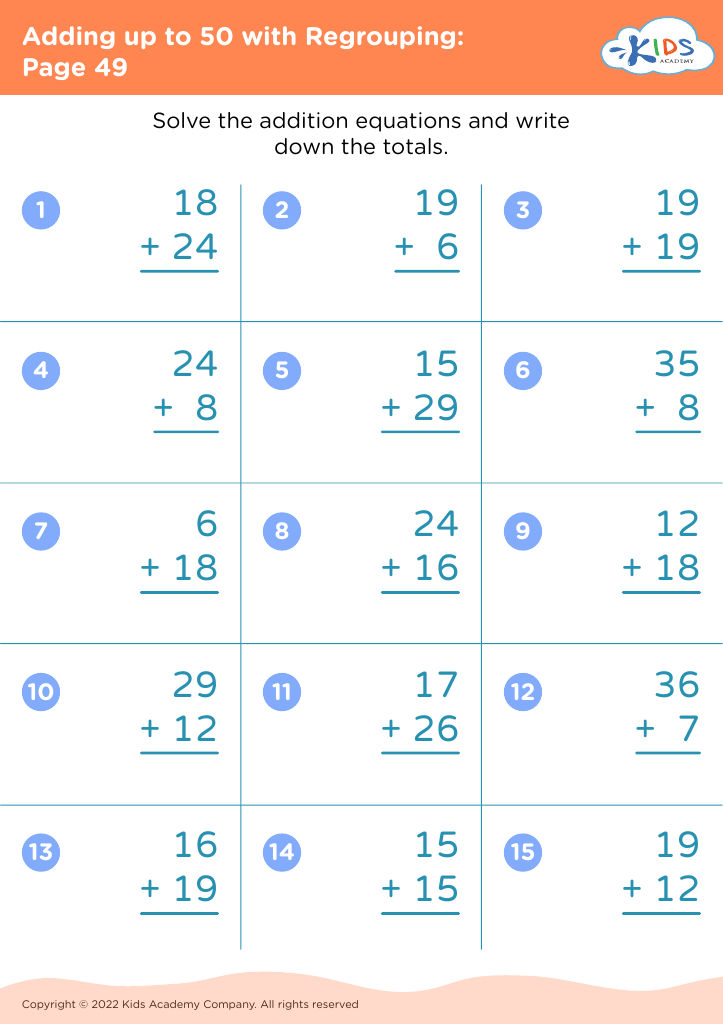
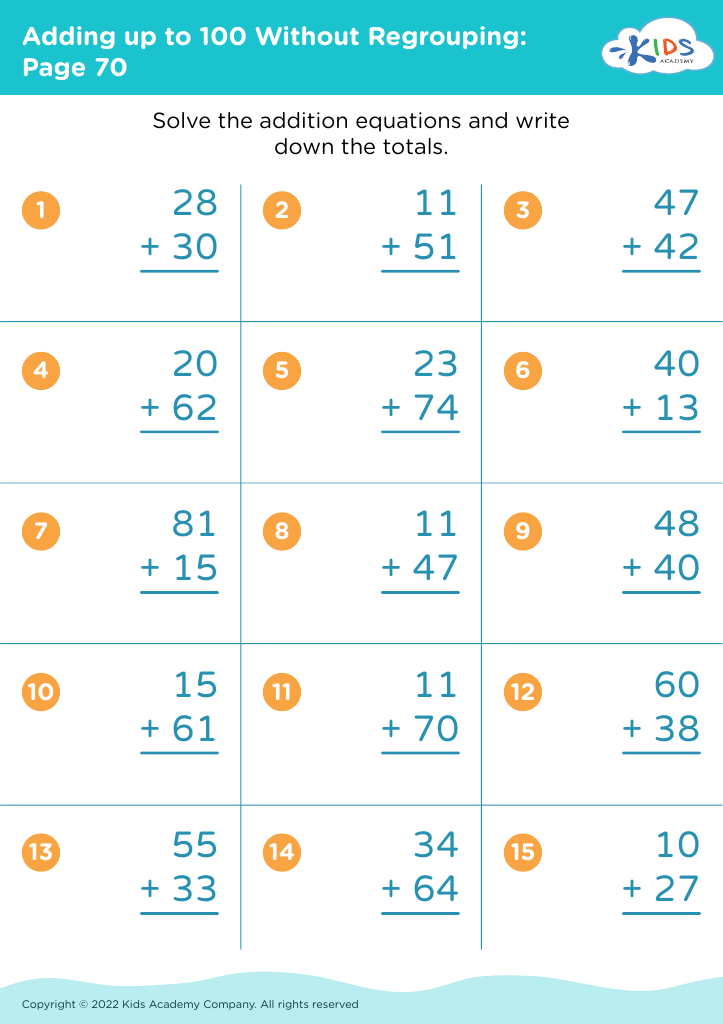
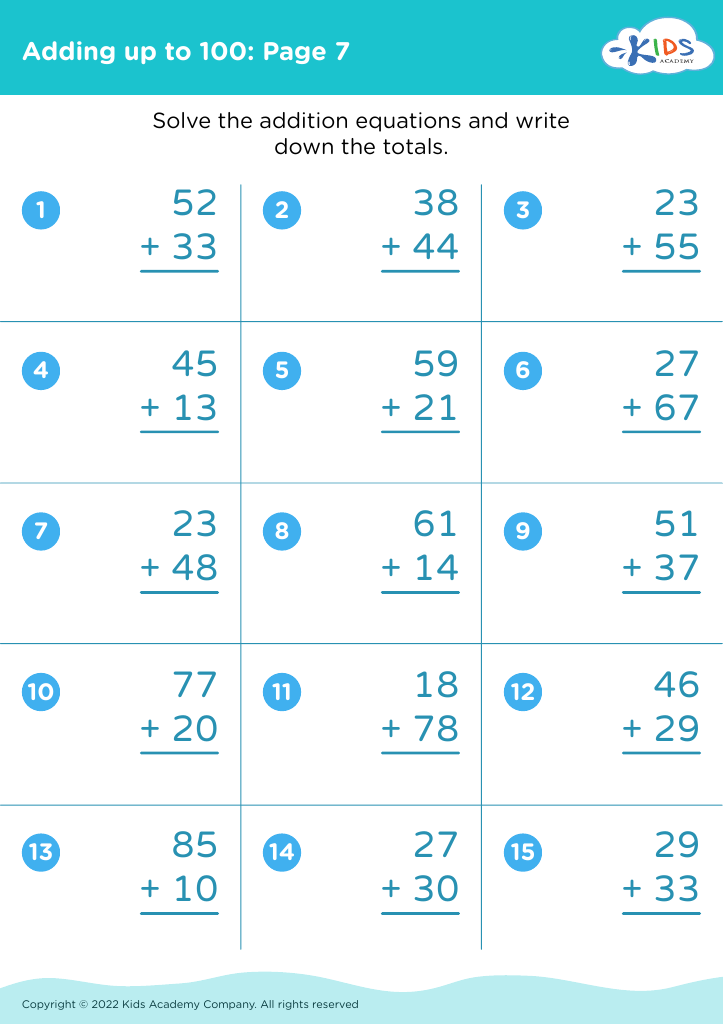








Improving number recognition, along with addition and subtraction skills, is crucial for second-grade students as it lays the foundation for their mathematical understanding. At this age, children are transitioning from basic concepts to more complex problem-solving. Strong number recognition ensures they can identify and work with numbers quickly and accurately, fostering confidence in their math abilities.
For parents and teachers, focusing on these skills promotes cognitive development and eases students into more advanced topics. Mastery of addition and subtraction enhances critical thinking, promotes logical reasoning, and encourages the development of strategies for tackling mathematical problems. It also aids in the integration of math across various subjects, such as science and economics, where quantitative skills are essential.
Moreover, an early grasp of these foundational concepts can significantly influence children's attitudes towards math, making them more enthusiastic and motivated learners. Parents and teachers can work together to create supportive environments that recognize and celebrate progress, reinforcing the importance of math skills. Ultimately, nurturing these abilities at a young age will lead to greater academic success and readiness for future learning challenges, enabling students to navigate the increasingly complex mathematical landscape they'll encounter in higher grades.