Learn subtraction Grade 2 Addition & Subtraction Worksheets
4 filtered results
-
From - To
Welcome to our Grade 2 Learn Subtraction worksheets! Designed to enhance your child’s math skills, these engaging resources focus on developing a strong understanding of subtraction concepts. Our worksheets provide a variety of fun exercises that help students practice and apply subtraction in real-life scenarios while reinforcing their addition knowledge. Each worksheet is crafted to cater to different learning styles, making math enjoyable and accessible for every young learner. With our easy-to-follow instructions and visual aids, your second grader will build confidence in their subtraction abilities. Start exploring today to ensure a solid foundation in essential math skills!
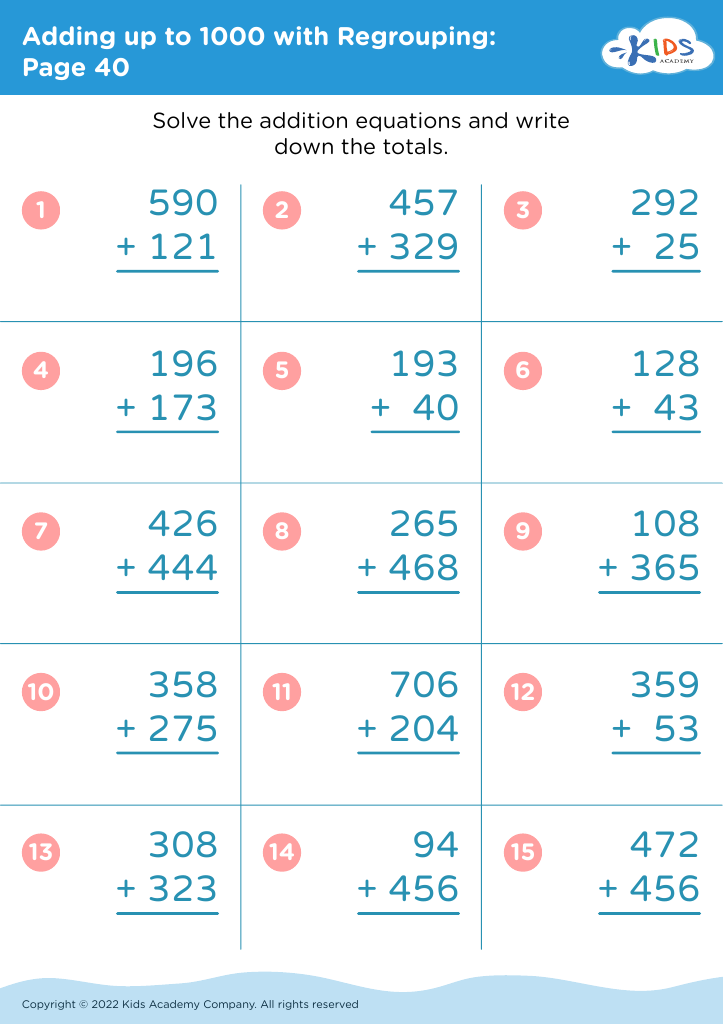
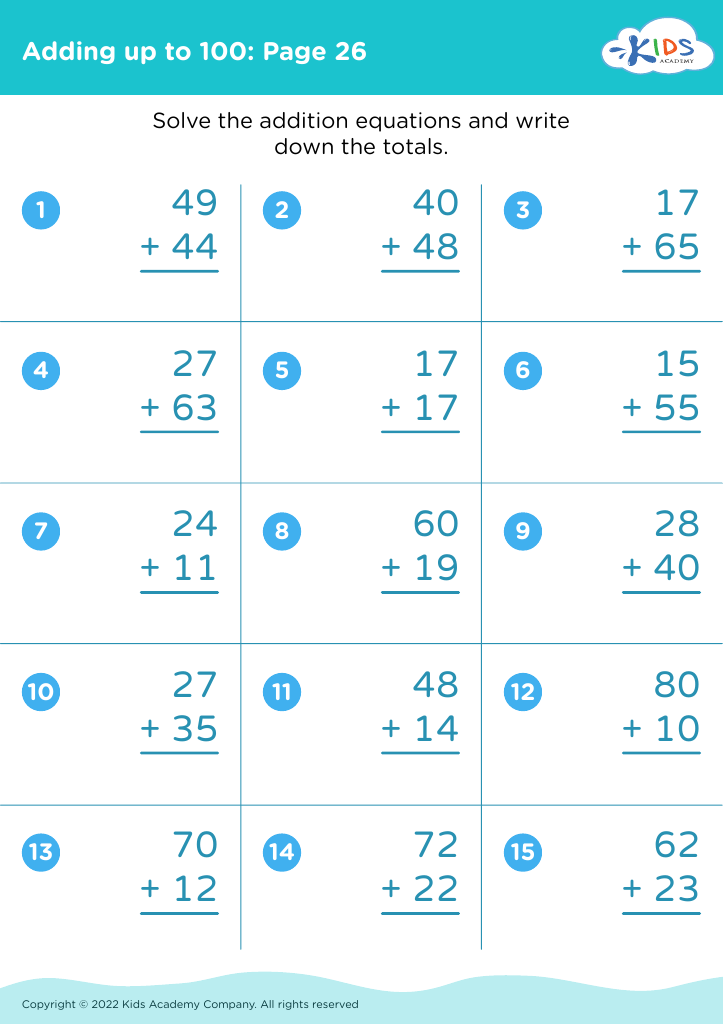
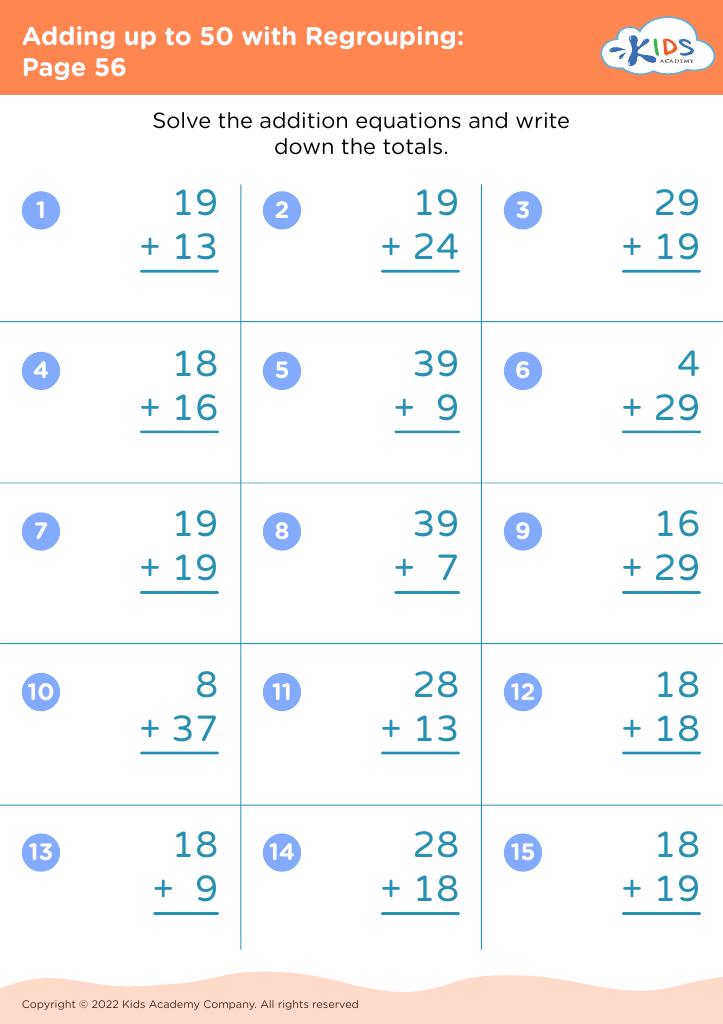
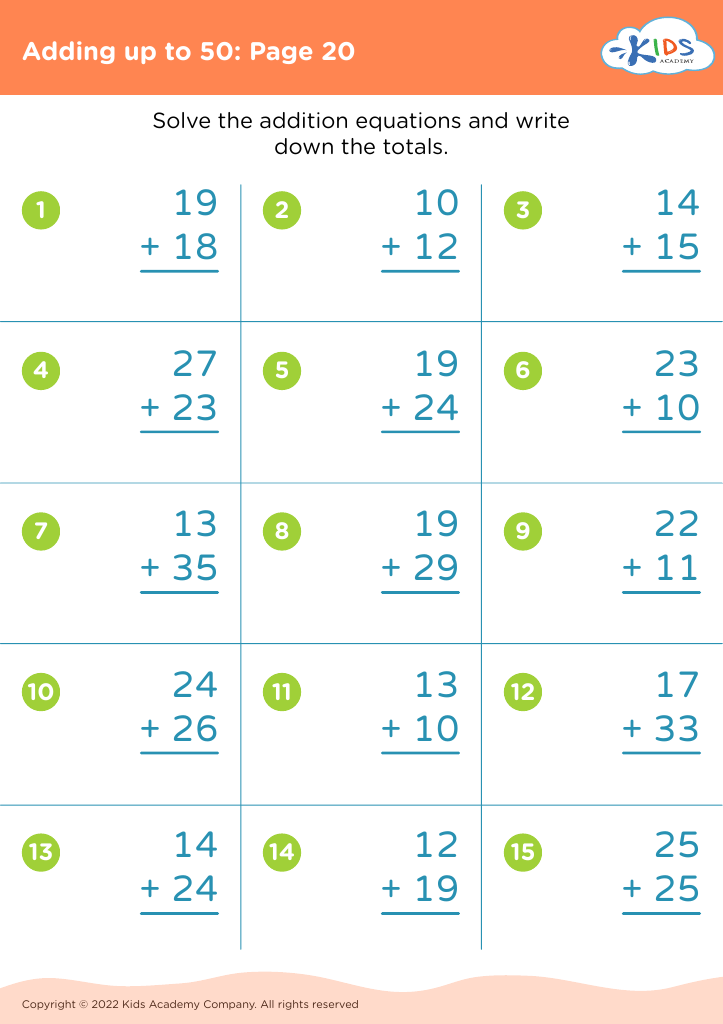








Understanding subtraction in Grade 2 is crucial for students’ overall mathematical development. This foundational skill not only supports their ability to perform calculations but also promotes critical thinking and problem-solving. When parents and teachers prioritize the learning of subtraction, they equip children with essential tools for navigating daily life and academic challenges.
At this stage, children begin to grasp the relationship between addition and subtraction, recognizing that subtraction is essentially about finding what remains. This understanding fosters a deeper comprehension of mathematical concepts and sets the stage for more complex operations in later grades. Additionally, mastery of subtraction can enhance a child’s confidence in their mathematical abilities, encouraging a positive attitude toward learning.
Moreover, subtraction is interconnected with various real-world scenarios, such as budgeting, measuring, and timing, which are invaluable life skills. By emphasizing this subject in curriculum planning and home activities, parents and teachers can ensure that students solidify these basic arithmetic skills. Engaging activities, such as games and hands-on exercises, can make learning fun and meaningful. By caring about subtraction lessons, adults are investing in the child’s academic success and helping to build a strong foundation for future mathematics learning.