Practice counting Grade 2 Addition & Subtraction Worksheets
6 filtered results
-
From - To
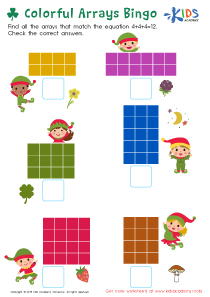
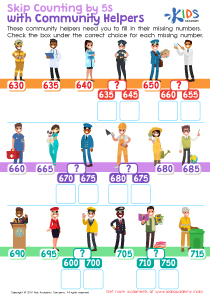
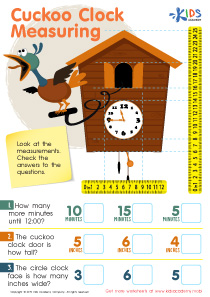
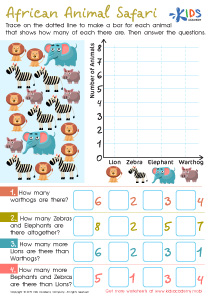
Discover engaging Grade 2 addition and subtraction worksheets designed to enhance counting skills in young learners. Our carefully crafted resources encourage students to practice key mathematical concepts while developing their number sense. These worksheets feature a variety of exercises that promote collaboration, critical thinking, and problem-solving abilities, making math fun and interactive. Ideal for classrooms and homeschooling, our printable worksheets come with colorful illustrations and diverse activities to keep children motivated. Explore our resources today and help your second graders build a strong foundation in counting, addition, and subtraction, setting them up for future math success!
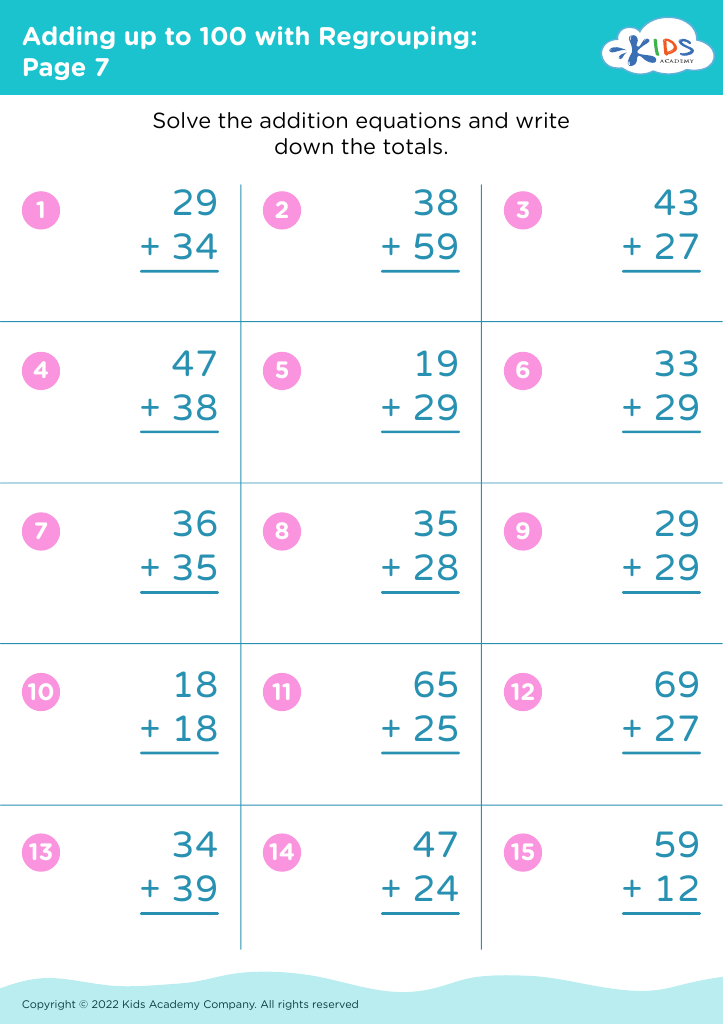
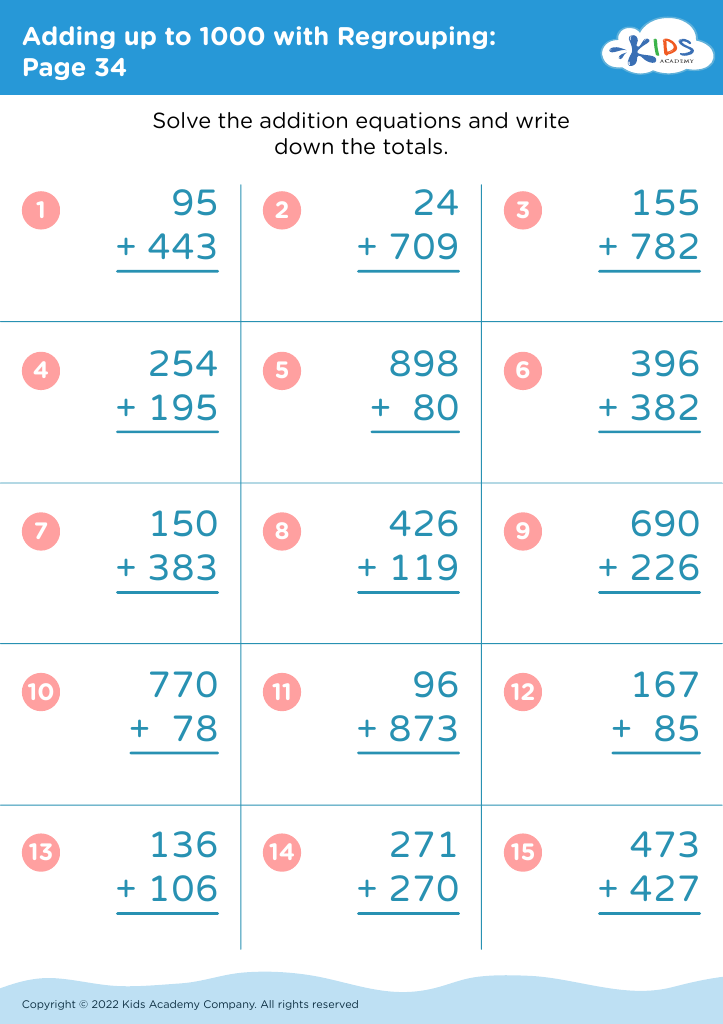
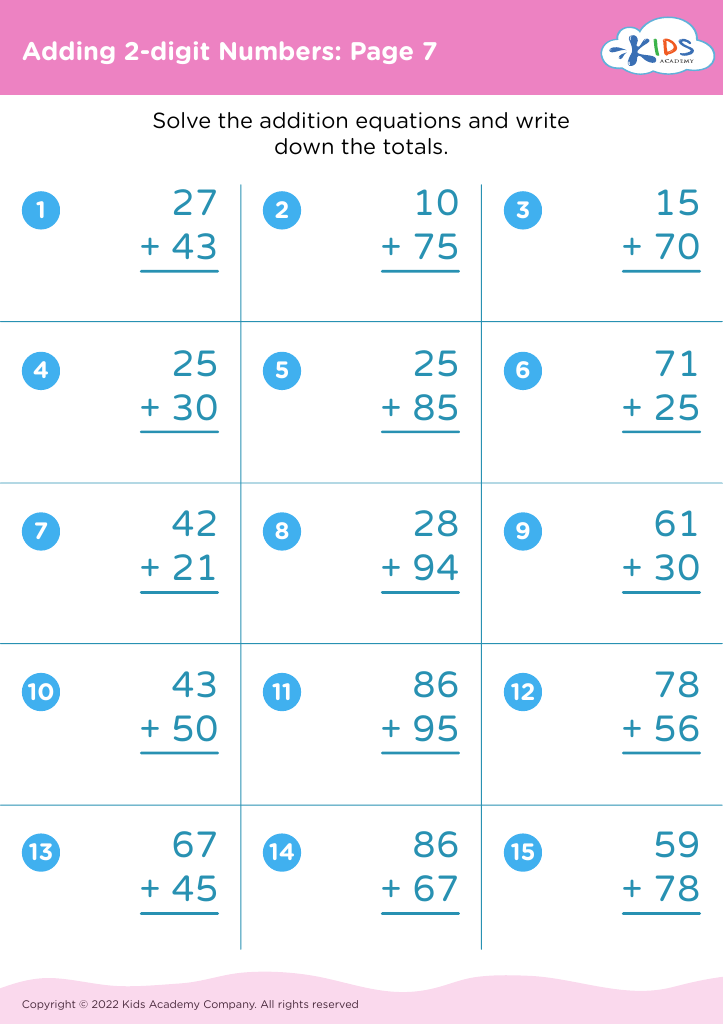
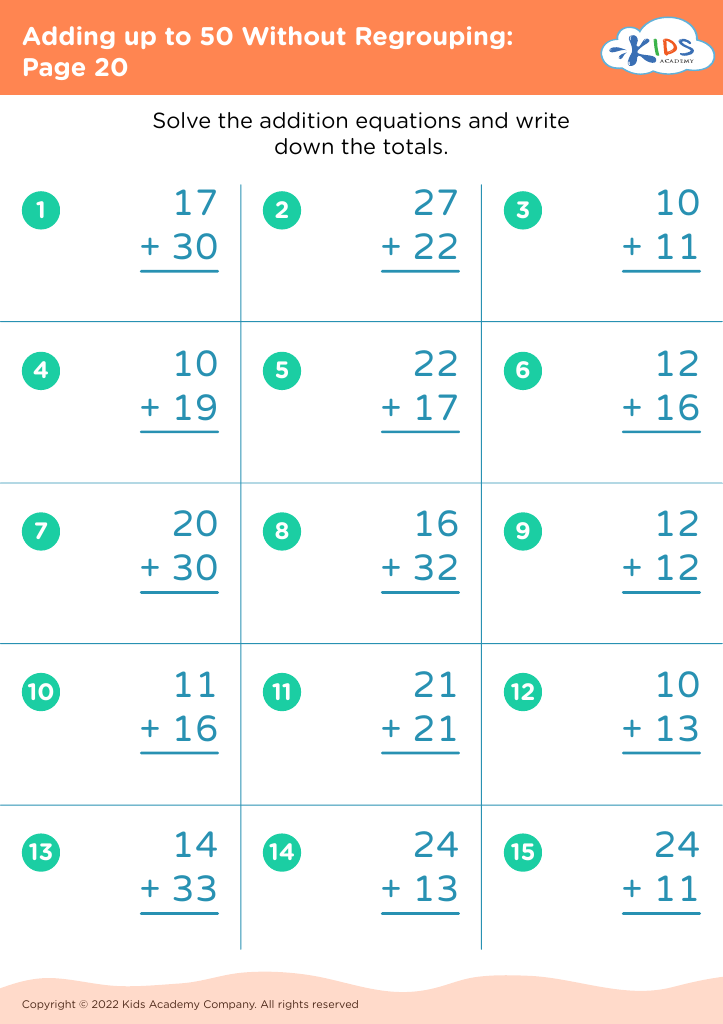
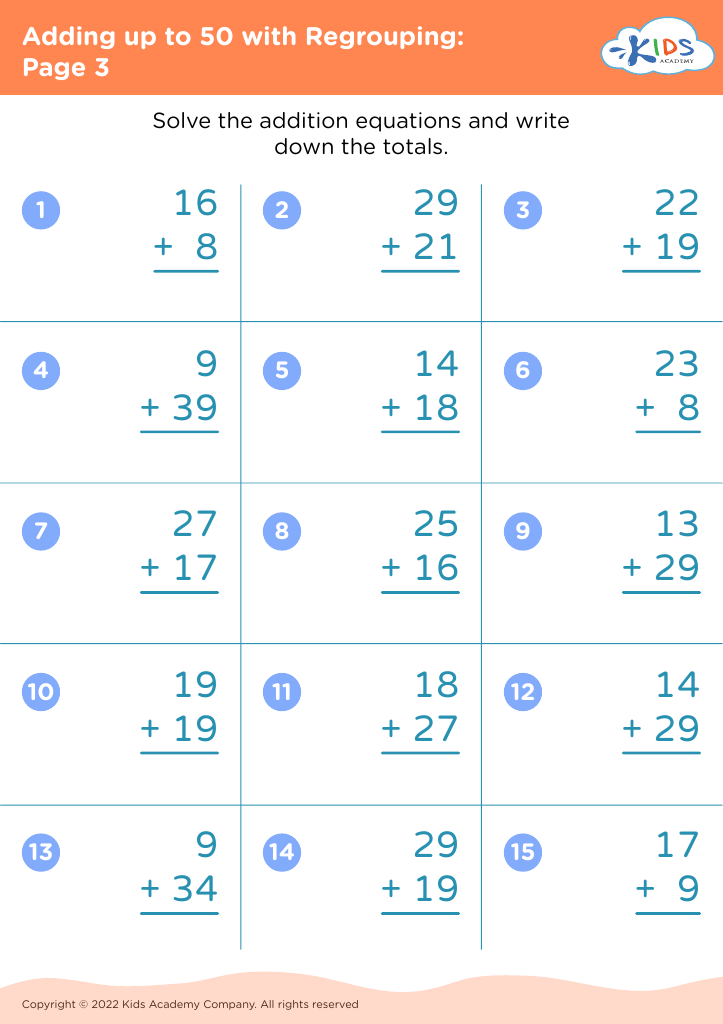
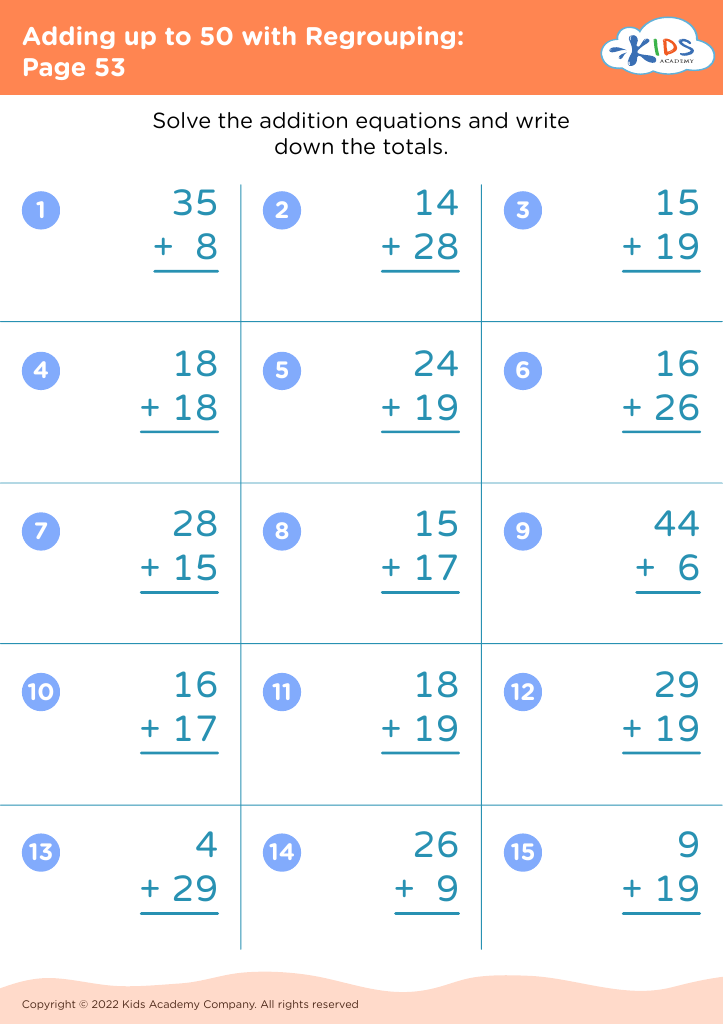








Parents and teachers should prioritize practicing counting in Grade 2 addition and subtraction for several important reasons. First, these foundational skills build the groundwork for more complex mathematical concepts students will encounter later. In Grade 2, students are transitioning from basic counting to understanding the relationships between numbers, which is crucial for problem-solving and critical thinking.
Additionally, consistent practice helps reinforce number sense, allowing students to quickly recall simple sums and differences. This fluency is essential not only for success in mathematics but also for daily life applications such as budgeting, cooking, or measuring. Through engaging activities and games, parents can foster a positive attitude toward math, encouraging students to view it as a fun and valuable skill rather than a chore.
Moreover, supporting children in their mathematical journey helps to boost their confidence and self-esteem. When students develop strong counting and computation skills, they feel more empowered in the classroom setting. Lastly, collaboration between parents and teachers emphasizes a unified approach to learning, reinforcing the importance of academic growth in a supportive environment. Ultimately, nurturing strong addition and subtraction skills leads to a well-rounded education, preparing children for various challenges ahead.