Problem-solving practice Grade 2 Addition & Subtraction Worksheets
13 filtered results
-
From - To
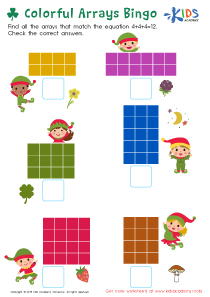
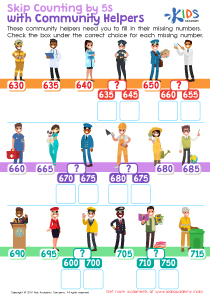
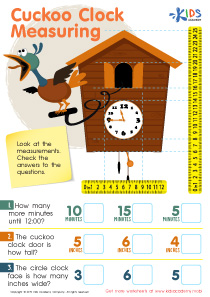
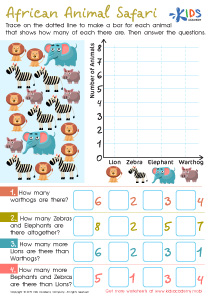
Enhance your second grader’s math skills with our engaging Problem-Solving Practice Addition & Subtraction Worksheets! Tailored specifically for Grade 2 learners, these worksheets offer a variety of challenging scenarios that promote critical thinking and math fluency. Students will navigate real-world problems, developing their ability to add and subtract with confidence. Our resources foster independent learning while reinforcing essential skills needed for academic success. Perfect for classroom activities or at-home practice, these worksheets are designed to keep kids motivated and excited about math. Help your child build a strong foundation in problem-solving with our fun and interactive printable worksheets today!
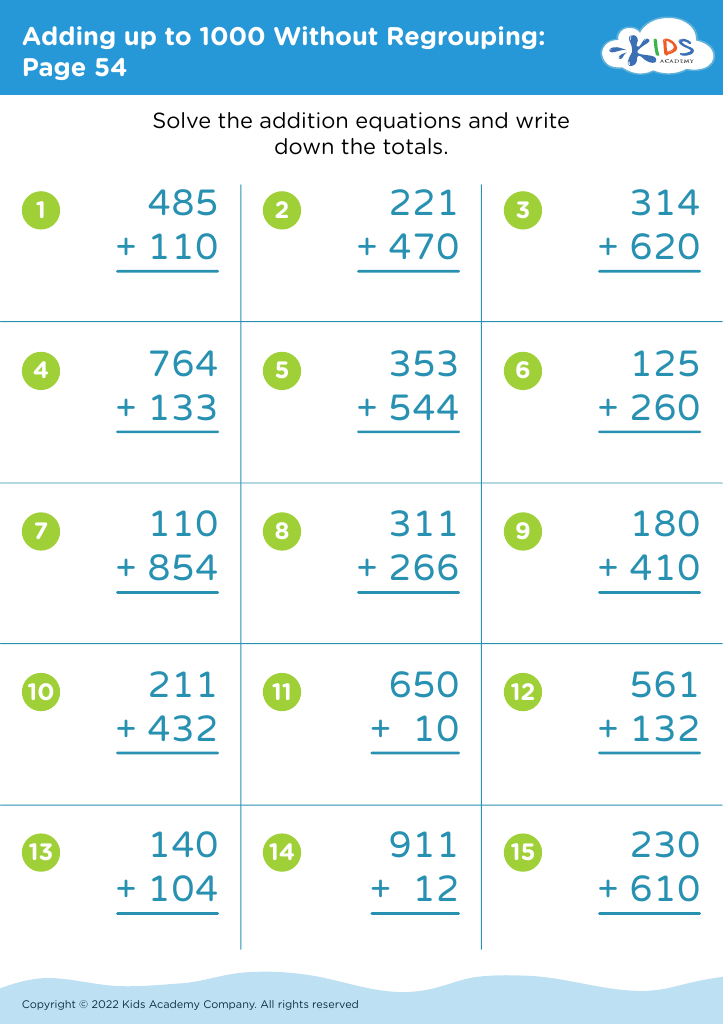
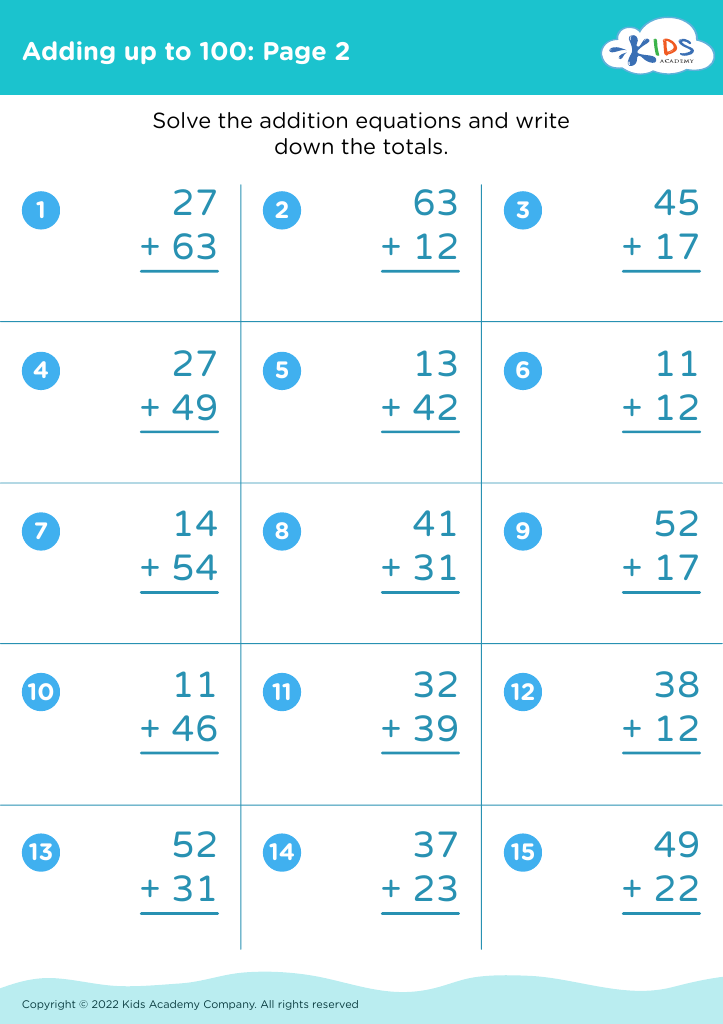
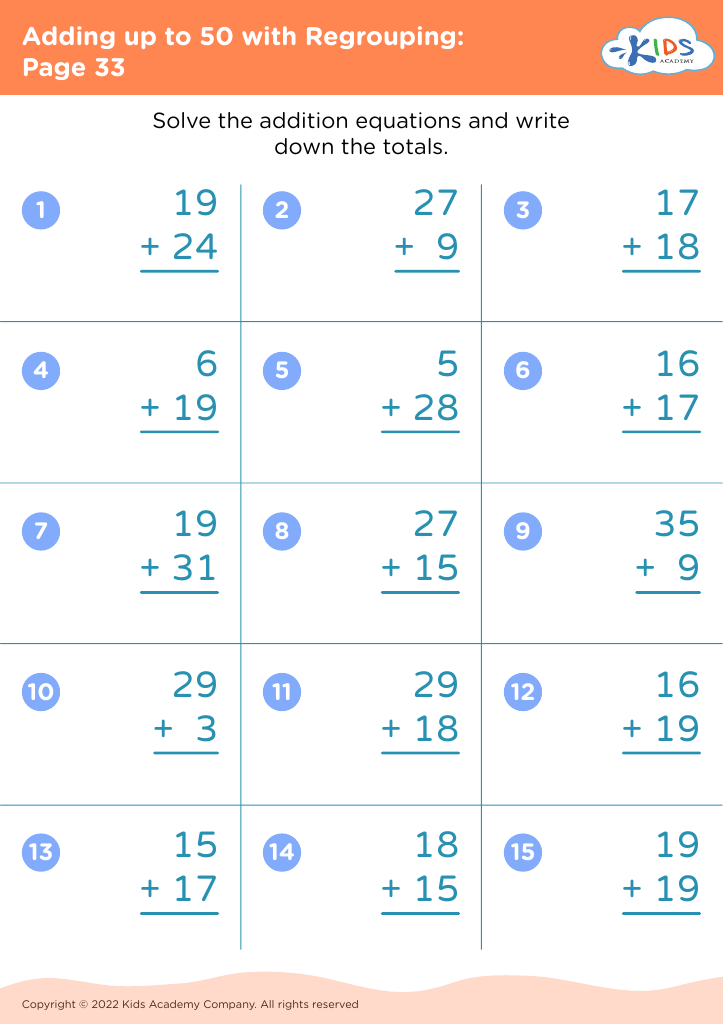
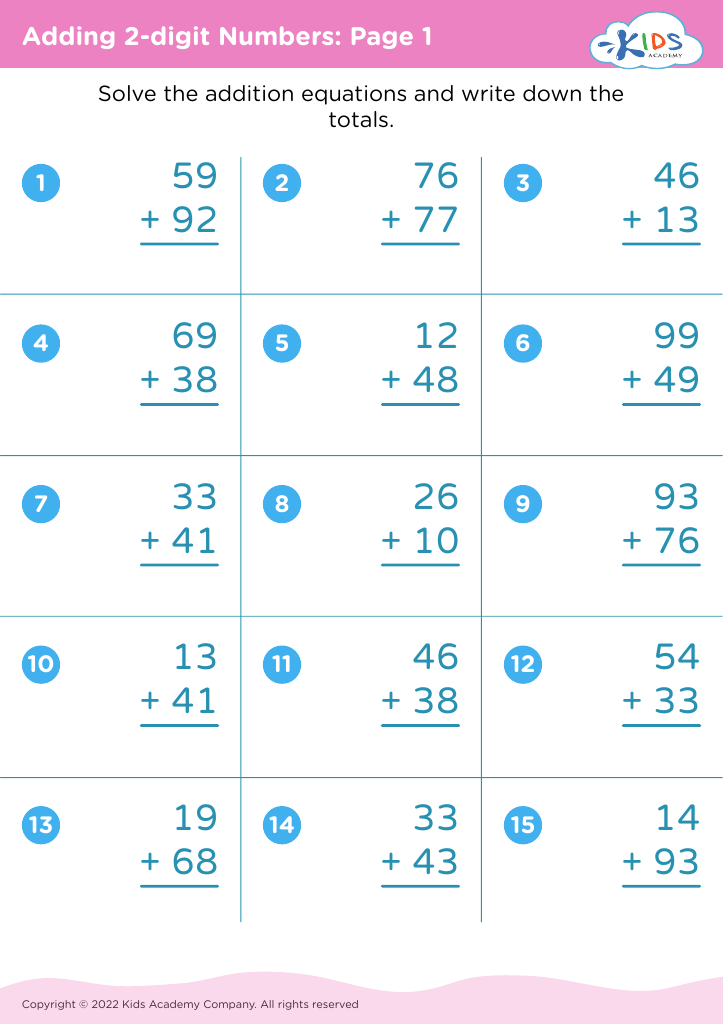
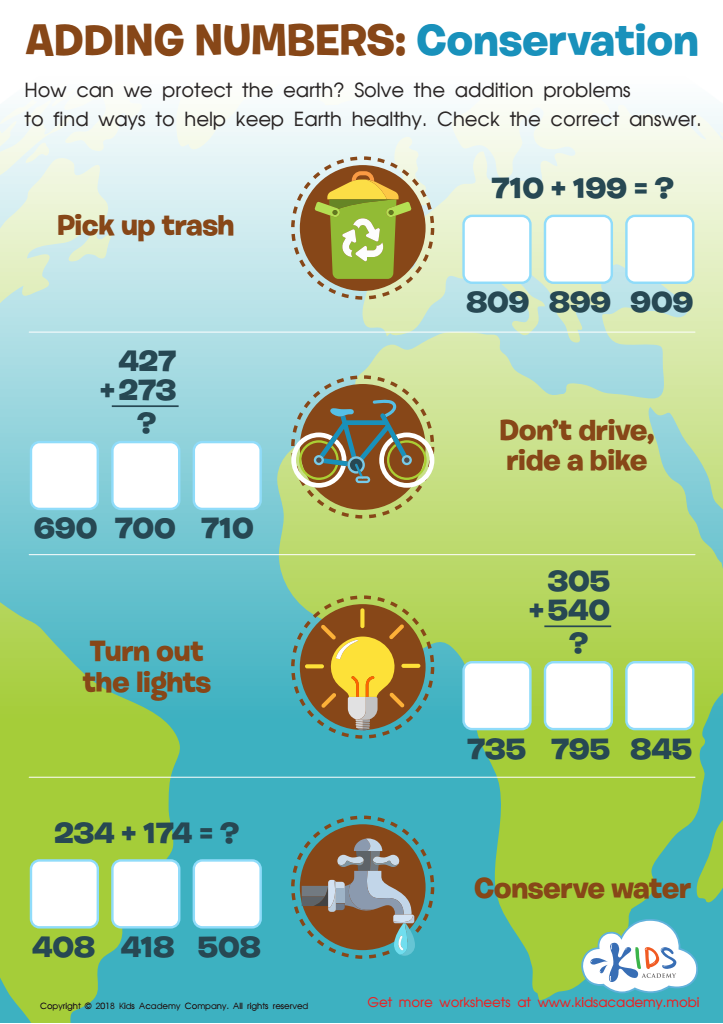
Adding Numbers: Conservation Worksheet
 Assign to My Students
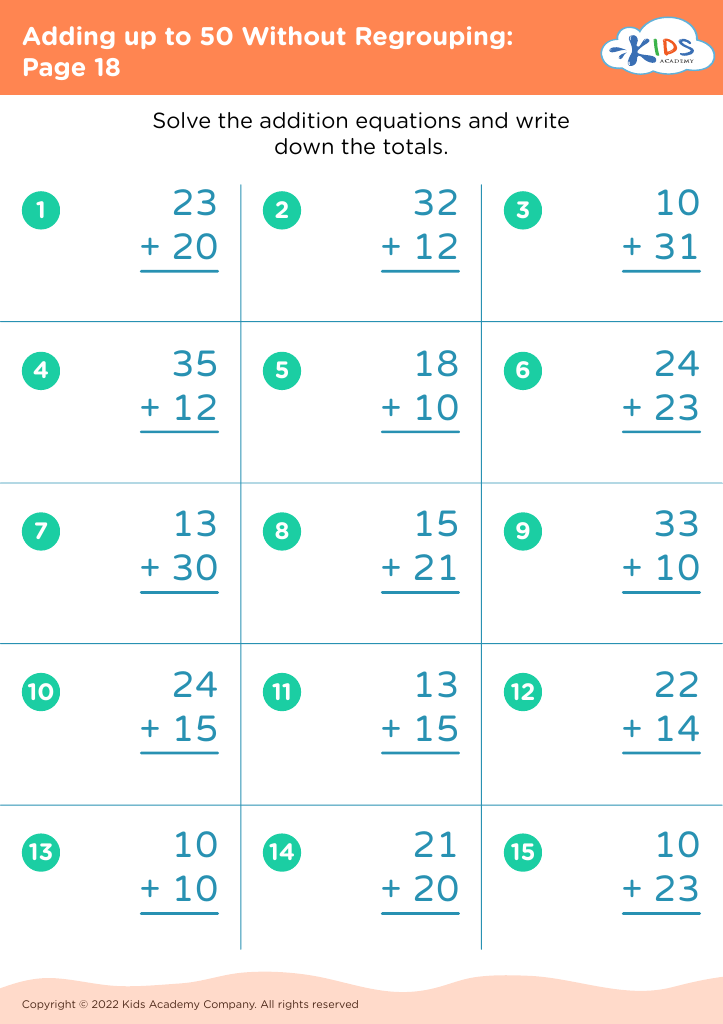
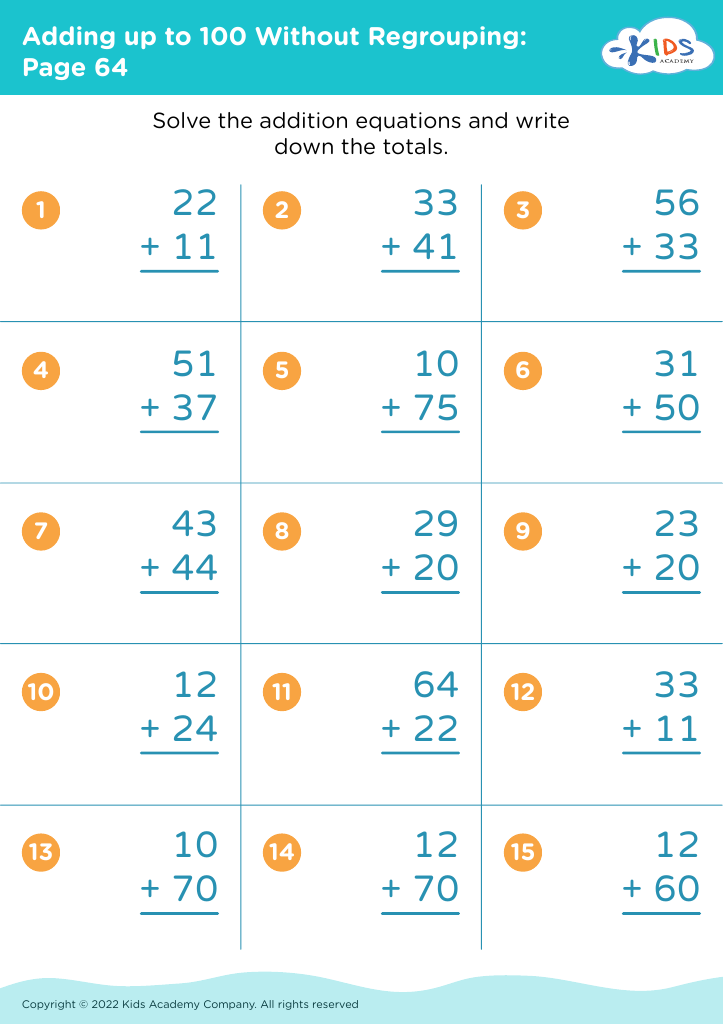
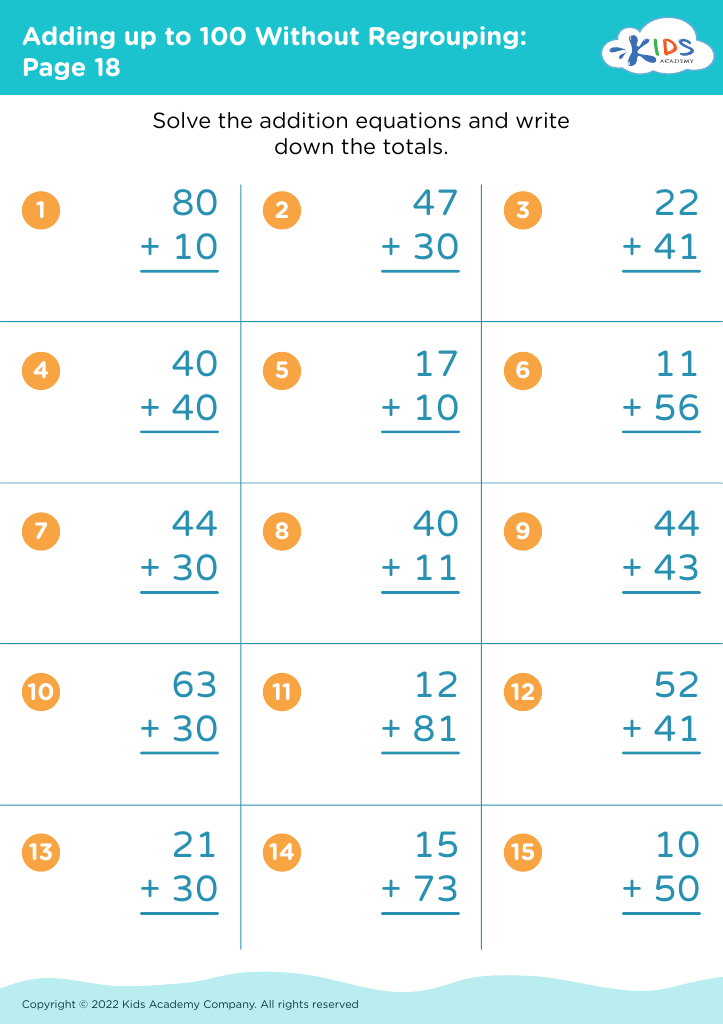
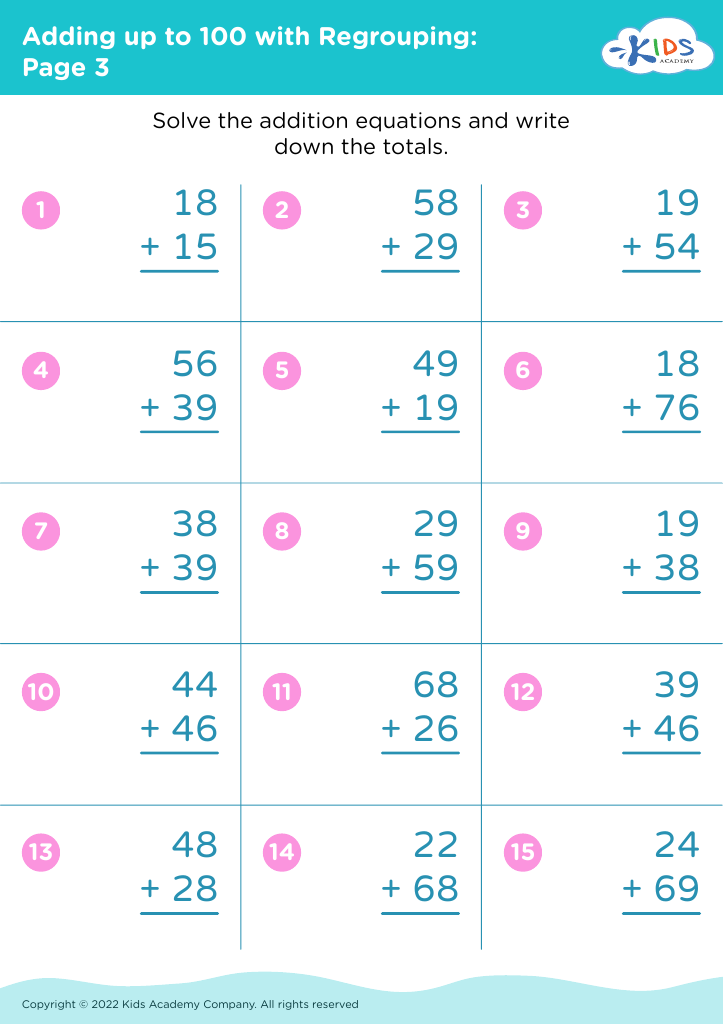
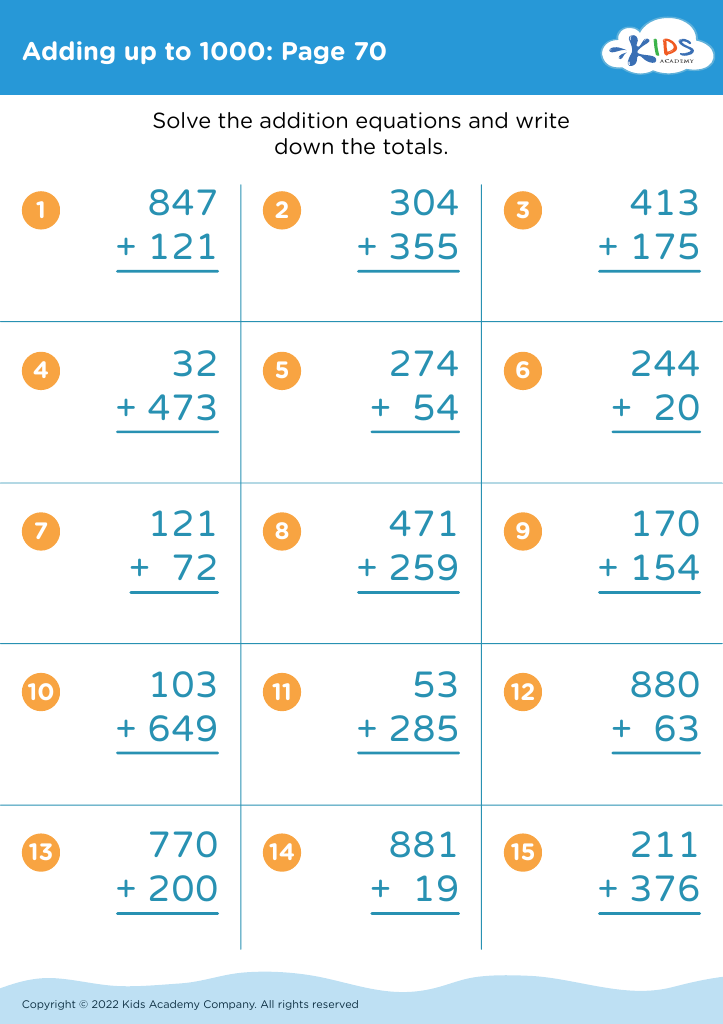
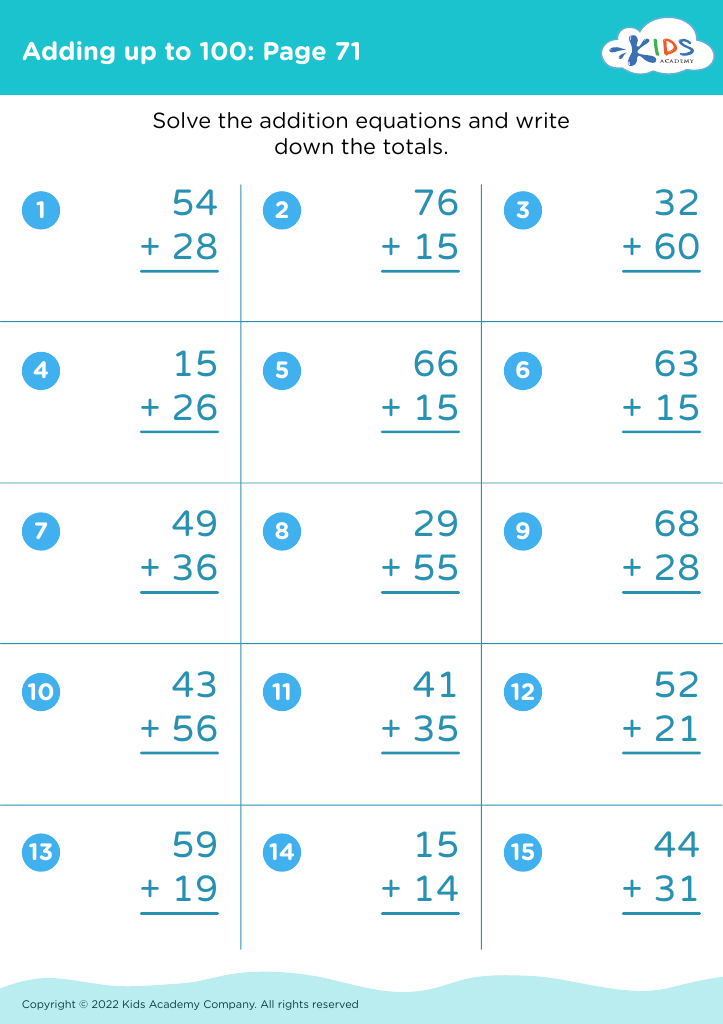
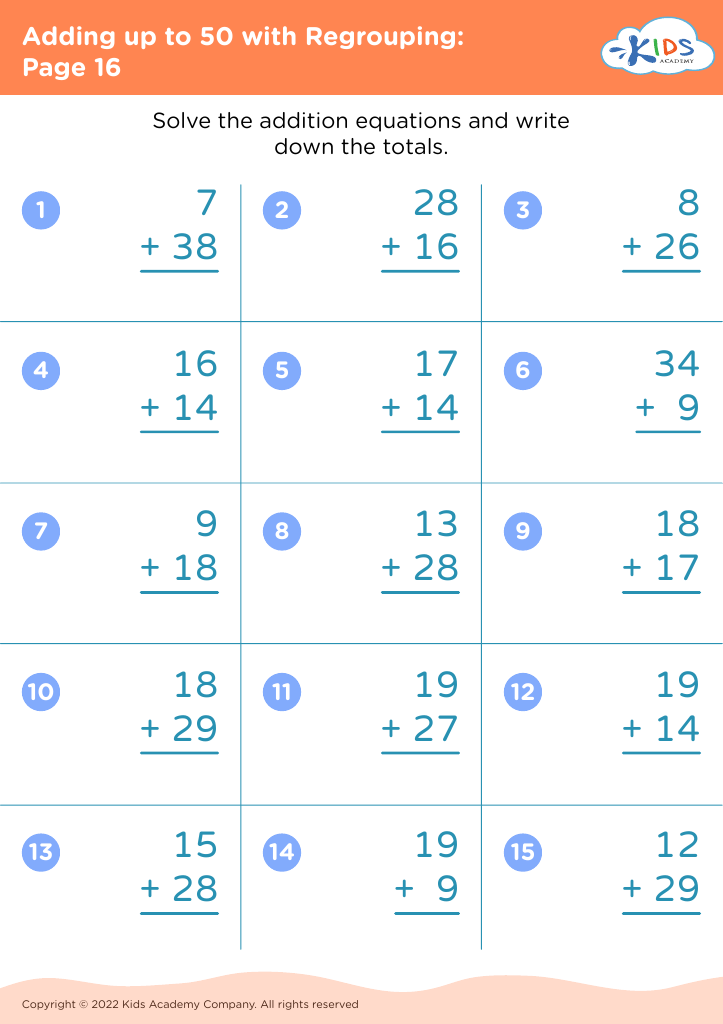
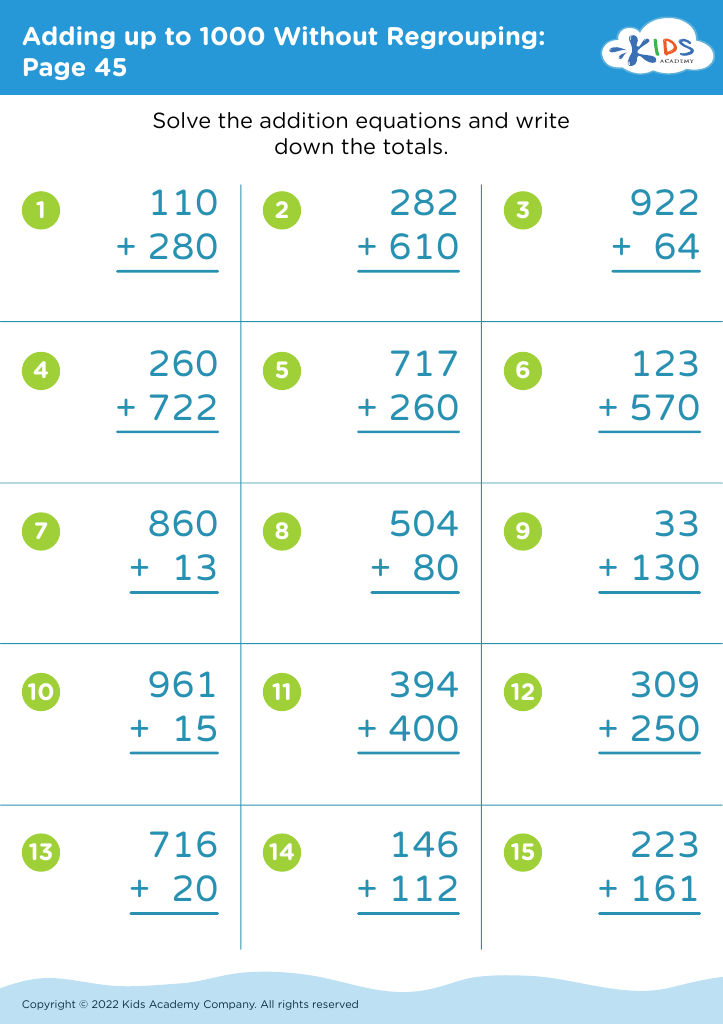








Parents and teachers should prioritize problem-solving practice in Grade 2 addition and subtraction as it builds foundational mathematical skills essential for students' academic success. At this stage, children start to develop critical thinking abilities and a deeper understanding of numbers. Through solving real-life problems, they learn to apply math concepts in practical situations, bridging the gap between abstract numbers and tangible experiences.
Additionally, problem-solving fosters persistence and resilience, encouraging students to approach challenges with a positive mindset. This not only enhances their math proficiency but also equips them with valuable skills applicable in various areas of life. Engaging in collaborative problem-solving activities with peers promotes communication and teamwork, both vital skills in today’s interconnected world.
Moreover, mastering addition and subtraction lays the groundwork for more complex mathematical concepts in higher grades. By incorporating engaging problem-solving activities, educators and parents can ignite students' interests in math, making learning both fun and meaningful. Ultimately, supporting problem-solving practice in early education empowers young learners to become confident, independent thinkers, setting them on a path to lifelong success in mathematics and beyond.