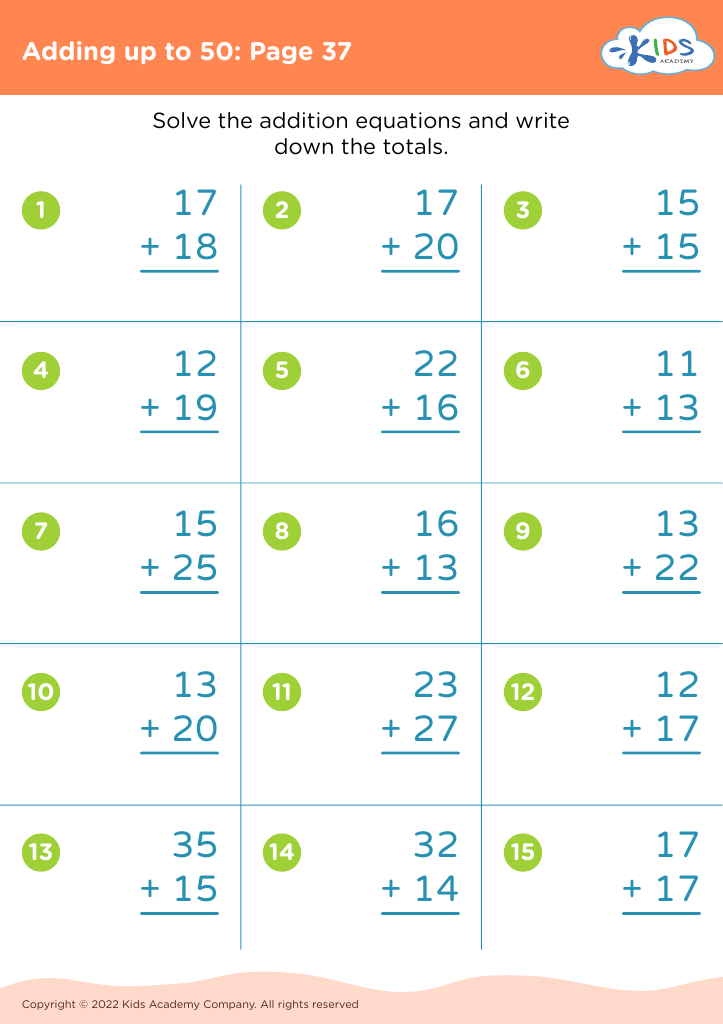
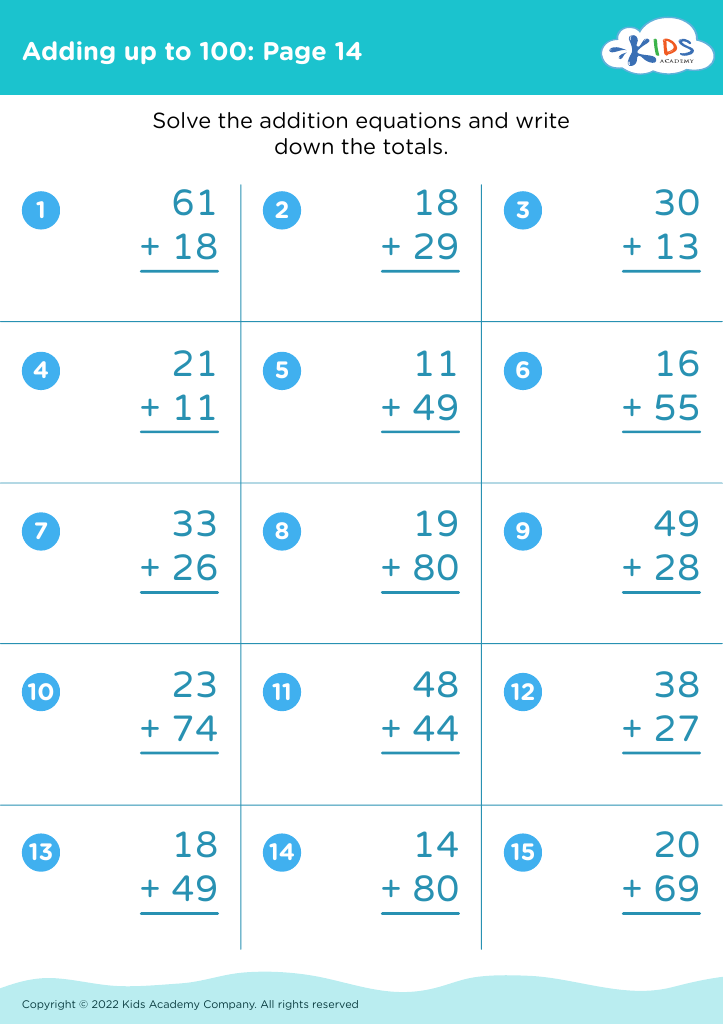
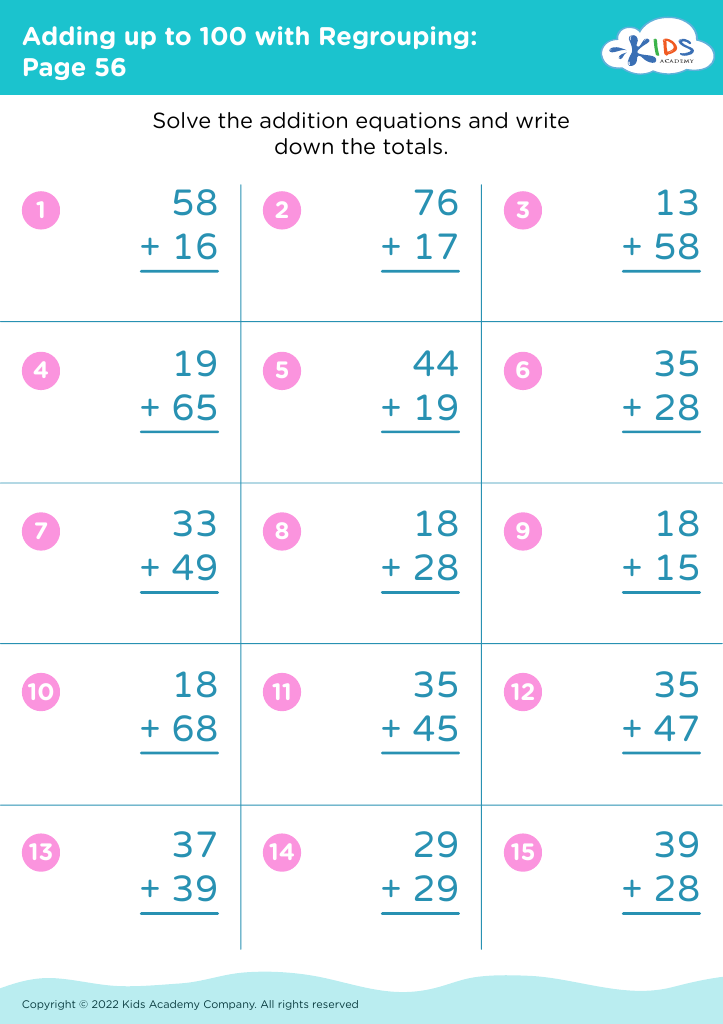
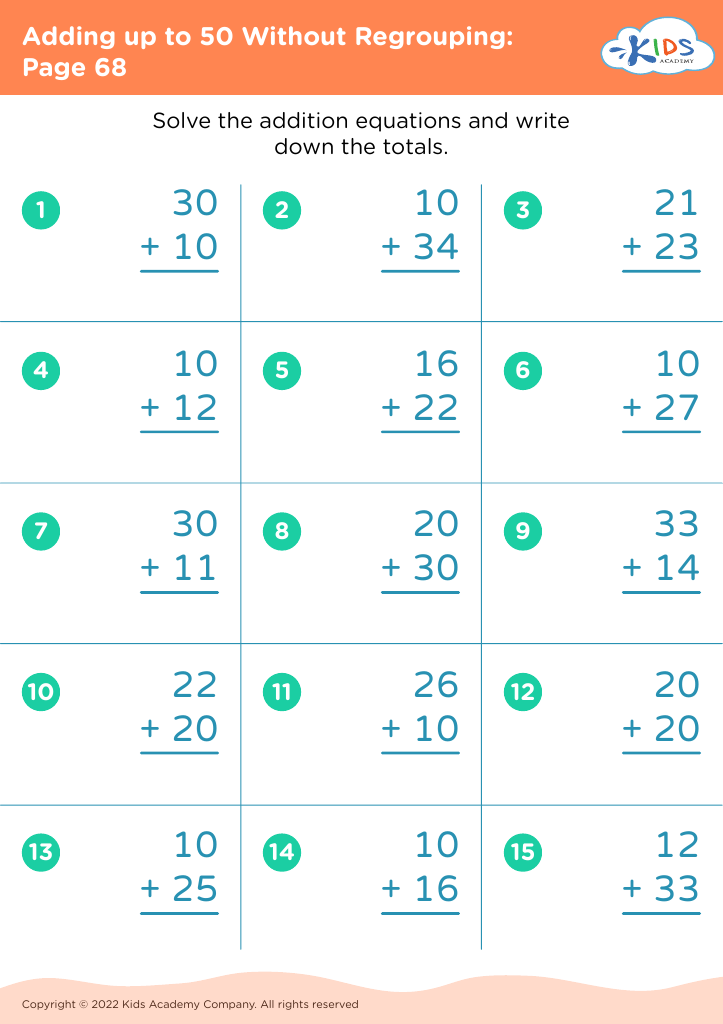






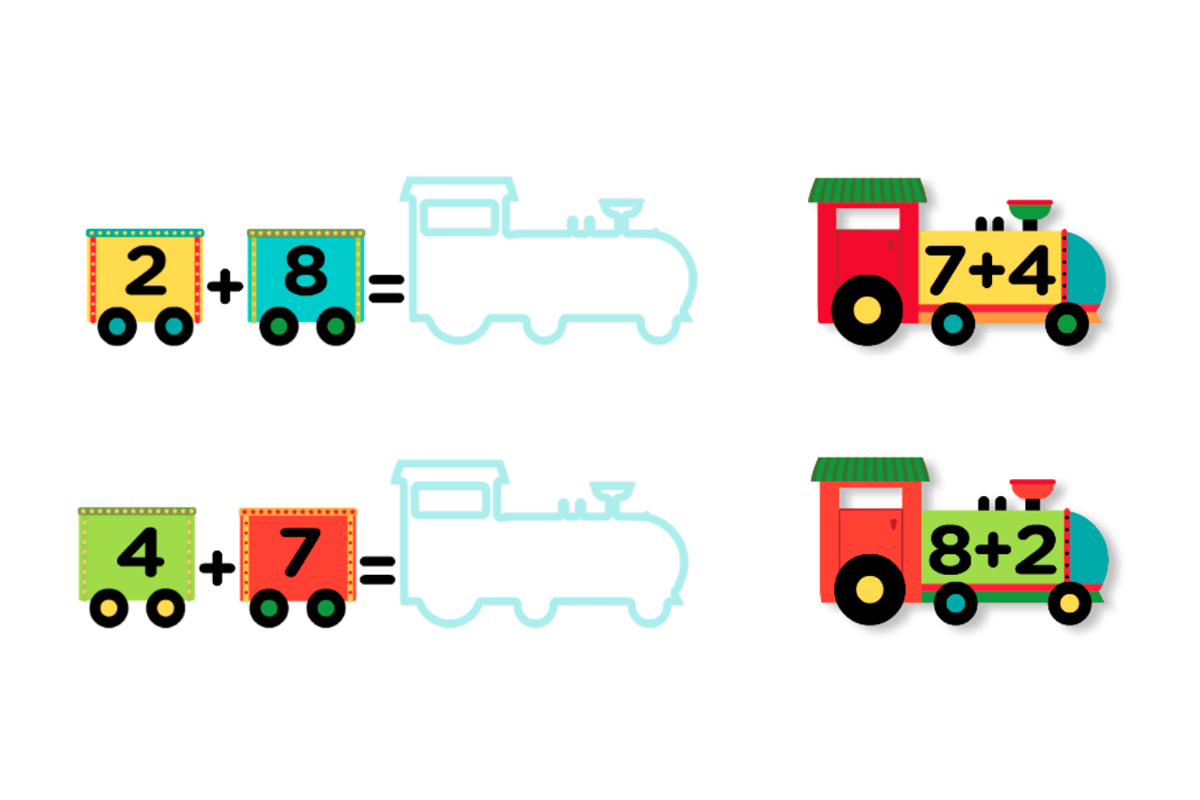

Recognizing shapes and mastering addition and subtraction are essential building blocks for a child’s academic and cognitive development in Grade 2. Understanding shapes enhances spatial awareness, which is crucial not only in mathematics but in everyday life, helping children navigate their environment and make sense of their world. Additionally, recognizing shapes aids in developing problem-solving skills and logical thinking.
Moreover, addition and subtraction are foundational skills that underpin all future mathematical concepts. Proficiency in these operations fosters confidence and a sense of achievement, making students more eager to learn complex topics later on, such as multiplication and division.
For teachers and parents, fostering these skills can set the stage for success. It promotes critical thinking skills and helps students develop perseverance. Encouraging exploration with shapes, whether through puzzles or real-life applications, reinforces learning and keeps students engaged.
Furthermore, a strong grasp of these concepts encourages students to visualize problems, leading to more effective problem-solving strategies. Involved parents and attentive teachers can create a rich learning environment that values both relational understanding of mathematics and the hands-on exploration of shapes, ultimately preparing children for ongoing success in their educational journeys.