Understanding directions Grade 2 Addition & Subtraction Worksheets
3 filtered results
-
From - To
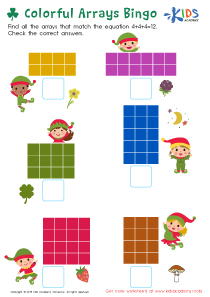
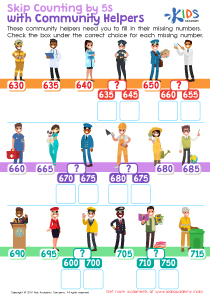
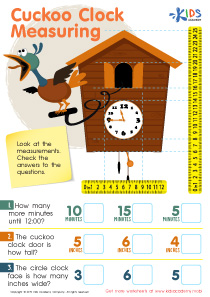
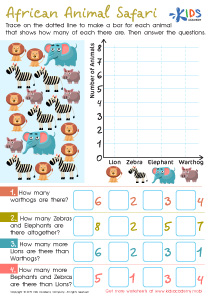
Enhance your second grader's math skills with our "Understanding Directions Grade 2 Addition & Subtraction Worksheets." These engaging worksheets focus on building essential addition and subtraction skills while teaching kids to follow complex directions. Perfectly tailored for young learners, each activity combines clear instructions with fun, interactive math problems. Children will gain confidence as they successfully solve equations and navigate challenges. Our worksheets not only promote mathematical proficiency but also improve literacy by encouraging students to read and comprehend directions carefully. Foster both math and reading growth with these thoughtfully designed resources.
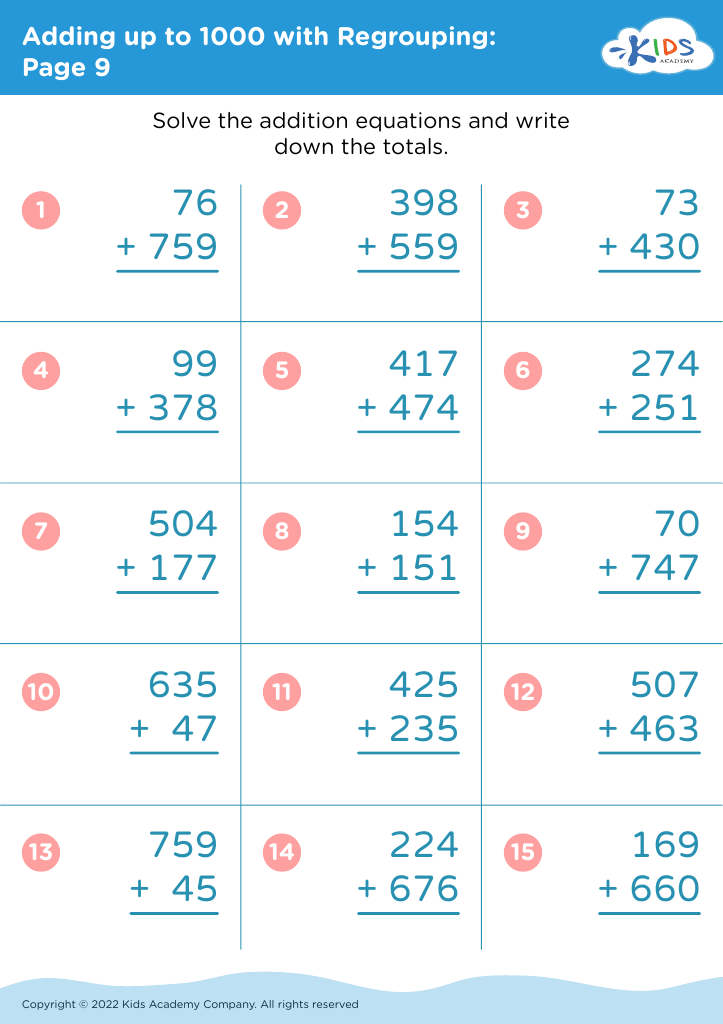
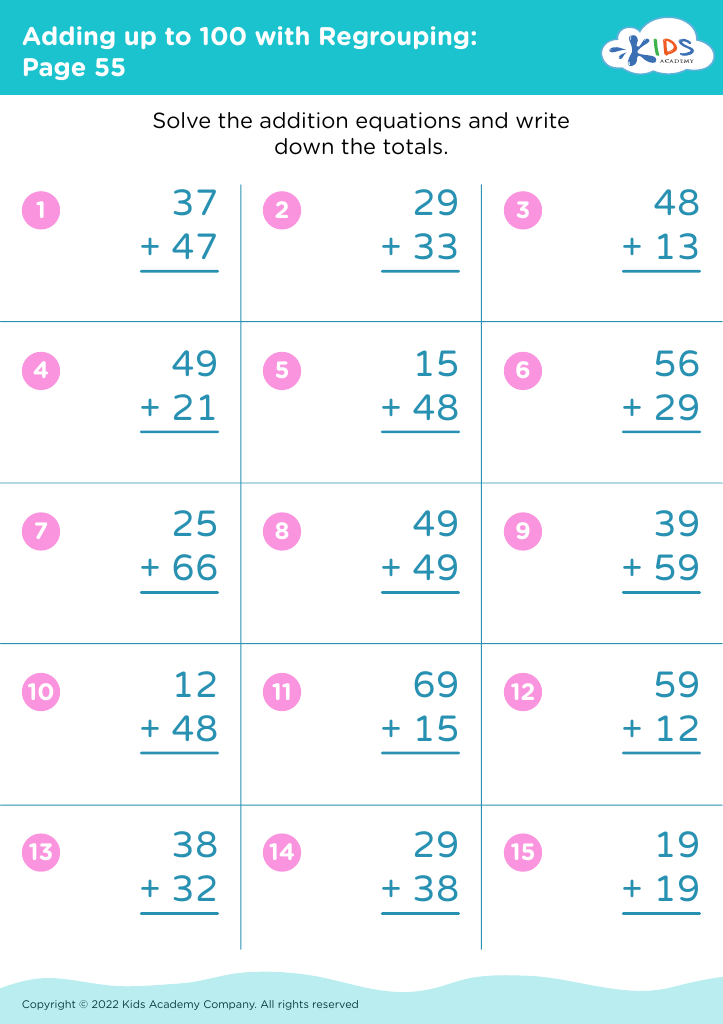
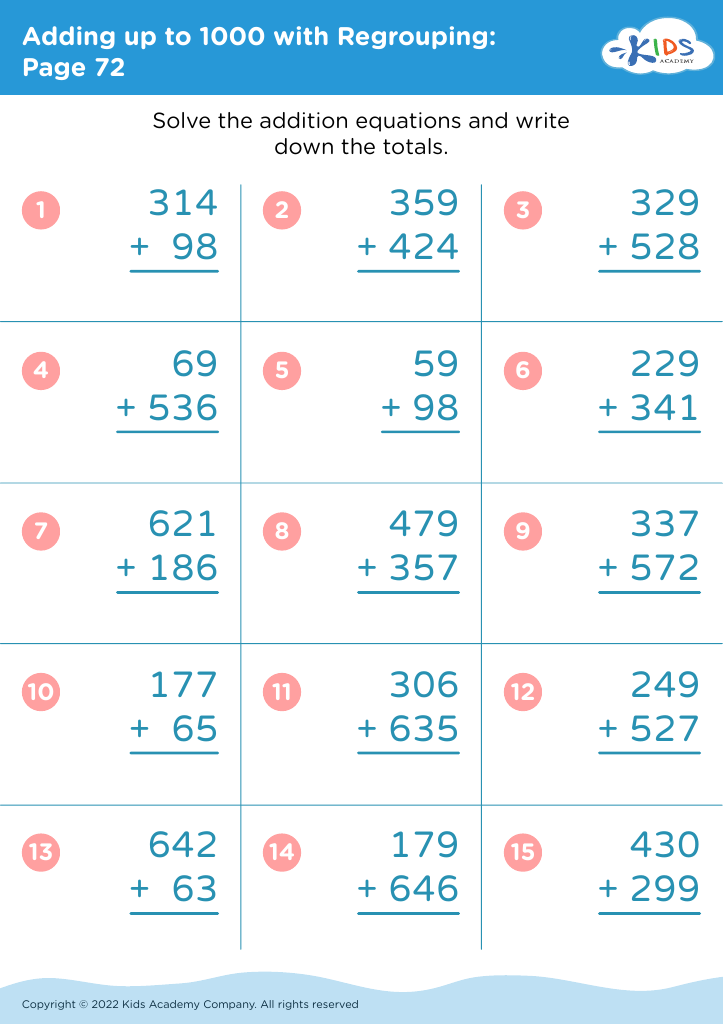








Understanding directions for Grade 2 addition and subtraction is crucial for both parents and teachers because it forms the foundation for a child's future math skills. At this stage, children are beginning to transition from simple counting to more complex mathematical concepts. Directions help guide them through this process, ensuring they understand the steps needed to successfully add or subtract numbers.
When children accurately follow directions, they develop a structured approach to problem-solving, which enhances their critical thinking skills. This lays the groundwork for tackling more advanced math problems later on. Additionally, clear directions can prevent frustration and build confidence. When children know exactly what’s expected of them, they can focus more on mastering the skill rather than figuring out what to do next.
For parents, being involved in understanding and reinforcing these directions helps create a consistent learning environment at home, mirroring what the child experiences in school. This collaboration can significantly boost a child's academic performance and attitudes towards learning. For teachers, providing clear and concise directions ensures that each student has an equal opportunity to succeed, minimizes misunderstandings, and facilitates smoother classroom management.
Ultimately, investing time in ensuring that children understand and can follow directions in Grade 2 math is an investment in their academic success and their overall problem-solving abilities.