Understanding number sequences Grade 2 Addition & Subtraction Worksheets
4 filtered results
-
From - To
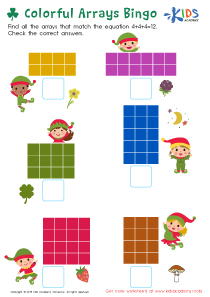
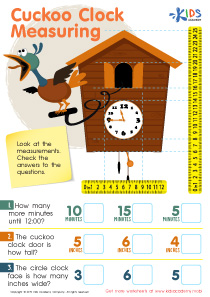
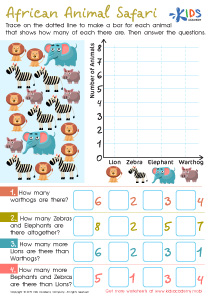
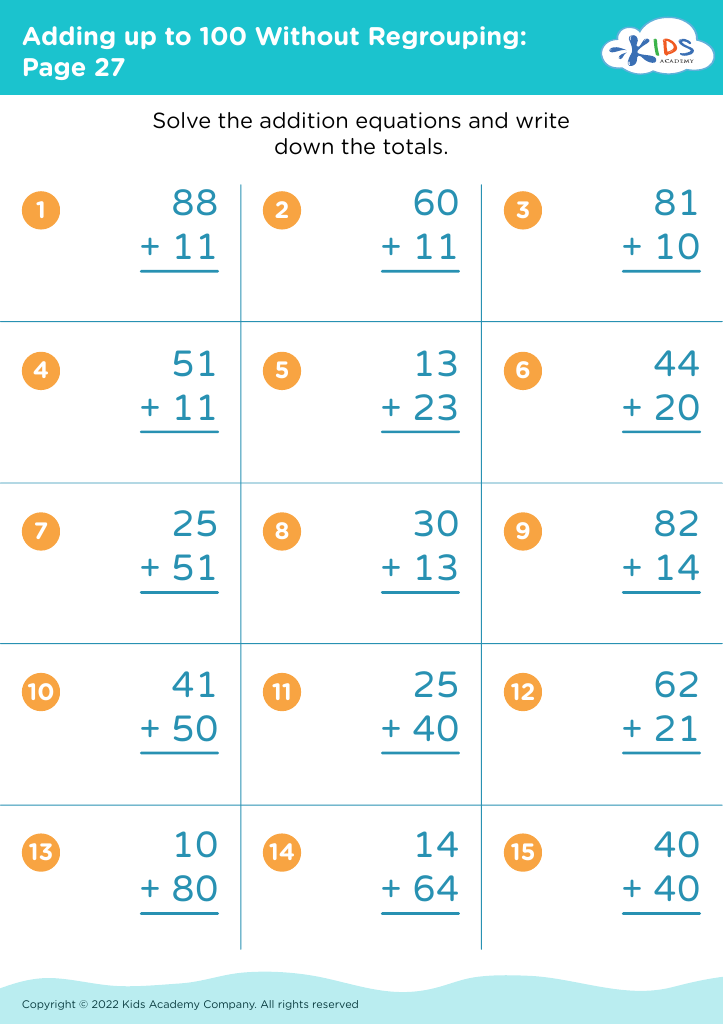
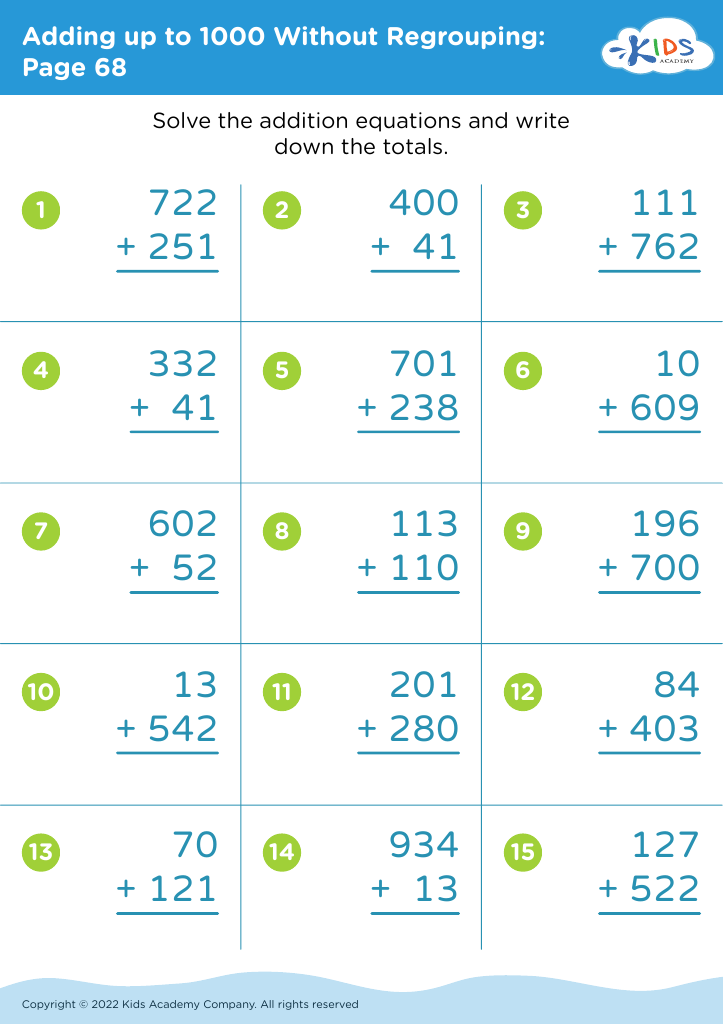
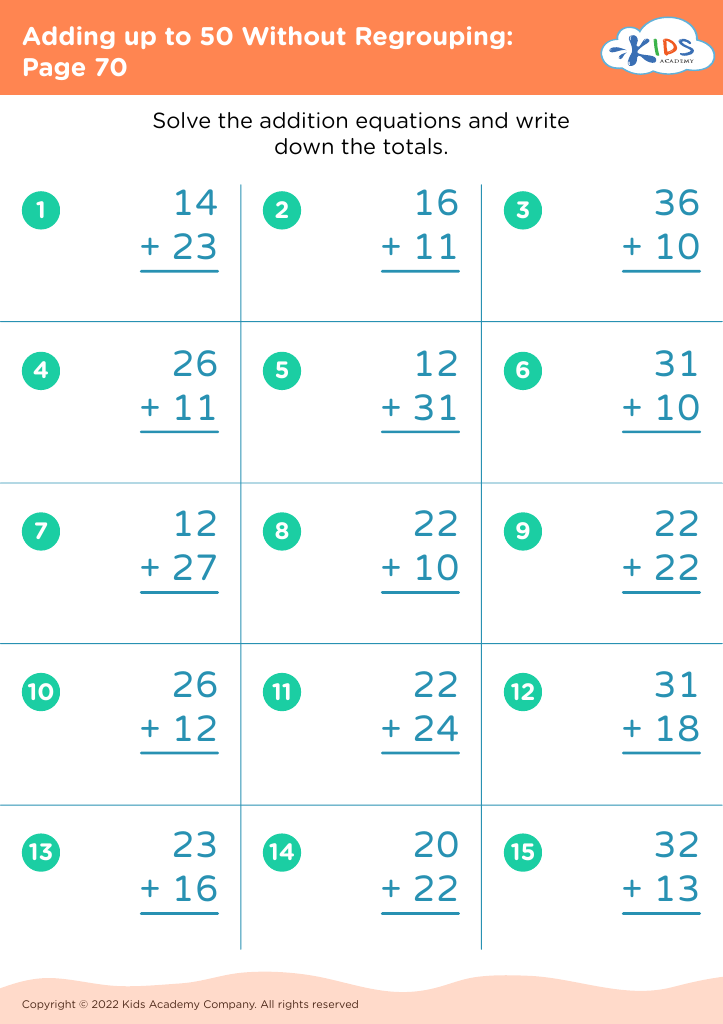
Welcome to our "Understanding Number Sequences" worksheets for Grade 2! Designed to enhance students’ math skills, these engaging addition and subtraction activities enable young learners to grasp the concept of number sequences. Students will enjoy identifying patterns, completing sequences, and reinforcing their understanding of numbers through fun exercises. Our worksheets cater to various learning styles, ensuring every child can succeed in mastering these essential math skills. Perfect for both classroom and home use, these resources foster confidence and proficiency in mathematics. Empower your second grader today with our printable worksheets focused on building a strong foundation in numeracy!
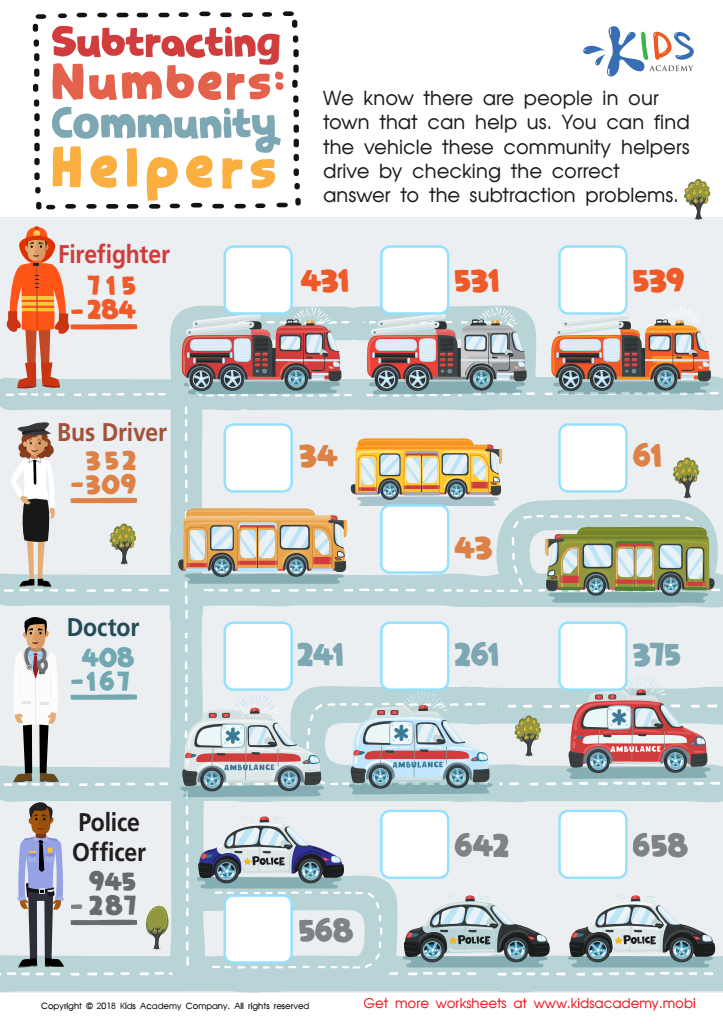
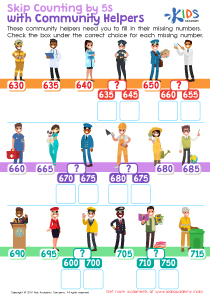
Subtracting Numbers: Community Helpers Worksheet
 Assign to My Students








Understanding number sequences in Grade 2, specifically related to addition and subtraction, is crucial for several reasons. First, number sequences build a strong foundation for mathematical reasoning. At this age, children are transitioning from basic counting to more complex operations, and recognizing patterns in sequences helps them grasp concepts such as skip counting, which is foundational for multiplication.
Furthermore, mastering addition and subtraction number sequences enhances students' fluency in these operations. When children can see and articulate the relationships within sequences, they develop a more intuitive understanding of numbers, helping them solve problems more efficiently. This elementary knowledge empowers them to tackle more advanced math as they progress.
Parents and teachers play a vital role in supporting this understanding. Engaging children with fun activities and games that involve number sequences can make learning enjoyable and effective. Additionally, observing a child's comfort level with sequences allows teachers and parents to identify areas that may need further reinforcement, aiding in individualized learning approaches.
Ultimately, as students develop a solid grasp of number sequences, they gain confidence in their mathematical abilities, setting them up for success in future grades and real-life problem-solving situations. Fostering these skills in Grade 2 can have lifelong benefits.