Understanding patterns Grade 2 Addition & Subtraction Worksheets - Page 2
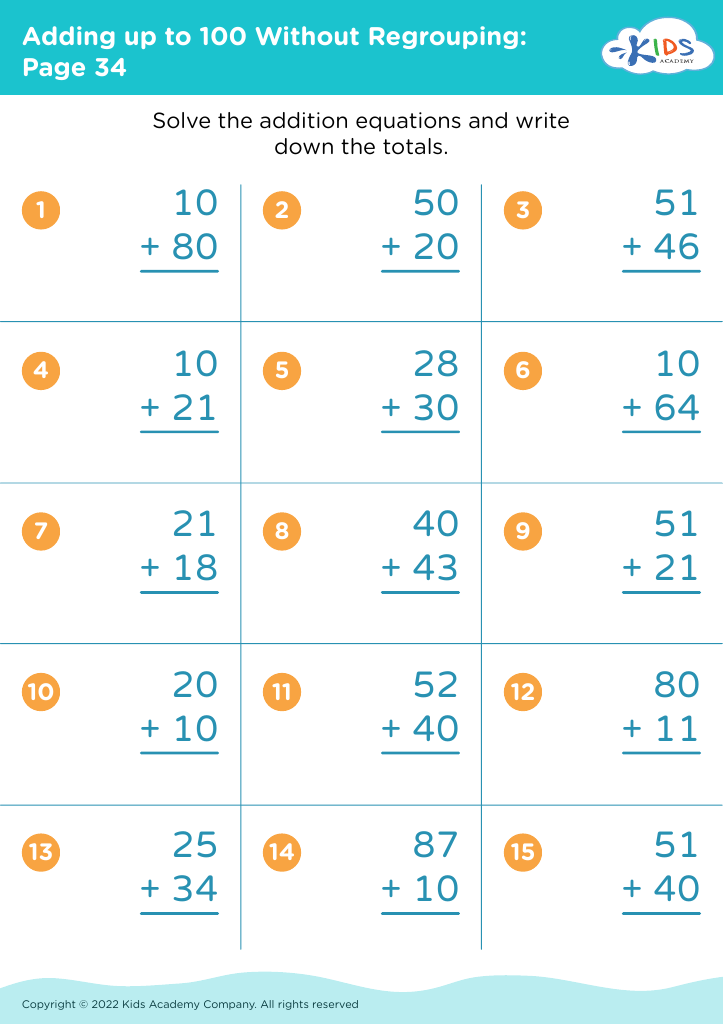
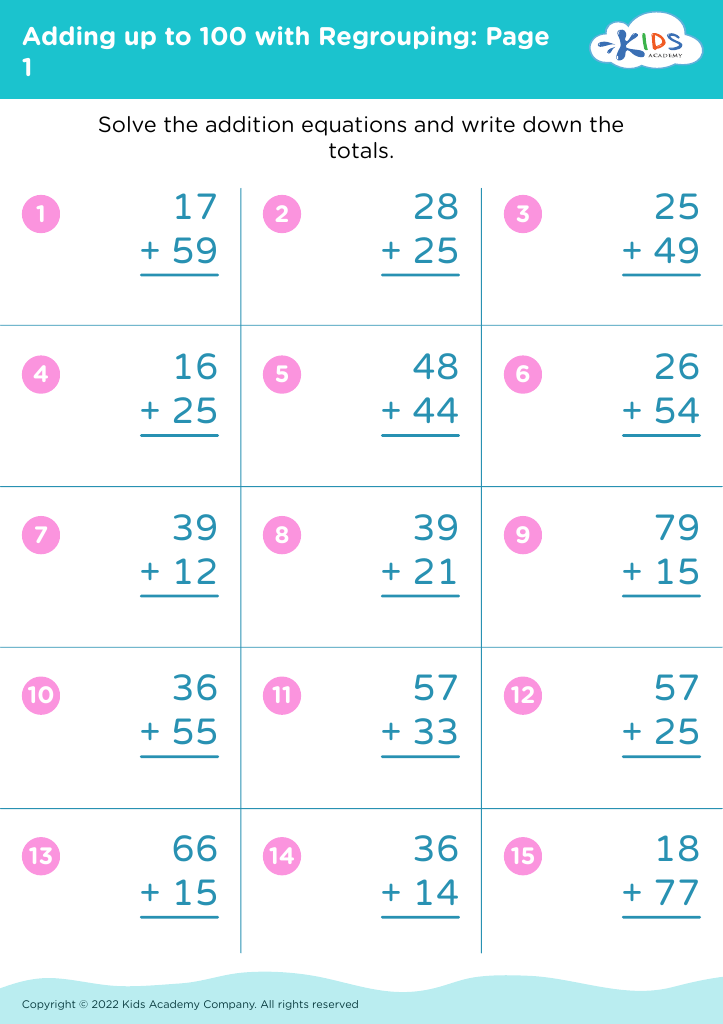
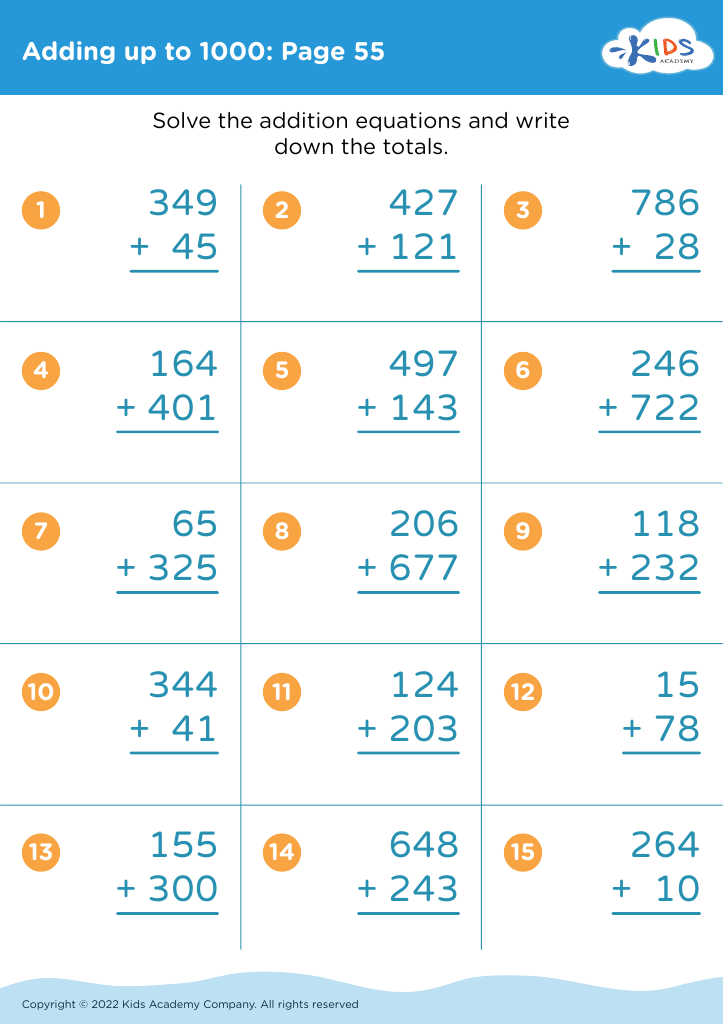
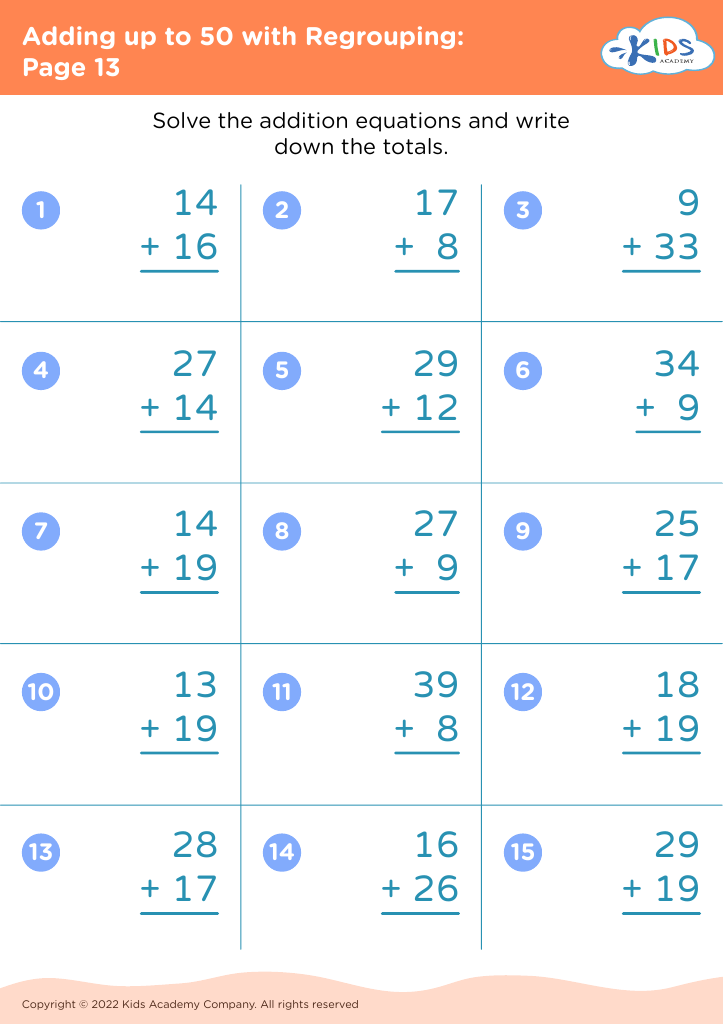



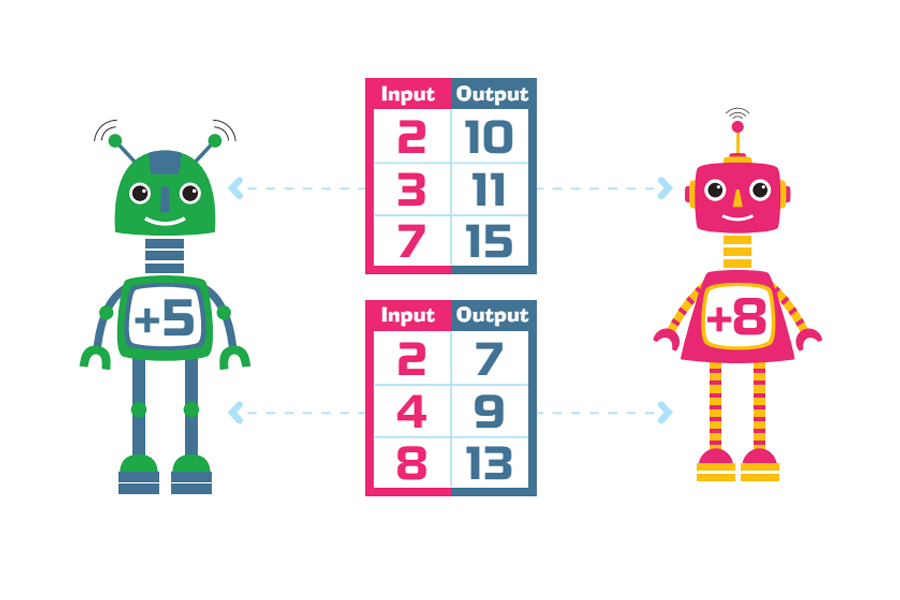



Understanding patterns in Grade 2 addition and subtraction is crucial for the development of strong mathematical foundations. For parents and teachers, this means recognizing that patterns are not just repetitive sequences but a way for children to comprehend and predict mathematical relationships.
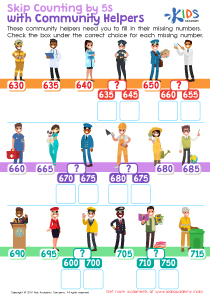
Patterns help kids understand the structure of math. When they recognize sequences such as adding 1 (1, 2, 3, 4...) or counting by tens (10, 20, 30...), they start to grasp fundamental principles like addition and the concept of place value. These patterns make math more predictable and thus less intimidating.
Moreover, patterns enhance problem-solving skills. For example, identifying that 9 + 6 is the same as 9 + (1 + 5) = (9 + 1) + 5 = 10 + 5 helps children break down complex problems into simpler steps. This analytical thinking extends beyond math to other areas involving logical thought.
Patterns also make math engaging. Familiarity with green, yellow, and red traffic light order helps kids predict light changes; similarly, predictable math patterns make learning fun and relatable. For inquisitive minds, spotting these patterns in egg carton arrangements or musical rhythms keeps learning dynamic.
Parents and teachers should focus on pattern recognition because it lays the foundation for higher-order math skills, encourages logical thinking, and makes learning interactive and enjoyable. This early understanding equips children with the confidence and skills necessary for future academic success.