Fraction conversion Grade 2 Addition Worksheets
3 filtered results
Difficulty Level
Grade
Age
-
From - To
Subject
Activity
Standards
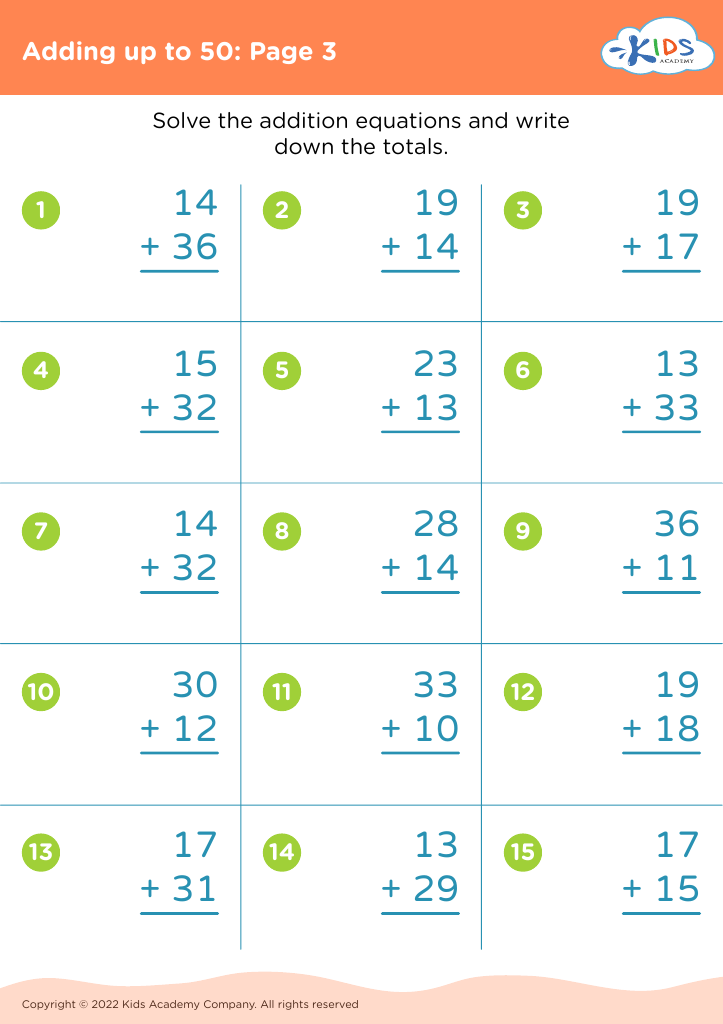
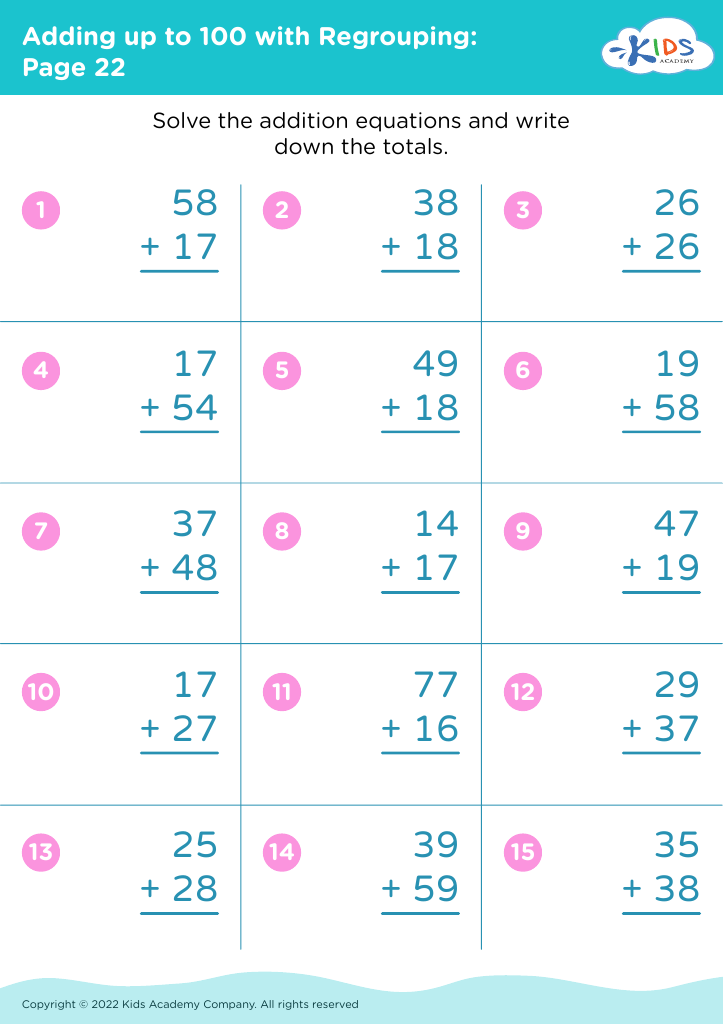
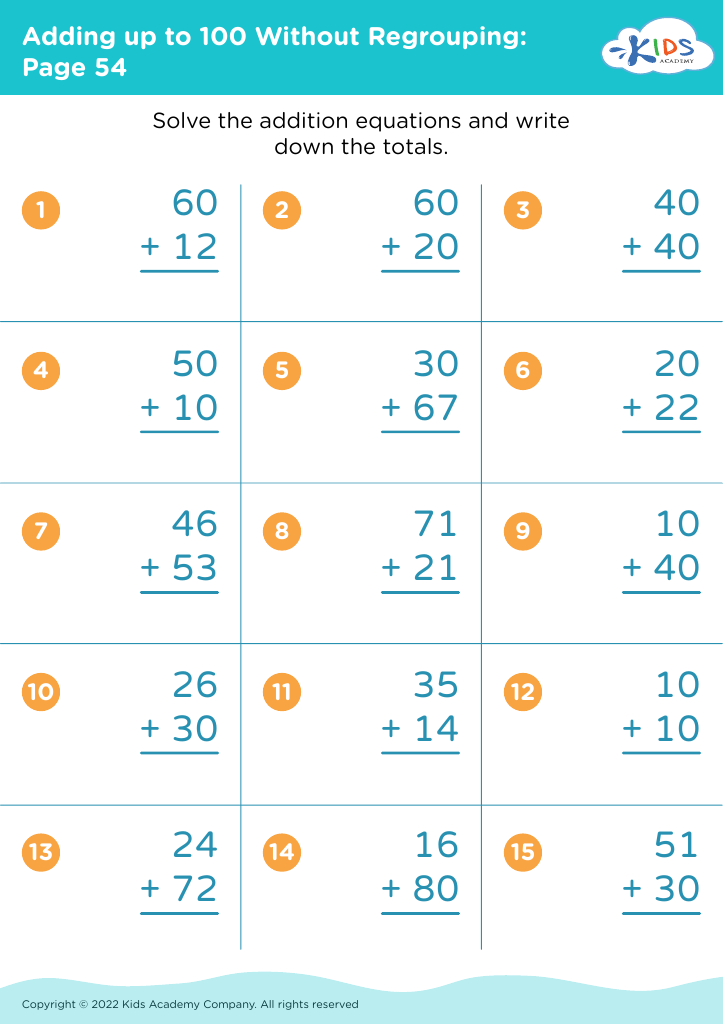
Enhance your second grader's math skills with our engaging Fraction Conversion Grade 2 Addition Worksheets! Designed to make learning fun, these worksheets help students master the concept of adding fractions in an intuitive and interactive way. Featuring vibrant illustrations and easy-to-follow instructions, children will practice converting fractions to ensure a solid understanding. These activities not only build math proficiency but also boost confidence in problem-solving abilities. Perfect for classroom use or at-home practice, our worksheets align with educational standards to support your child’s growth in mathematics. Explore a world of learning and make fraction addition enjoyable today!
Favorites
With answer key
Interactive
Join Kids Academy for Free
Who is primarily going to use this learning content?








Fraction conversion in Grade 2 serves as a fundamental building block for understanding more complex mathematical concepts. Teachers and parents should emphasize this skill because it is crucial for developing a deeper comprehension of numbers and their relationships. At this age, children begin to encounter fractions that, if not understood properly, can lead to confusion in later grades.
Understanding how to convert and add fractions helps children grasp the concepts of part-to-whole relationships, which is essential in daily life, such as cooking or measuring. It fosters logical thinking and problem-solving skills, preparing them for advanced mathematical ideas.
Moreover, integrating fraction conversion with addition helps children form connections between topics, reinforcing their overall math knowledge. This skill aids in developing their number sense, which is crucial for future success in math.
Encouraging proficiency in adding fractions also builds confidence. A confident learner is more likely to engage in mathematical discussions and problem-solving activities. By instilling a strong foundation in fractions at an early age, parents and teachers can enable children to tackle more challenging concepts in later grades with ease and excitement.