Multiplication practice Grade 2 Addition Worksheets
3 filtered results
Difficulty Level
Grade
Age
-
From - To
Subject
Activity
Standards
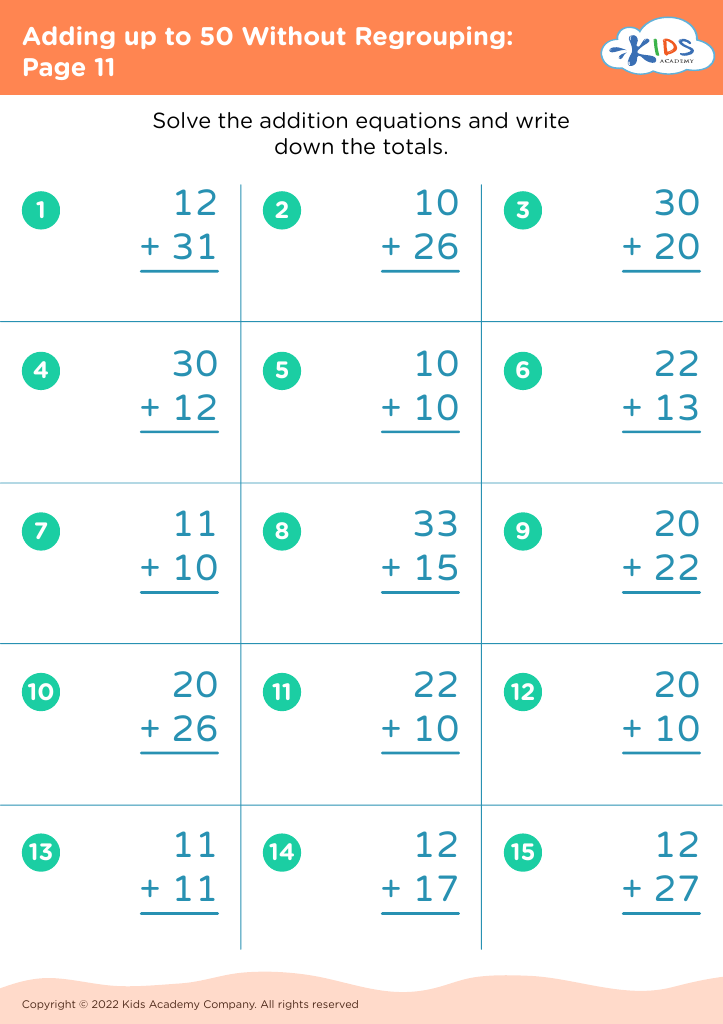
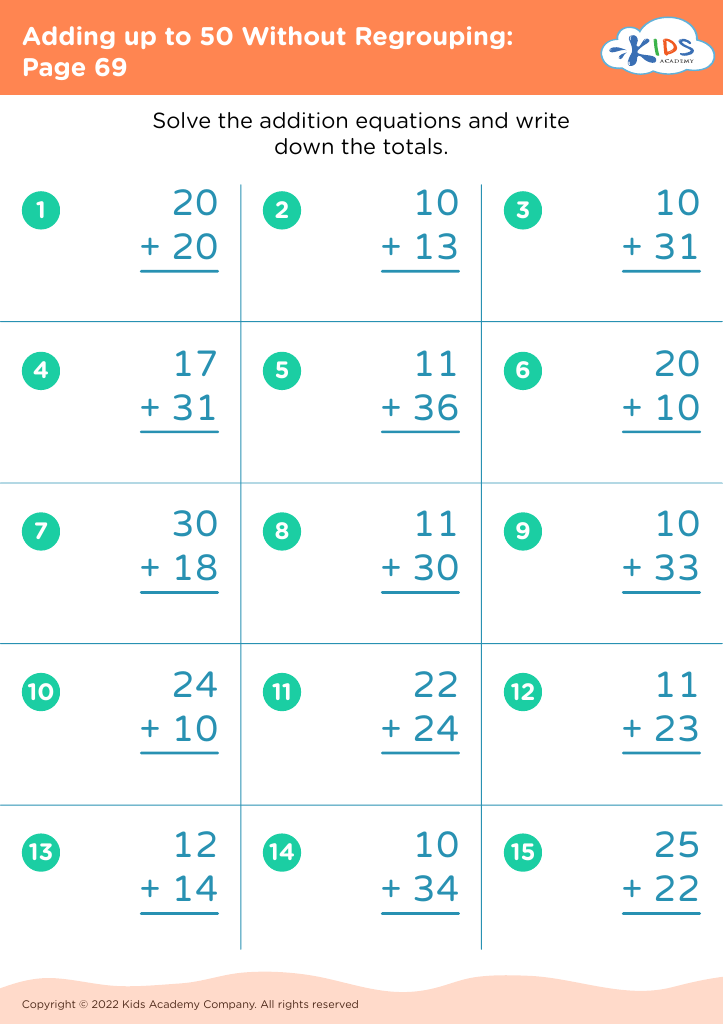
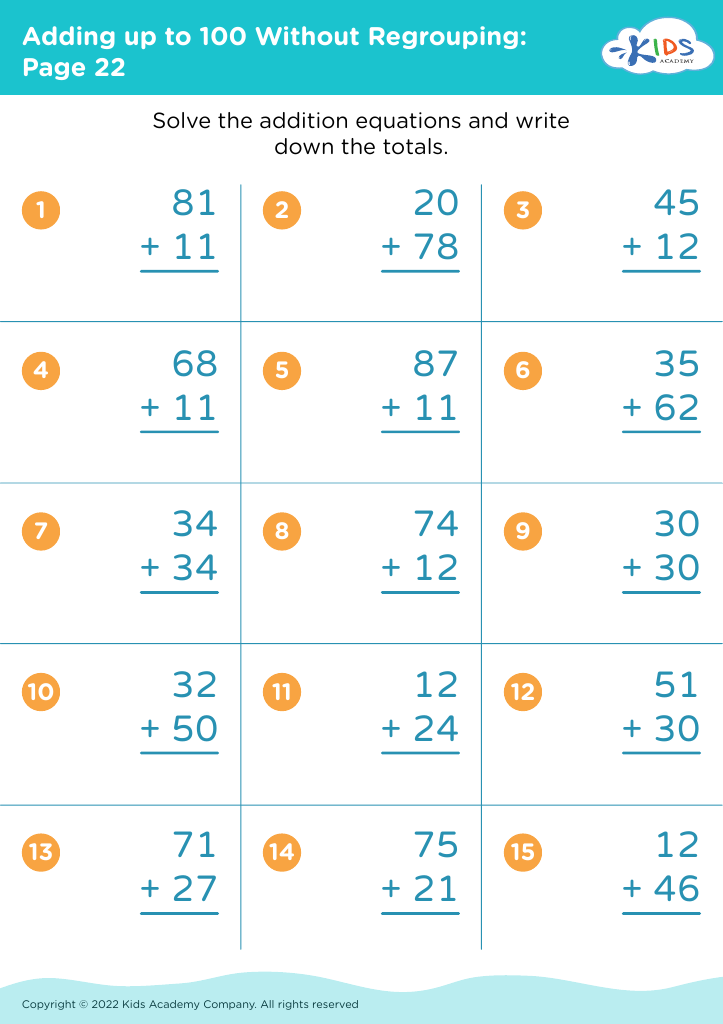
Looking for fun and effective ways to enhance your second grader's math skills? Our Multiplication Practice Grade 2 Addition Worksheets are the perfect solution! Specially designed for young learners, these engaging worksheets help kids master basic multiplication and addition concepts seamlessly. Featuring a variety of exercises, from simple calculations to word problems, our worksheets promote critical thinking and problem-solving skills. With colorful illustrations and easy-to-follow instructions, your child will enjoy learning and stay motivated. Provide your little one with the tools they need for math success and watch their confidence soar. Visit us today and download your worksheets instantly!
Favorites
With answer key
Interactive
Join Kids Academy for Free
Who is primarily going to use this learning content?








Parents and teachers should pay close attention to multiplication practice for second-grade students because establishing a strong foundation in mathematics at an early age is crucial for cognitive development and future academic success. In second grade, students are typically introduced to multiplication concepts, and the ability to understand and apply these concepts paves the way for more advanced mathematical operations.
Practicing multiplication alongside addition strengthens numerical fluency, which is the ability to efficiently and accurately perform basic calculations. This fluency in foundational skills not only boosts confidence in math but also enhances problem-solving abilities and logical thinking. When students grasp these essential concepts early on, they are more prepared for the increasing complexity of math in higher grades.
Furthermore, the understanding of multiplication and addition is integral in everyday life, from simple tasks like calculating the total cost of groceries to more complex financial decisions as adults. By prioritizing multiplication practice in the second grade, parents and teachers can create a positive and encouraging environment for math learning, helping to alleviate math anxiety and promoting a lifelong appreciation and competence in the subject. Investing time in these fundamental skills ultimately enacts a lasting positive impact on a child's educational journey.