Shape Recognition Grade 2 Addition Worksheets - Page 2
30 filtered results
-
From - To
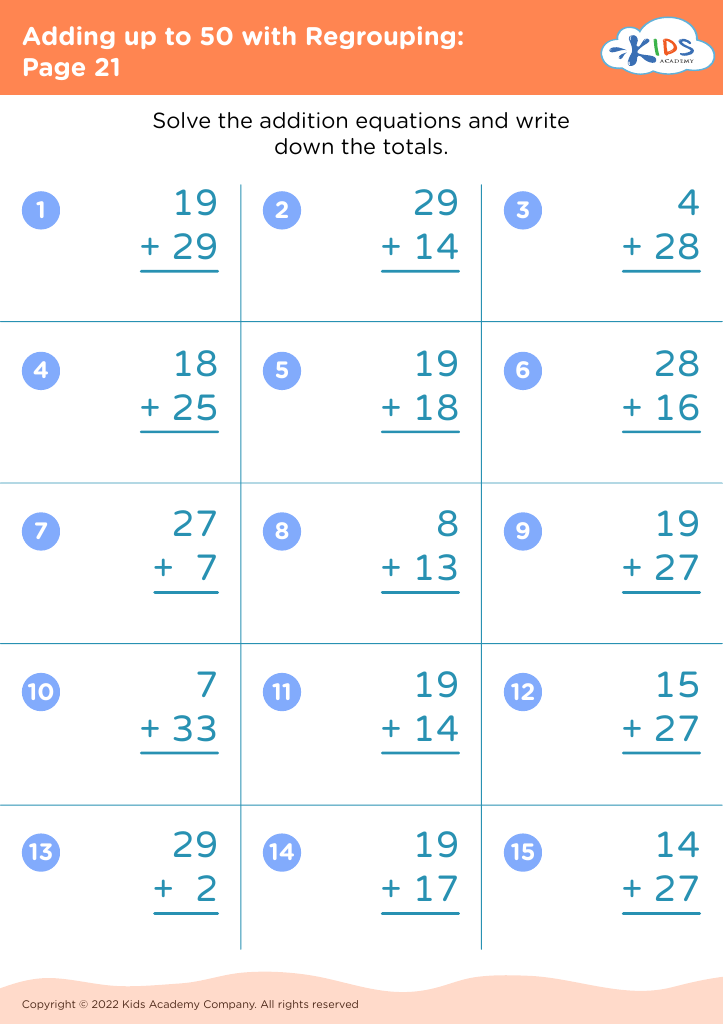
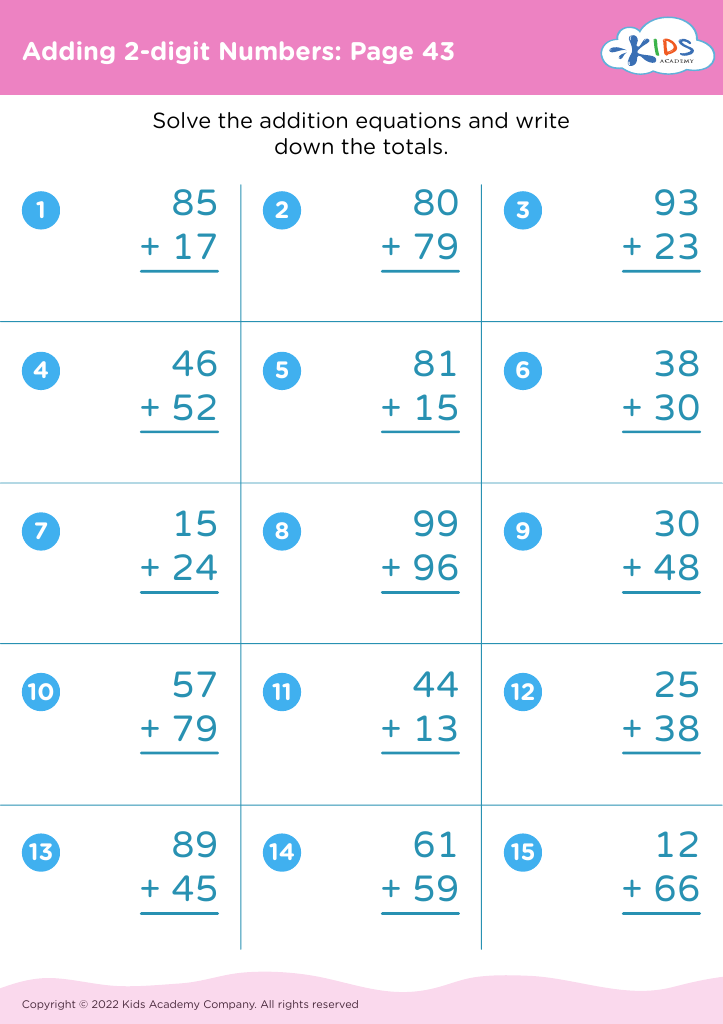
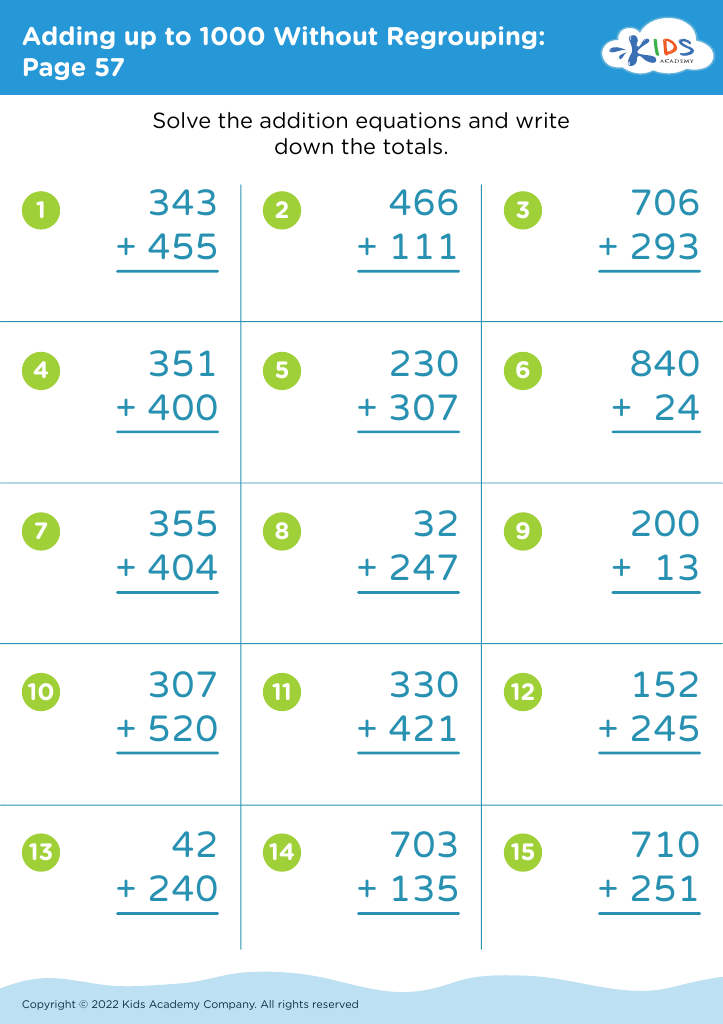
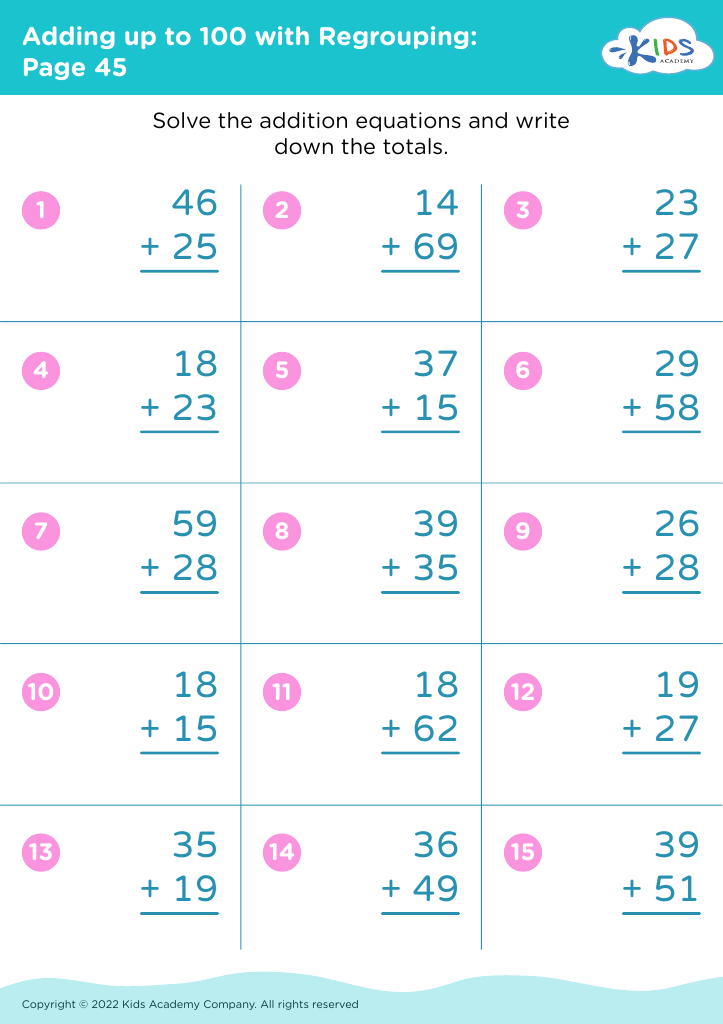
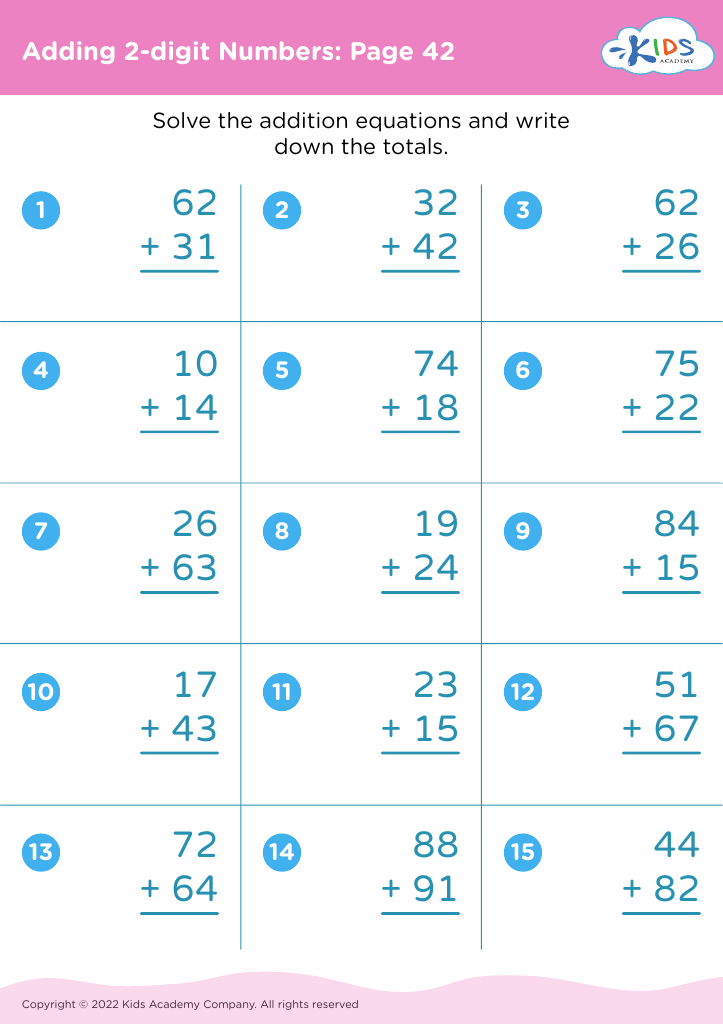
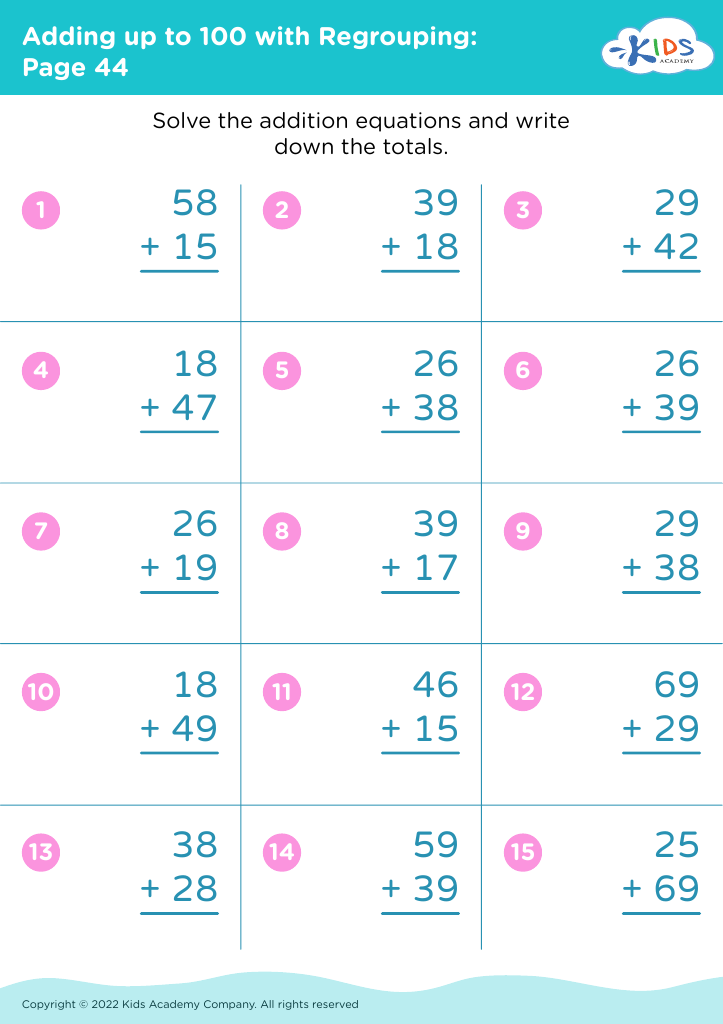






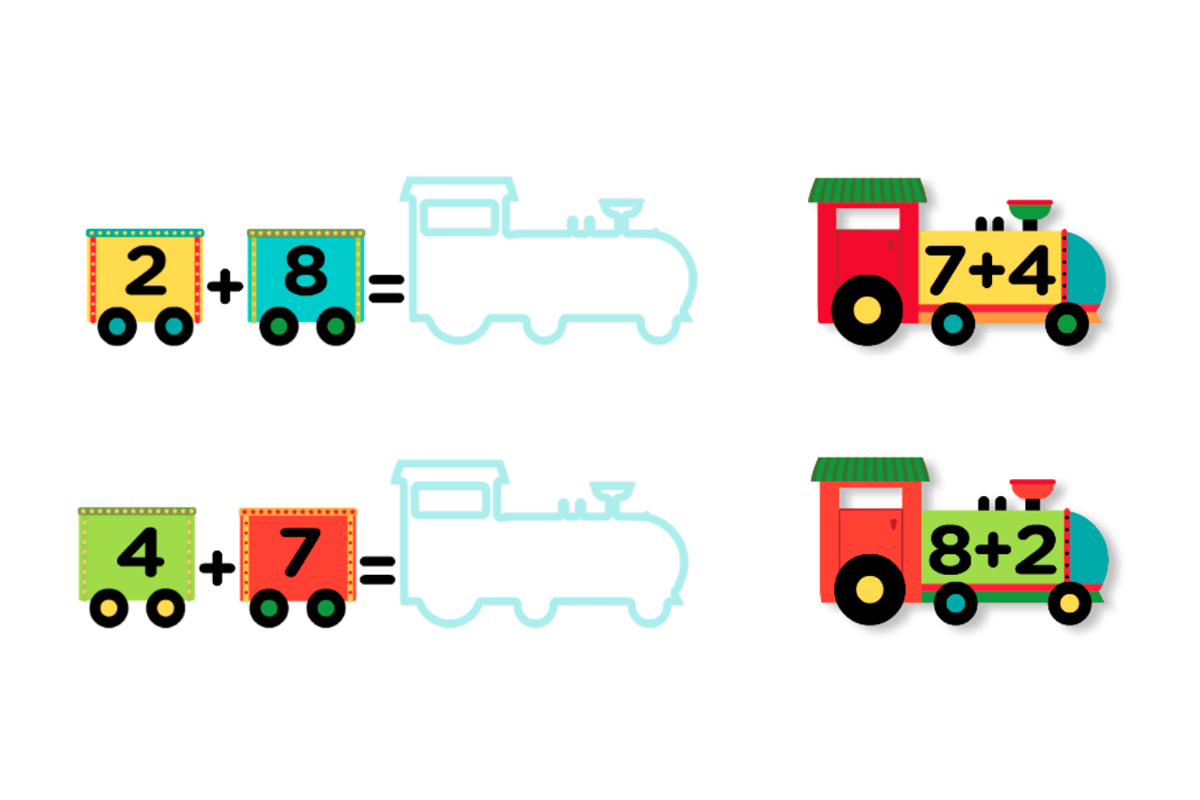

Shape recognition is a foundational skill that connects to various areas of learning, especially in mathematics, making it crucial for parents and teachers to emphasize in Grade 2 addition. Understanding shapes not only occupies a significant place in geometry but also enhances spatial awareness, which is vital for problem-solving and critical thinking.
In Grade 2, where students build their addition skills, recognizing shapes helps them visualize and organize numbers. For instance, using shapes to represent addition problems can make abstract concepts more concrete. Parents and teachers can incorporate manipulatives like shape blocks or diagrams, engaging students in hands-on learning experiences.
Moreover, mastery of shapes fosters patterns and symmetry recognition, aiding in the comprehension of more complex mathematical concepts later on. This lays a foundation for mathematical fluency; once students can visualize shapes, they can better grasp addition through grouping strategies.
In addition to mathematical skills, introducing shape recognition enhances cognitive development and promotes creativity. Encouraging discussions about shapes not only enriches language skills but also supports children’s social development through collaborative learning. Overall, cultivating shape recognition alongside addition in Grade 2 can significantly empower children's mathematical journey and holistic development.