Basic Math Skills Grade 2 Numbers Worksheets
6 filtered results
-
From - To
Enhance your second grader’s math abilities with our engaging Basic Math Skills worksheets, specifically designed for Grade 2 learners. Our collection focuses on essential number concepts, helping students to master skills such as addition, subtraction, and number recognition through fun exercises and colorful illustrations. These worksheets provide structured practice to solidify understanding and boost confidence in math. Each activity is tailored to align with curriculum standards, making them a perfect resource for both classroom learning and at-home practice. Explore our versatile worksheets and empower your child's math journey today! Promote learning through interactive and enjoyable experiences!
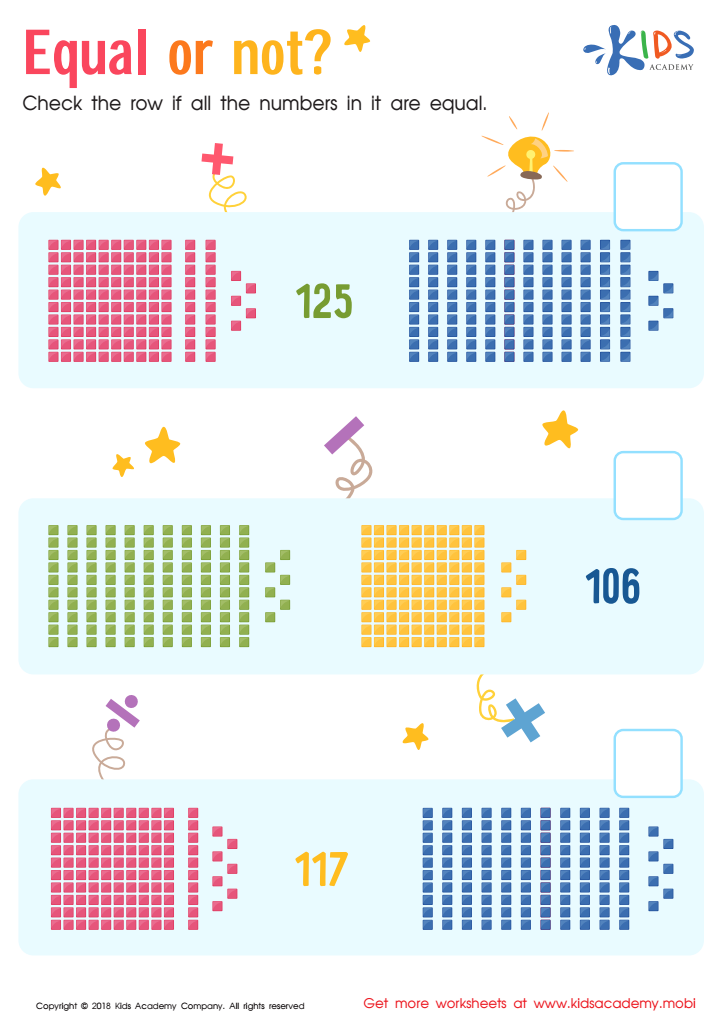
Equal or not Worksheet
 Assign to My Students
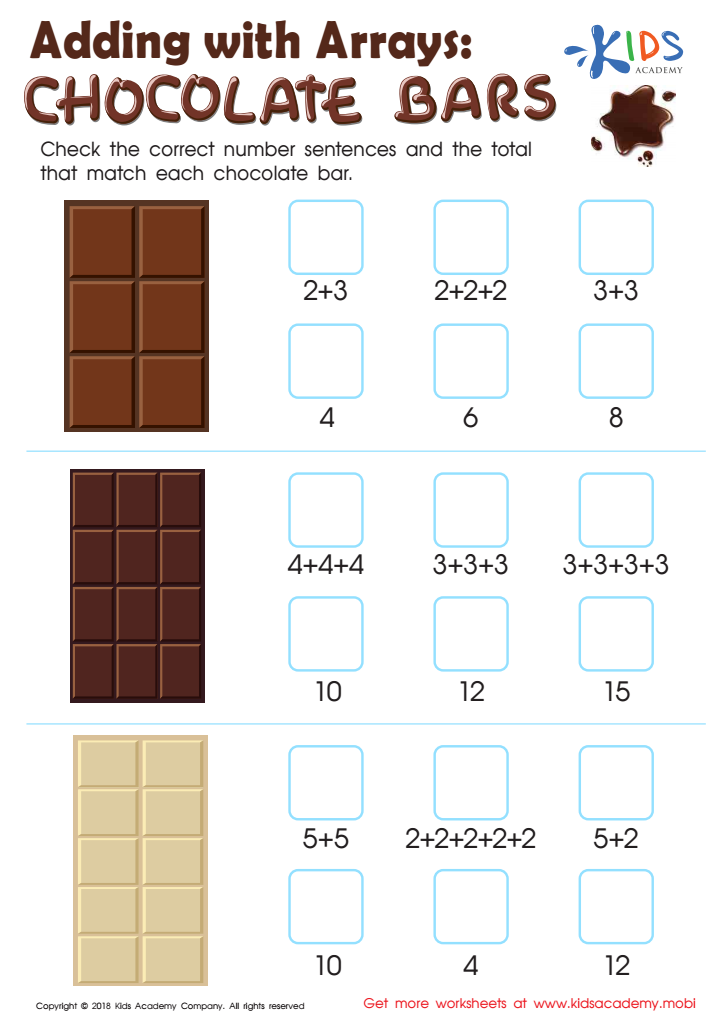
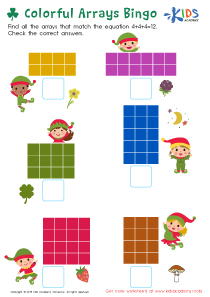
Adding with Arrays: Chocolate Bars Worksheet
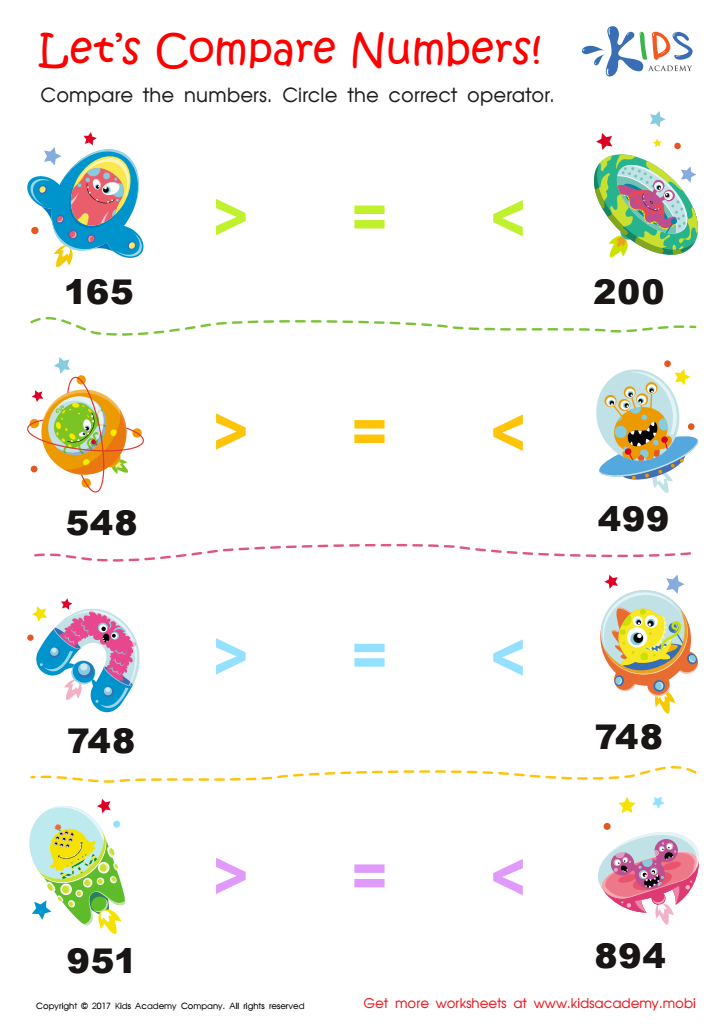
Comparing Numbers Worksheet for 2nd Grade
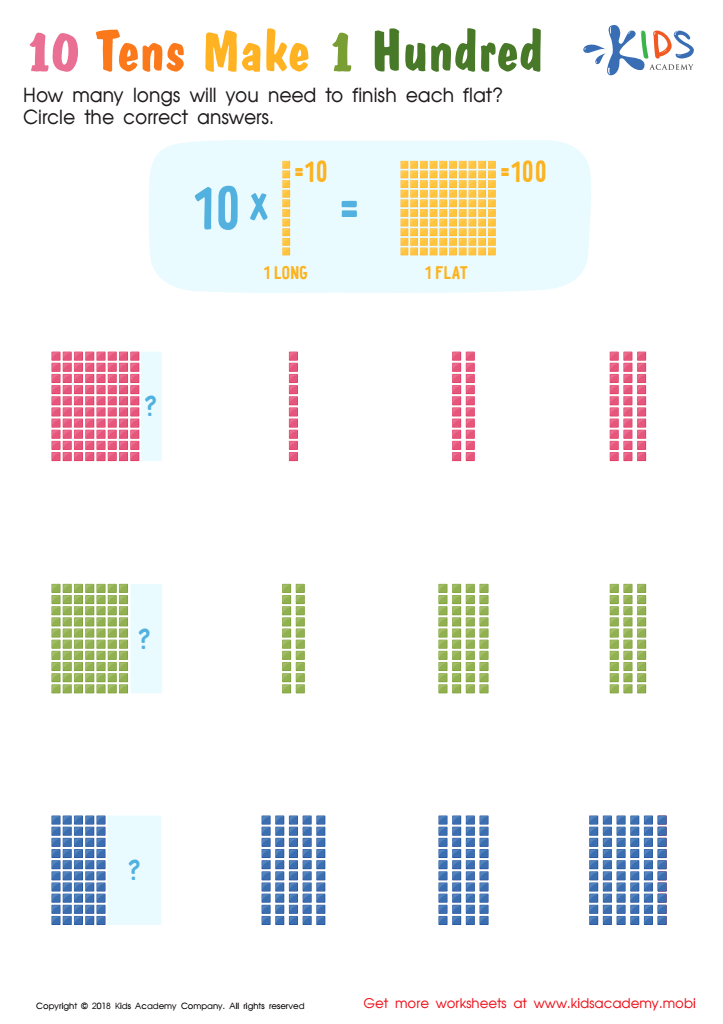
10 Tens Make 1 Hundred Worksheet
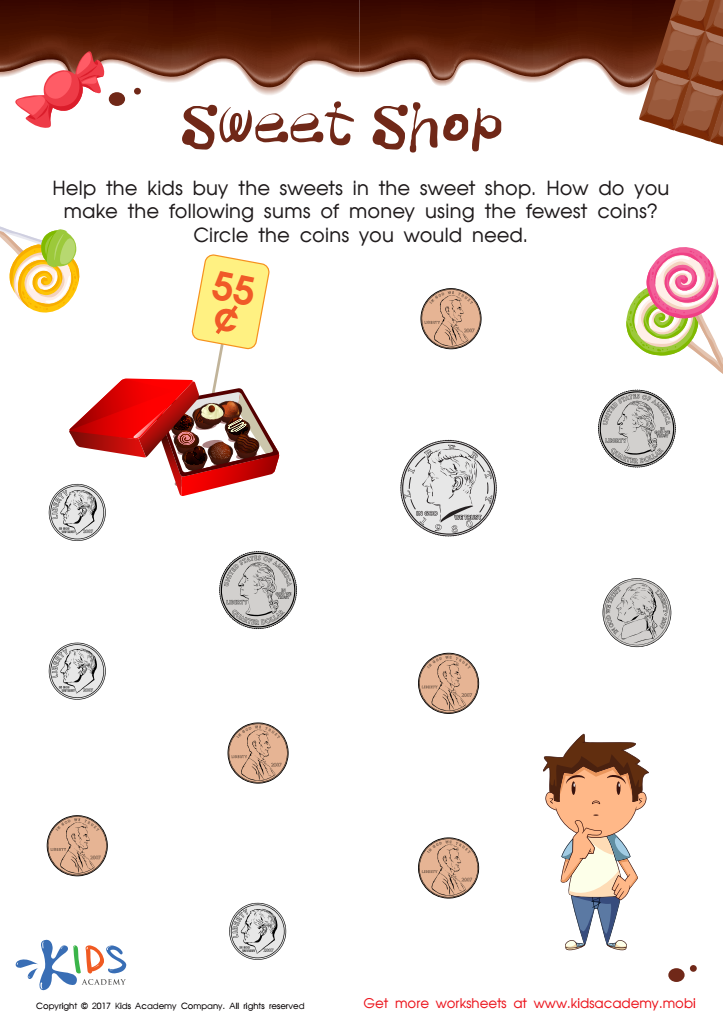
Sweet Shop – Counting Coins Worksheet
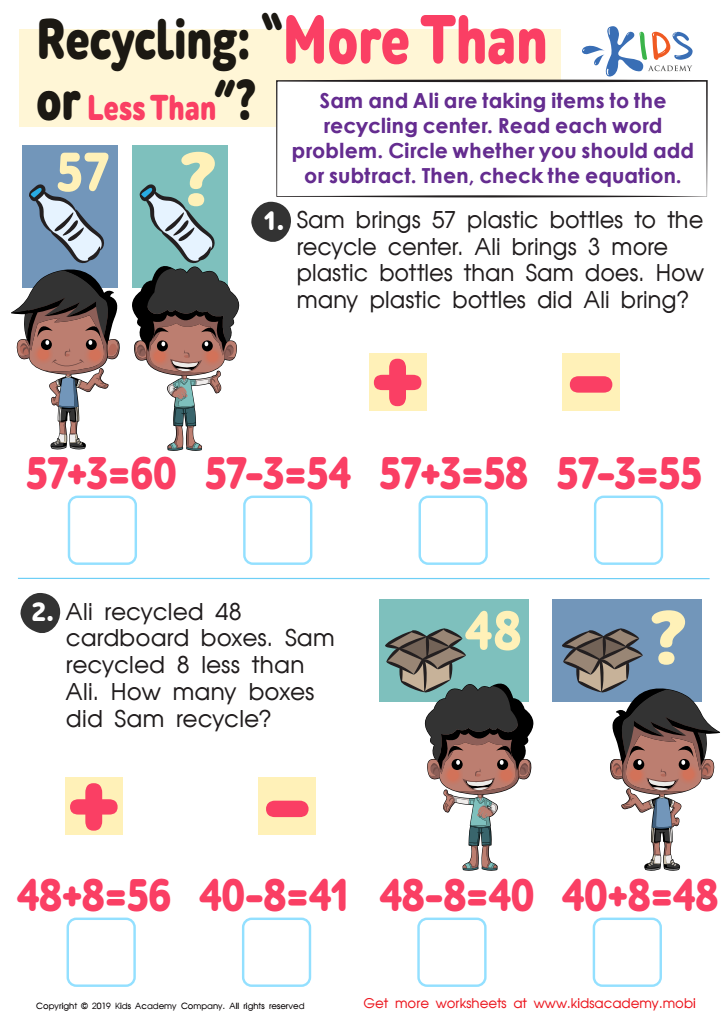
Recycling - More or Less Worksheet




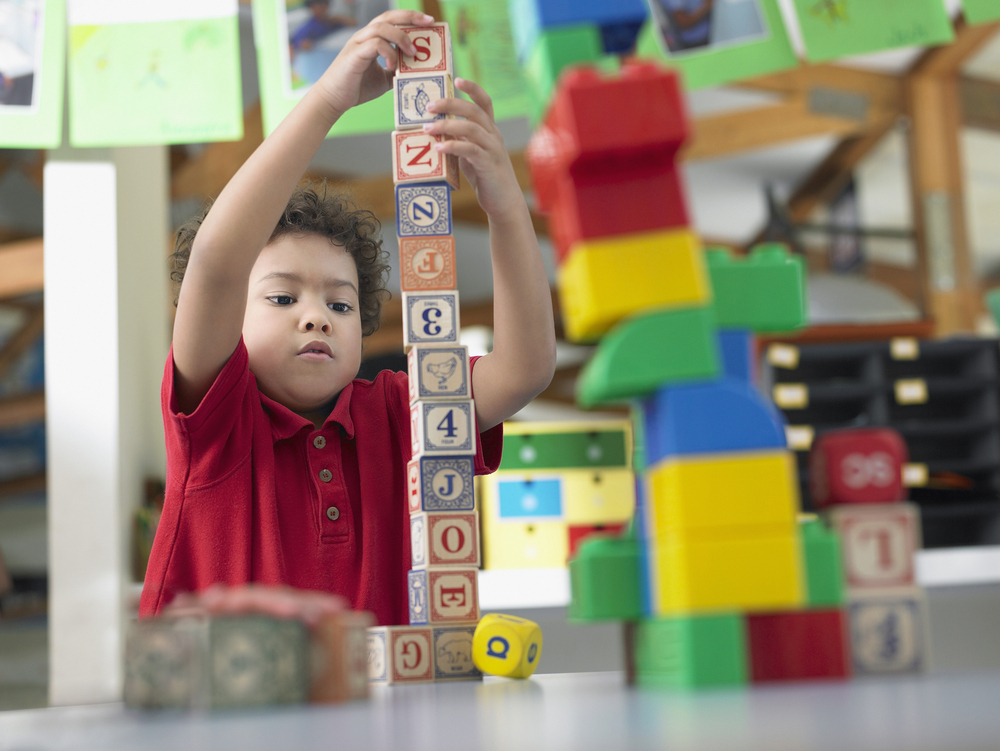



Basic math skills at the Grade 2 level are foundational for a child's future learning and everyday life. At this stage, students learn to recognize, understand, and manipulate numbers, which fosters critical thinking, problem-solving, and analytical skills. Mastery of these concepts builds confidence, encouraging children to engage more deeply with math in later grades.
Additionally, understanding numbers and basic operations, like addition and subtraction, lays the groundwork for more complex mathematical concepts introduced in subsequent grades. Parents and teachers play a crucial role in reinforcing these skills through interactive activities at home and in the classroom, such as games, real-life problem-solving, and collaborative learning.
Moreover, basic math skills are vital for everyday tasks, from budgeting allowances to measuring ingredients in cooking, instilling a sense of practicality. Early proficiency in math can also positively affect academic performance across subjects, as many areas of learning rely on numerical literacy.
Supporting and monitoring children's math development ensures they are not left behind. Experts suggest that active parental and teacher involvement creates a more conducive learning environment, ultimately paving the way for future success in math and related fields. Early investment in these skills establishes a solid foundation for lifelong learning and self-confidence in math.