Hand-eye Coordination Grade 2 Numbers Worksheets
4 filtered results
Difficulty Level
Grade
Age
-
From - To
Subject
Activity
Standards
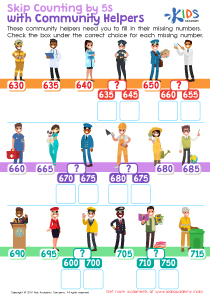
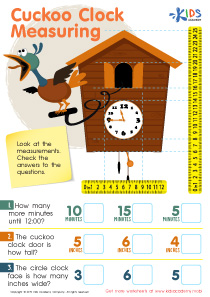
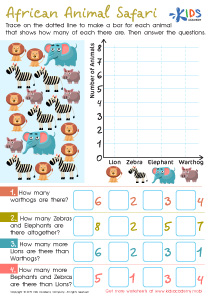
Enhance your second grader's learning experience with our engaging Hand-eye Coordination Grade 2 Numbers Worksheets! Designed to strengthen motor skills while practicing fundamental math concepts, these worksheets offer fun activities that merge movement with learning. Children will enjoy tracing numbers, connecting dots, and participating in interactive tasks that promote both visual and physical coordination. By integrating hand-eye coordination exercises with number recognition and counting, these worksheets make learning enjoyable and effective. Perfect for classroom use or homeschooling, our resources empower young learners to build confidence in their math skills while developing essential coordination abilities. Download these worksheets today and watch your child thrive!
Favorites
With answer key
Interactive
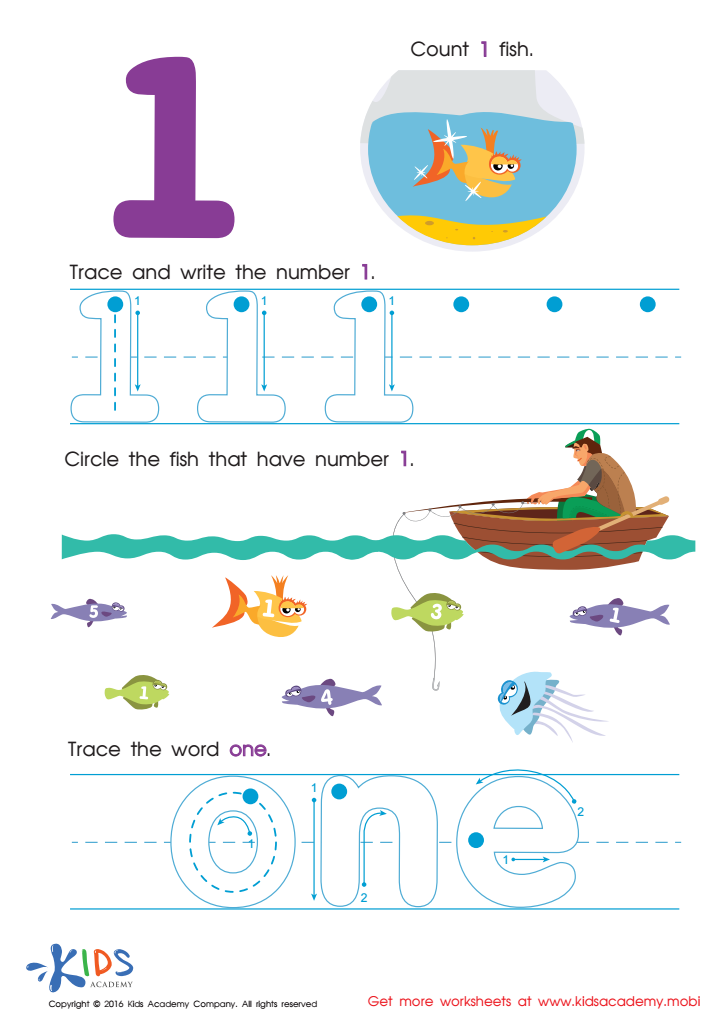
Learning to Write 1 Worksheet
Learning to write numbers can be easy and fun! Get this new number worksheet to help your child excel. Practice counting, tracing and writing the number “one”, then circle the fish with “1” on them. Revise spelling and have fun! Get more tracing numbers worksheets at Kids Academy and enjoy the learning process.
 Assign to My Students
Learning to Write 1 Worksheet
Worksheet
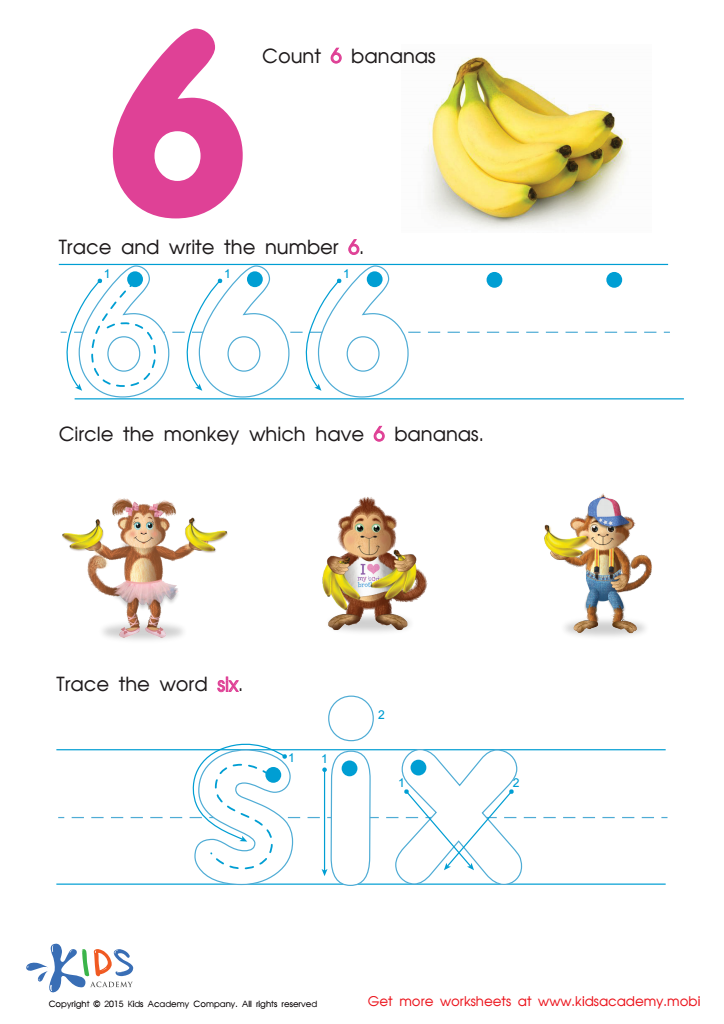
Tracing And Writing Number 6 Worksheet
Learn numbers in a fun way with our preschool number worksheets. Count six bananas, trace and write the number, find the monkey with six bananas, and trace the word "six." Explore more activities at Kids Academy.
Tracing And Writing Number 6 Worksheet
Worksheet
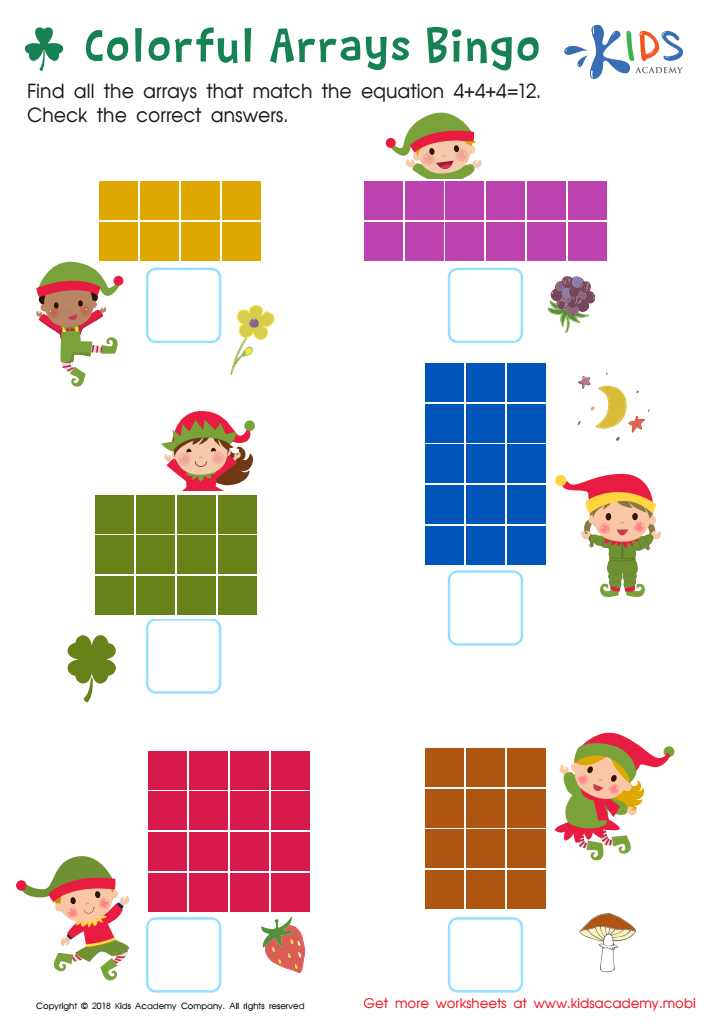
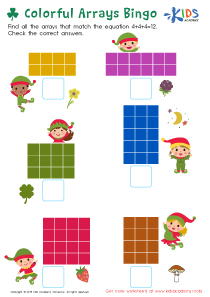
Colorful Arrays Bingo Worksheet
This worksheet stimulates thinking about arrays and how to represent them. Instruct students to count the 6 arrays and find which ones sum up to 12. Ask them to check the answers for accuracy.
Colorful Arrays Bingo Worksheet
Worksheet
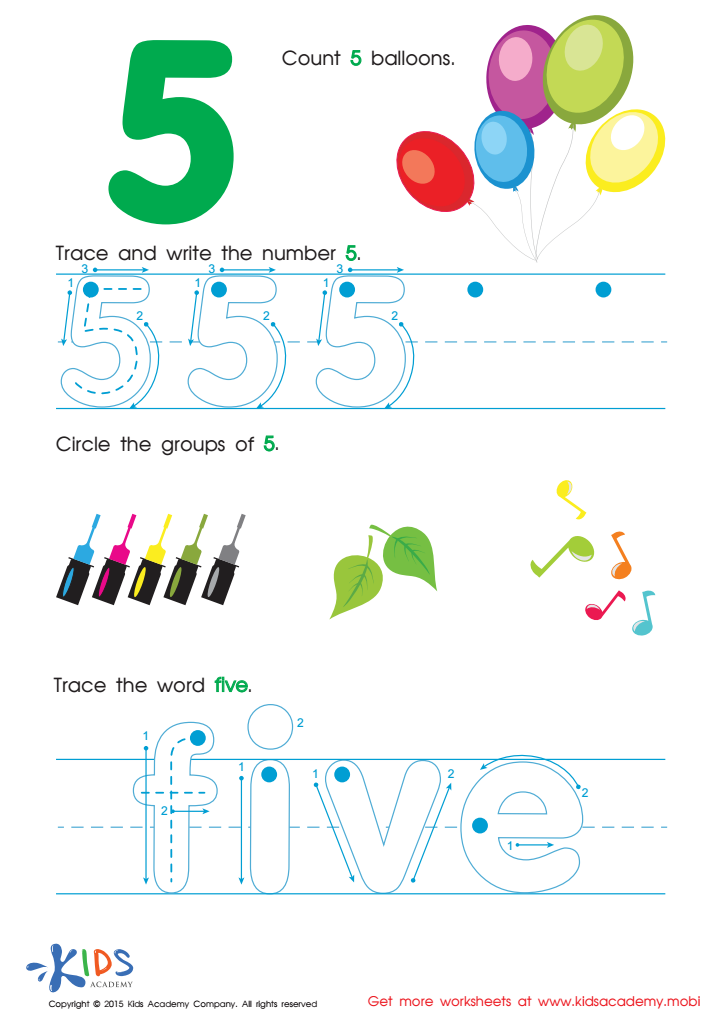
Practice Writing Number 5 Worksheet
Make learning numbers fun! Let your kids count the balloons, trace numbers, and circle the groups with five items. Also, have them trace the word "five" for letter revision. Get the full collection of preschool number worksheets from Kids Academy for a fun and interactive learning experience.
Practice Writing Number 5 Worksheet
Worksheet
Join Kids Academy for Free
Who is primarily going to use this learning content?








Hand-eye coordination is a crucial developmental skill that plays a significant role in a child's ability to perform tasks involving visual input and physical movement. For second graders, effective hand-eye coordination is essential for various classroom activities, such as writing numbers, drawing, and participating in sports. Parents and teachers should care about fostering this skill as it directly impacts a child's learning and overall confidence.
In grade 2, children begin to tackle more complex mathematical concepts that require precise movements, such as writing neatly and organizing numbers. Enhanced hand-eye coordination can lead to better focusing during lessons and fewer frustrations with tasks, promoting a more positive learning environment. Furthermore, activities designed to boost this skill, like connecting dots or playing catch, promote physical fitness and creativity while increasing focus and cognitive abilities.
Additionally, strong hand-eye coordination is also linked to future academic success. Children who develop these skills at an early age are better equipped to handle not only math but also science experiments, reading fluency, and art projects. Ultimately, recognizing the importance of hand-eye coordination ensures that children can reach their full potential academically and socially, paving the way for lifelong skills that extend beyond the classroom.