Attention to Detail Grade 2 Math Worksheets
3 filtered results
Difficulty Level
Grade
Age
-
From - To
Subject
Activity
Standards
Boost your child's math proficiency with our "Attention to Detail Grade 2 Math Worksheets." Designed specifically for second graders, these engaging worksheets help young learners enhance their focus, problem-solving skills, and mathematical accuracy. Each carefully curated activity encourages students to pay attention to small details while working through foundational math concepts such as addition, subtraction, and patterns. Our worksheets are perfect for extra practice at home or supplementing classroom learning, ensuring your pupil's progress in a fun and productive manner. Explore Kids Academy and watch your child develop sharpness in both math skills and attention to detail!
Favorites
With answer key
Interactive
Sorting Jewels Worksheet
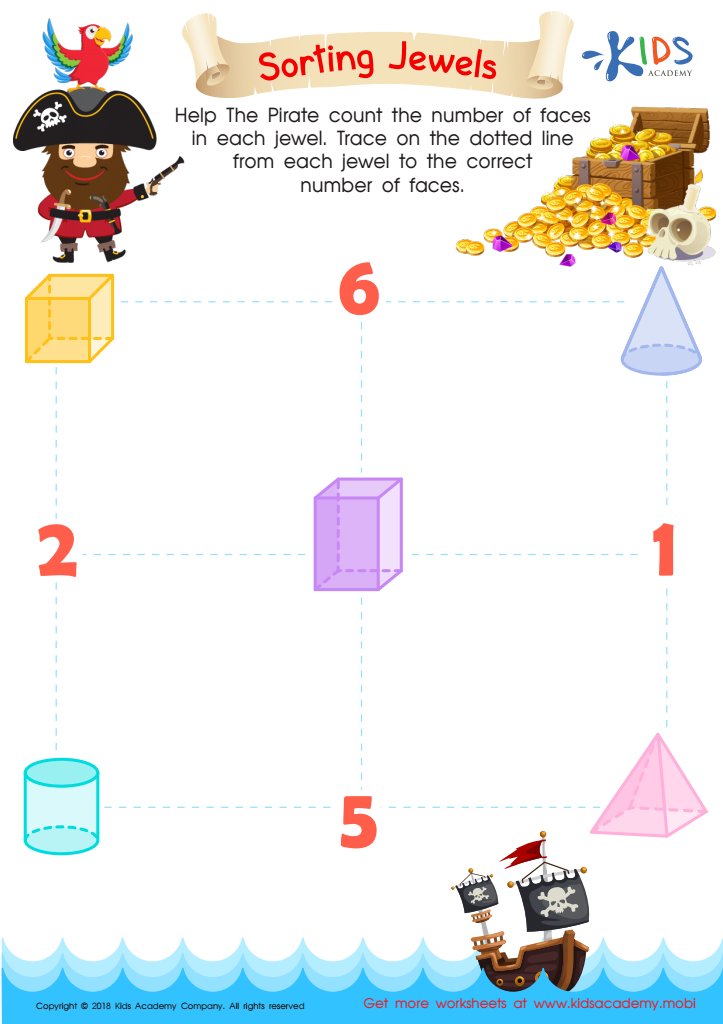
Help your kids explore their pirate fantasies with this tracing sheet. Ask them to count the number of faces in each jewel and then trace the dotted line to the correct number. How many faces does a rectangle have? What about a triangle and a cone? This fun worksheet is a great way to teach your kids the basics of identifying the number of faces on shapes.
 Assign to My Students
Sorting Jewels Worksheet
Worksheet
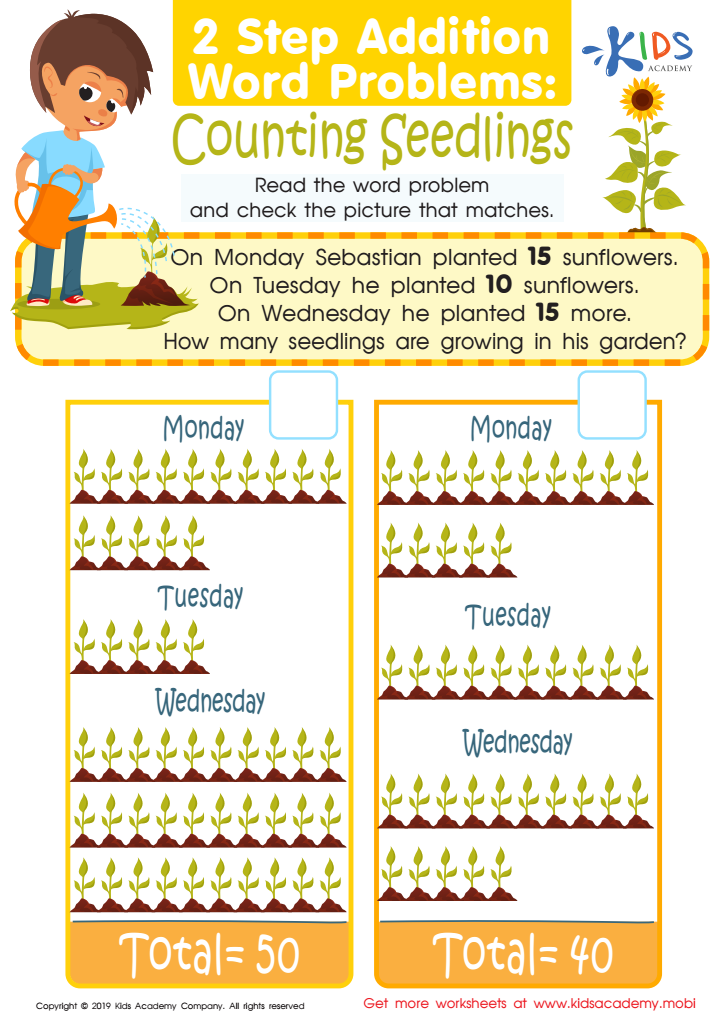
Counting Seedlings Worksheet
Understanding math word problems is key. Multiple steps can prove challenging - this free worksheet provides one-to-one picture representation to help kids solve multi-step addition word problems. Strengthen addition skills by choosing the matching picture to the answer.
Counting Seedlings Worksheet
Worksheet
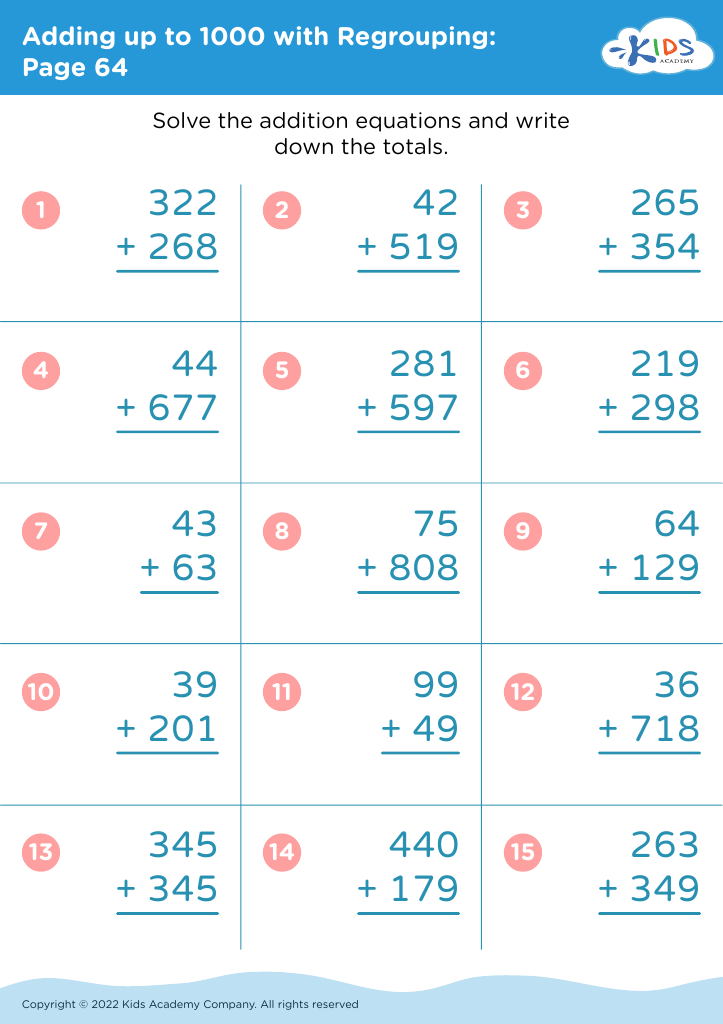
Join Kids Academy for Free
Who is primarily going to use this learning content?








Parents and teachers should care about attention to detail in Grade 2 math because this skill can significantly impact a child's overall academic success and confidence. At this stage, students are building foundational math skills that they will rely on for advanced concepts in later grades. Attention to detail helps them accurately understand and perform basic operations like addition, subtraction, and identifying shapes and patterns. When children learn to pay close attention, they catch small mistakes—like misreading numbers or forgetting to carry over—that could otherwise become habitual and challenging to correct later.
Furthermore, developing this meticulousness helps cultivate a sense of pride and accountability in a child's work, boosting their self-esteem and fostering a proactive attitude towards learning. It also enhances their problem-solving abilities, as they learn to approach tasks methodically and verify their processes, which is critical not just in math but across all subjects and real-life scenarios. Both parents and teachers play crucial roles in encouraging these habits, using positive reinforcement and structured environments where attention to detail is practiced and valued. By prioritizing this skill, they set children up for a smoother educational journey and a lifelong ability to tackle tasks with precision and care.