Basic math concepts Grade 2 Math Worksheets
3 filtered results
-
From - To
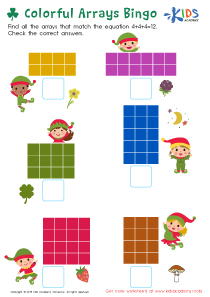
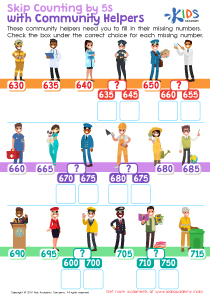
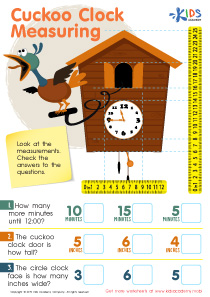
Discover engaging Grade 2 Math Worksheets focused on essential math concepts at Kids Academy! Our printable resources are designed to support young learners in mastering foundational skills such as addition, subtraction, number sense, and place value. Each worksheet fosters critical thinking and creativity while making learning fun and interactive. Tailored for second graders, these worksheets encourage independent practice and reinforce classroom lessons. Whether at home or in school, our varied activities will help students build confidence in their math abilities. Explore our collection today and empower your child to excel in math with ease! Perfect for enhancing learning and boosting academic success.
 Assign to My Students
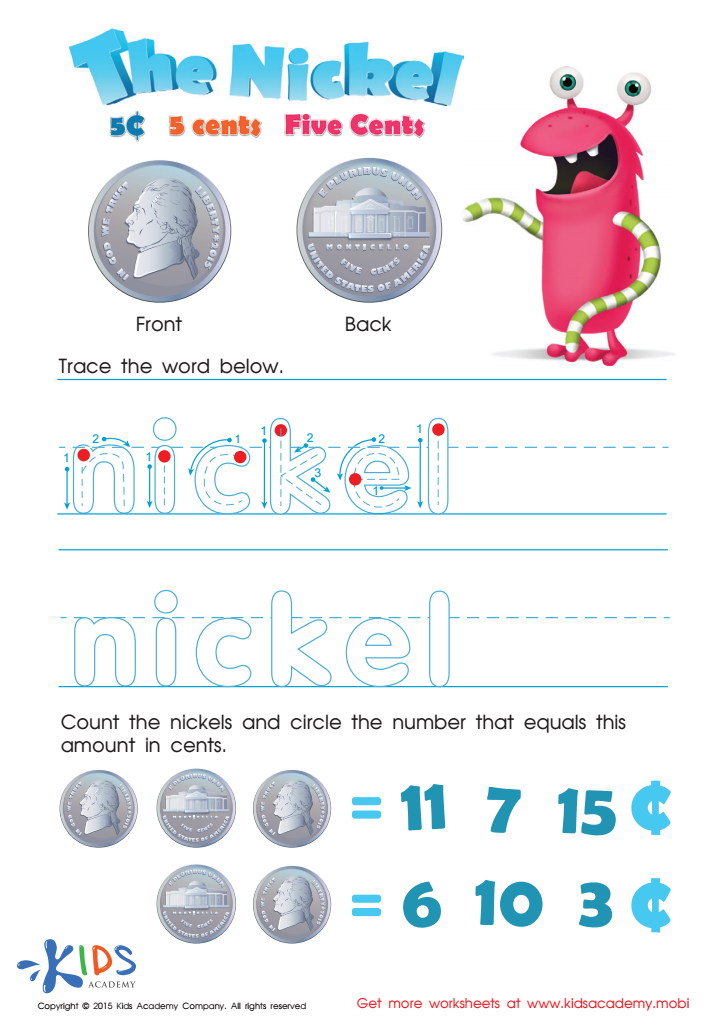
Five Cents or the Nickel Money Worksheet
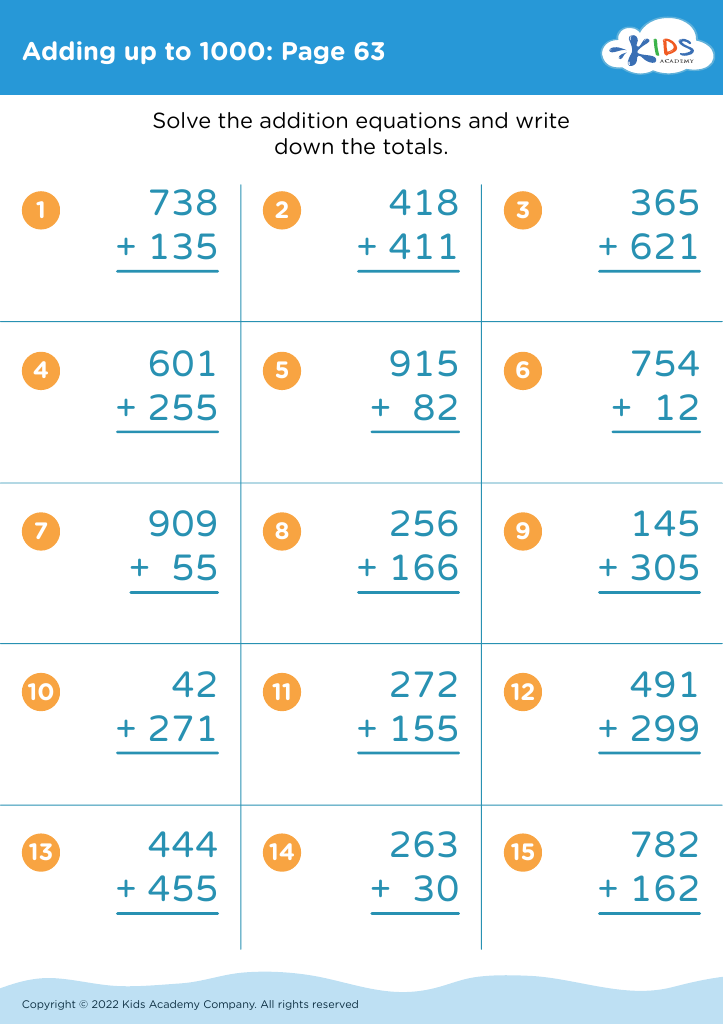







Parents and teachers should prioritize basic math concepts in Grade 2 because foundational skills set the stage for future learning and understanding in mathematics. At this age, children typically develop a concrete understanding of essential concepts such as addition, subtraction, place value, and introductory multiplication and division. Mastering these basics fosters confidence, making students more engaged and enthusiastic about math as they progress.
Moreover, elementary math skills are critical for daily life applications, helping children solve everyday problems like counting change, measuring distances, and understanding time. Developing these skills early promotes better cognitive flexibility, enabling children to approach complex problem-solving with ease later in school.
In Grade 2, students begin to transition from learning to read numbers to understanding their relationships. It is crucial for parents and teachers to ensure that students not only memorize procedures but also grasp the meaning behind operations. By nurturing these concepts, adults can support the development of logical reasoning and critical thinking skills that are essential in all areas of learning. Engaged parents and proactive teachers can help create a positive mathematics experience, laying the groundwork for academic success and broader life skills.