Color Identification Grade 2 Math Worksheets - Page 2
27 filtered results
-
From - To
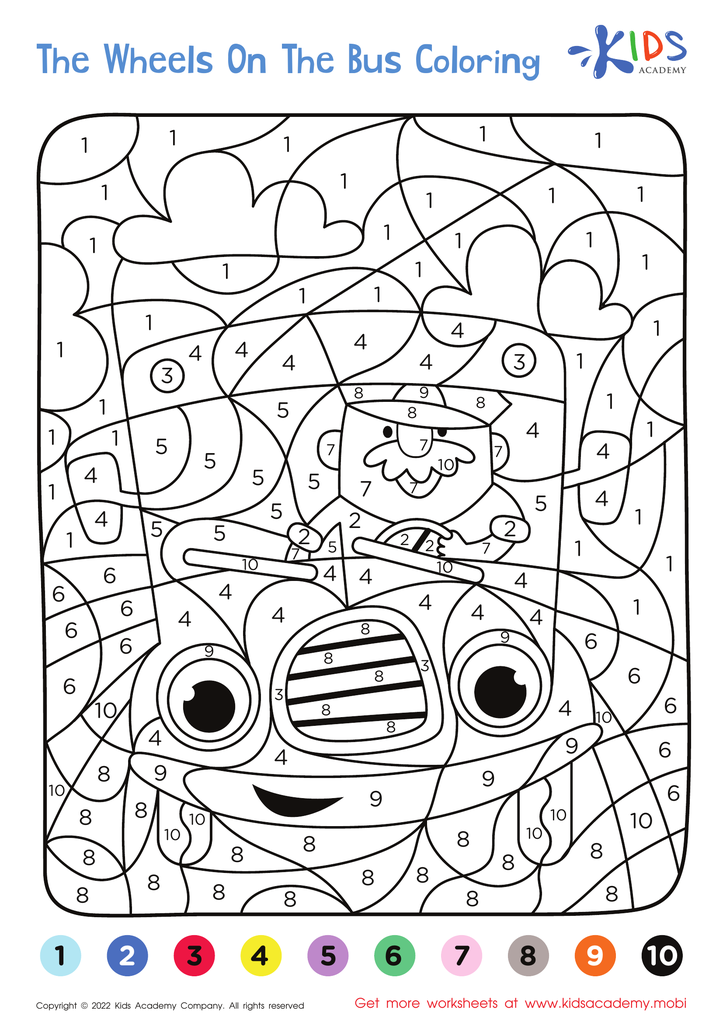
Wheels on the Bus – Coloring by Numbers
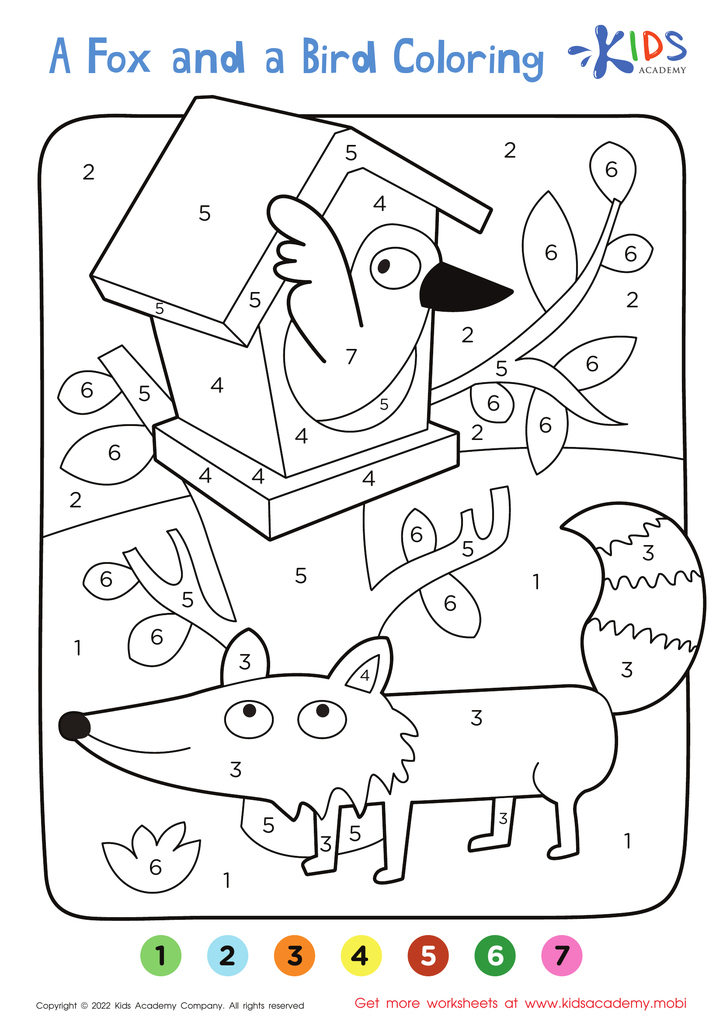
A Fox and a Bird – Coloring by Numbers






Color identification in Grade 2 math is crucial for several reasons that impact a child's overall learning and development. Firstly, it enhances visual discrimination skills, enabling students to differentiate between various colors and their shades. This skill supports not only artistic expression but also aids in subjects like science, where color plays a role in understanding concepts such as plant biology and ecosystems.
Furthermore, color identification fosters engagement and motivation in learning. When math activities incorporate colors—whether through colorful graphs, blocks, or manipulatives—students often find the material more appealing and easier to grasp. This increased engagement can lead to improved retention of mathematical concepts, facilitating understanding in areas like addition and subtraction, where visual reinforcement is key.
Additionally, color identification supports the development of language and communication skills. Teachers and parents can encourage children to describe colors and relate them to everyday objects, enriching their vocabulary and comprehension.
Finally, in our increasingly visual world, recognizing and classifying colors helps children develop critical thinking skills as they begin to interpret visual data in charts, maps, and infographics. Therefore, supporting color identification from a young age is a foundational skill vital for later academic success.