Check out this FREE Grade 2 Trial Lesson on Math!

One-Syllable Long and Short Vowel Words

Favorites
With answer key
Interactive
  • Grade 2
  • Comparing Fractions
  • Math
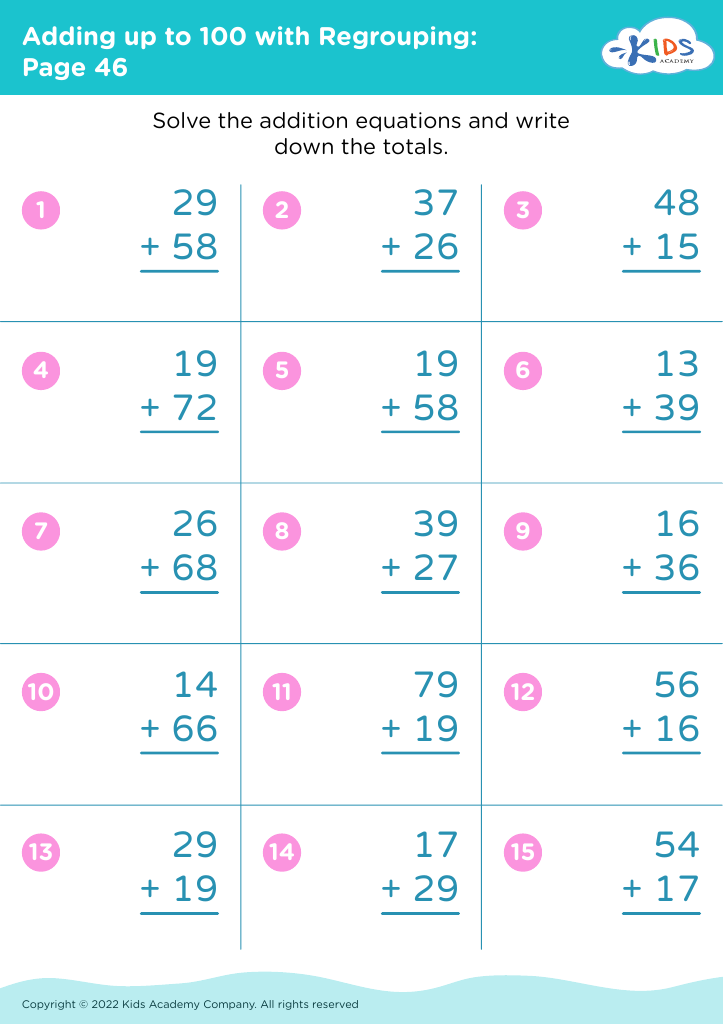
Adding up to 100 with Regrouping: Page 46
Worksheet
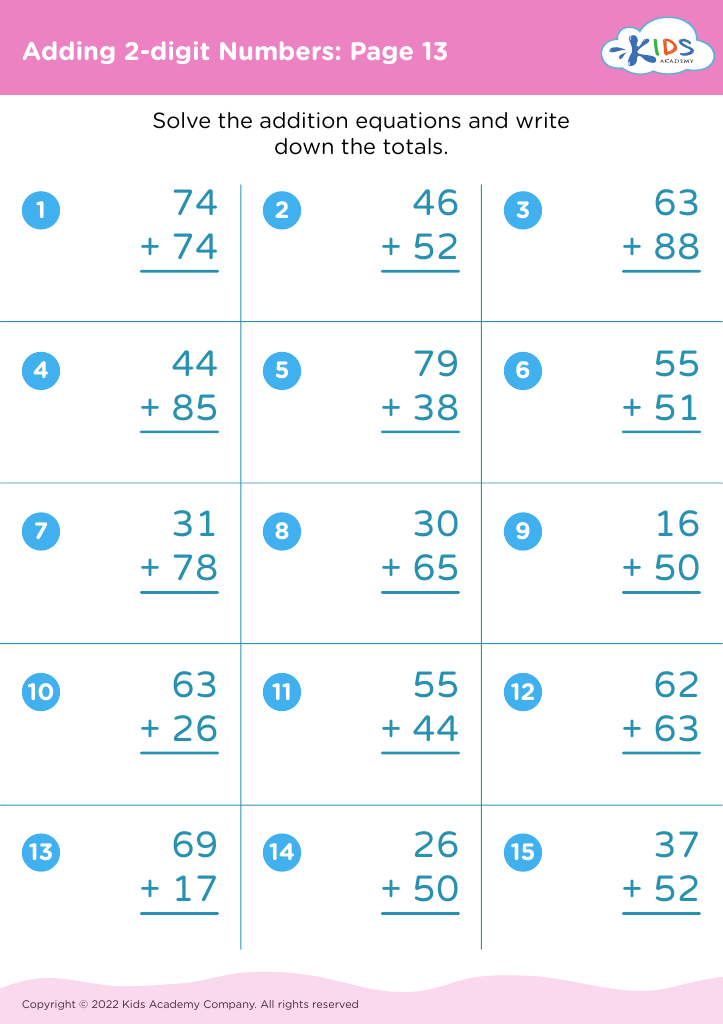
Adding 2-digit Numbers: Page 13

Adding 2-digit Numbers: Page 13

Adding 2-digit Numbers: Page 13
Worksheet
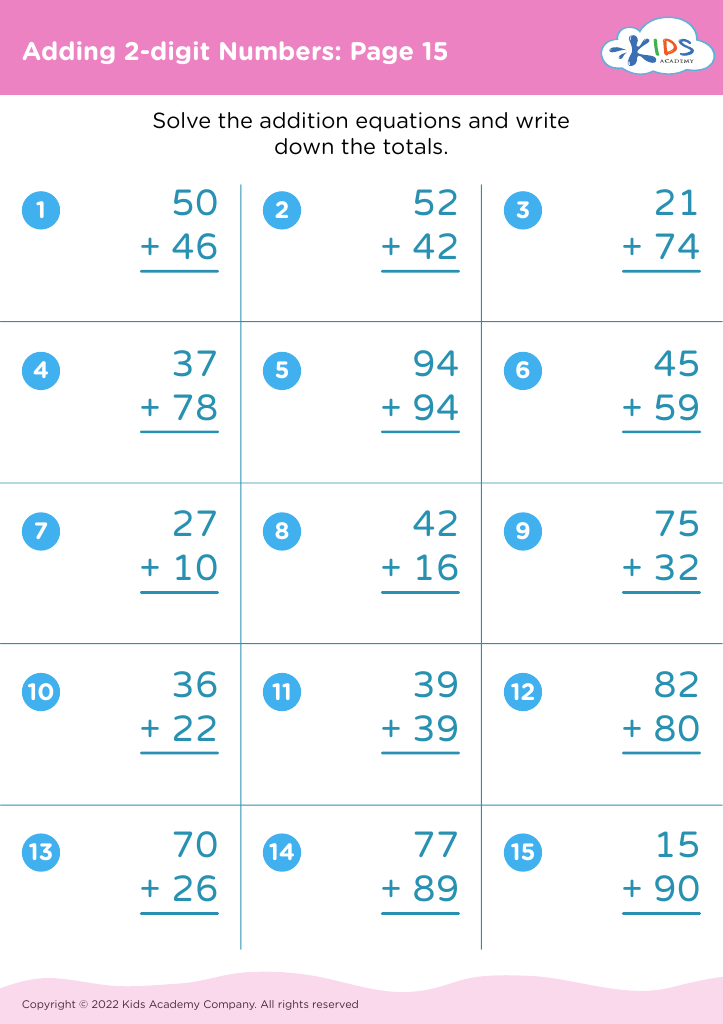
Adding 2-digit Numbers: Page 15

Adding 2-digit Numbers: Page 15

Adding 2-digit Numbers: Page 15
Worksheet
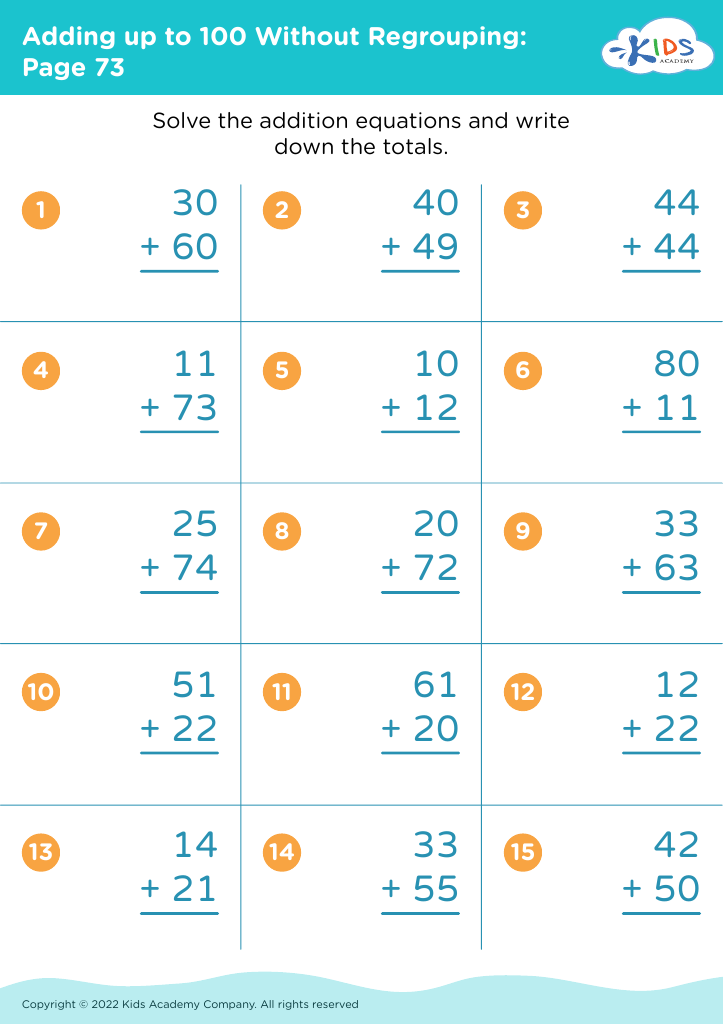
Adding up to 100 Without Regrouping: Page 73
Worksheet
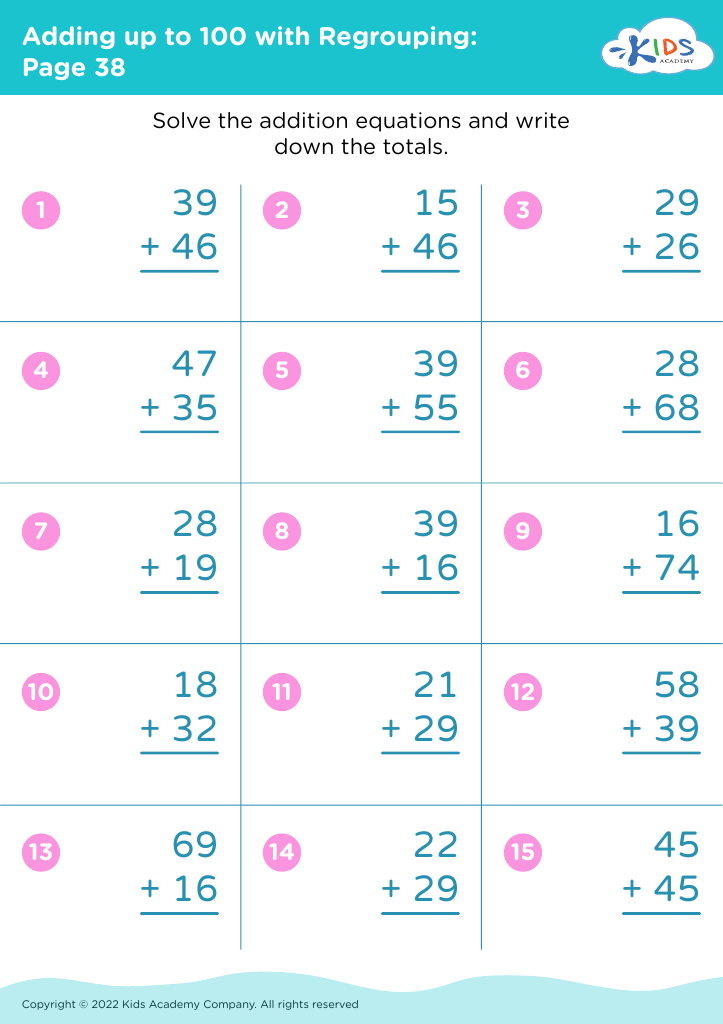
Adding up to 100 with Regrouping: Page 38
Worksheet
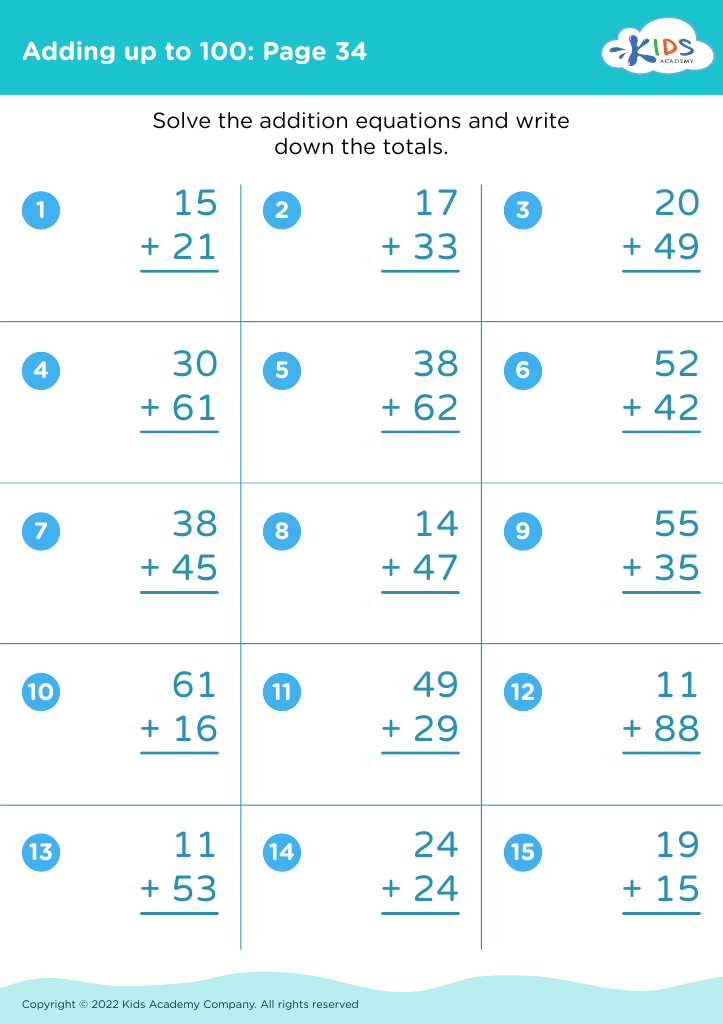
Adding up to 100: Page 34

Adding up to 100: Page 34

Adding up to 100: Page 34
Worksheet
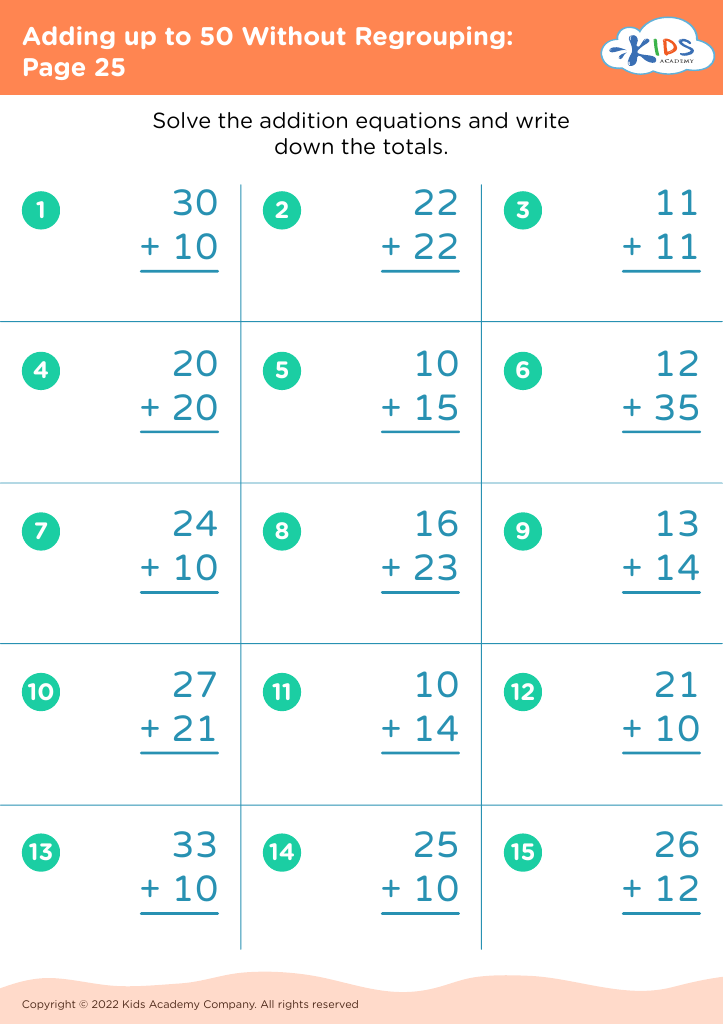
Adding up to 50 Without Regrouping: Page 25
Worksheet
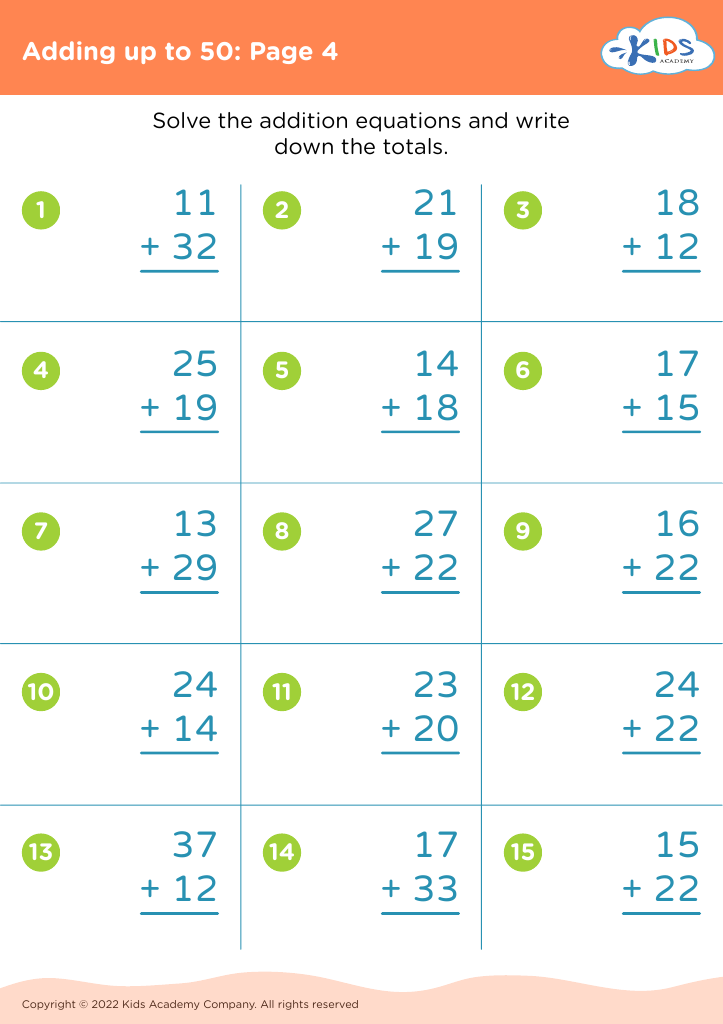
Adding up to 50: Page 4

Adding up to 50: Page 4

Adding up to 50: Page 4
Worksheet
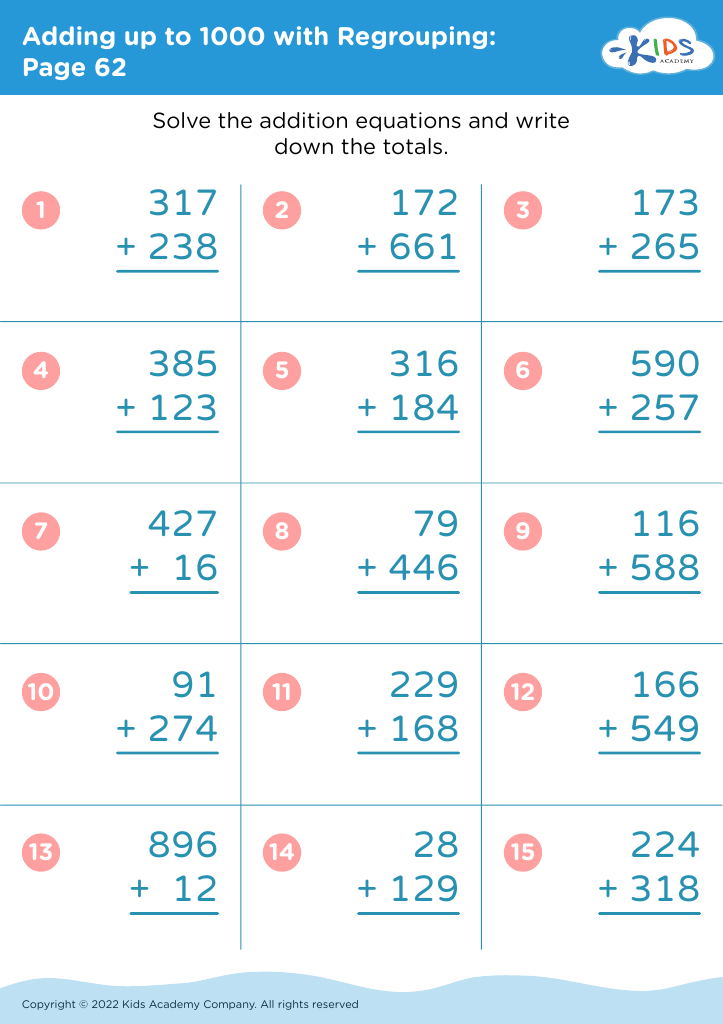
Adding up to 1000 with Regrouping: Page 62
Worksheet
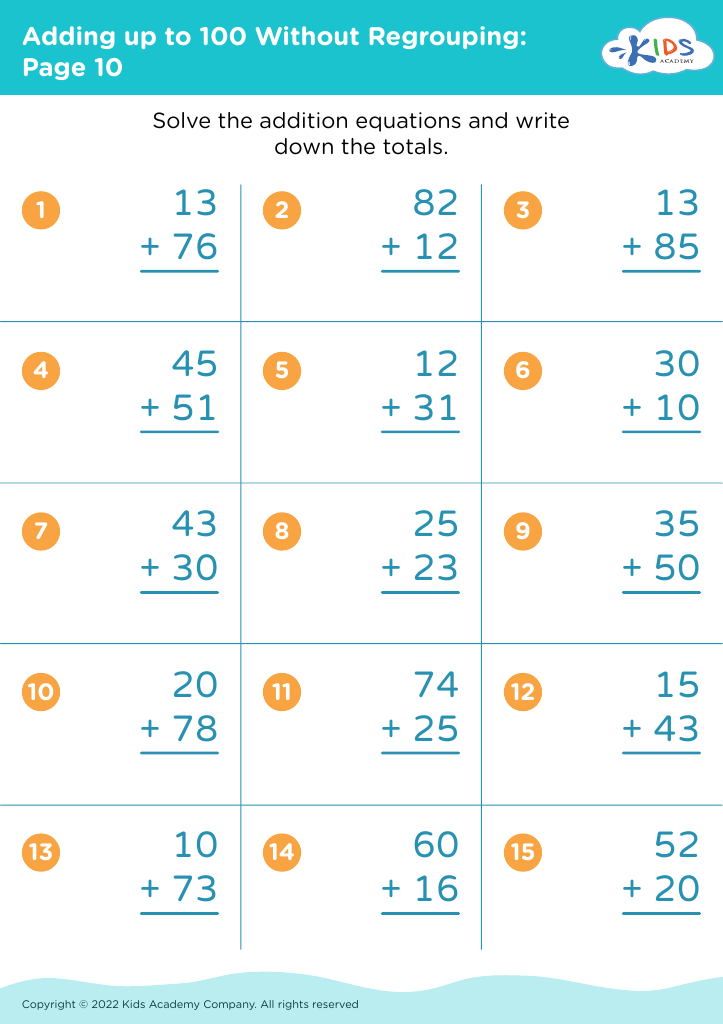
Adding up to 100 Without Regrouping: Page 10
Worksheet
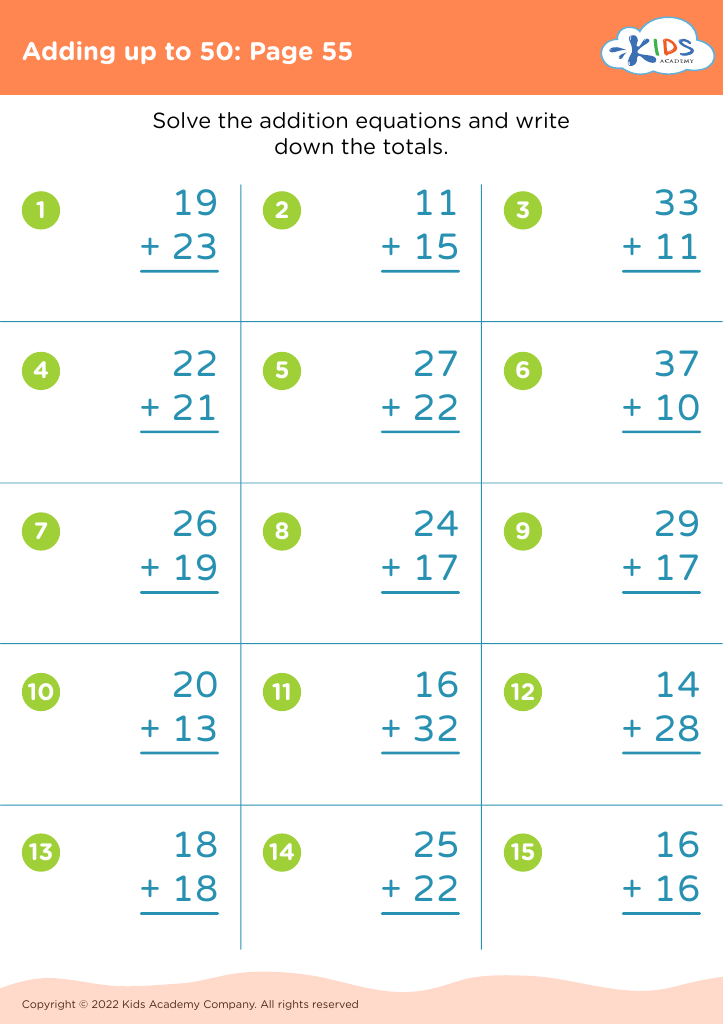
Adding up to 50: Page 55

Adding up to 50: Page 55

Adding up to 50: Page 55
Worksheet
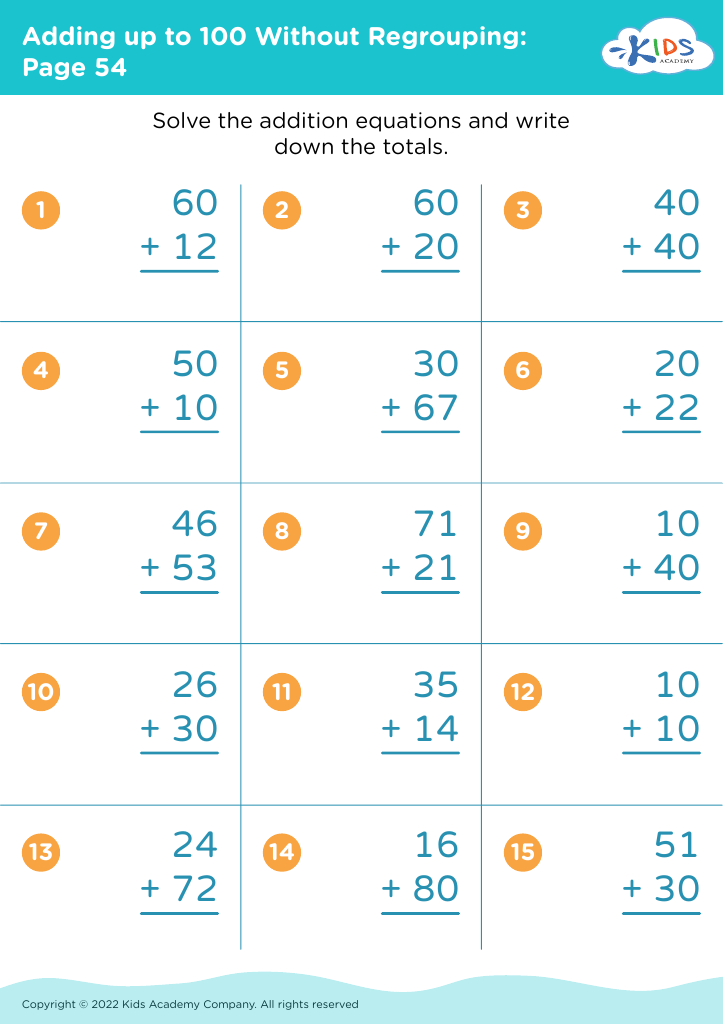
Adding up to 100 Without Regrouping: Page 54
Worksheet
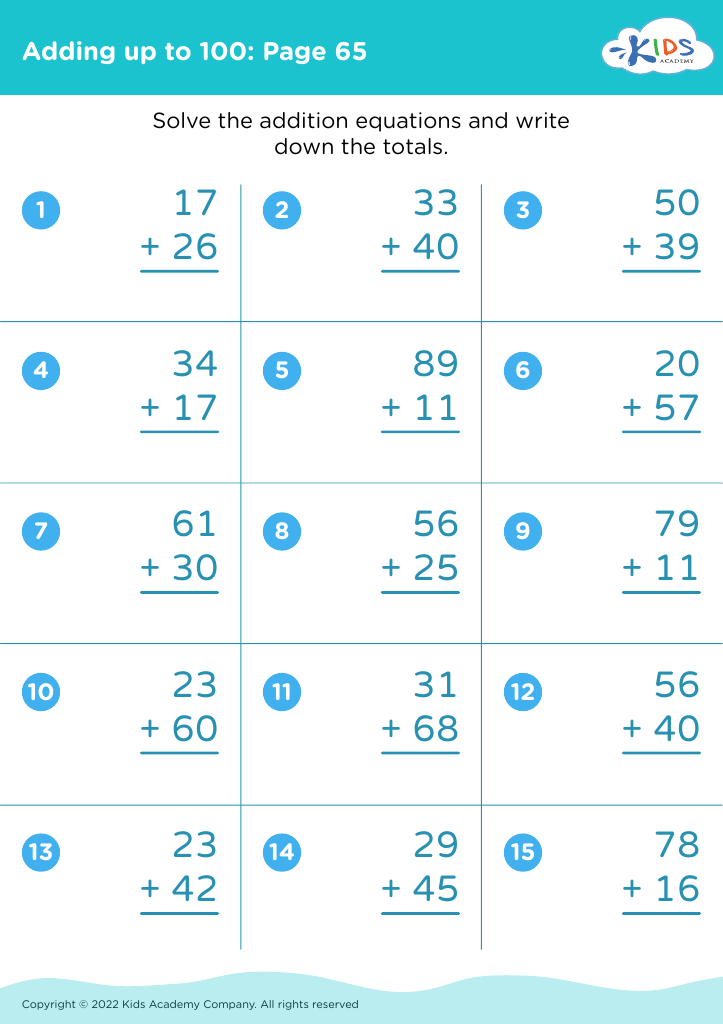
Adding up to 100: Page 65

Adding up to 100: Page 65

Adding up to 100: Page 65
Worksheet
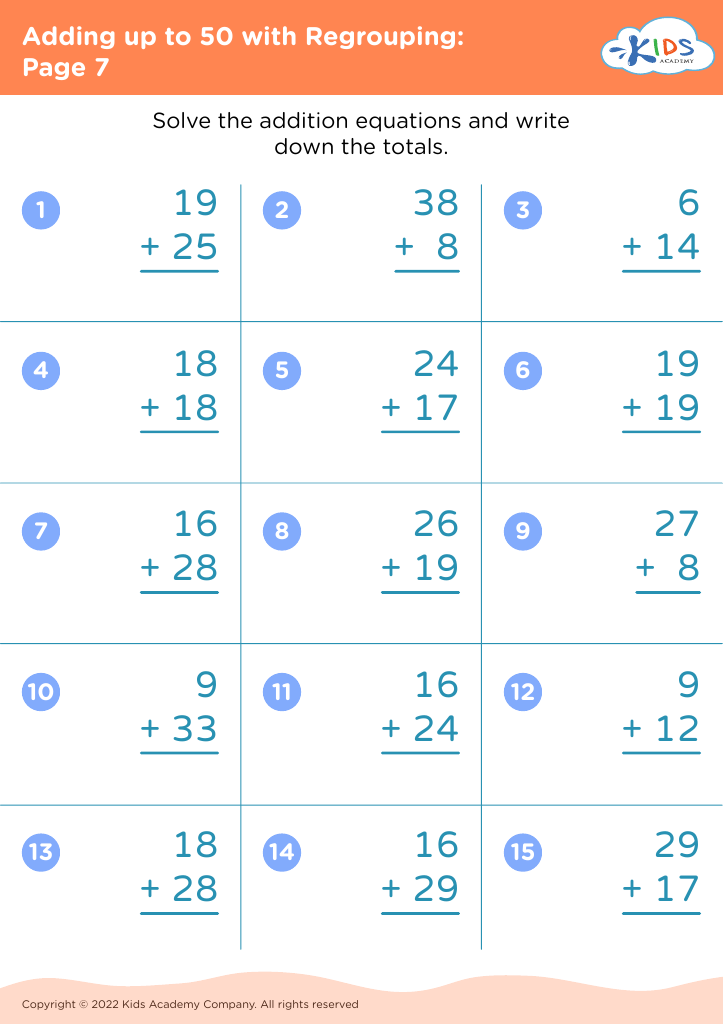
Adding up to 50 with Regrouping: Page 7
Worksheet
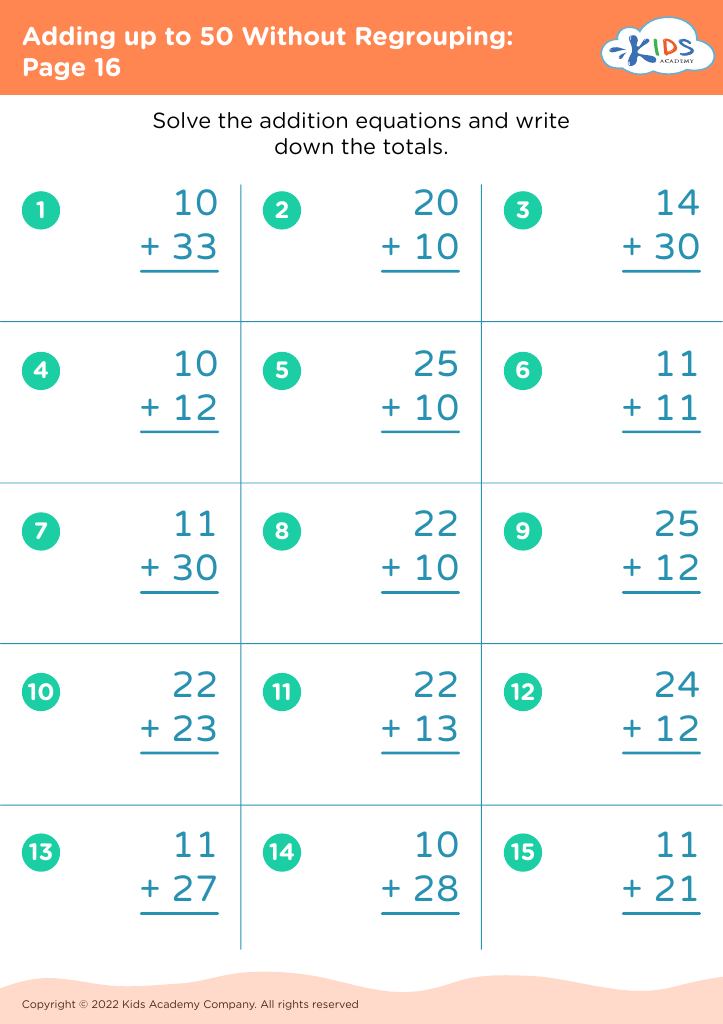
Adding up to 50 Without Regrouping: Page 16
Worksheet
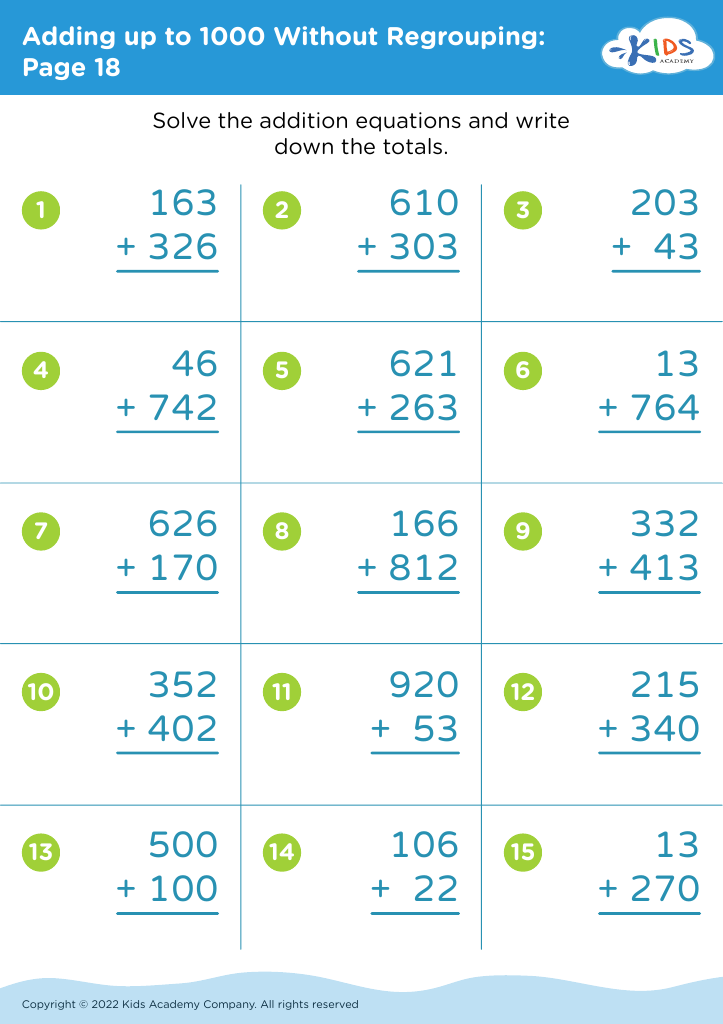
Adding up to 1000 Without Regrouping: Page 18
Worksheet
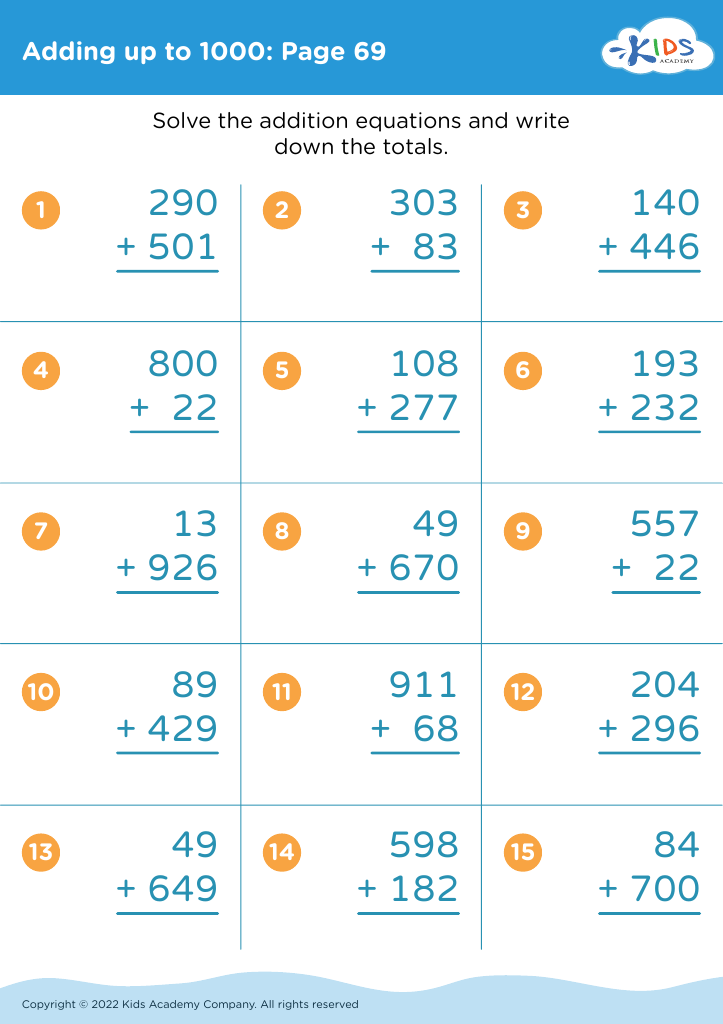
Adding up to 1000: Page 69

Adding up to 1000: Page 69

Adding up to 1000: Page 69
Worksheet
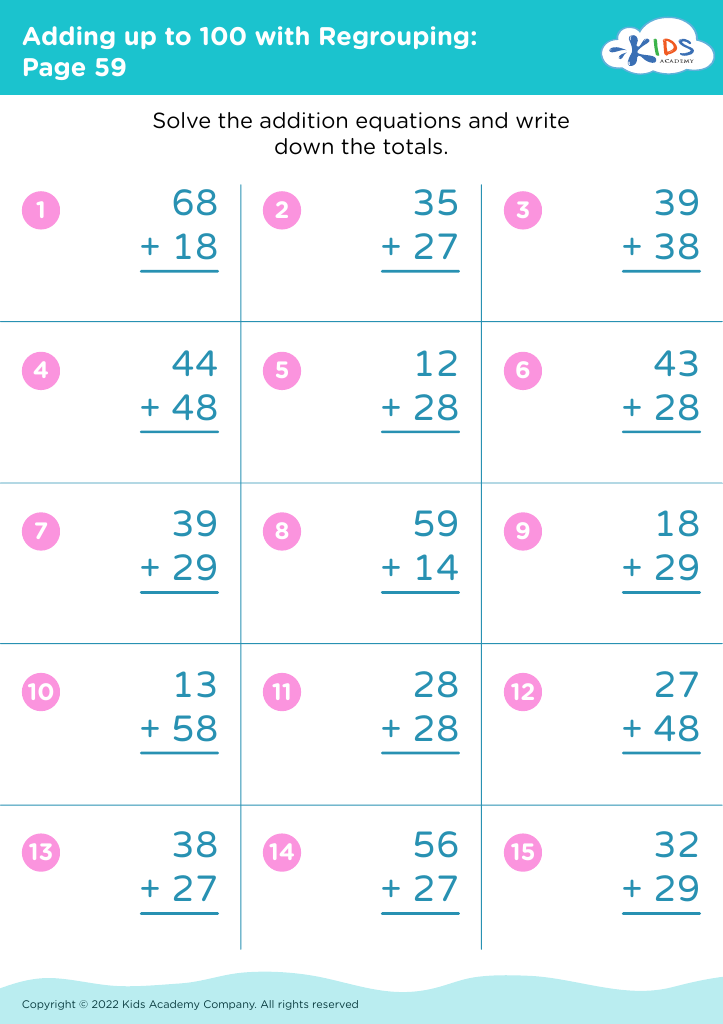
Adding up to 100 with Regrouping: Page 59
Worksheet
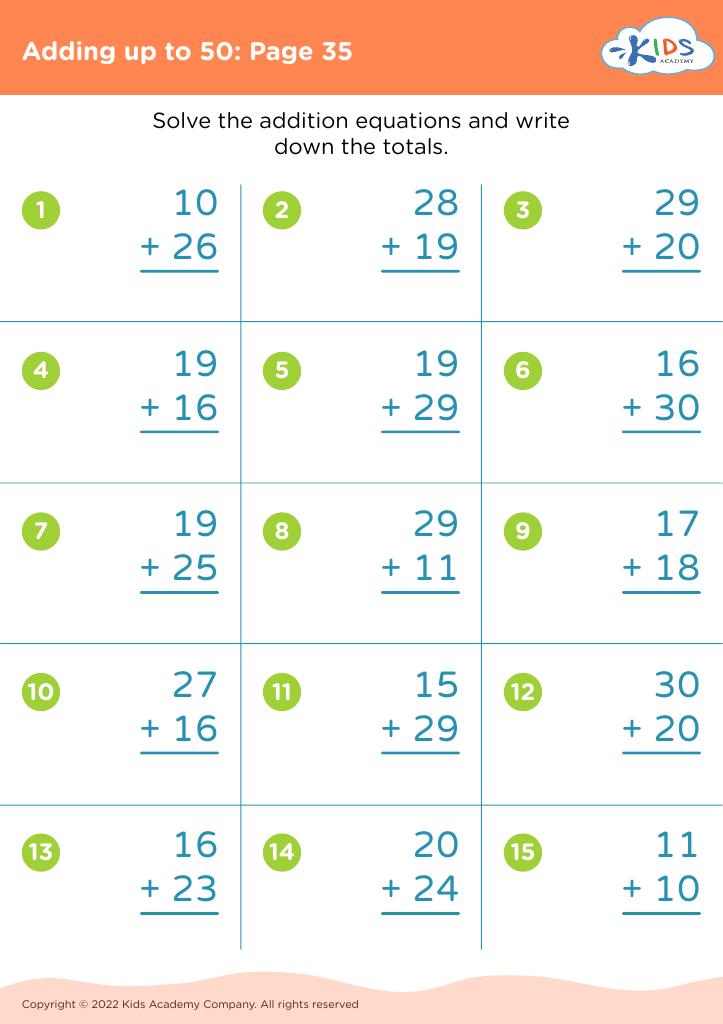
Adding up to 50: Page 35

Adding up to 50: Page 35

Adding up to 50: Page 35
Worksheet
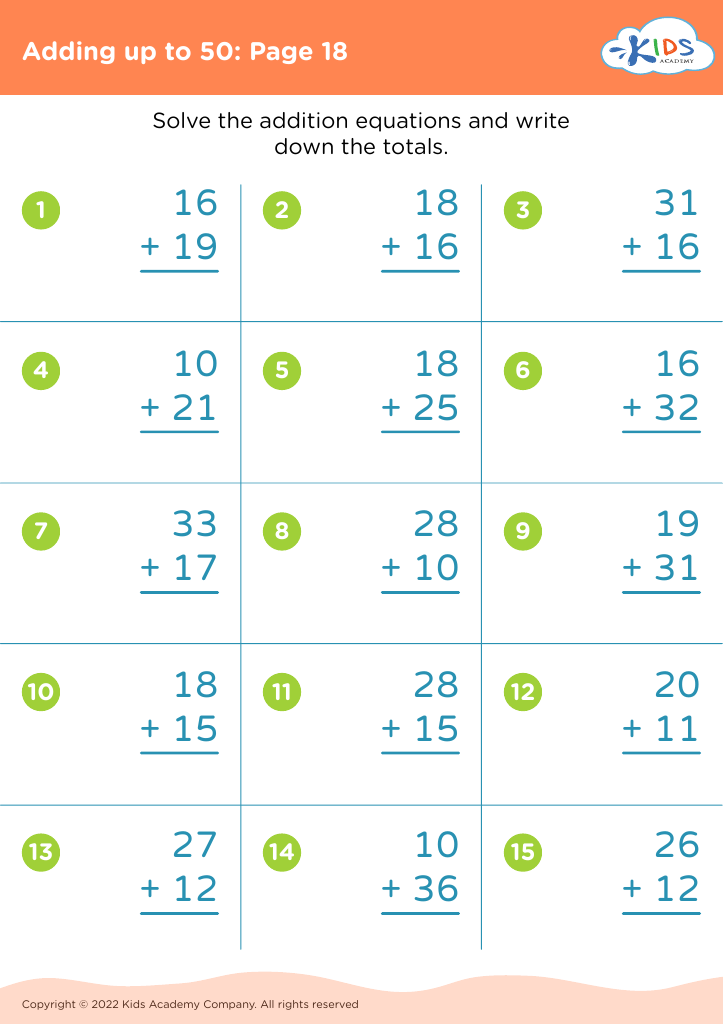
Adding up to 50: Page 18

Adding up to 50: Page 18

Adding up to 50: Page 18
Worksheet
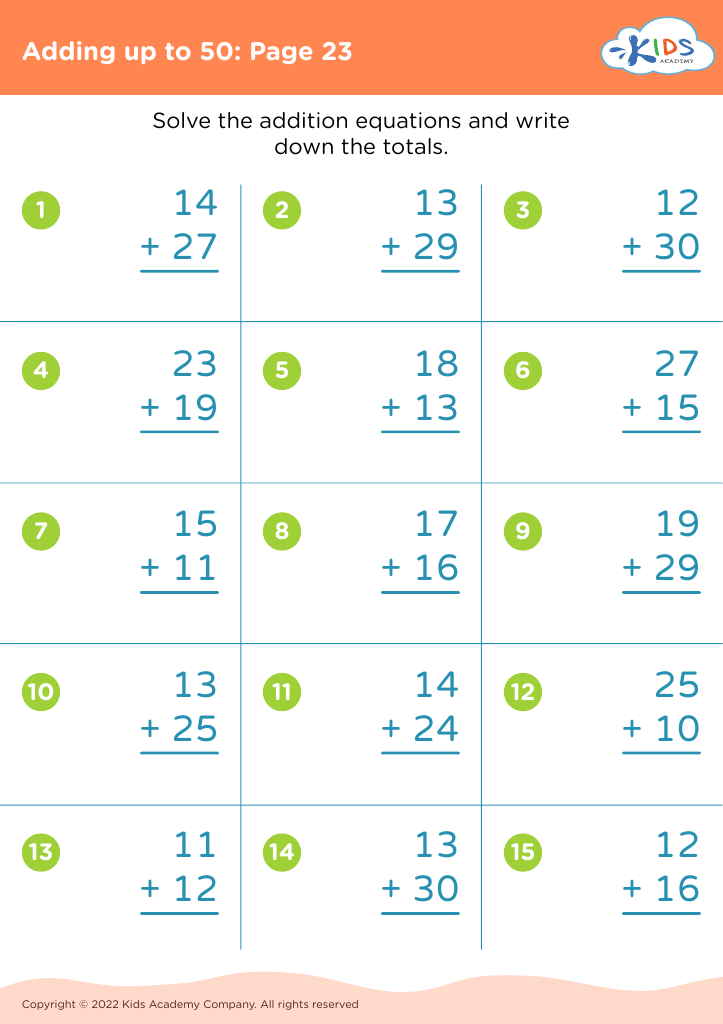
Adding up to 50: Page 23

Adding up to 50: Page 23

Adding up to 50: Page 23
Worksheet
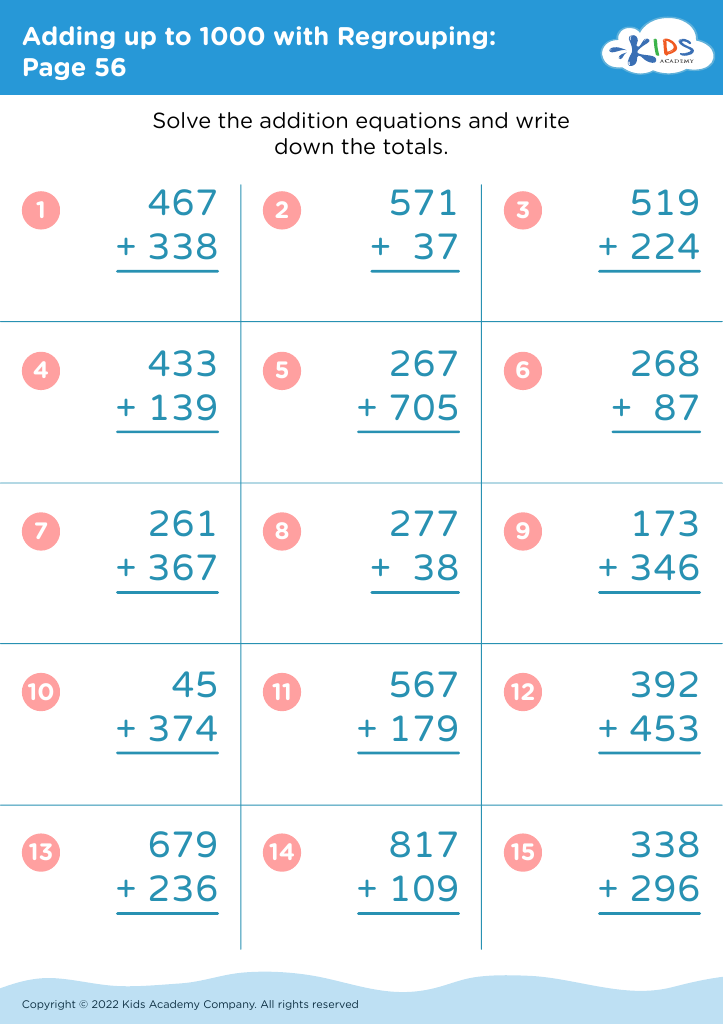
Adding up to 1000 with Regrouping: Page 56
Worksheet
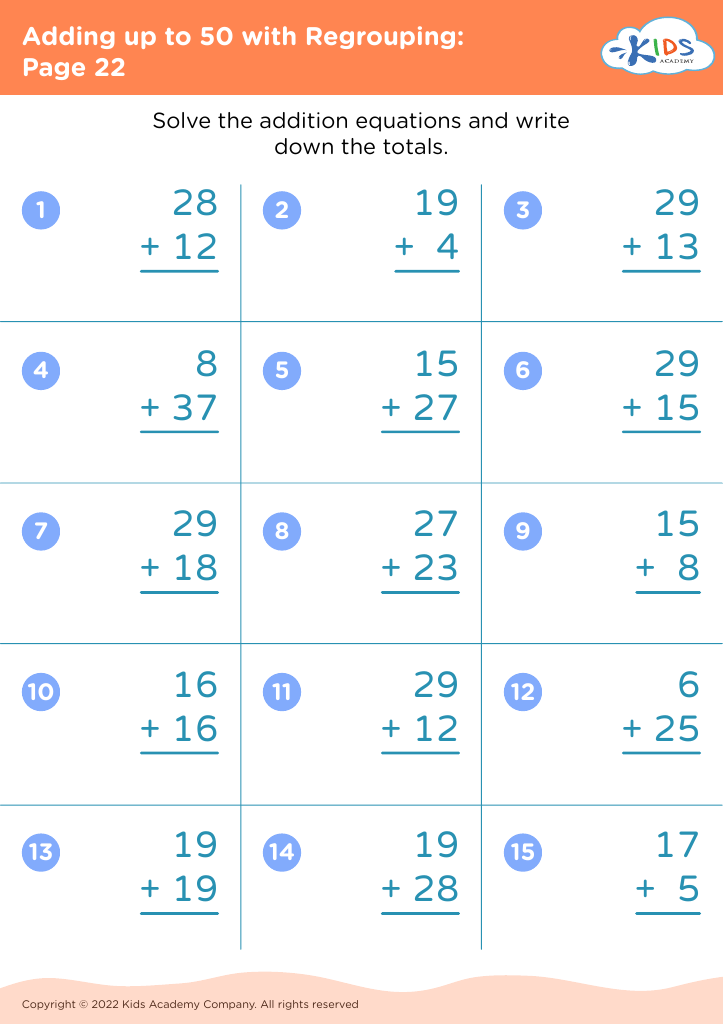
Adding up to 50 with Regrouping: Page 22
Worksheet
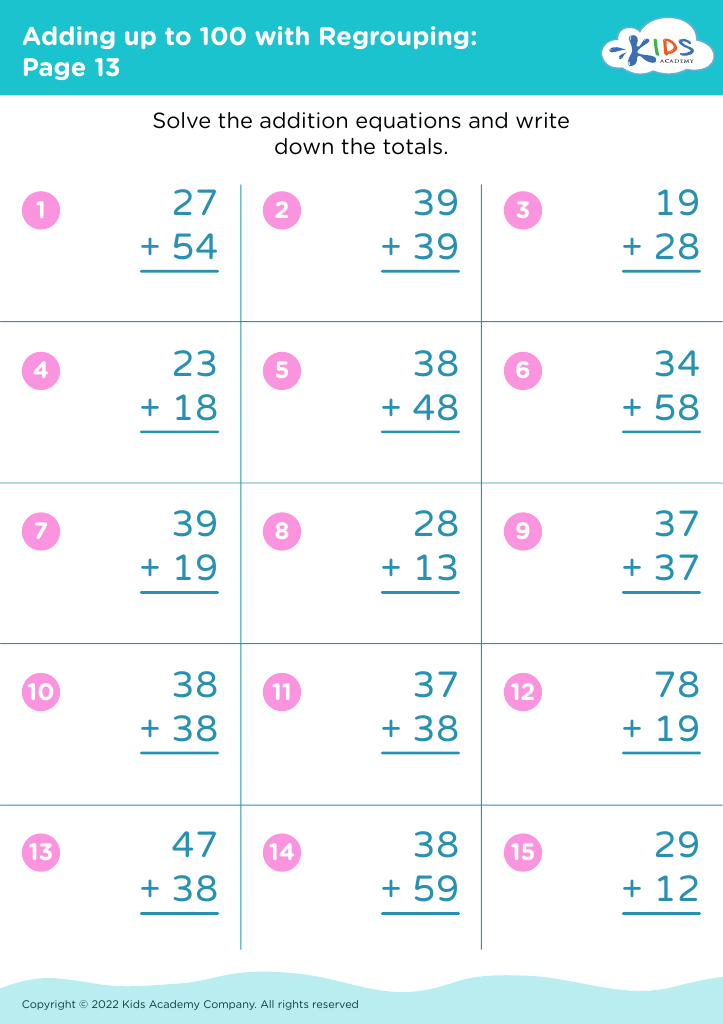
Adding up to 100 with Regrouping: Page 13
Worksheet


Comparing fractions in Grade 2 is a foundational mathematical concept that anchors a child's understanding of how parts relate to a whole, which is crucial for their progression in mathematics. When parents and teachers emphasize comparing fractions, they cultivate a child’s ability to think critically, reason logically, and make sense of numbers in real-world situations. This skill also enhances a child's understanding of more complex mathematical concepts they will encounter later, such as ratios, proportions, and percentages.

Early exposure to comparing fractions helps students to grasp the importance of fair sharing and equal parts, which can be directly applied in everyday activities like dividing snacks among friends or measuring ingredients in a recipe. This practical understanding boosts their confidence and interest in mathematics, fostering a positive attitude towards learning.

Furthermore, integrating fractions in fun, relatable activities helps children develop problem-solving skills and promotes perseverance in tackling mathematical challenges. Parents and teachers play a pivotal role by providing consistent support and reinforcement, using visual aids and interactive tools to make learning enjoyable.

By valuing the significance of comparing fractions at an early age, parents and teachers contribute to a stronger mathematical foundation, setting the stage for future academic success and a lifelong appreciation of math.