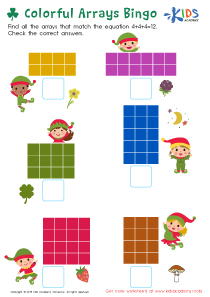
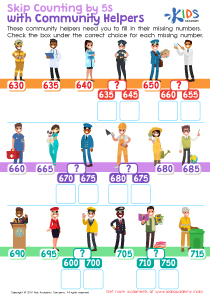
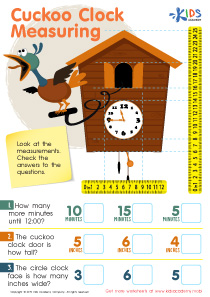
Develop analytical thinking Grade 2 Math Worksheets
3 filtered results
Difficulty Level
Grade
Age
-
From - To
Subject
Activity
Standards
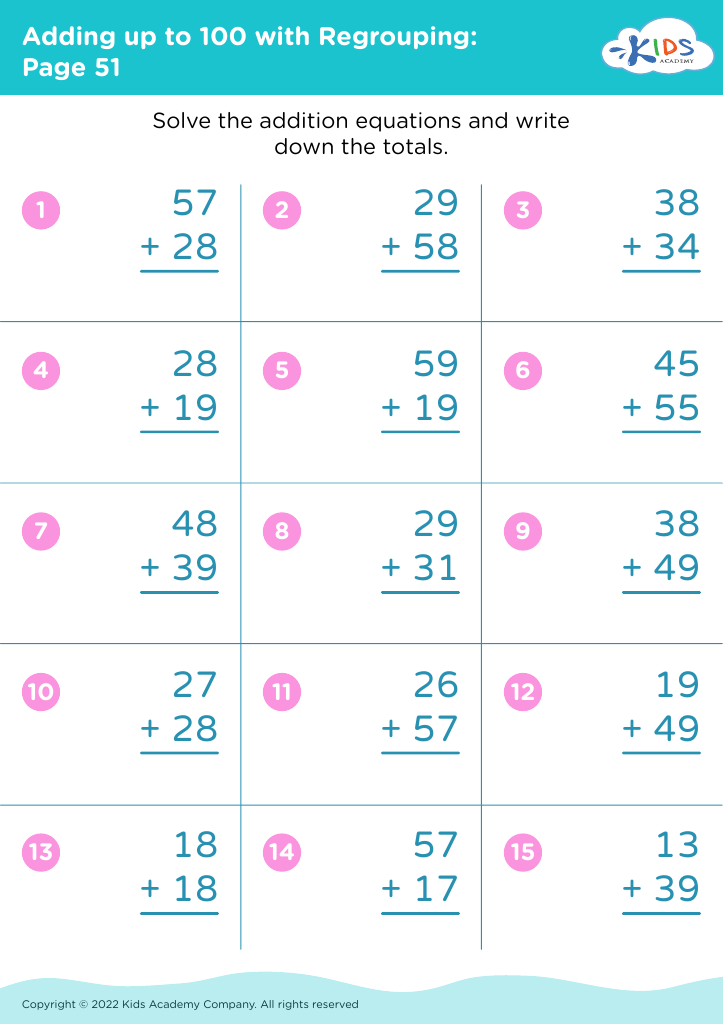
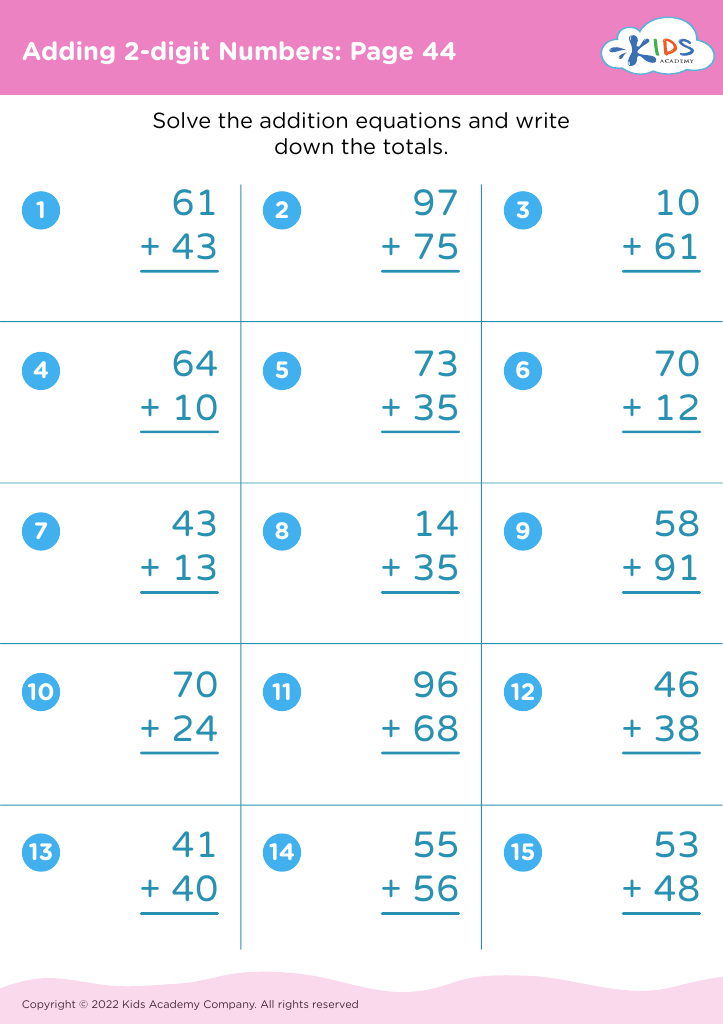
Unlock your child’s potential with our Grade 2 Math Worksheets designed to develop analytical thinking! Our engaging and interactive worksheets encourage critical thinking skills through puzzles, word problems, and pattern recognition exercises. Perfect for second graders, these activities build a strong foundation in math concepts while making learning fun and enjoyable. Each worksheet is tailored to enhance problem-solving abilities and logical reasoning, giving young learners the tools they need for future academic success. Visit us online to download and print these essential learning resources to help your child excel in math and develop essential analytical skills.
Favorites
With answer key
Interactive
Join Kids Academy for Free
Who is primarily going to use this learning content?








Developing analytical thinking in Grade 2 math is crucial because it lays the foundation for problem-solving skills that are essential throughout a child's education and life. Analytical thinking encourages students to examine problems methodically, consider multiple solutions, and make reasoned decisions. At this young age, children are beginning to grasp basic math concepts, such as addition, subtraction, counting, and simple geometry. Embedding analytical thinking into these lessons helps children learn to understand "why" as well as "how."
For example, when children solve word problems, they learn to break down information, assess different approaches, and see the relationships between numbers. These skills extend beyond math; they are vital for science, reading comprehension, and daily decision-making.
Moreover, fostering analytical thinking early on can boost children's confidence and enjoyment in learning. As they experience small successes in problem-solving, they develop a growth mindset, understanding that effort and strategy lead to improvement.
Teachers and parents play a pivotal role by providing stimulating activities, engaging in discussions that encourage critical thinking, and praising thoughtful problem-solving rather than quick answers. By nurturing analytical thinking in Grade 2 math, they help children build a strong, adaptable brain tailored for future academic and real-world challenges.