Learn addition Grade 2 Math Worksheets
3 filtered results
-
From - To
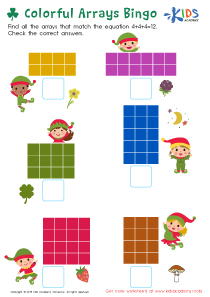
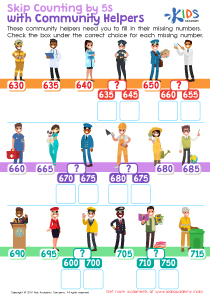
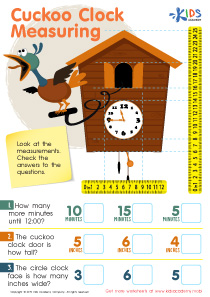
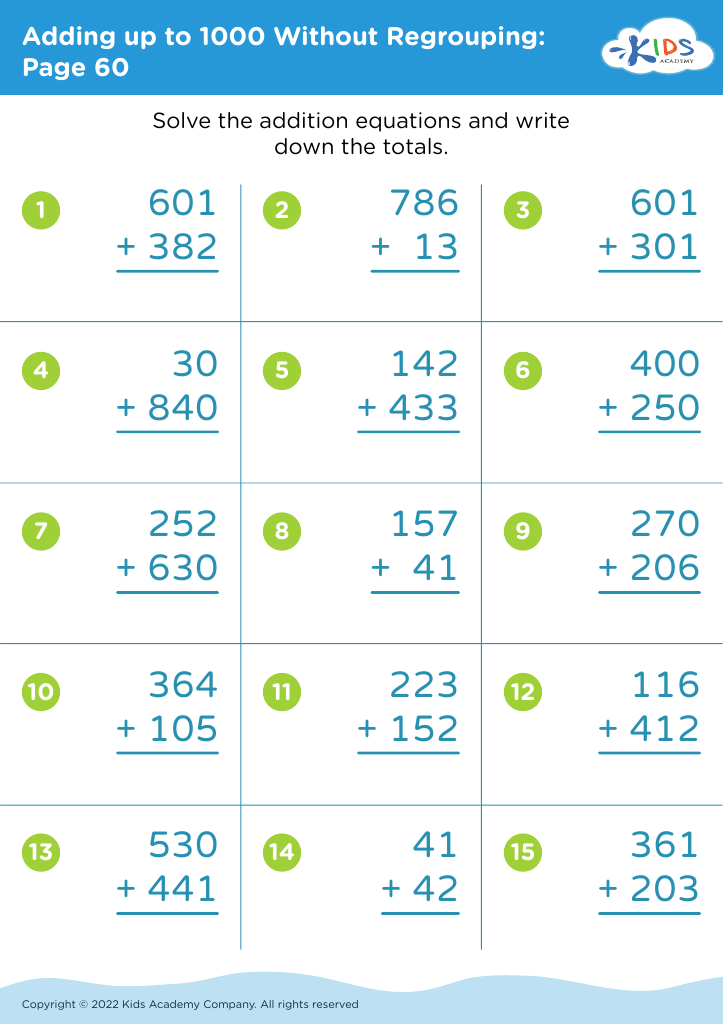
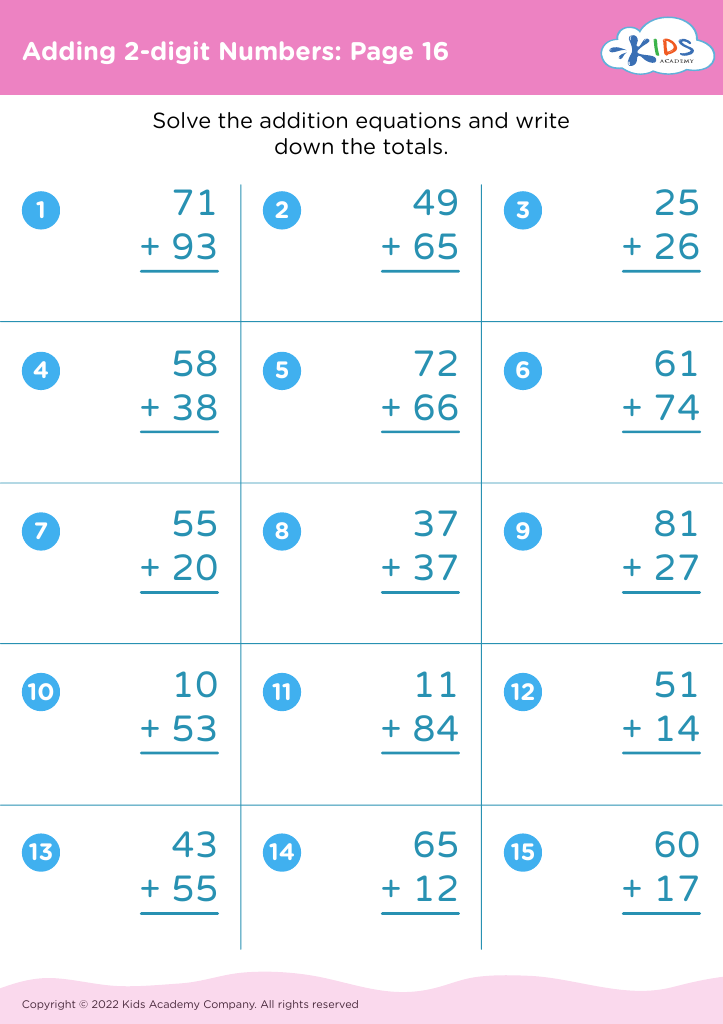
Discover our engaging Grade 2 math worksheets focused on mastering addition! Designed specifically for young learners, these interactive resources provide a fun way to strengthen addition skills. Our worksheets include a variety of exercises, from simple equations to word problems, ensuring that students develop a solid understanding of addition concepts. With captivating visuals and age-appropriate challenges, children will enjoy learning at their own pace. Perfect for use in the classroom or at home, our addition worksheets help build confidence and proficiency in math. Start your child's journey to math success today with our comprehensive collection!
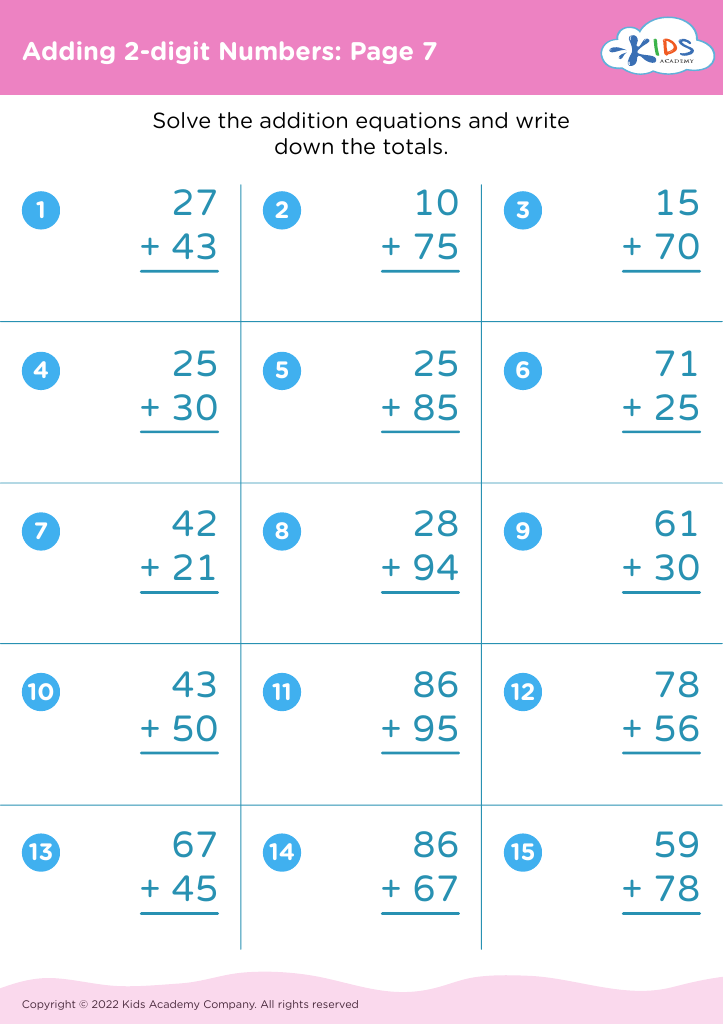






Parents and teachers should care about Grade 2 math, particularly addition, because it serves as a foundational skill essential for a child’s academic and daily life. Mastering addition at this stage not only builds confidence in young learners but also develops critical thinking and problem-solving abilities. In Grade 2, students typically transition from concrete understanding, using manipulatives and visual aids, to more abstract concepts, fostering independence in their learning journey.
Moreover, addition is interrelated with various other subjects. Proficiency in addition supports advancement in geometry, measurement, and even future algebra. It lays the groundwork for financial literacy, helping children understand concepts of money and budgeting as they grow.
Additionally, early mastery of addition promotes positive attitudes towards mathematics. Engaging activities, games, and real-life applications encouraged by parents and teachers can enhance a child's interest, making math fun rather than intimidating. It positively affects overall academic performance, contributing to long-term success in educational pursuits.
Ultimately, supporting students in mastering addition will prepare them not just for future math challenges but for a well-rounded understanding of the world around them, thus equipping them with critical life skills for years to come.