Logical thinking Grade 2 Math Worksheets
10 filtered results
-
From - To
Enhance your child's cognitive skills with our engaging "Logical Thinking Grade 2 Math Worksheets". These thoughtfully designed worksheets help second graders sharpen their logical reasoning through diverse puzzles, patterns, and problem-solving activities. Our resources foster critical thinking, promoting a deeper understanding of mathematical concepts while making learning fun and interactive. Each worksheet targets key skills such as sequencing, comparing, and using deduction. Aligned with educational standards, our printables are perfect for classroom use or additional practice at home. Give your young learner the tools they need to succeed and develop a love for math. Start empowering their mind today!
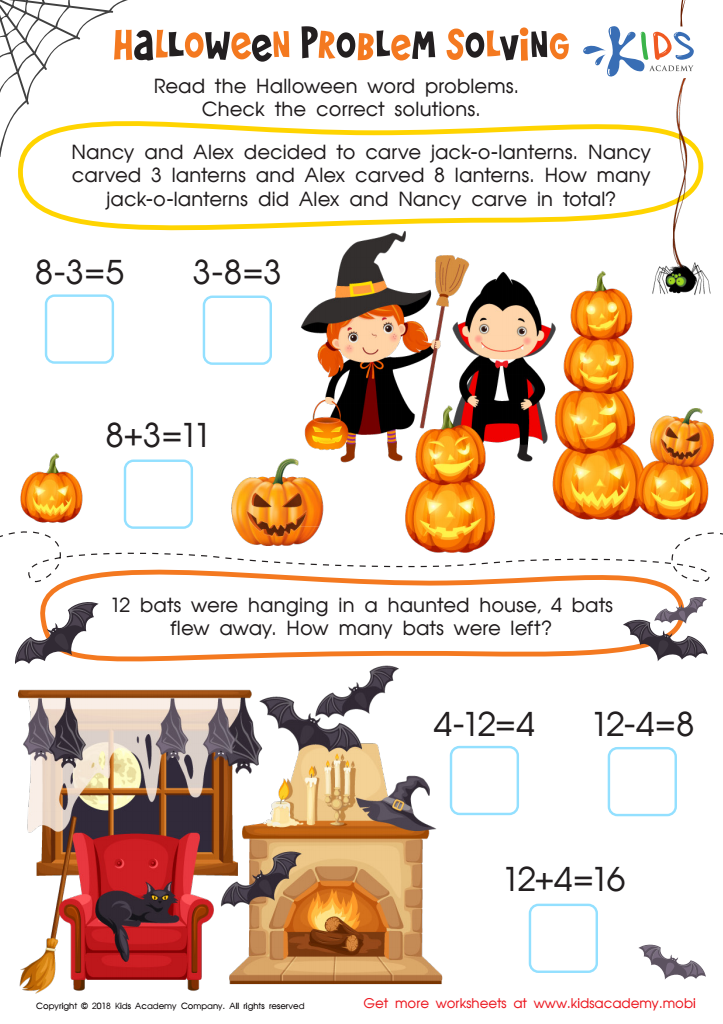
Halloween Problem Solving Worksheet
 Assign to My Students
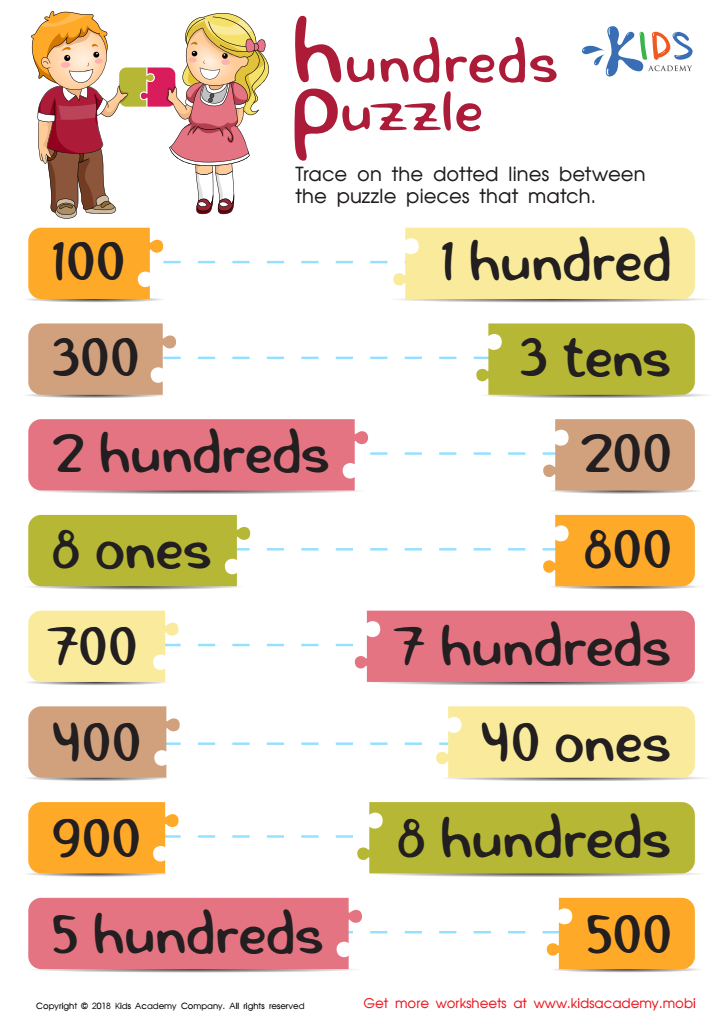
Hundreds Puzzle Worksheet
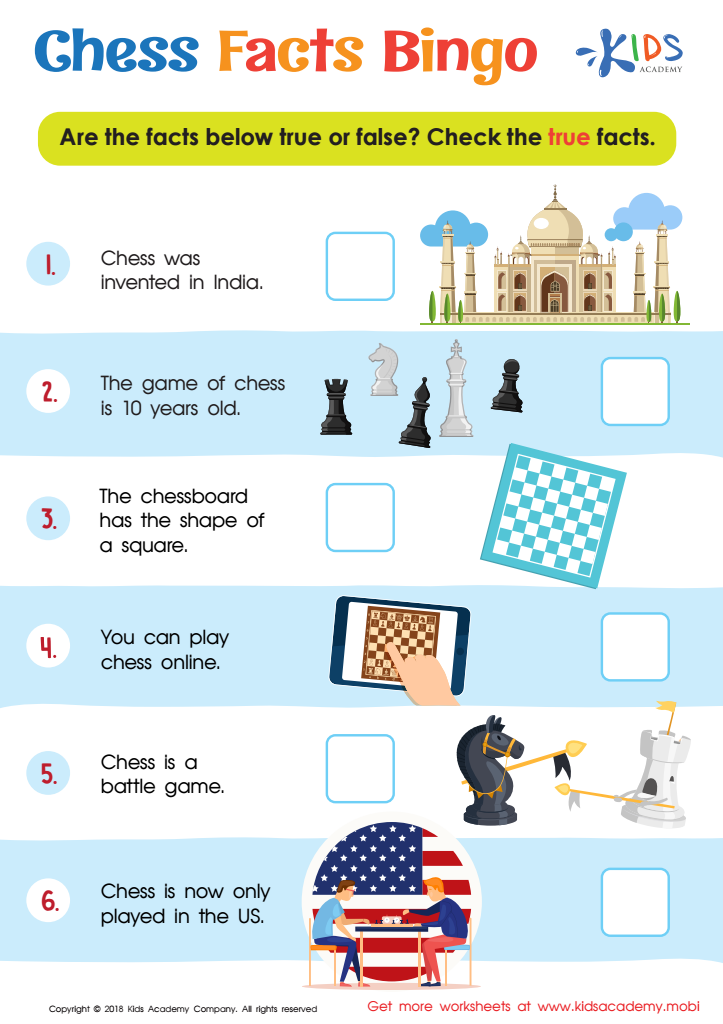
Chess Facts Bingo Worksheet








Logical thinking skills are essential building blocks for Grade 2 math and beyond, helping children become proficient problem solvers and logical decision-makers. When parents and teachers emphasize logical thinking, they are encouraging a structured approach to approaching problem-solving that is fundamental in understanding math.
At this stage, children who can think logically can easily grasp fundamental concepts such as patterns, sequences, and basic arithmetic operations (addition, subtraction, multiplication, and division). This anticipation of how to approach problems systematically makes new, more complex concepts more approachable and less intimidating as they progress through school.
Moreover, fostering logical thinking supports overall cognitive development. Children learn to make connections between ideas, improving both comprehension and retention skills, which are critical in all subject areas. Logical thinking also goes hand-in-hand with critical thinking, empowering children to inquire, hypothesize, test, and make sense of the information they encounter.
When adults nurture logical thinking, they are equipping children with life skills—not just academic achievement. It promotes curiosity and confidence, making learning an exciting, rewarding experience. Ultimately, strong logical thinking skills form a strong infrastructure for both academic success and personal growth, ensuring children are well-prepared for the challenges ahead in education and life.
By investing in logical thinking from an early age, we provide children with tools critical for their entire educational journey and beyond.