Matching skills Grade 2 Math Worksheets
5 filtered results
-
From - To
Boost your child's math aptitude with our Grade 2 Matching Skills Math Worksheets! Perfectly curated for young learners, these engaging resources enhance key math skills such as addition, subtraction, and number recognition through fun matching exercises. Designed by educators, our worksheets ensure effective learning while keeping your child motivated and entertained. By linking related concepts, students can easily grasp foundational math principles while developing critical thinking and problem-solving skills. Ideal for classroom use or at-home practice, these worksheets are a fantastic tool to build a strong math foundation. Help your second grader excel in math today!
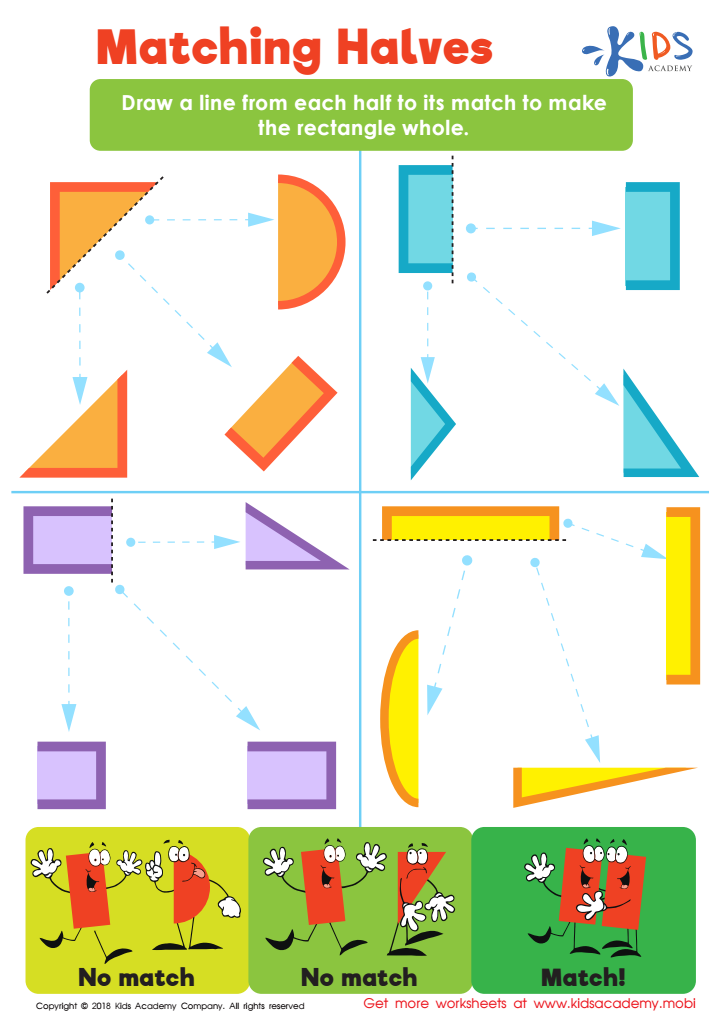
Matching Halves Worksheet
 Assign to My Students
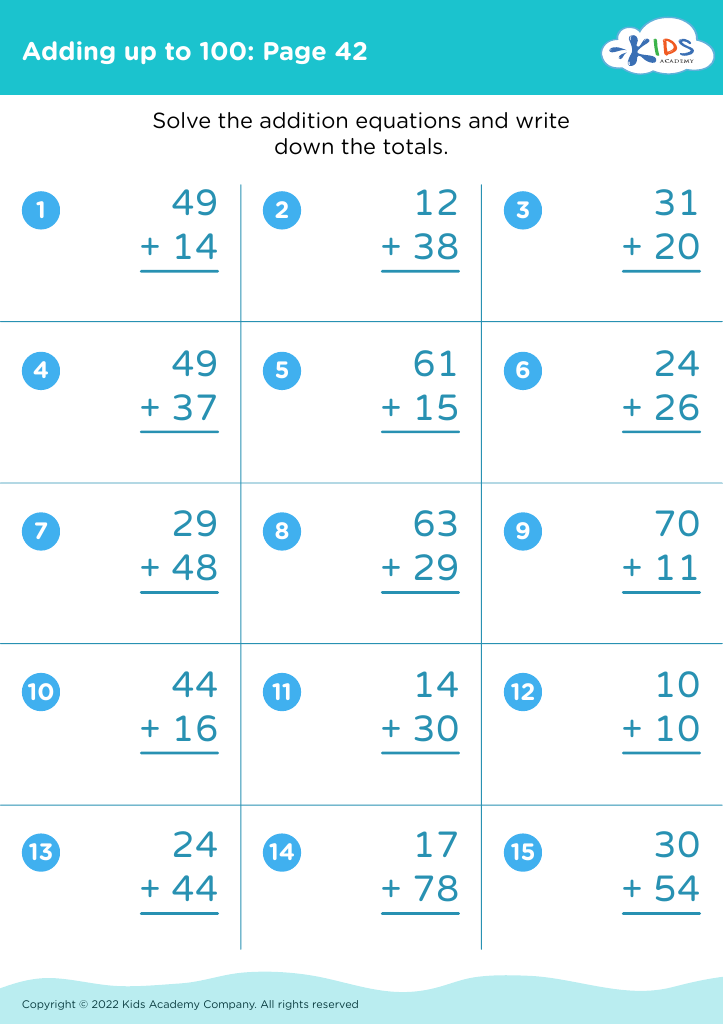
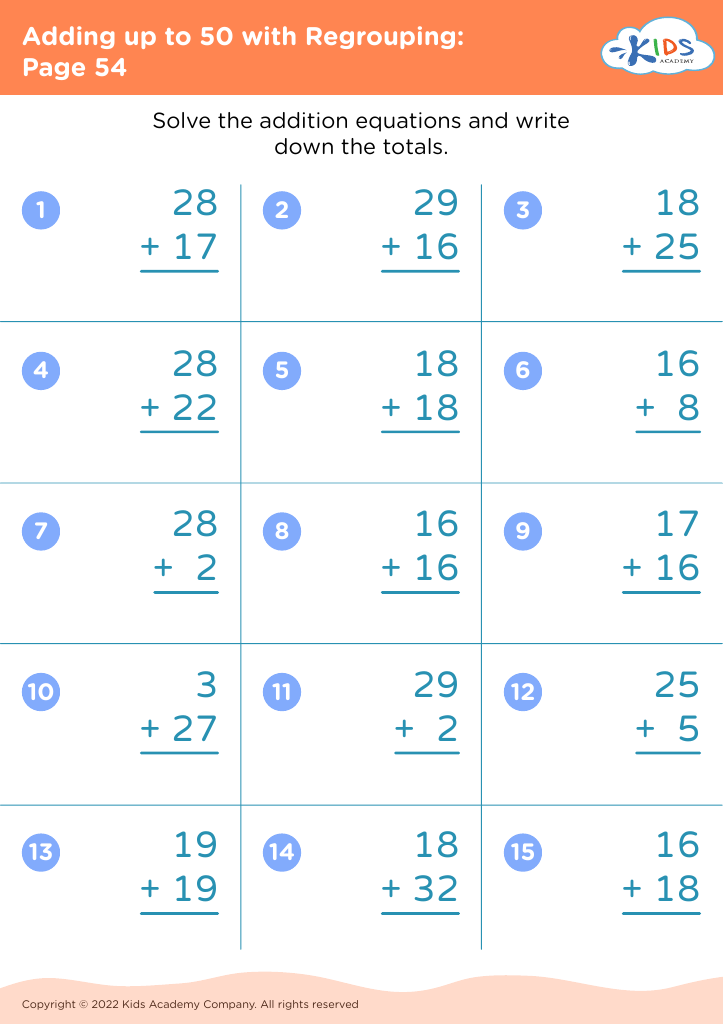
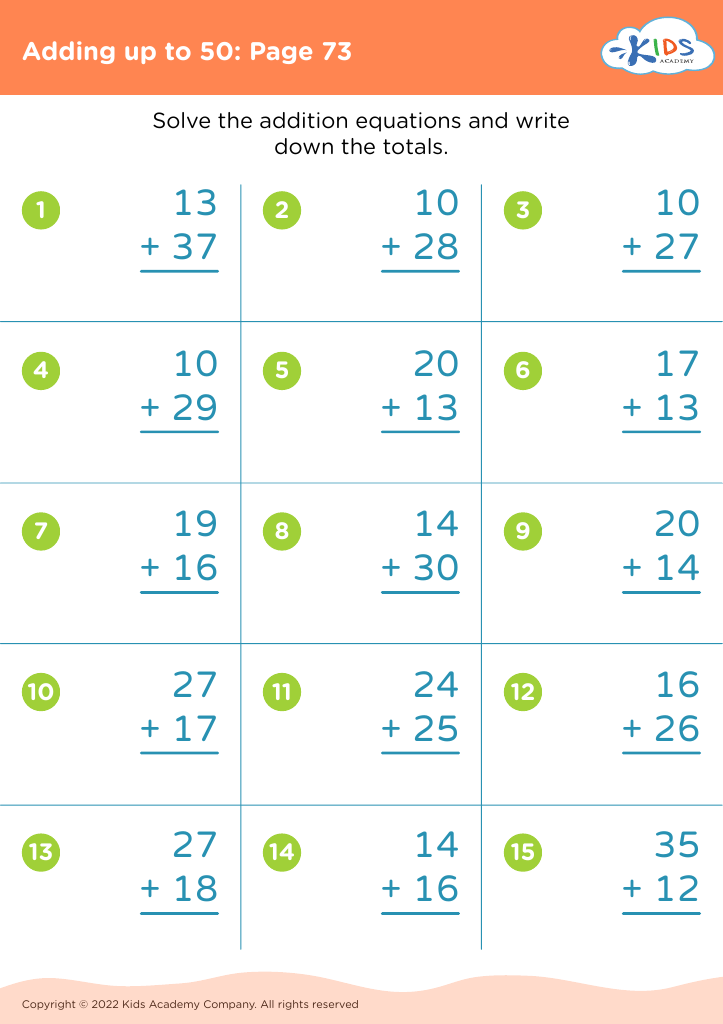
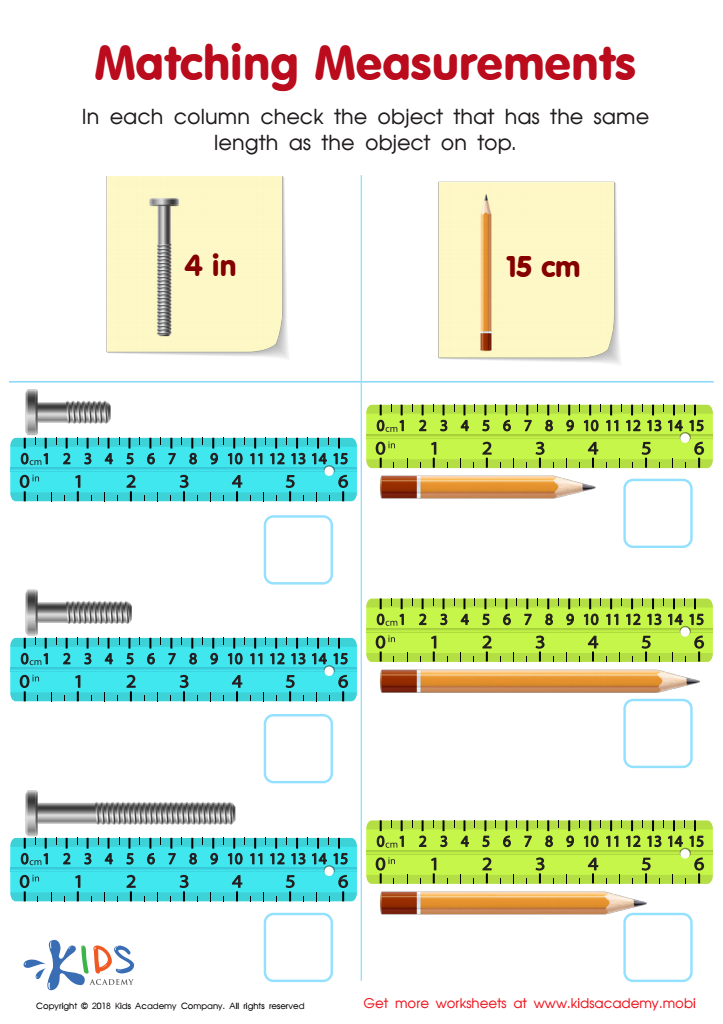
Matching Measurements Worksheet







Parents and teachers have a pivotal role in nurturing a child's mathematical development, especially in the second grade, where foundational skills are laid. Matching skills in Grade 2 math refer to the ability to recognize relationships between numbers, patterns, and basic operations. Developing these skills is essential for several reasons.
First, matching skills form the building blocks for more complex mathematical concepts. If children grasp these early on, they are more likely to excel in future math classes. For instance, recognizing patterns helps in understanding multiplication, division, and even algebra later on.
Second, strong matching skills enhance problem-solving abilities. By identifying relationships and patterns, children learn to approach problems logically and methodically. This cognitive skill extends beyond mathematics, aiding in areas such as reading, science, and critical thinking.
Third, fostering these skills improves a child's confidence and enthusiasm for math. When children successfully match numbers and patterns, they experience a sense of accomplishment. This positive reinforcement can make them more willing to tackle challenging tasks and reduces math anxiety.
Finally, early mastery of matching skills ensures that children meet academic standards and are well-prepared for standardized testing. For both parents and teachers, investing time and attention in developing these skills is a step forward in supporting a child’s overall academic success and lifelong learning.