Number comparison Grade 2 Math Worksheets
6 filtered results
-
From - To
Discover engaging and educational "Number Comparison Grade 2 Math Worksheets" designed to spice up your child's learning journey. These worksheets help second graders mastered fundamental skills such as comparing numbers, understanding inequalities, and building a solid foundation in math. Each worksheet is thoughtfully crafted to make learning fun and interactive. It features colorful exercises, number riddles, and visual aids that captivate young minds. Ideal for classroom or at-home practice, these printable activities are perfect for reinforcing important math concepts, enhancing problem-solving skills, and boosting your child’s confidence in their math abilities. Empower your budding mathematician today!
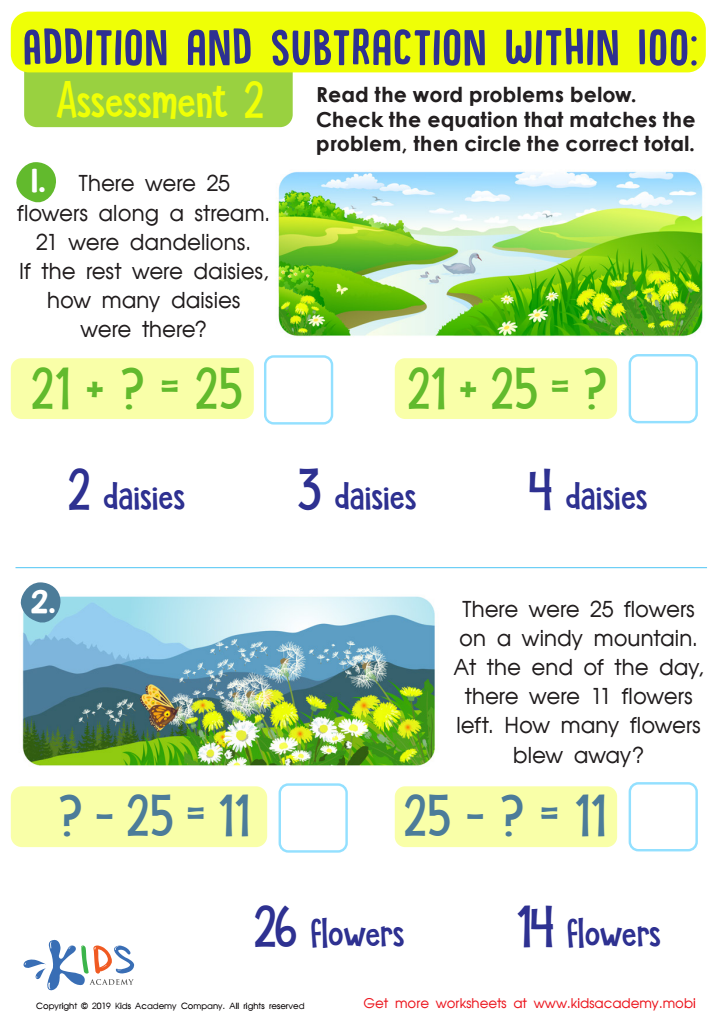
Assessment 2 Math Worksheet
 Assign to My Students
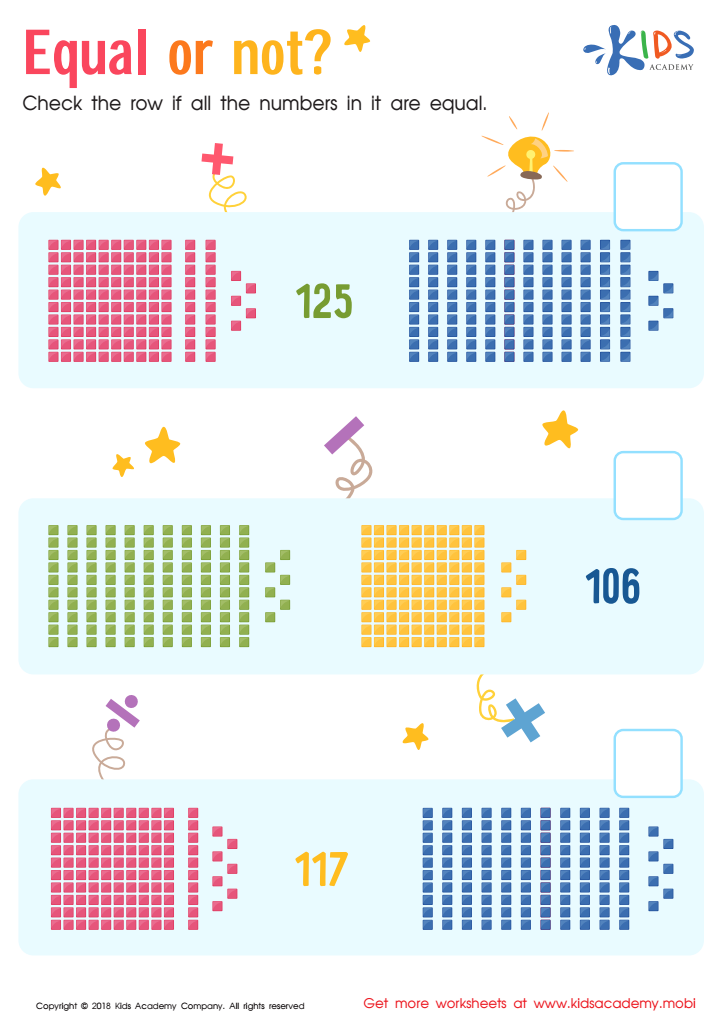
Equal or not Worksheet
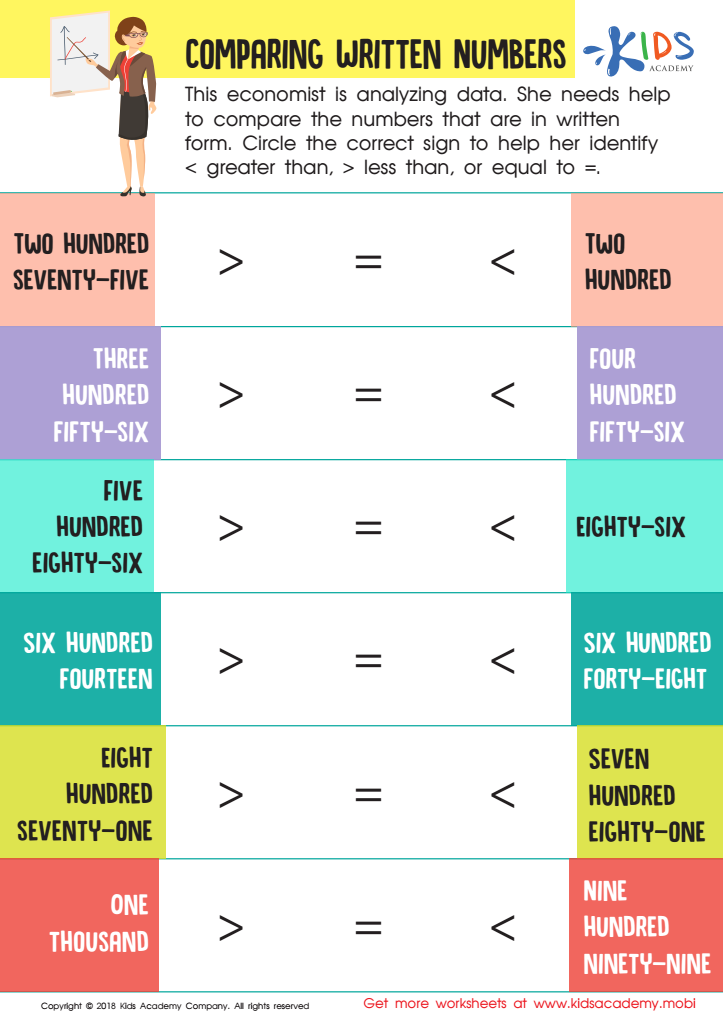
Comparing Written Numbers Worksheet
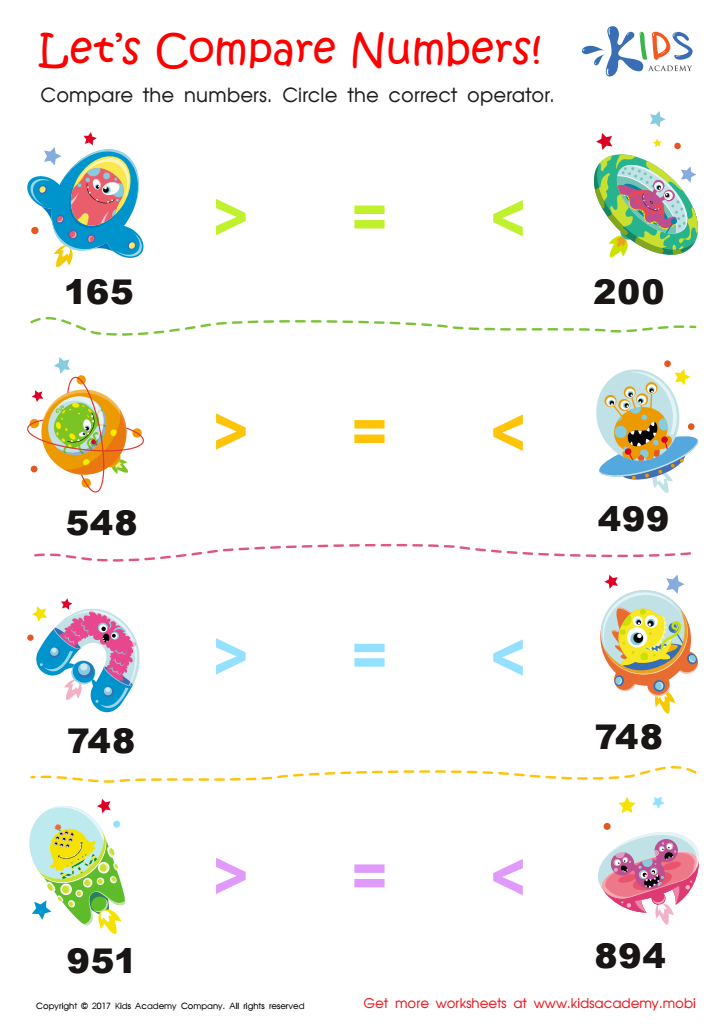
Comparing Numbers Worksheet for 2nd Grade
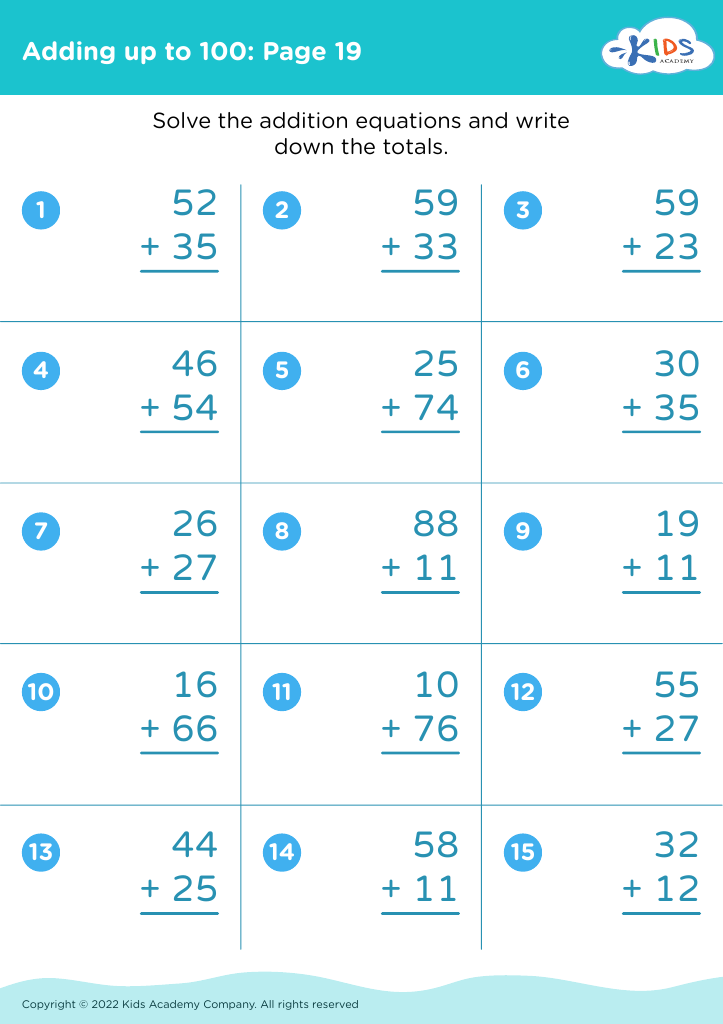






Number comparison in Grade 2 math is vital for young learners. This fundamental skill lays the groundwork for more advanced mathematical concepts. Understanding number comparison helps children recognize relationships between numbers, fostering better number sense. This basic competency is essential as it enhances their ability to perform arithmetic operations, such as addition and subtraction.
For parents, reinforcing number comparison at home solidifies classroom learning and boosts their child’s confidence and competence in math. Engaged involvement enables children to see practical applications of math in daily life, such as comparing prices or quantities, thus fostering an appreciation and genuine interest in the subject.
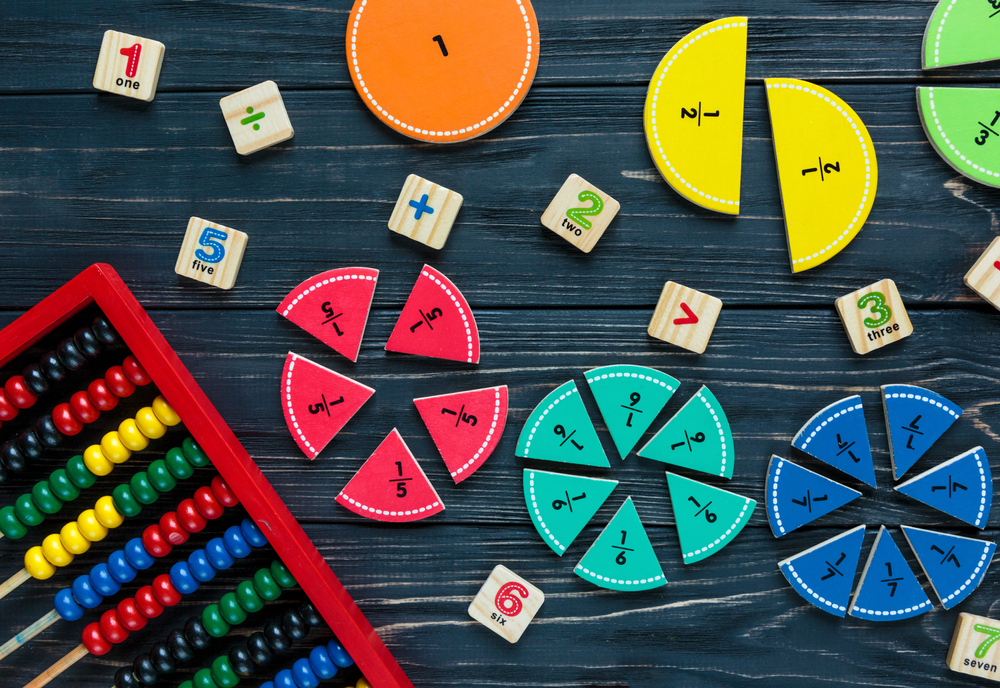
Teachers play a crucial role in emphasizing number comparisons by integrating diverse instructional methods and activities, catering to different learning styles. Using visual aids, interactive games, and hands-on activities makes learning engaging and aids retention. Early mastery of these skills contributes significantly to children’s overall academic performance and critical thinking abilities.
In sum, a strong grasp of number comparison in Grade 2 equips children with a robust foundation essential for future success in math and other areas of study. Parents' and teachers' collaborative effort in nurturing this skill develops confident, competent, and enthusiastic young learners, positioning them for lifelong academic achievement and problem-solving success.