Practice problem-solving Grade 2 Math Worksheets
4 filtered results
Difficulty Level
Grade
Age
-
From - To
Subject
Activity
Standards
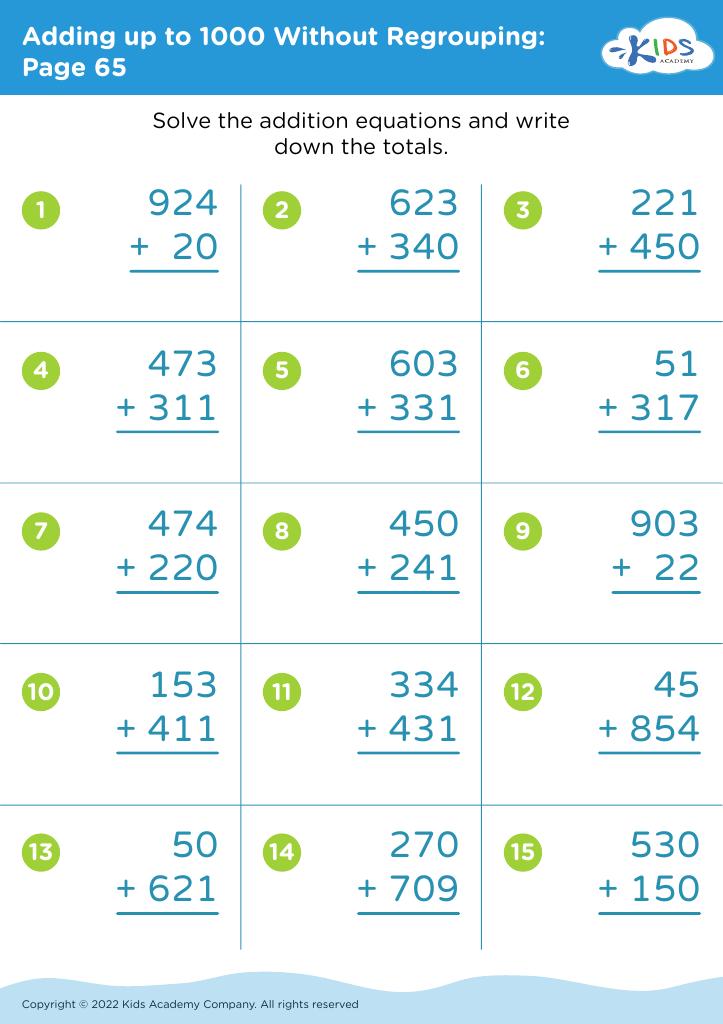
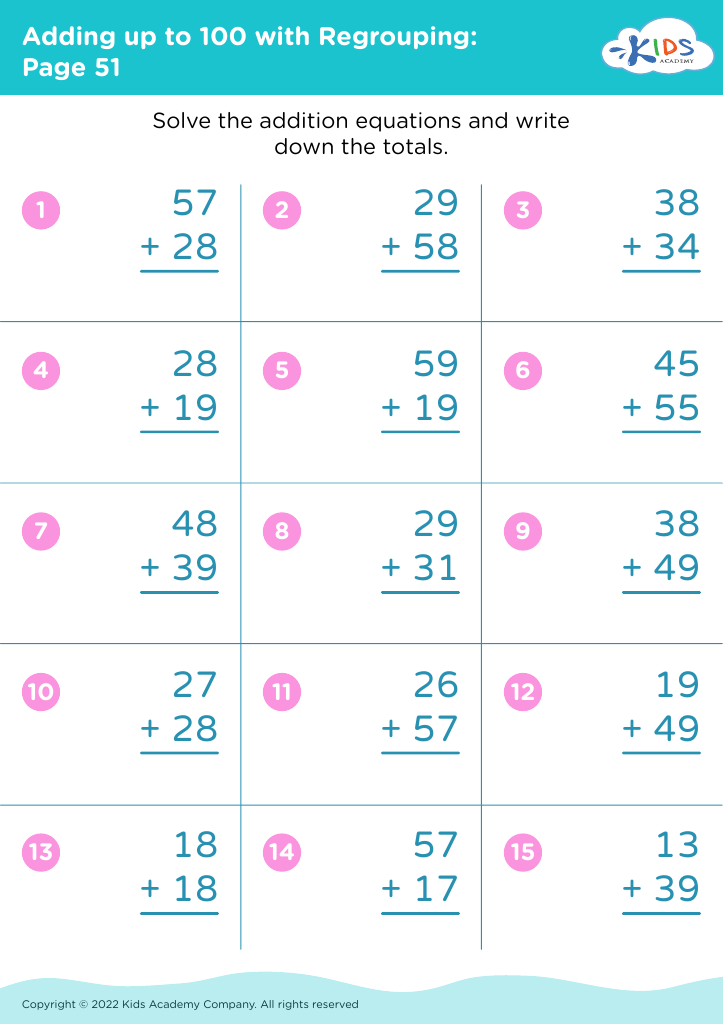
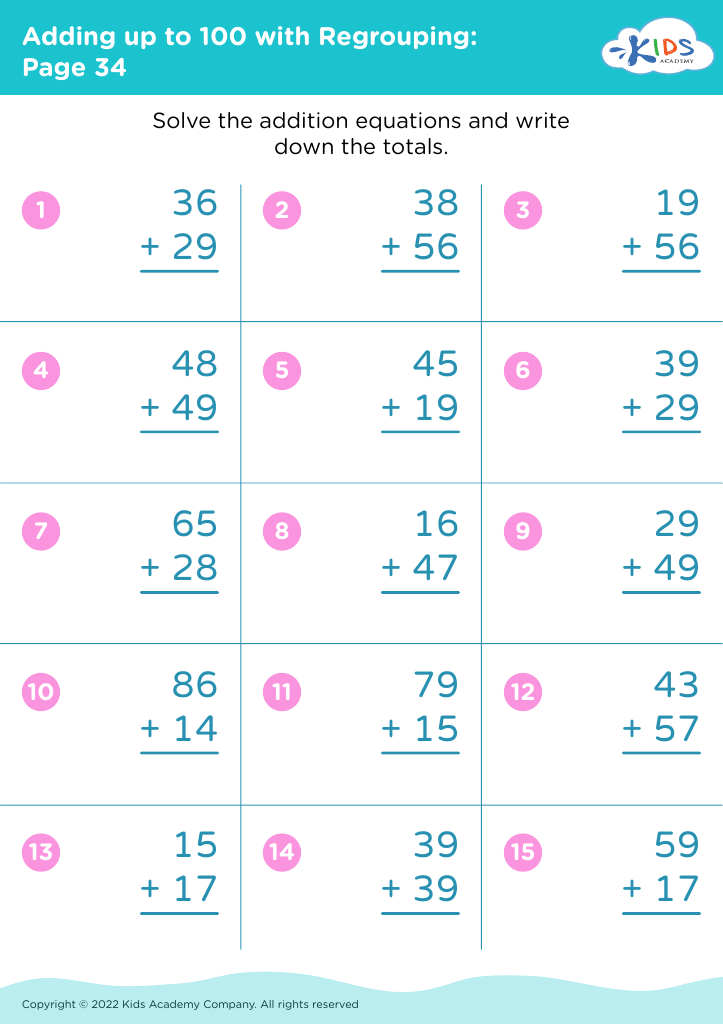
Unlock your child's mathematical potential with our Practice Problem-Solving Grade 2 Math Worksheets! These printable resources are designed to build critical thinking and problem-solving skills essential for young learners. Each worksheet offers a variety of engaging math challenges that make mastering concepts fun and effective. Focus areas include addition, subtraction, basic multiplication, and word problems. Whether used in the classroom or at home, our expertly crafted worksheets provide the practice needed to boost confidence and proficiency in math. Help your second grader develop a solid foundation in problem-solving with Kids Academy's top-quality math worksheets. Download yours today!
Favorites
With answer key
Interactive
Join Kids Academy for Free
Who is primarily going to use this learning content?






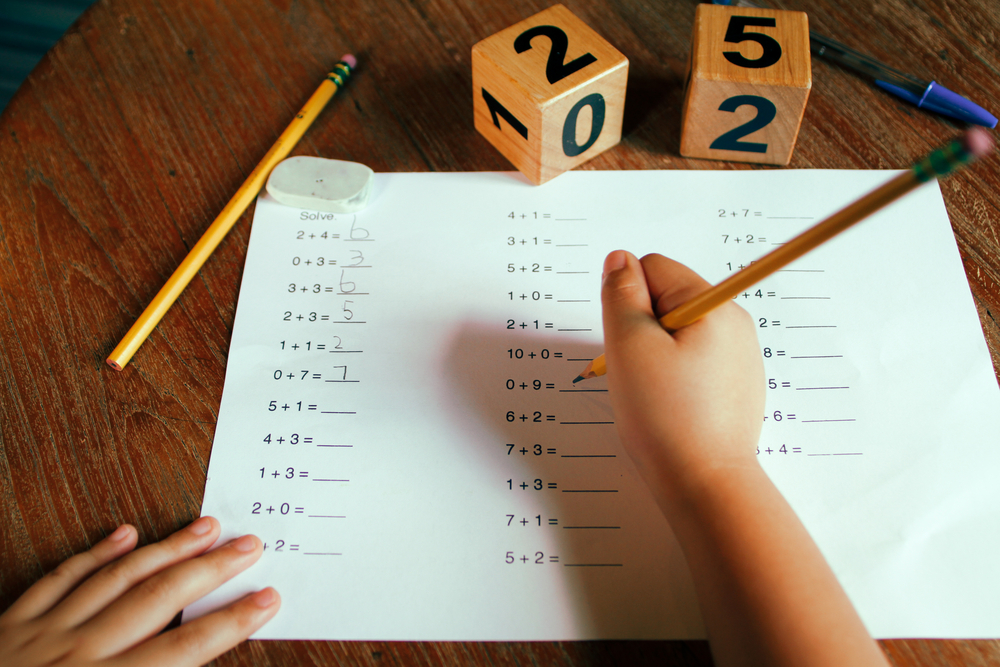

Parents and teachers should prioritize practice problem-solving in Grade 2 math because it lays the foundation for critical thinking, logical reasoning, and independent learning skills necessary for future academic success. At this stage, children are not just learning to add or subtract; they are developing the ability to approach and solve problems systematically, a skill that transcends mathematics and is essential in daily life.
Practicing problem-solving builds a child's confidence and persistence. When students tackle and solve problems, they learn the value of effort and perseverance. It encourages a positive attitude towards challenges, fostering resilience and adaptability in various situations.
Moreover, problem-solving activities enhance cognitive development by creating neural connections in the brain that improve memory and comprehension. These activities also support the development of essential academic skills such as reading comprehension, within word problems, and following multi-step instructions.
Lastly, engaging with math problems collaboratively promotes social skills. Through interactive problem-solving sessions, students learn to communicate their thought processes, listen to others, and work cooperatively.
In summary, integrating problem-solving practice in Grade 2 math is crucial as it equips young learners with essential skills for academic proficiency and everyday decision-making, while also fostering important social and emotional growth.