Fine Motor Skills Grade 2 Reading Worksheets - Page 2
27 filtered results
-
From - To
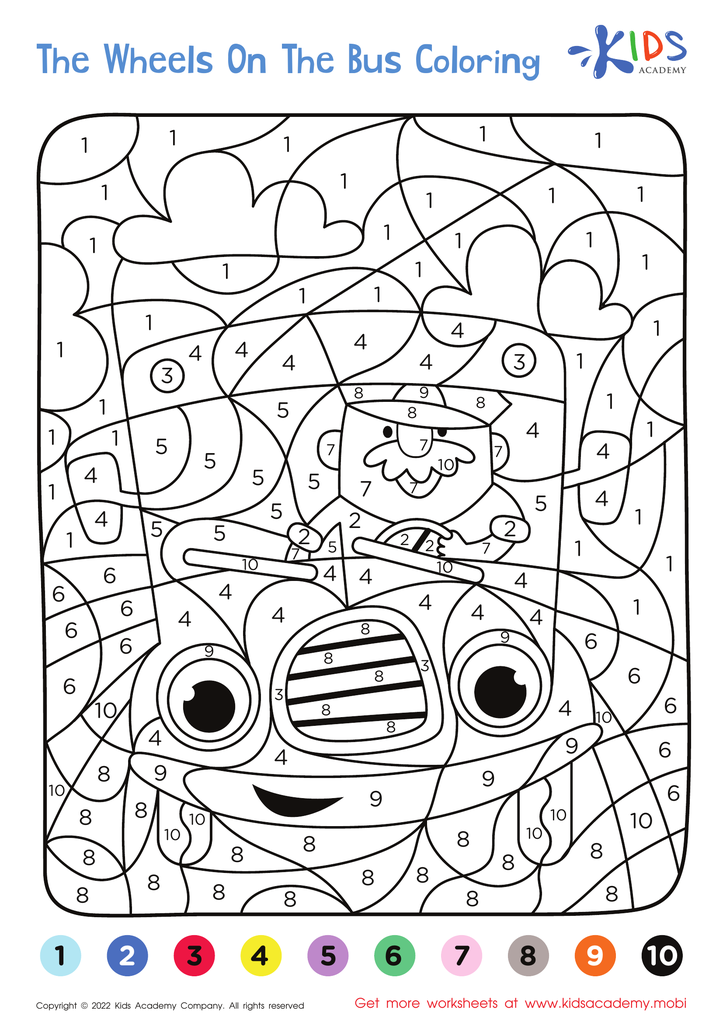
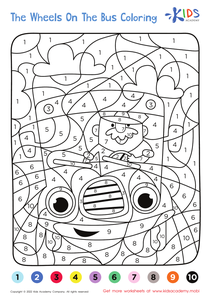
Wheels on the Bus – Coloring by Numbers
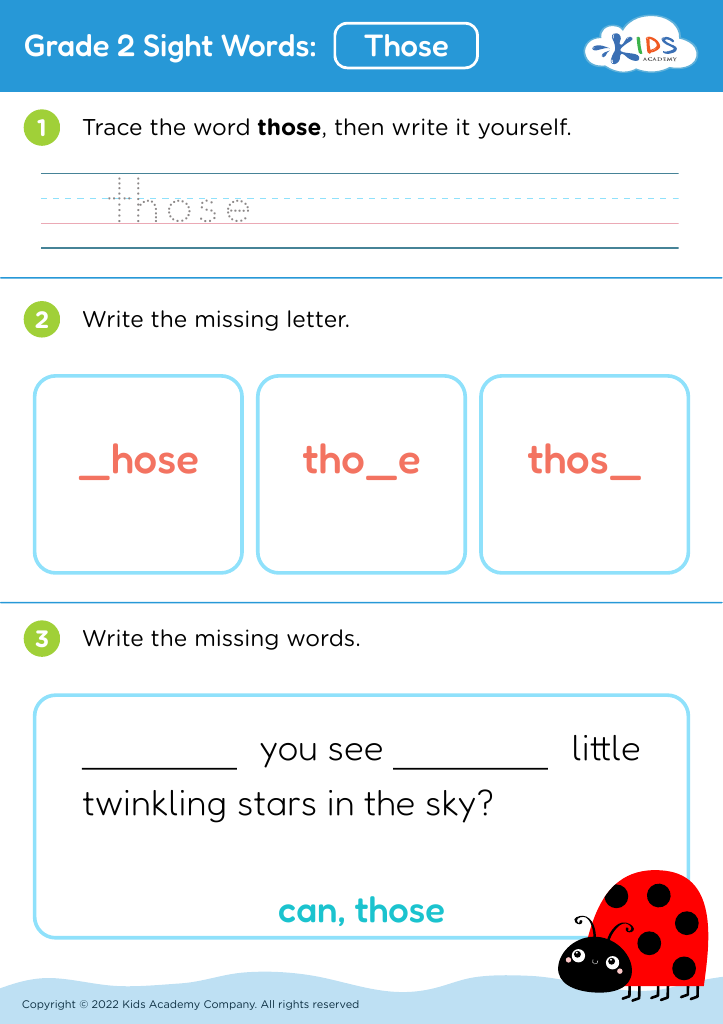
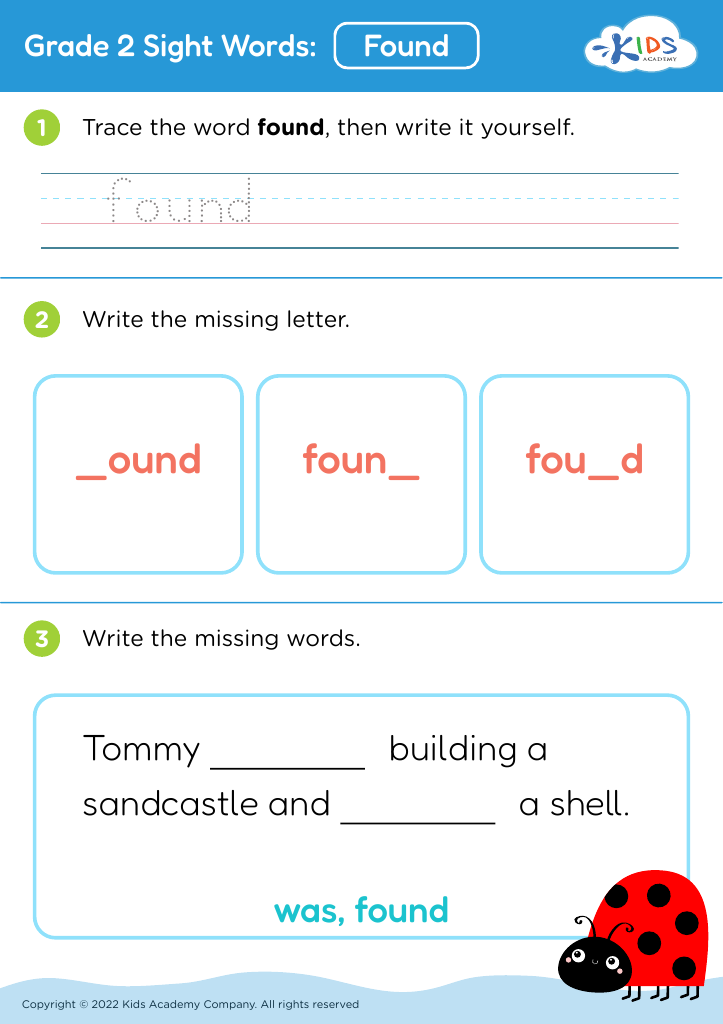








Fine motor skills are crucial for grade 2 students as they directly impact their reading development. These skills involve the coordinated movements of small muscles in the hands and fingers, essential for tasks like holding a pencil, turning pages, and engaging with books. When children master fine motor skills, they gain confidence in writing, which supports their vocabulary and comprehension when reading.
Additionally, many reading activities, such as drawing illustrations, tracing letters, or manipulating story elements, require precision and dexterity. Children adept in fine motor activities are more likely to participate actively in literacy-related tasks, leading to improved reading fluency and understanding. Teachers and parents should prioritize these skills during shared reading or writing sessions, utilizing activities like crafting, puzzles, and playful writing exercises.
Fostering fine motor development not only enhances academic skills but also nurtures children’s cognitive and emotional growth. Strong coordination leads to a sense of accomplishment, boosting self-esteem and encouraging a love for reading. Ultimately, supporting fine motor skills in early education sets a solid foundation for lifelong literacy and learning, making it a vital focus for both parents and teachers.