Vocabulary enhancement Grade 2 Reading Worksheets - Page 2
32 filtered results
-
From - To
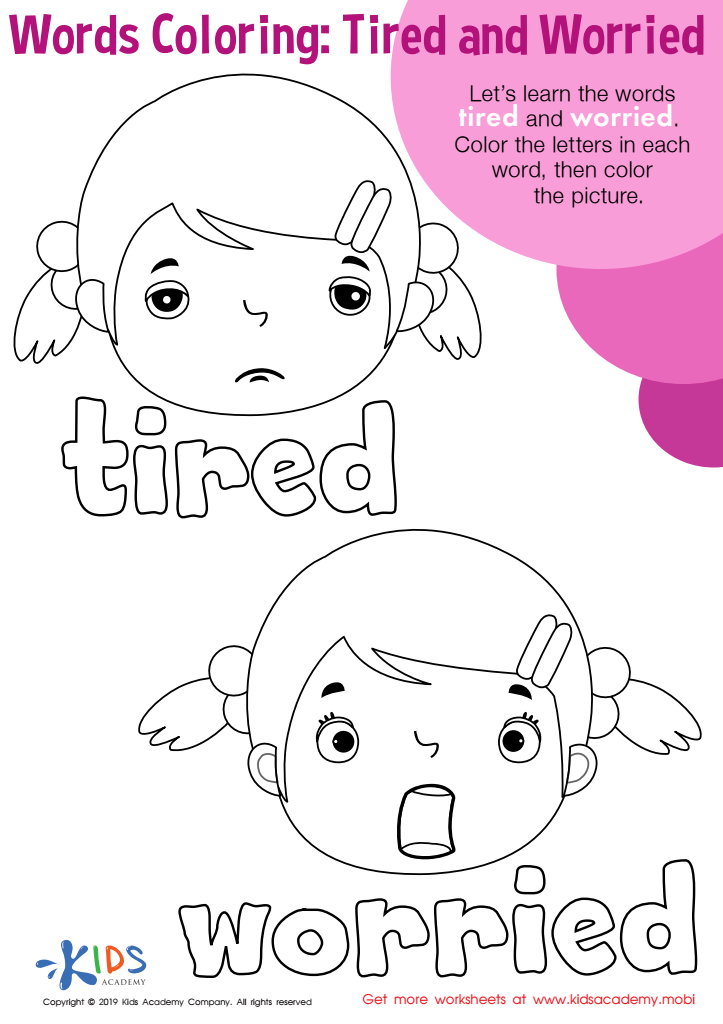
Tired and Worried Words Coloring Worksheet
 Assign to My Students
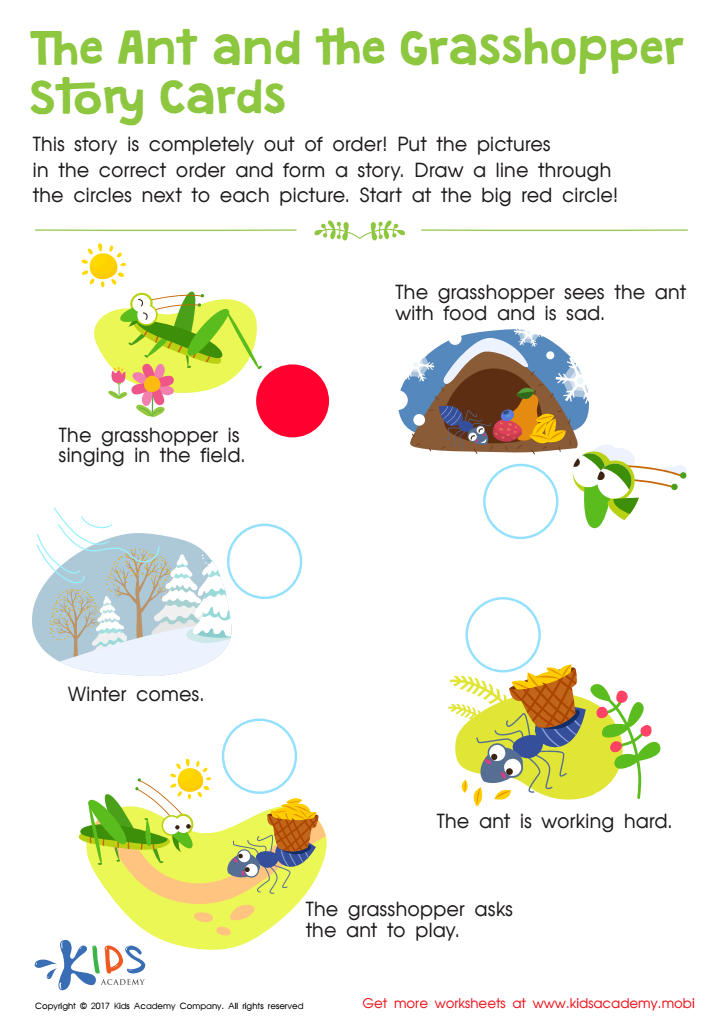
The Ant and The Grasshopper Worksheet
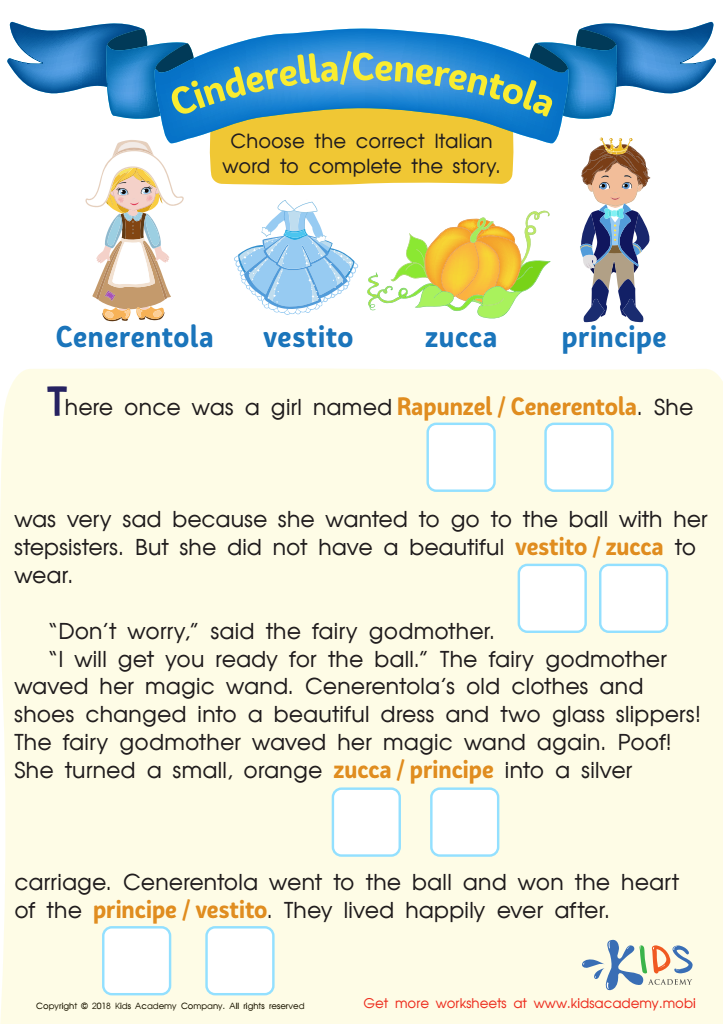
Cinderella / Cenerentola Worksheet
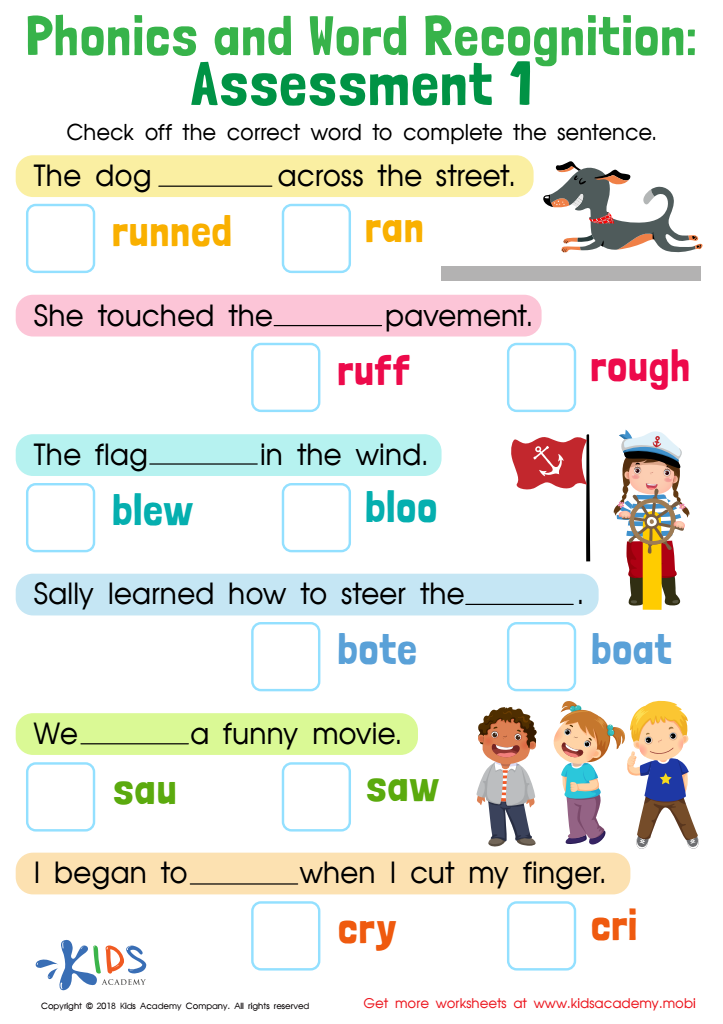
Phonics and Word Recognition: Assessment 1 Worksheet
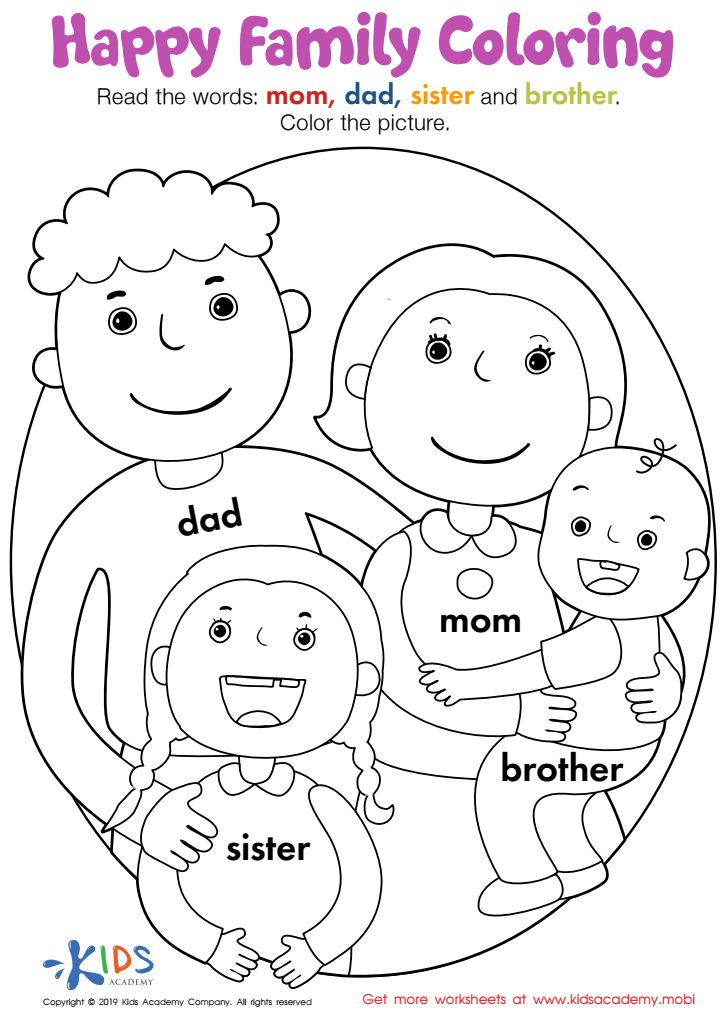
Happy Family Coloring Worksheet
Assign to My Students
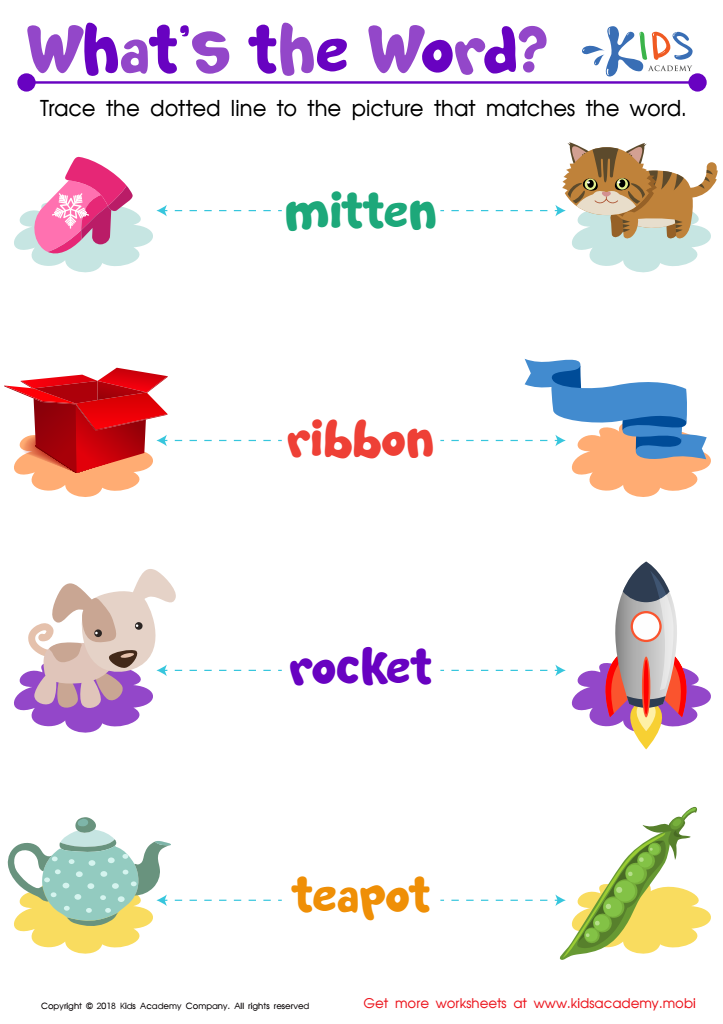
Reading: What's Word Worksheet
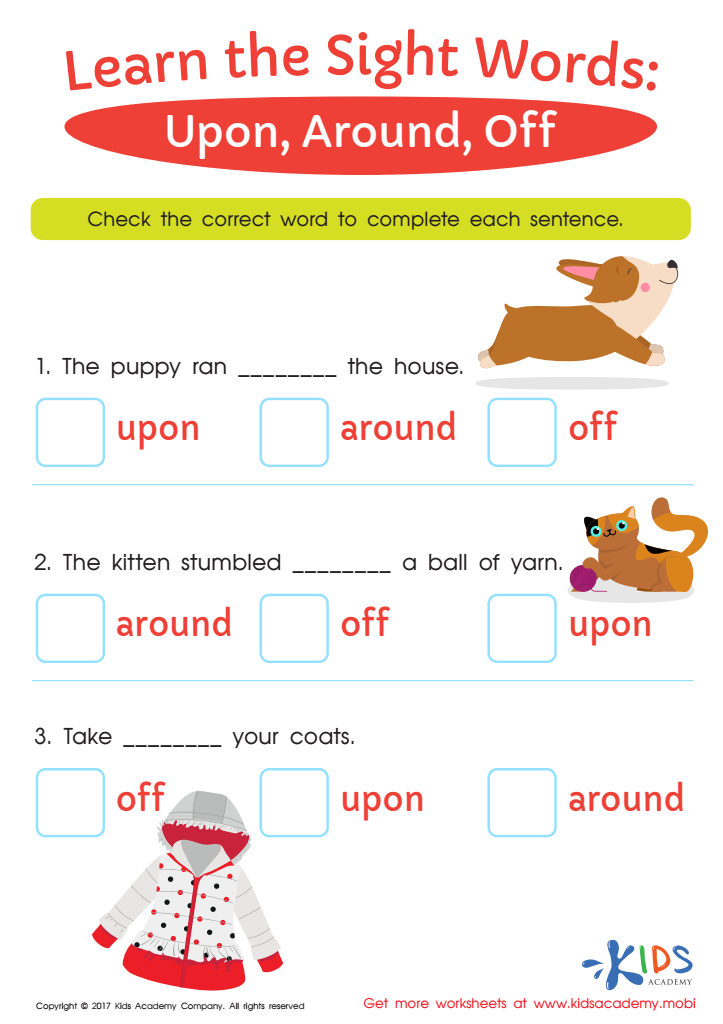
Upon, Around, Off Sight Words Worksheet
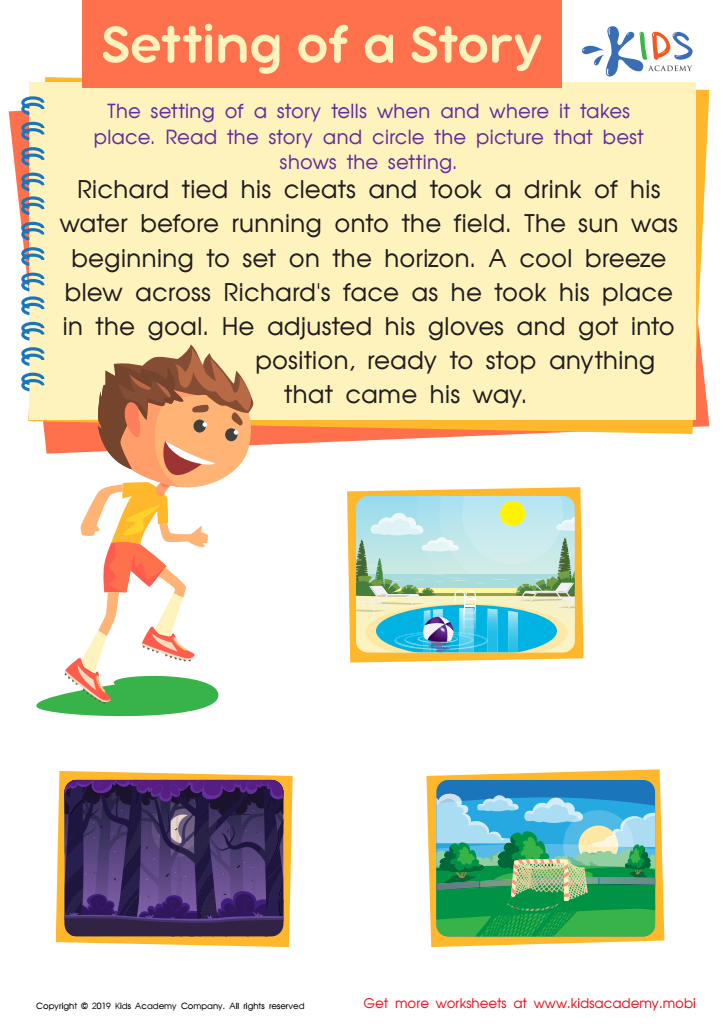
Setting of a Story Worksheet








Vocabulary enhancement at the Grade 2 level is crucial for several reasons. First, a strong vocabulary supports reading comprehension, allowing students to better understand texts, narratives, and instructions. When children can recognize and comprehend more words, they engage more deeply with reading materials, fostering a love for literature. This skill lays a solid foundation for lifelong learning and academic success.
Additionally, enhanced vocabulary plays a significant role in verbal communication. At this age, children are developing their speaking and writing abilities. A robust vocabulary boosts their confidence in expressing ideas and sharing opinions, essential for effective communication in social and academic settings. It also encourages curiosity and critical thinking, as children explore new words and their meanings.
Furthermore, parents and teachers can influence vocabulary development through rich language interactions, reading aloud, and engaging discussions. By prioritizing vocabulary enhancement, educators and caregivers equip children with essential tools for both social interactions and scholarly pursuits. Ultimately, a rich vocabulary is not just about learning words; it’s about honing cognitive skills that meet future challenges, empowering young students to articulate their thoughts and succeed in more complex academic environments. Therefore, valuing vocabulary enhancement is fundamental to student success and holistic development.