Cognitive Development Grade 2 Science Worksheets
3 filtered results
-
From - To
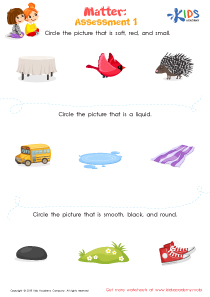
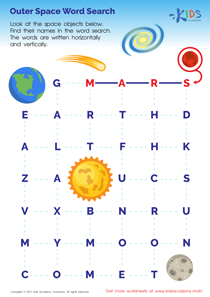
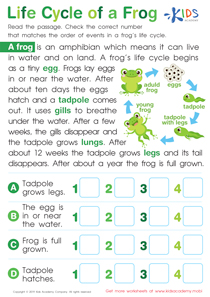
Enhance your second grader's learning journey with our engaging Cognitive Development Science Worksheets! Designed for young minds, these worksheets encourage critical thinking and problem-solving skills through interactive activities related to scientific concepts. Covering various topics from the natural world to simple experiments, our resources foster curiosity and exploration in students. Each worksheet is tailored to meet Grade 2 standards, ensuring that kids not only grasp essential science concepts but also develop their cognitive abilities in a fun, stimulating way. Perfect for classroom use or at-home learning, these worksheets will ignite a passion for science and nurture young innovators. Explore learning today!
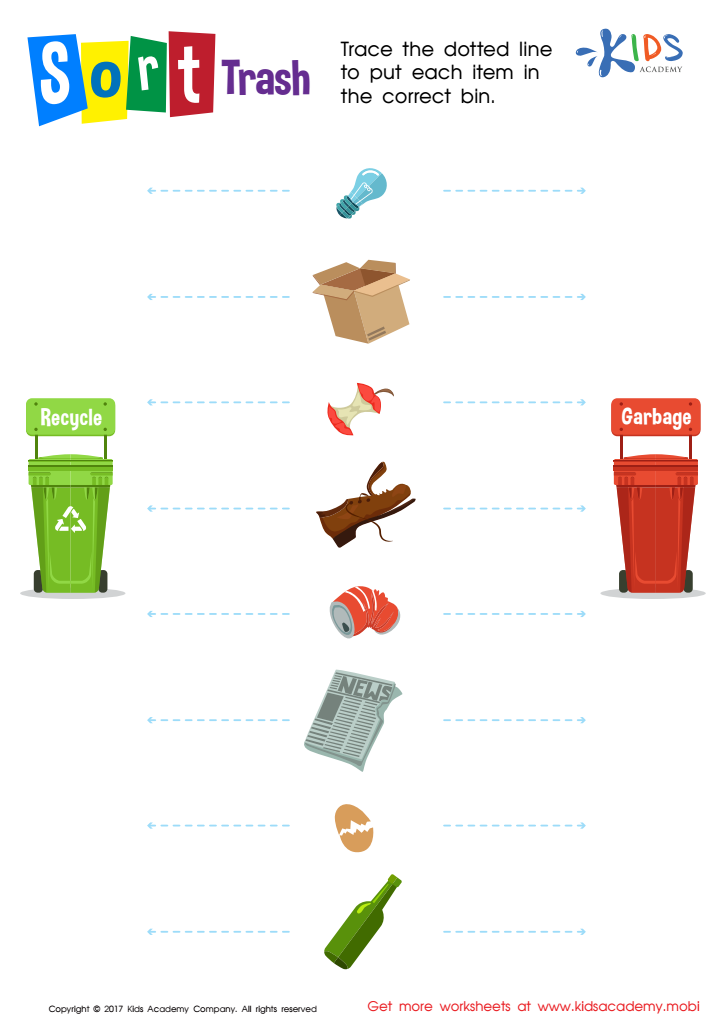
Trash Sorting Worksheet
 Assign to My Students
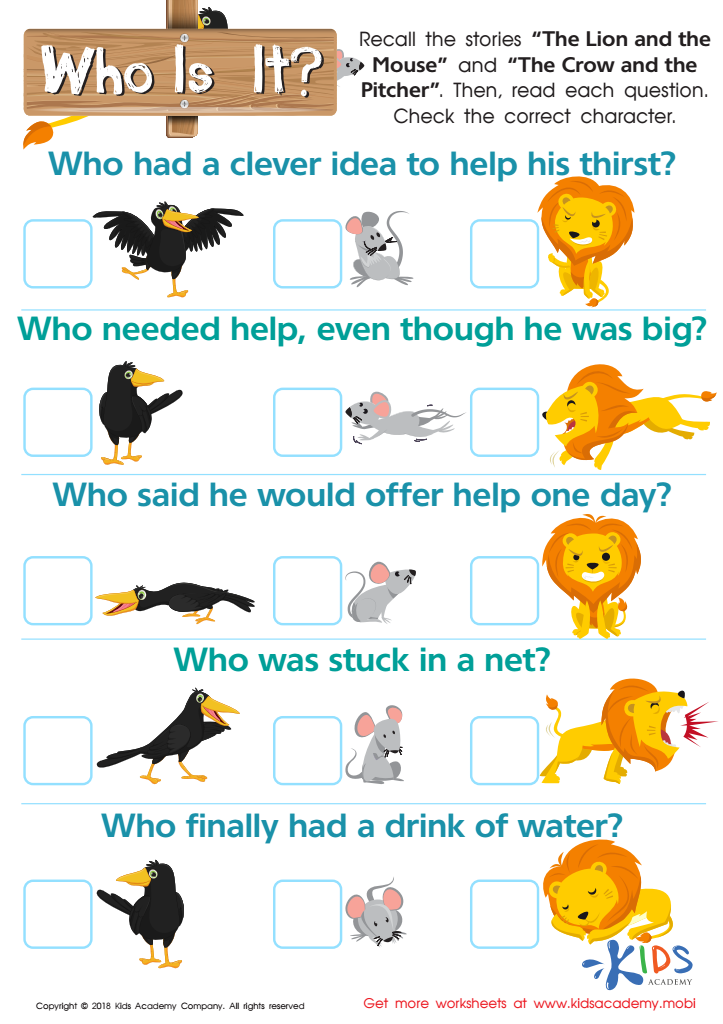
Who Is It? Worksheet
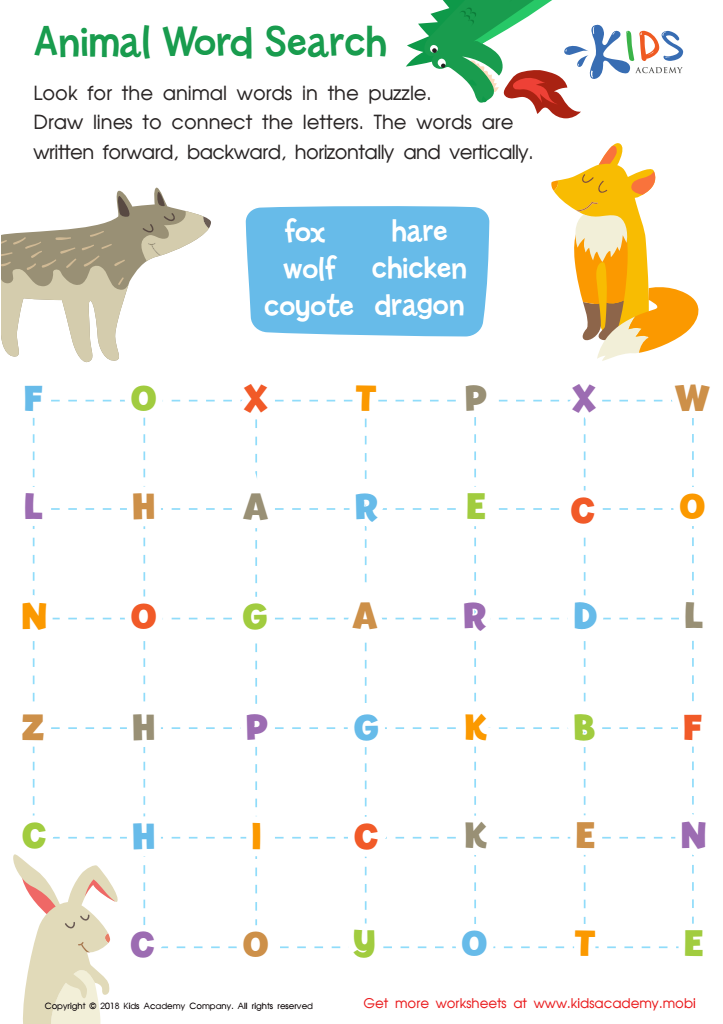
Animal Word Search Worksheet





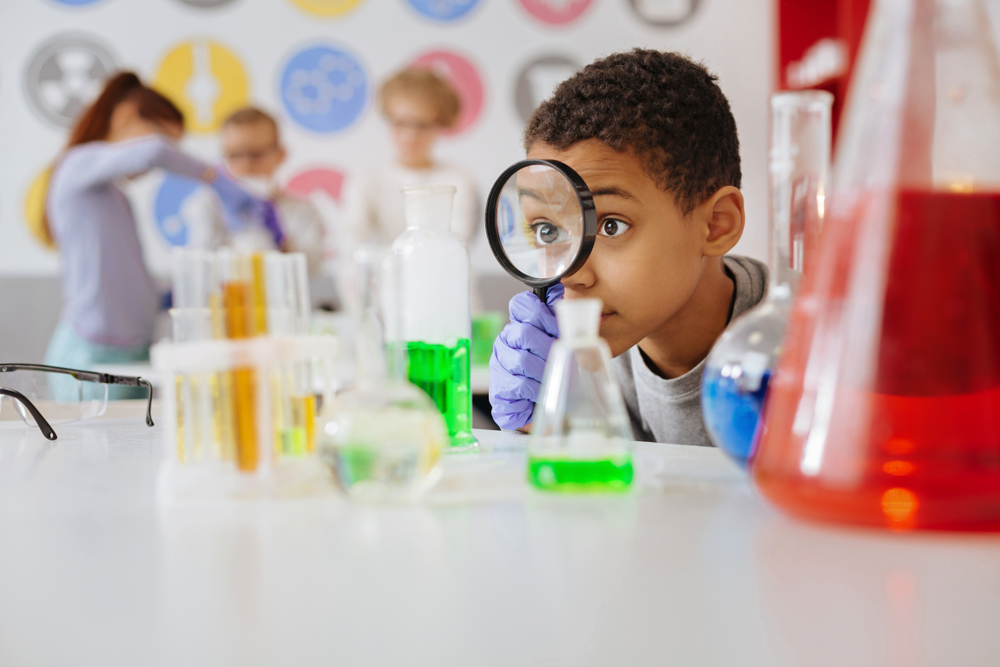


Cognitive development in second-grade science is crucial for young learners as it lays a foundation for lifelong learning and critical thinking skills. At this stage, children transition from concrete operational thinking to increasingly abstract reasoning. Engaging in science helps them develop curiosity, problem-solving abilities, and investigative skills.
Parents and teachers should care about this developmental phase because cognitive skills fostered in science education enhance children's ability to understand complex concepts in other subjects as well. By actively exploring scientific principles, such as cause and effect or observation and inference, children learn to formulate hypotheses and conduct experiments. This hands-on learning stimulates critical thinking and encourages a love for discovery.
Moreover, promoting cognitive skills through science contributes to emotional and social development. Collaborative projects and discussions with peers strengthen communication skills and teamwork, which are vital for future success. Ultimately, nurturing cognitive growth in science equips children with the tools they need for academic achievement and everyday problem-solving. Engaging students in science not only prepares them for higher education but cultivates informed citizens prepared to tackle real-world issues, making it essential for both parents and teachers to prioritize this aspect of education.