Cultural awareness Grade 2 Social Studies Worksheets
4 filtered results
-
From - To
Discover our engaging Cultural Awareness Grade 2 Social Studies worksheets, designed to foster understanding of diverse cultures in young learners. These worksheets offer fun activities that introduce students to cultural differences, traditions, and values, enhancing their global perspective. Aligned with educational standards, each resource promotes critical thinking and discussion, enabling children to appreciate various lifestyles and customs. Perfect for classroom or home use, our printable worksheets encourage collaboration and creativity among your second graders. Help your students develop empathy and respect for others as they explore the rich tapestry of cultures around the world. Start nurturing cultural awareness today!
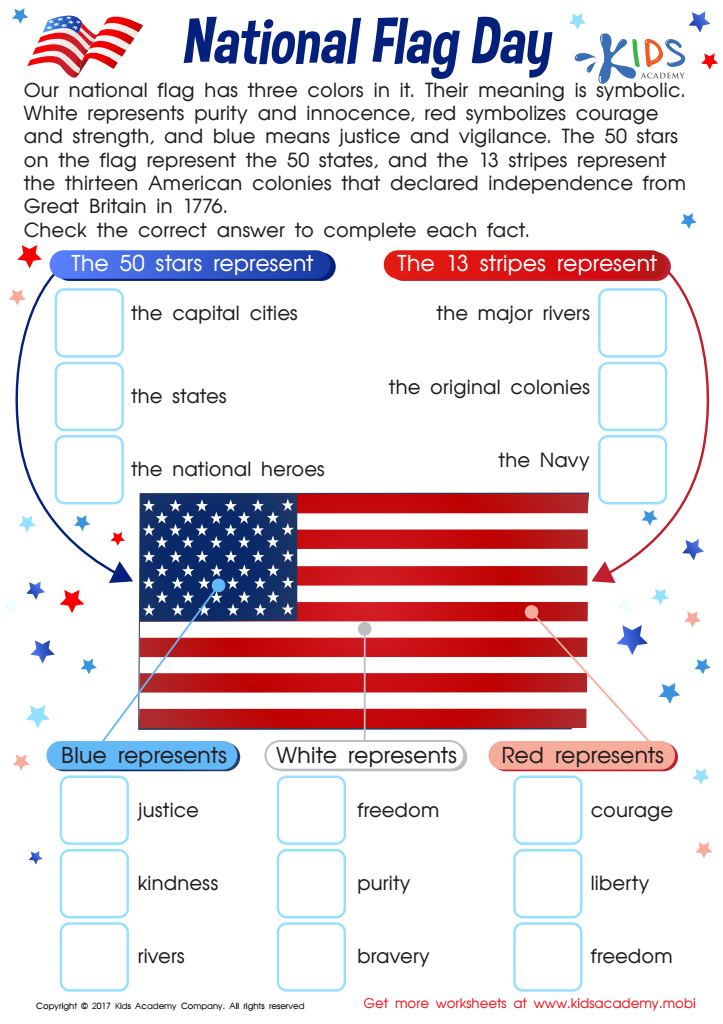
US National Flag Day Worksheet
 Assign to My Students
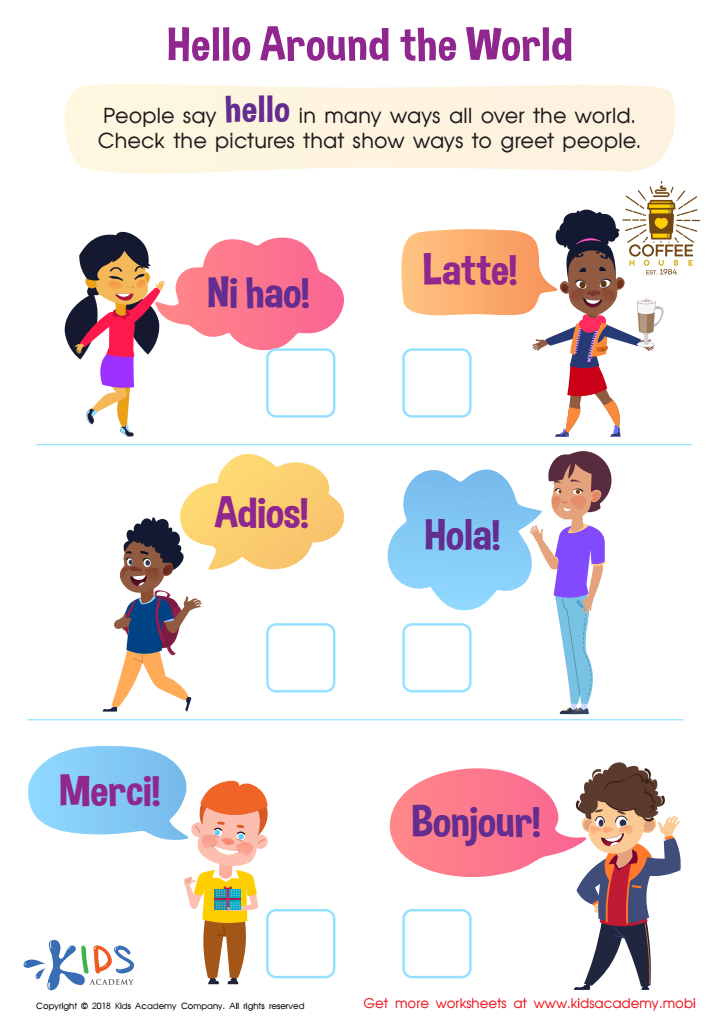
Hello Around the World Worksheet
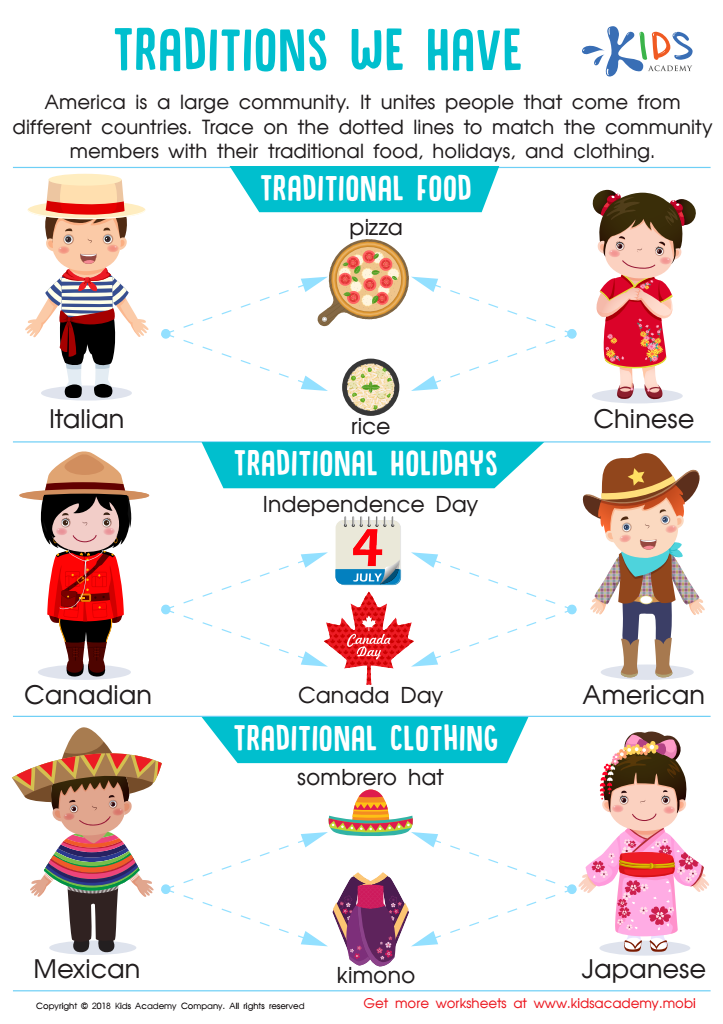
Traditions We Have Worksheet
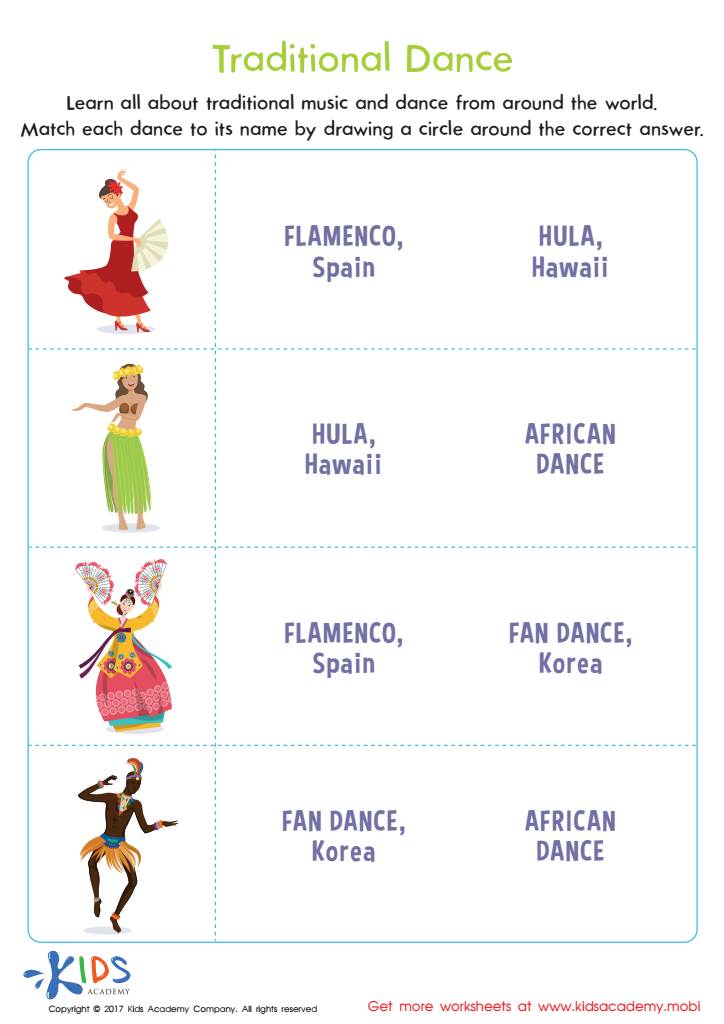
Traditional Dance Printable







Cultural awareness is fundamental in Grade 2 Social Studies because it fosters understanding and respect among young learners. At this age, children are naturally curious and open to new ideas; by introducing them to diverse cultures, we nurture their empathy and appreciation for differences. This foundational knowledge helps them recognize that people have unique traditions, beliefs, and lifestyles, leading to greater social cohesion.
Furthermore, cultural awareness enhances critical thinking skills. When students learn about various cultures, they start to question their assumptions and understand that there are multiple perspectives on any issue. This skill is essential for developing future citizens who can engage thoughtfully in a diverse world.
Additionally, cultural awareness promotes inclusivity. Educators and parents can help students feel valued and respected by celebrating the customs of all groups, particularly those represented in their classroom. This practice can reduce incidents of bullying and discrimination as students learn to embrace diversity rather than fear it.
Finally, cultural awareness in early education lays the groundwork for lifelong learning. Children who appreciate and respect cultural diversity are more likely to become informed, compassionate adults who contribute positively to society. Thus, it is crucial for parents and teachers to prioritize cultural awareness in early education.