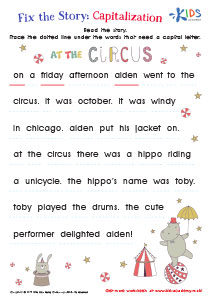
Vocabulary development Grade 2 Writing Worksheets
3 filtered results
Difficulty Level
Grade
Age
-
From - To
Subject
Activity
Standards
Enhance your second grader's vocabulary skills with our engaging Vocabulary Development Writing Worksheets! Designed specifically for Grade 2 students, these worksheets provide fun and interactive activities that promote word recognition and usage. Students will explore synonyms, antonyms, and word meanings through creative writing prompts, fill-in-the-blank exercises, and matching games. Our comprehensive collection supports key learning objectives, helping children express themselves with confidence while expanding their linguistic capabilities. Ideal for classroom use or at-home practice, these worksheets ensure an enjoyable and effective learning experience that fosters a love for language. Start building a robust vocabulary foundation today!
Favorites
With answer key
Interactive
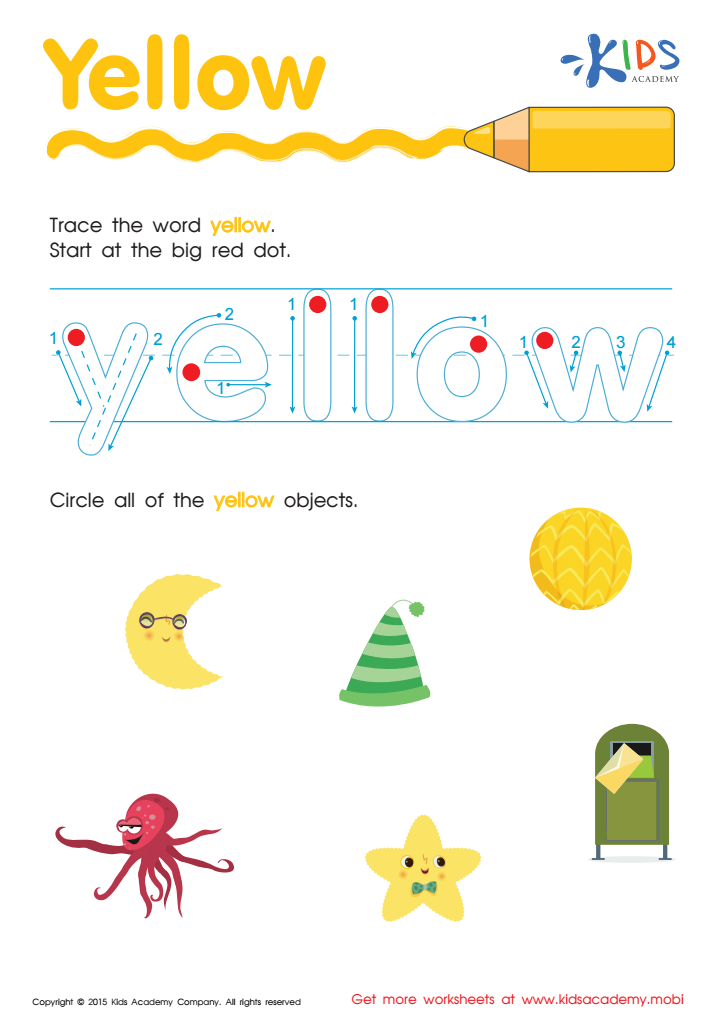
Yellow Tracing Color Words Worksheet
Tracing is a great way to start learning handwriting! Our printable worksheet helps your kindergartener practice and master the basics. They'll trace lines and fill in the word "yellow" with bright colors, sure to captivate and inspire them for more practice. Check out here for more tracing of color words.
 Assign to My Students
Yellow Tracing Color Words Worksheet
Worksheet
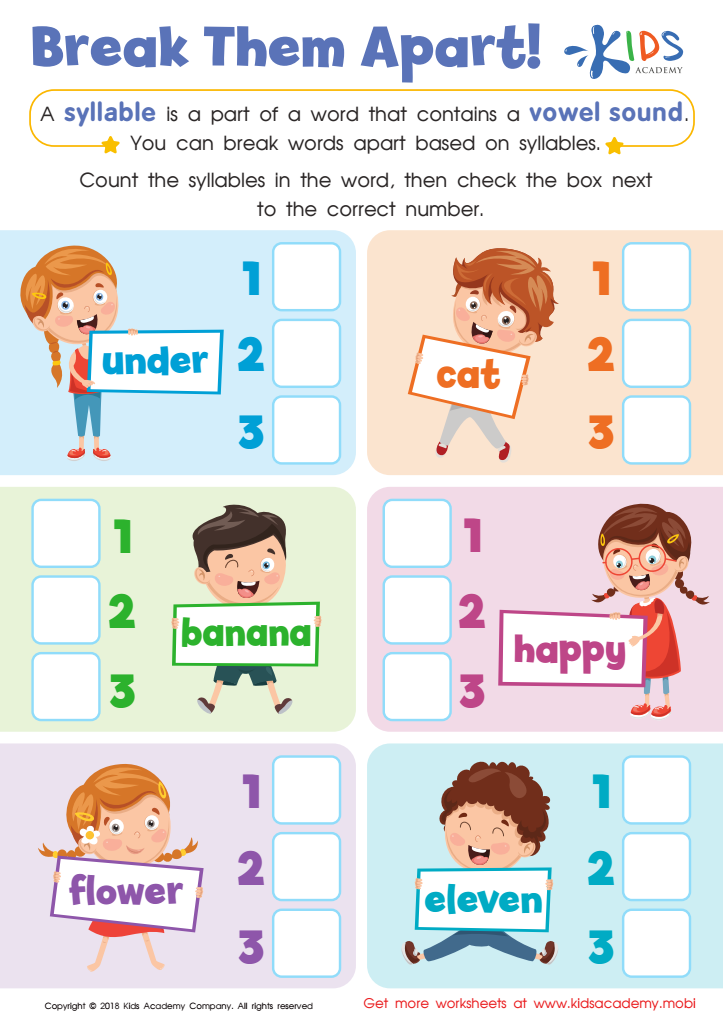
Reading: Break Them Apart Worksheet
See if students understand syllables with this fun worksheet. It teaches them that a syllable is a word part with a vowel sound. Kids read each word and choose how many parts it has. Doing this often helps them decode new words and gain confidence.
Reading: Break Them Apart Worksheet
Worksheet
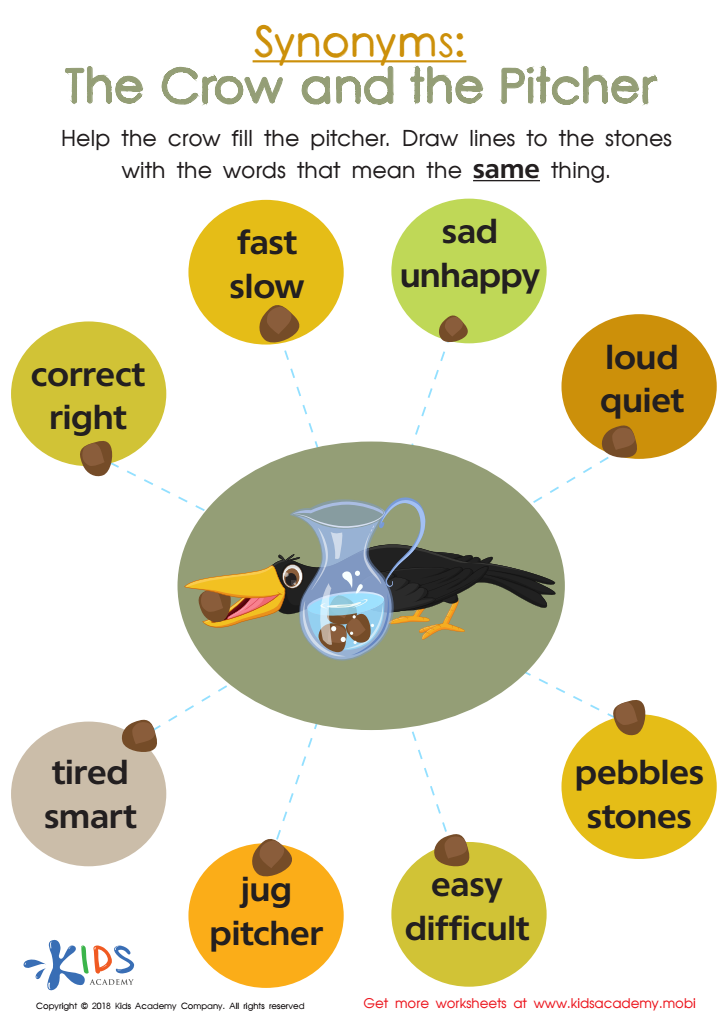
The Crow and the Pitcher Synonyms Worksheet
Give your child the building blocks for effective communication with an ELA lesson! Help the crow in this Kids Academy worksheet find the correct stones to fill the pitcher - only those next to synonym pairs! This is a fun way for kids to learn and expand their vocabulary and language skills.
The Crow and the Pitcher Synonyms Worksheet
Worksheet
Join Kids Academy for Free
Who is primarily going to use this learning content?








Vocabulary development is crucial for second graders as they transition from learning to read to reading to learn. At this stage, children encounter more complex texts and concepts, making a rich vocabulary essential for comprehension and expression.
Parents and teachers should care about vocabulary development because it directly impacts a child's academic success. A strong vocabulary allows students to articulate their thoughts clearly, understand various subjects, and engage more fully in class discussions. This includes both oral and written communication, where a diverse range of words enhances their writing quality and helps them convey ideas more effectively.
Moreover, vocabulary enhances critical thinking and creativity. When children have a broader vocabulary, they can explore nuances of meaning, understand figurative language, and make connections between different concepts. This ability supports problem-solving skills and fosters a love for learning.
Additionally, a strong vocabulary is linked to future academic achievement. Children who develop good vocabulary skills early on are more likely to succeed in reading comprehension and standardized tests later in their education.
In fostering vocabulary development, parents and teachers serve as essential role models, providing a supportive environment that values language exploration and lifelong learning. Ultimately, prioritizing vocabulary development sets children up for success both in school and in life.