Alphabet Recognition Grade 3 ABC Letters Worksheets - Page 2
27 filtered results
-
From - To
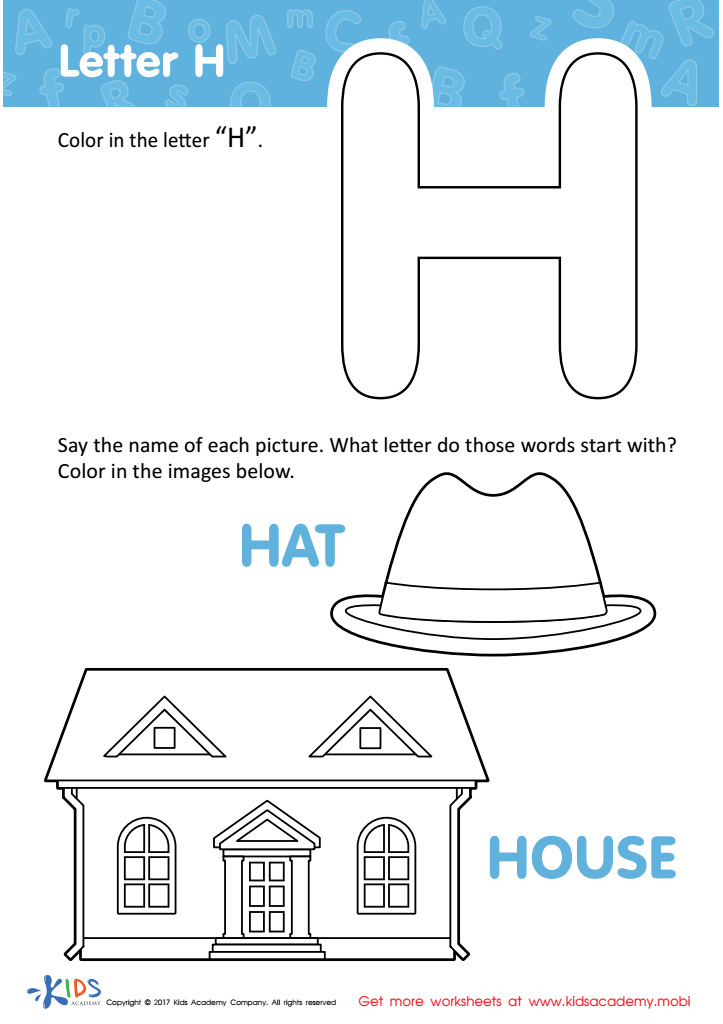
Letter H Coloring Sheet
 Assign to My Students
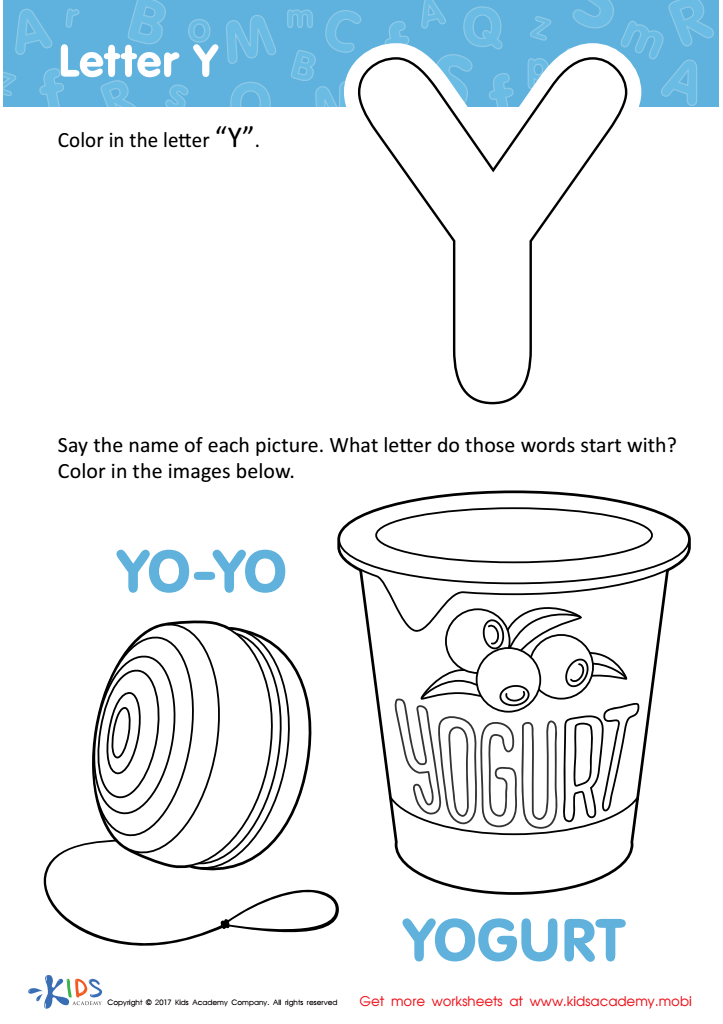
Letter Y Coloring Sheet
Assign to My Students
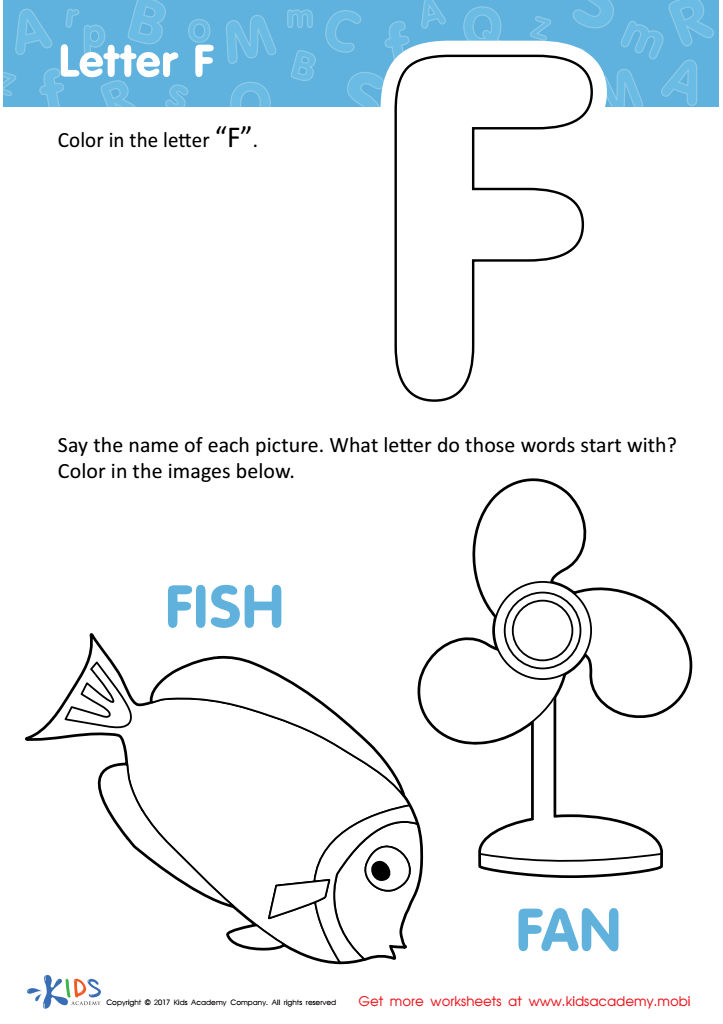
Letter F Coloring Sheet
Assign to My Students




Alphabet recognition is a foundational skill that serves as the bedrock for successful reading and writing, making it essential for both parents and teachers to focus on ensuring that children master this competency. By Grade 3, recognizing and understanding the letters of the alphabet should ideally be second nature. However, continuous reinforcement remains important for various reasons.
First, alphabet recognition is directly linked to phonemic awareness, the ability to hear, identify, and play with individual sounds in spoken words. Clear alphabet recognition aids children in understanding the relationship between letters and sounds, facilitating smoother transitions to advanced literacy skills like decoding words and comprehending text.
Second, reinforcing alphabet knowledge in Grade 3 supports orthographic development. This pertains to the way a child stores words in memory for accurate spelling and writing. Children who recognize and understand the alphabet excel in spelling since they can connect phonetic sounds to their corresponding letters effortlessly.
Finally, strong alphabet recognition boosts confidence and lowers reading-related anxiety. This sets a child up for an enhanced educational experience, leading to higher enthusiasm for learning across subjects.
In essence, attention to alphabet recognition by parents and teachers fosters a crucial academic skill set, equipping children with the necessary tools for lifelong learning and literacy.