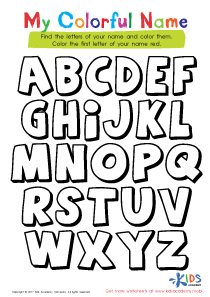
Handwriting improvement Grade 3 ABC Letters Worksheets
3 filtered results
-
From - To
Enhance your Grade 3 students' handwriting with our engaging ABC Letters worksheets! Designed to improve fine motor skills and letter formation, these worksheets provide a fun and interactive way for children to practice writing uppercase and lowercase letters. Each page includes guided tracing activities that help reinforce proper pencil grip and consistent letter sizing. Alongside creative exercises, students will gain confidence in their handwriting abilities. Teachers and parents can easily access and print these resources to support learning at home or in the classroom. Encourage your young learners to develop a clear and neat handwriting style with our comprehensive worksheets today!
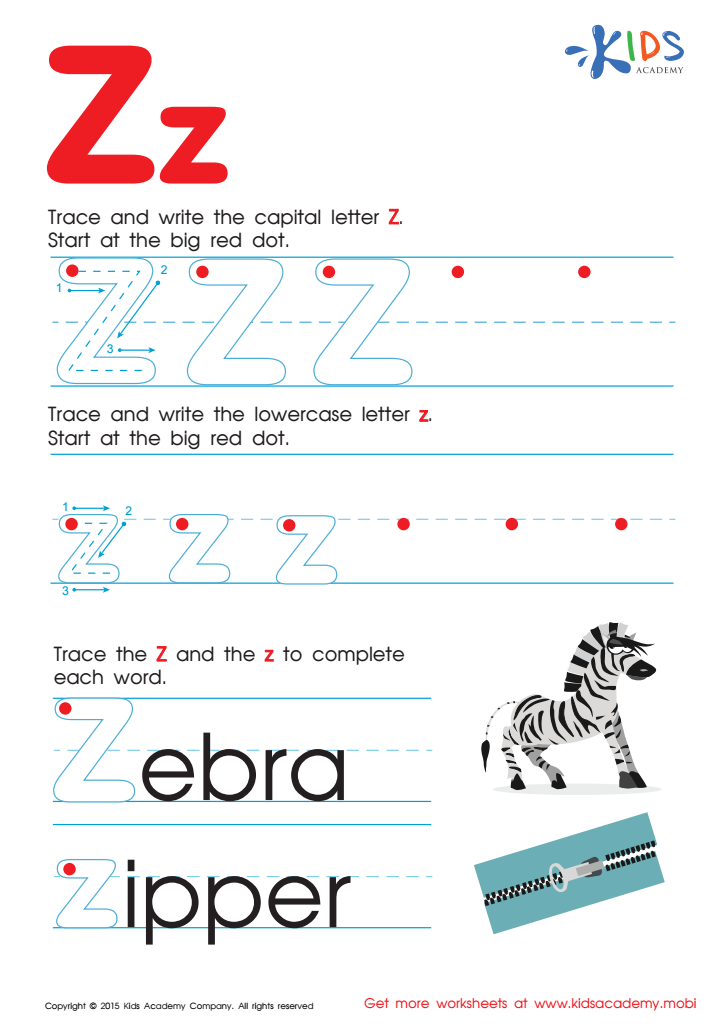
Letter Z Tracing Page
 Assign to My Students
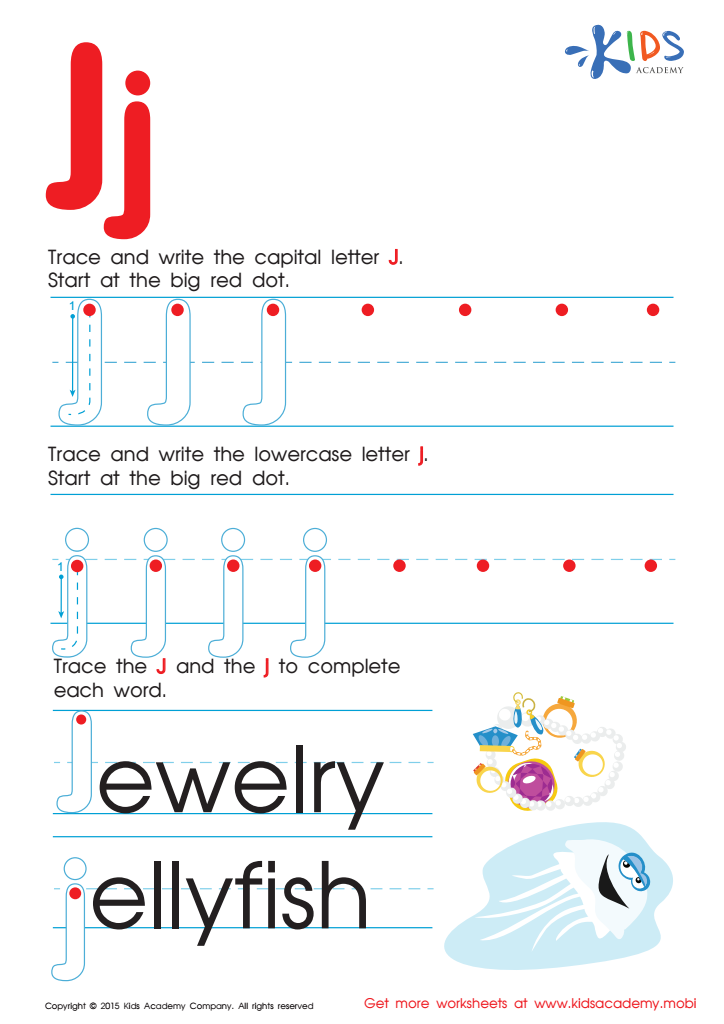
Letter J Tracing Page
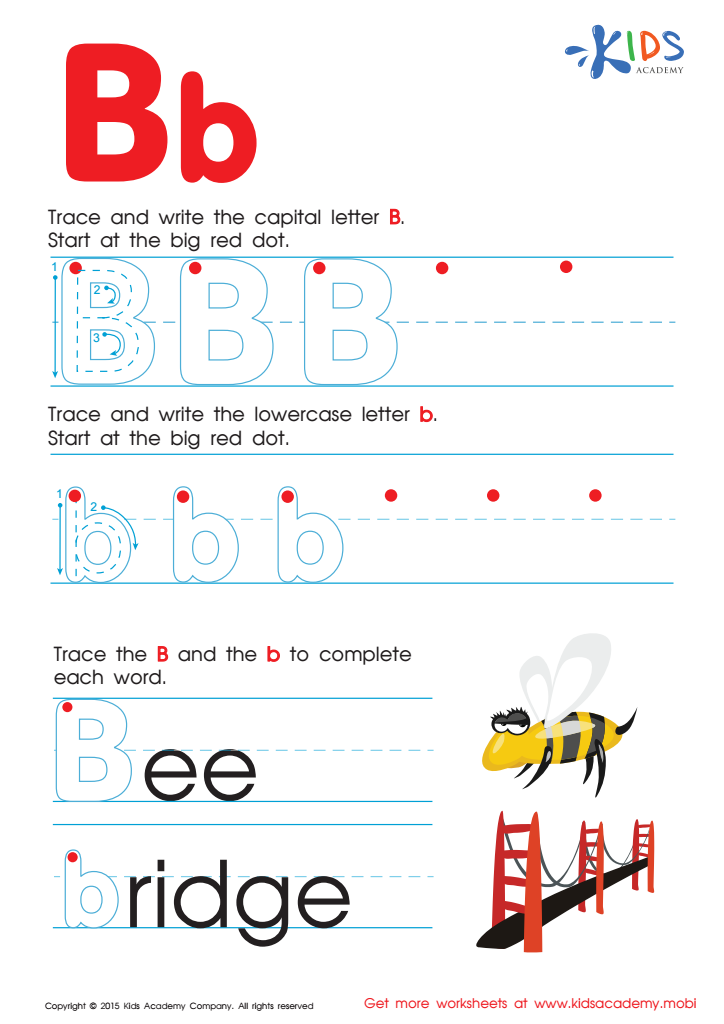
Letter B Tracing Page




Handwriting is a critical skill for third graders as it serves as a foundation for effective communication. Parents and teachers should prioritize handwriting improvement for several reasons. Firstly, legible handwriting enhances academic performance; students who write clearly can express their thoughts more effectively, leading to better grades in all subjects, especially in tests and assignments that require written responses.
Secondly, handwriting development fosters fine motor skills, which are essential not just for writing but for various daily tasks. Improved motor skills enhance a child's dexterity and coordination, contributing to overall physical development.
Additionally, neat handwriting instills a sense of pride and confidence in children. When their peers and teachers can easily read their work, it boosts their self-esteem and encourages a love for writing. Furthermore, mastery of handwriting can support students in developing organizational skills as they learn to format and present their ideas clearly.
Finally, in this digital age, while keyboards are prevalent, the ability to write by hand remains important for personal expression and learning retention. Thus, investing time in handwriting improvement is essential for nurturing well-rounded, confident, and capable learners.