Handwriting practice Grade 3 Alphabet Worksheets - Page 2
33 filtered results
-
From - To
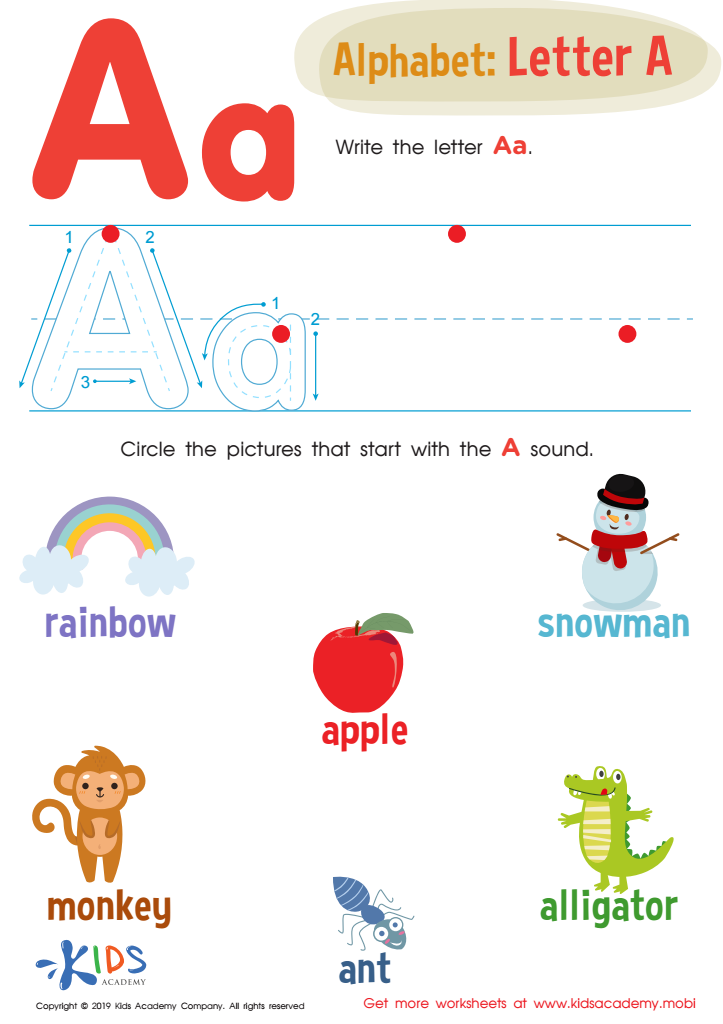
Letter A Tracing Worksheet
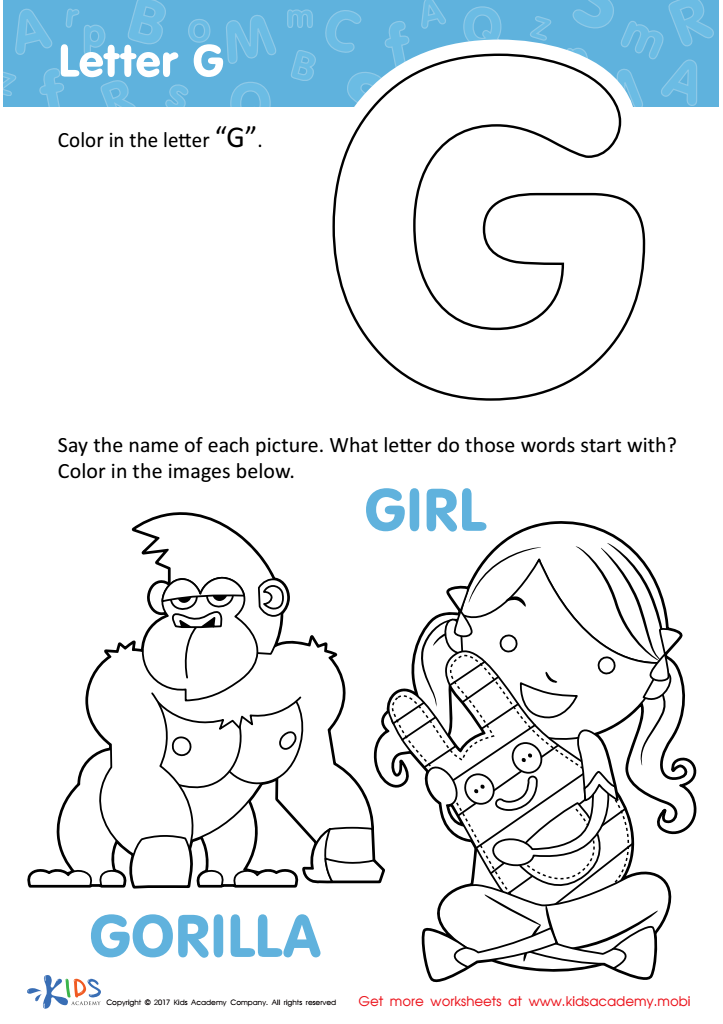
Letter G Coloring Sheet
 Assign to My Students
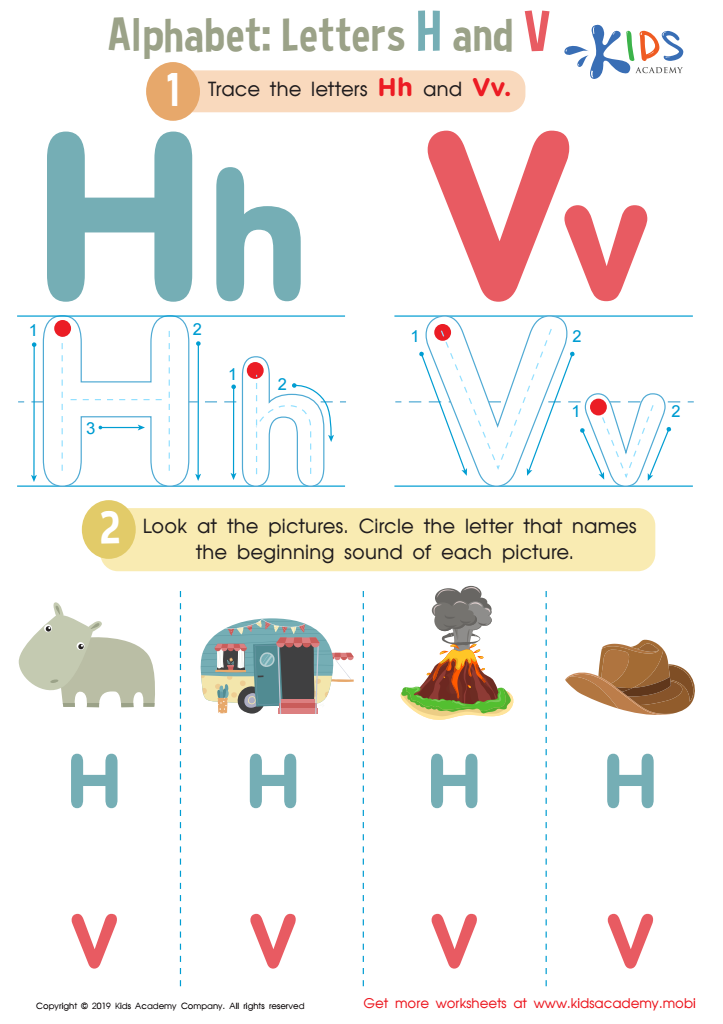
Letters H and V Tracing Worksheet
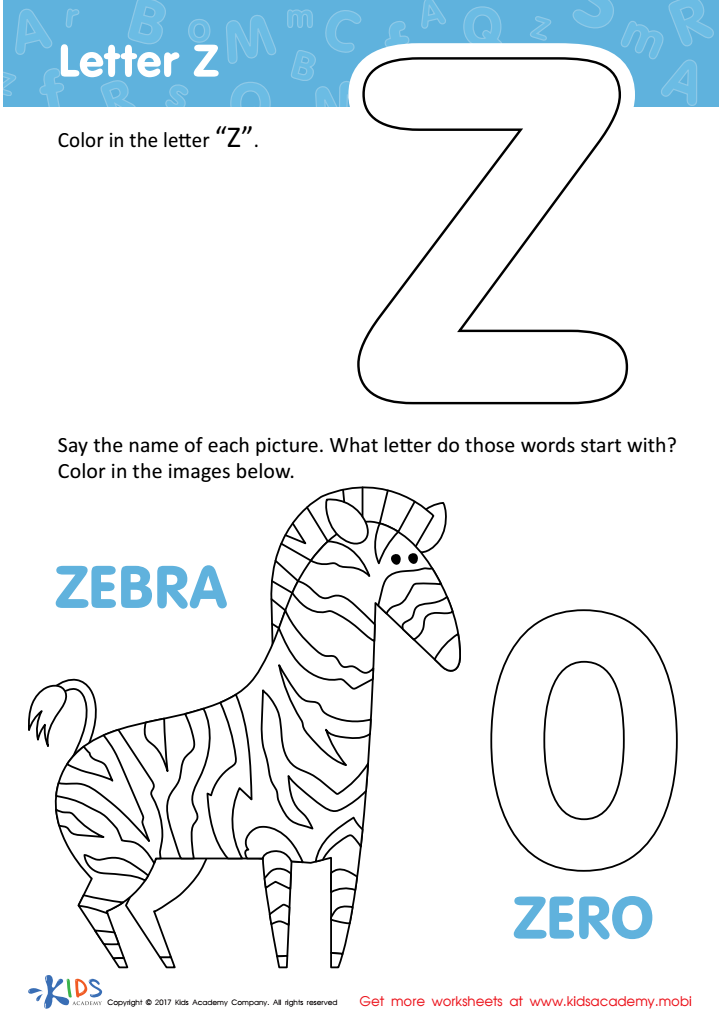
Letter Z Coloring Sheet
Assign to My Students

Letter J Coloring Sheet
Assign to My Students
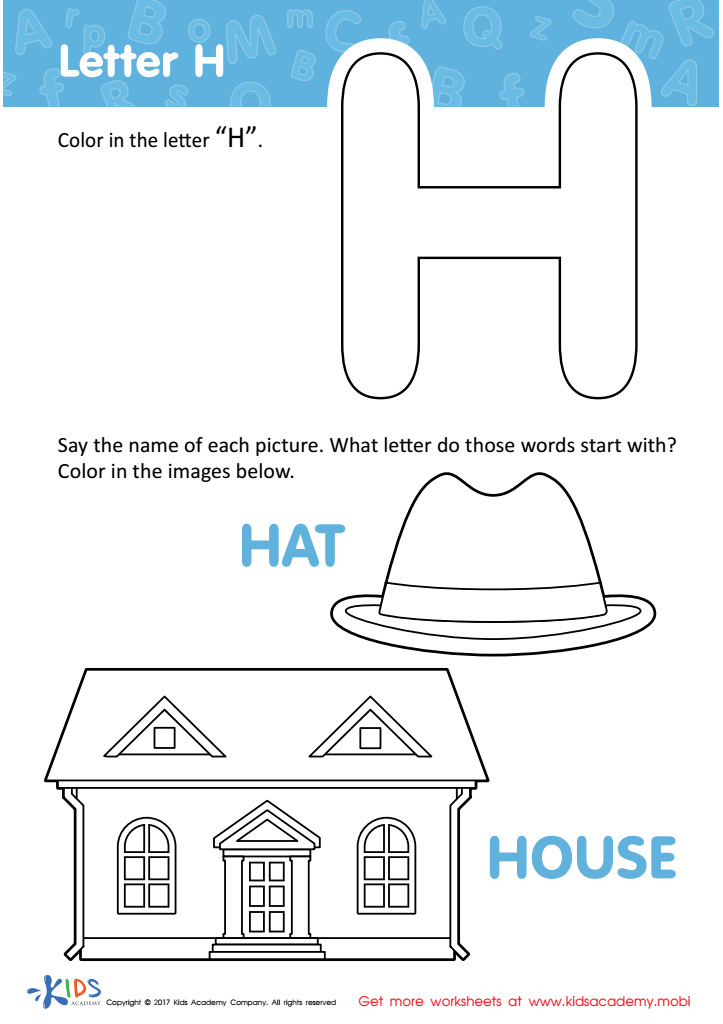
Letter H Coloring Sheet
Assign to My Students
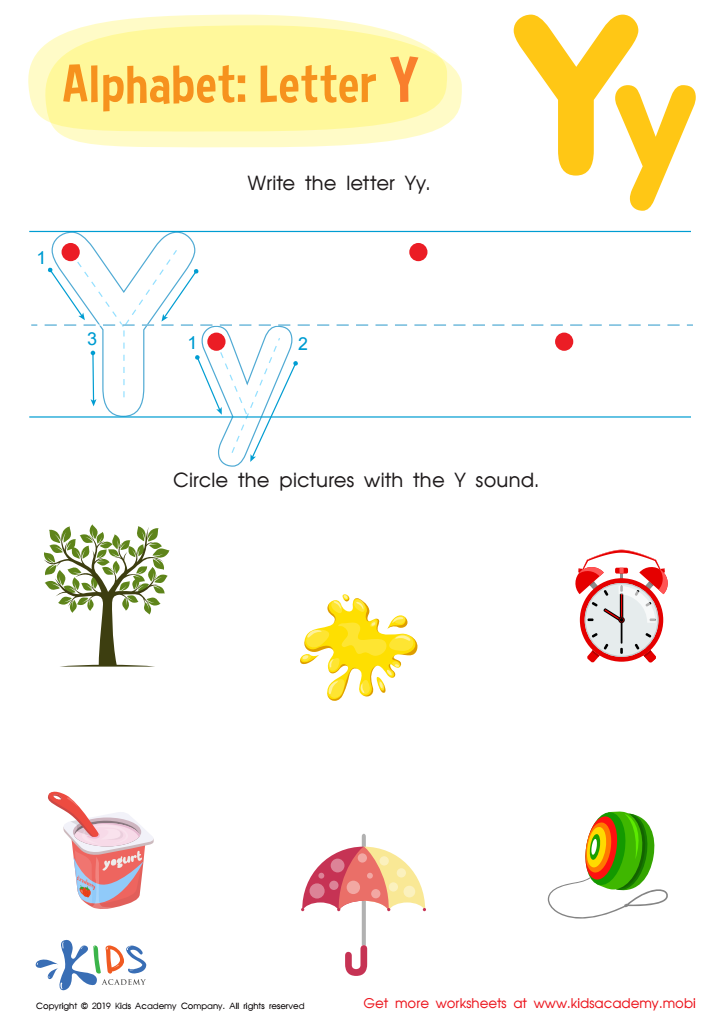
Letter Y Tracing Worksheet
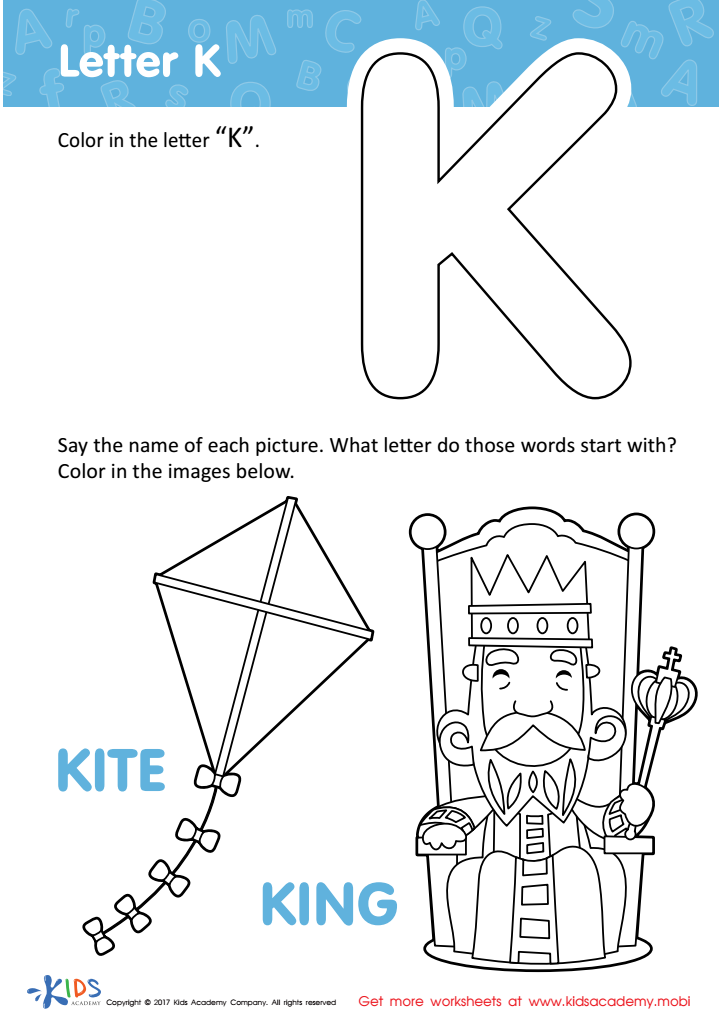
Letter K Coloring Sheet
Assign to My Students
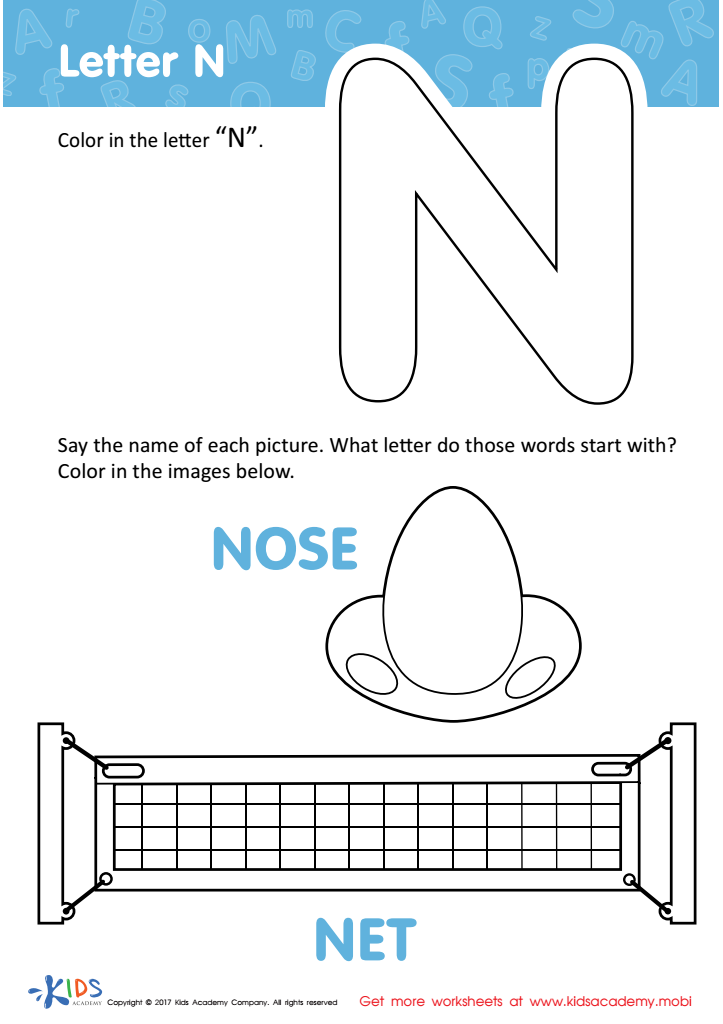
Letter N Coloring Sheet
Assign to My Students








Handwriting practice, particularly with the Grade 3 alphabet, holds significant importance for children's development and learning. At this stage, students are at a pivotal point in their education where foundational skills are solidified. One key benefit of handwriting practice is that it enhances fine motor skills. Writing the alphabet requires controlled, precise movements that can improve overall hand-eye coordination.
Moreover, handwriting activities contribute to literacy advancement. When students write letters and words repeatedly, they begin to understand letter formation, spacing, and the flow of words, which aids in reading fluency and comprehension. Improved handwriting skills lead to more legible writing, which is crucial for clear communication of ideas, both academically and personally.
Handwriting practice also fosters better cognitive development. The act of writing stimulates brain regions related to memory, attention, and learning, making the information more likely to be retained. Importantly, handwriting instills a sense of discipline and patience, which are valuable traits for their educational journey.
Parents and teachers should care about Grade 3 handwriting practice because it encompasses a holistic enhancement of motor skills, literacy, cognitive functions, and concentration. Investing time in developing these skills creates a strong foundation that can positively impact students' long-term academic success and everyday life.