Filters

31 filtered results

Clear all filters
Favorites
With answer key
Interactive

31 filtered results

Difficulty Level

Grade


Check out this FREE Grade 3 Trial Lesson on Letter Recognition!

Special Moves: Promotion

Favorites
With answer key
Interactive
  • Grade 3
  • Alphabet Recognition
  • Letter Recognition
Letter N worksheets
Letter N worksheets

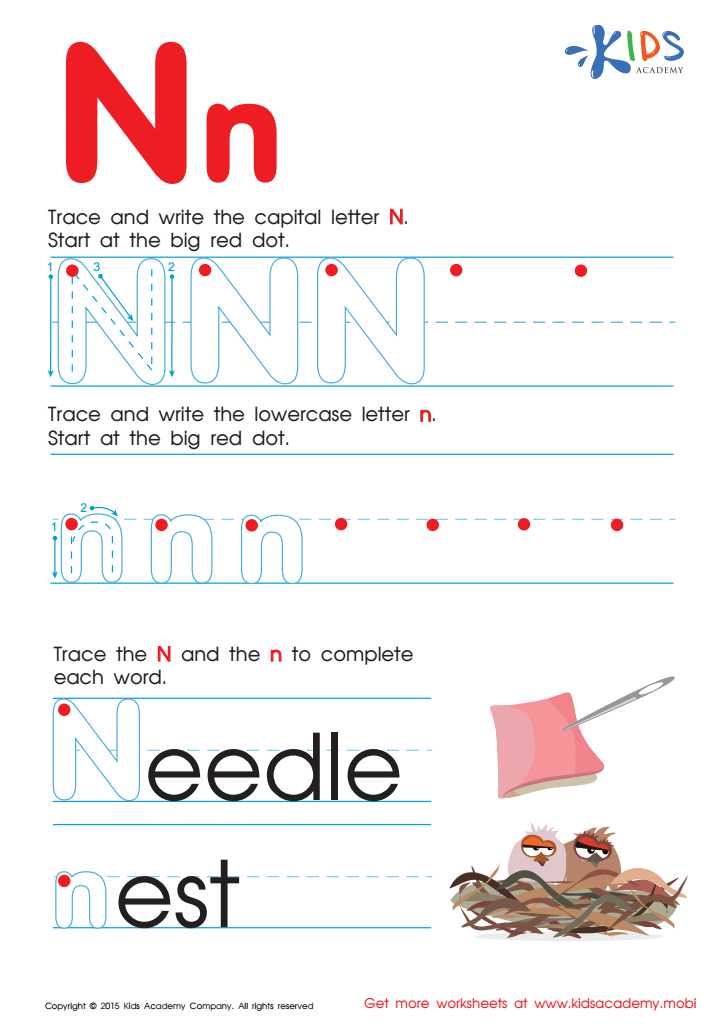
Letter N Tracing Page

Trace and write capital "N" and lowercase "n" several times. Then try forming words like "needle" and "nest". Master letter writing with Kids Academy's collection of ABC worksheets for kindergarten.
Letter N Tracing Page
Worksheet
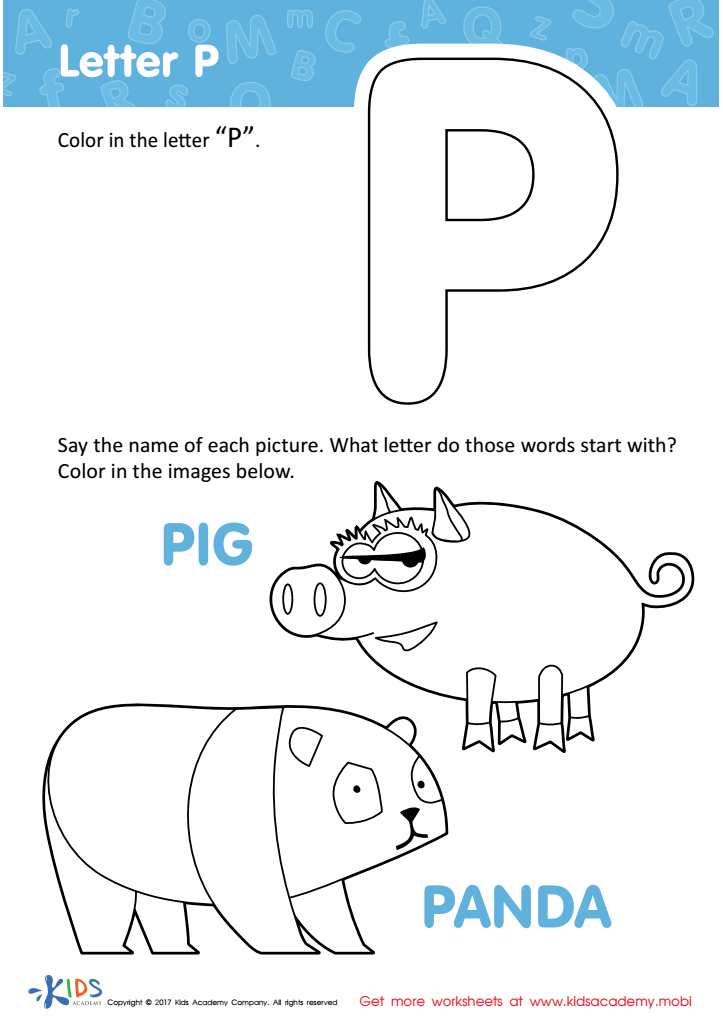
Letter P Coloring Page

Letter P Coloring Sheet

Encourage your child's creativity and letter recognition with this "P" coloring page! Through coloring animals such as pigs and pandas, your little one will get to know the sound of the letter "P" and have fun too!
Download (PDF)
Assign to My Students
Letter P Coloring Sheet
Worksheet
letter e worksheets
letter e worksheets

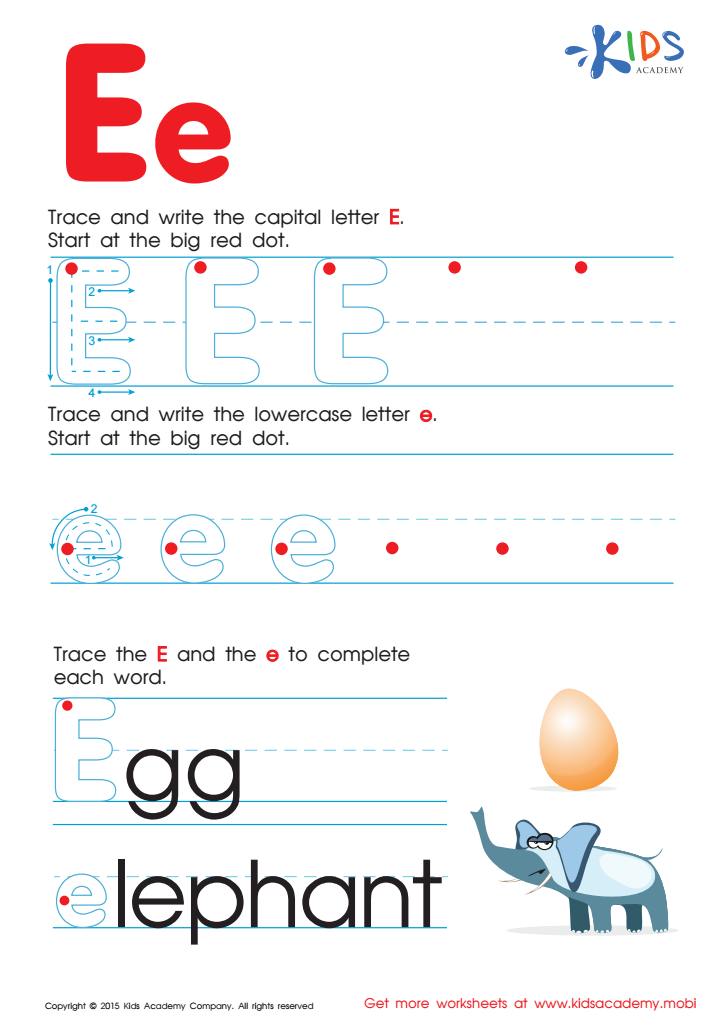
Letter E Tracing Page

Trace and write the uppercase and lowercase "E" starting at the big red dot. Complete words to perfect letter writing. Egg and Elephant must be written carefully. More alphabet worksheets for kindergarten are available for download to spend more time with your children learning.
Letter E Tracing Page
Worksheet
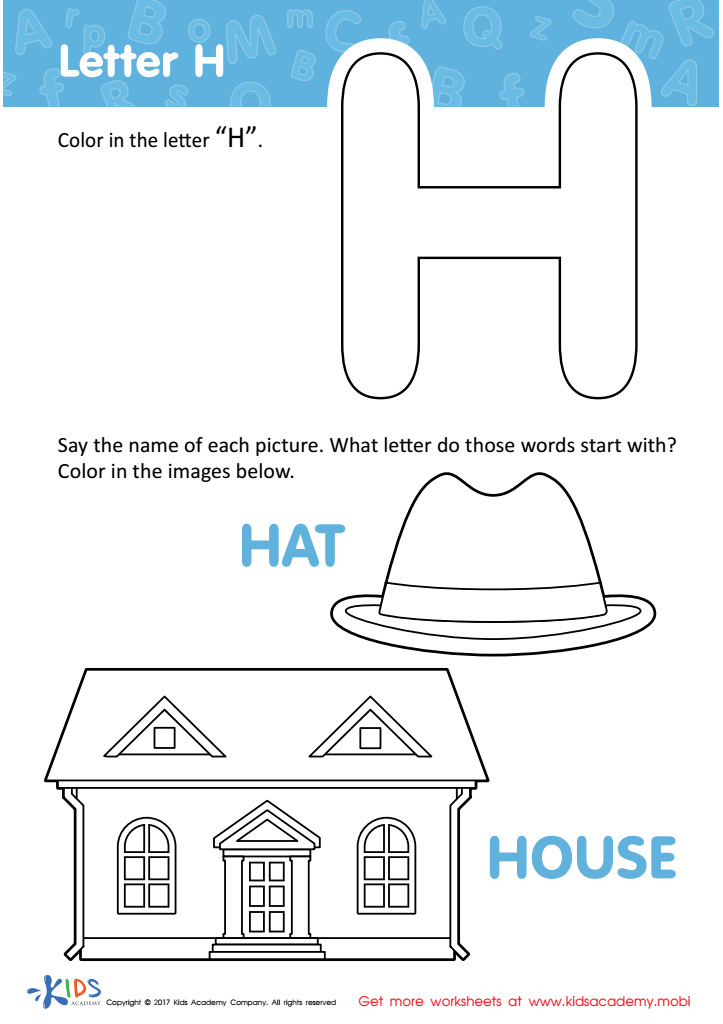
Letter H Coloring Page

Letter H Coloring Sheet

This fun "H" coloring page will help your child recognize the letter and sound of "H"! With a hat and house to color, your little learner will have a blast picking colors and creating designs, all while learning about the letter "H"!
Download (PDF)
Assign to My Students
Letter H Coloring Sheet
Worksheet
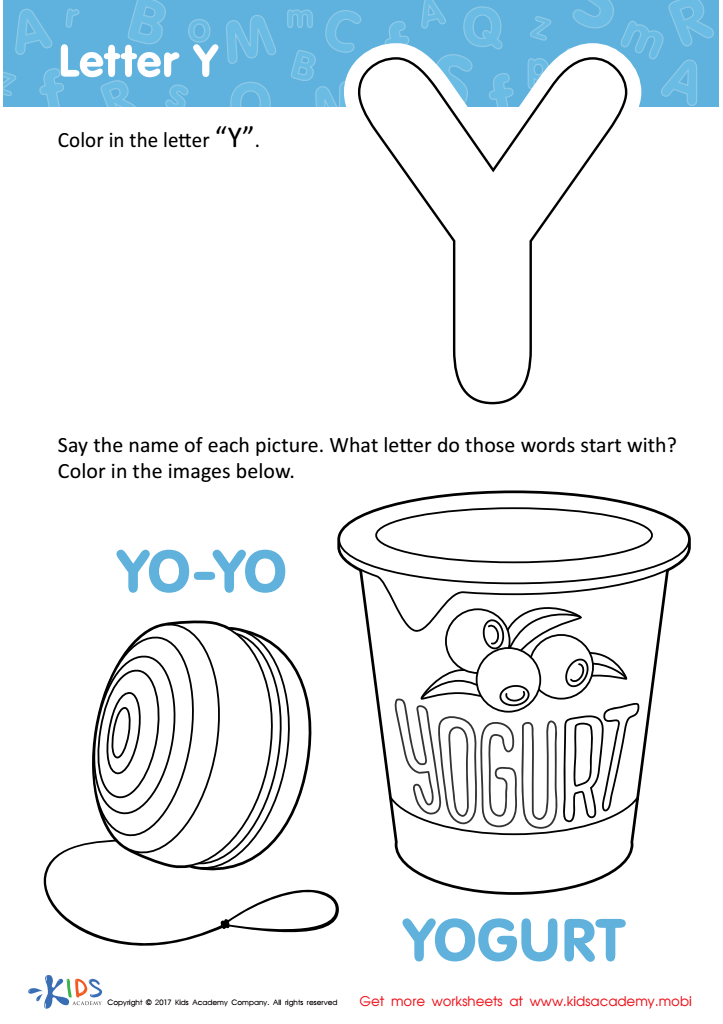
Letter Y Coloring Page

Letter Y Coloring Sheet

Let's celebrate letter "Y"! Here's a fun coloring page that'll help your child learn this end-of-the alphabet letter. It's packed with familiar objects that'll help build their art and literacy skills. So let's say "Yay"!
Download (PDF)
Assign to My Students
Letter Y Coloring Sheet
Worksheet
Letter A Coloring Page

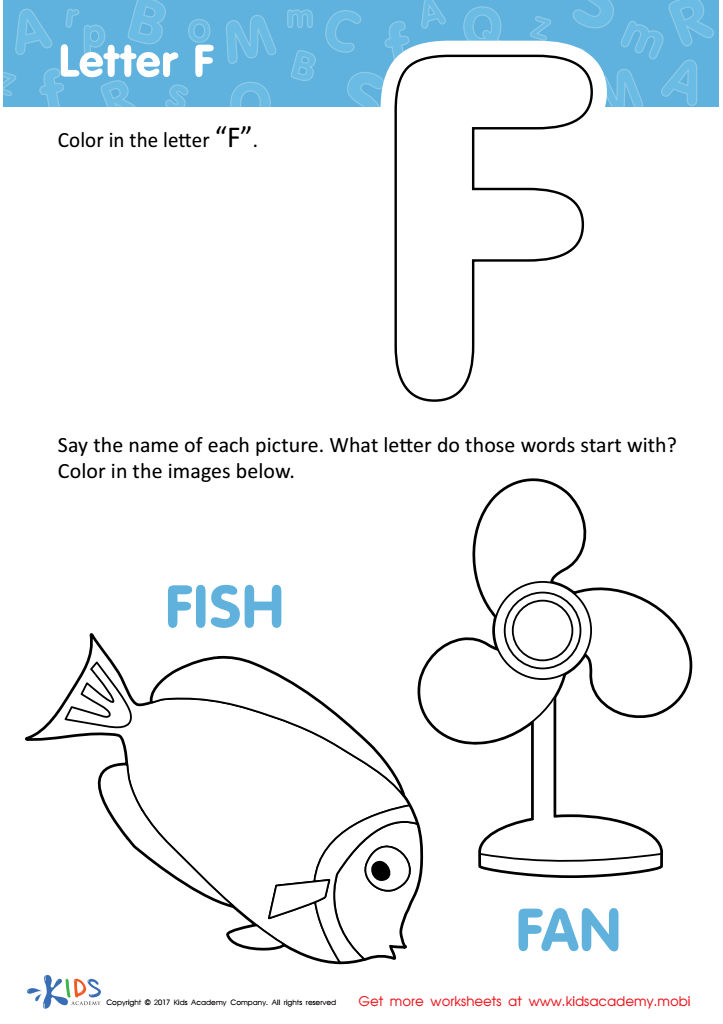
Letter F Coloring Sheet

Coloring pages help kids learn to recognize letters and sounds. Our "F" page has kids color a fish and a fan. It's a great way to introduce them to the letter "F" using words they already know.
Download (PDF)
Assign to My Students
Letter F Coloring Sheet
Worksheet
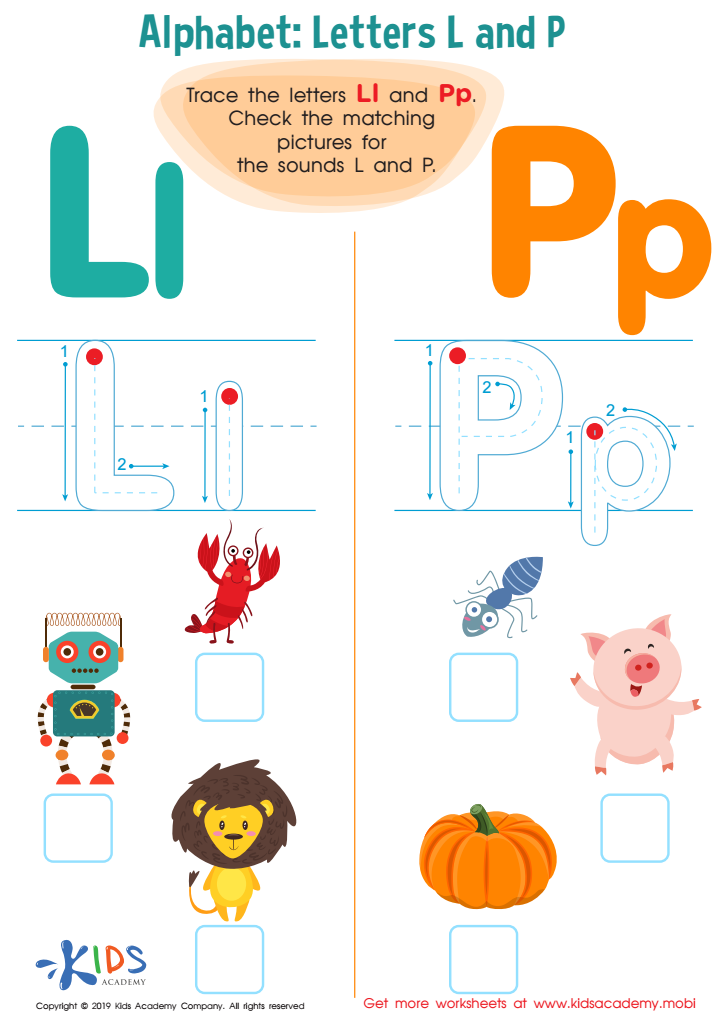
Letter L and P Tracing Worksheet Preview

Letter L and P Tracing Worksheet

This traceable worksheet can motivate your students to learn and practice core skills. They'll trace the letters 'L' and 'P' and identify the pictures next to them. With this exercise, they'll unlock their learning abilities and excel in the subject!
Letter L and P Tracing Worksheet
Worksheet


Alphabet recognition is a crucial foundational skill for children in Grade 3 as it significantly impacts their literacy development. By this stage, students are expected to transition from recognizing letters to using them effectively in reading and writing. Understanding the alphabet is essential for phonics, vocabulary building, and ultimately, comprehension.

Parents and teachers should care about letter recognition because it plays a vital role in communication skills. Proficient letter recognition allows children to decode words, leading to enhanced reading fluency and expression. Furthermore, as students prepare for more complex texts in later grades, failure to recognize letters can impede their academic progress and self-confidence.

Additionally, letter recognition fosters a love for reading and learning. When children can effortlessly identify letters, they're more likely to engage with books and explore different genres, enhancing their overall learning experience. This skillset also aids in developing critical thinking and problem-solving abilities, essential for success in school and beyond.

Investing time and effort into practicing alphabet recognition ensures that children are better equipped for future challenges, making it a vital focus for parents and teachers alike. Through supportive learning environments, both adults play an essential role in nurturing these foundational skills.