Handwriting practice Grade 3 Letter Recognition Worksheets - Page 2
32 filtered results
-
From - To
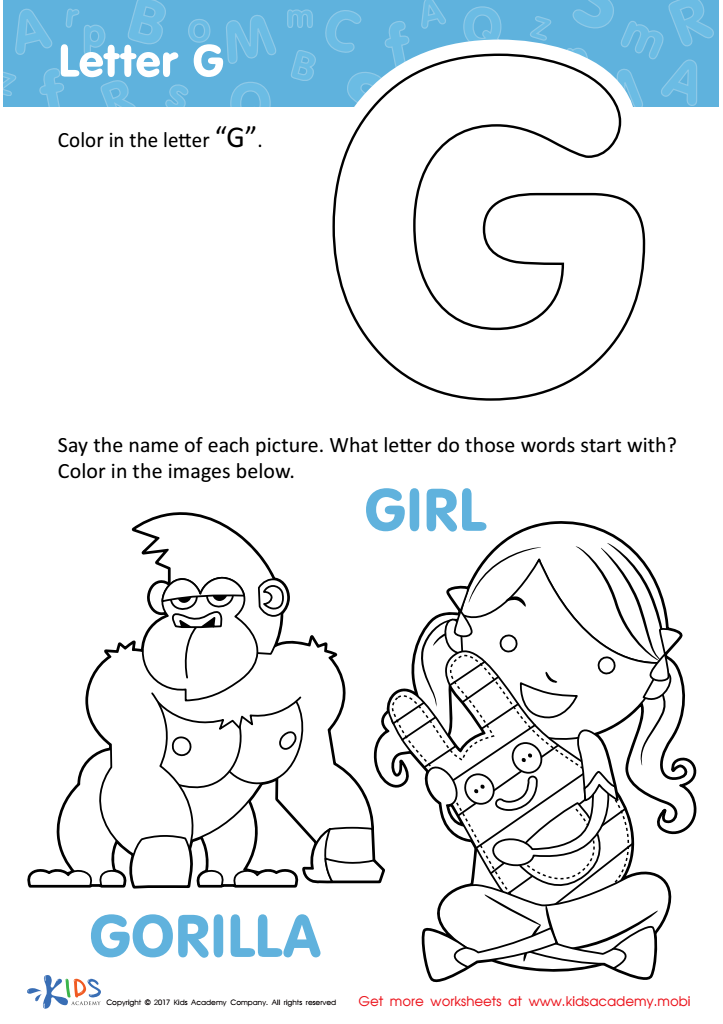
Letter G Coloring Sheet
 Assign to My Students
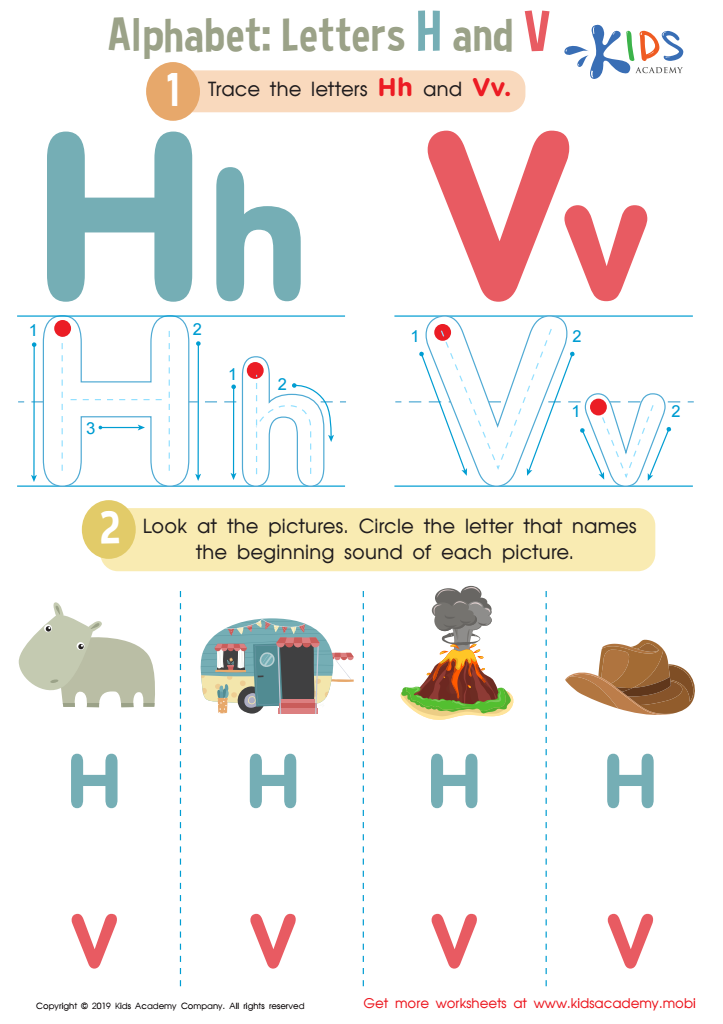
Letters H and V Tracing Worksheet
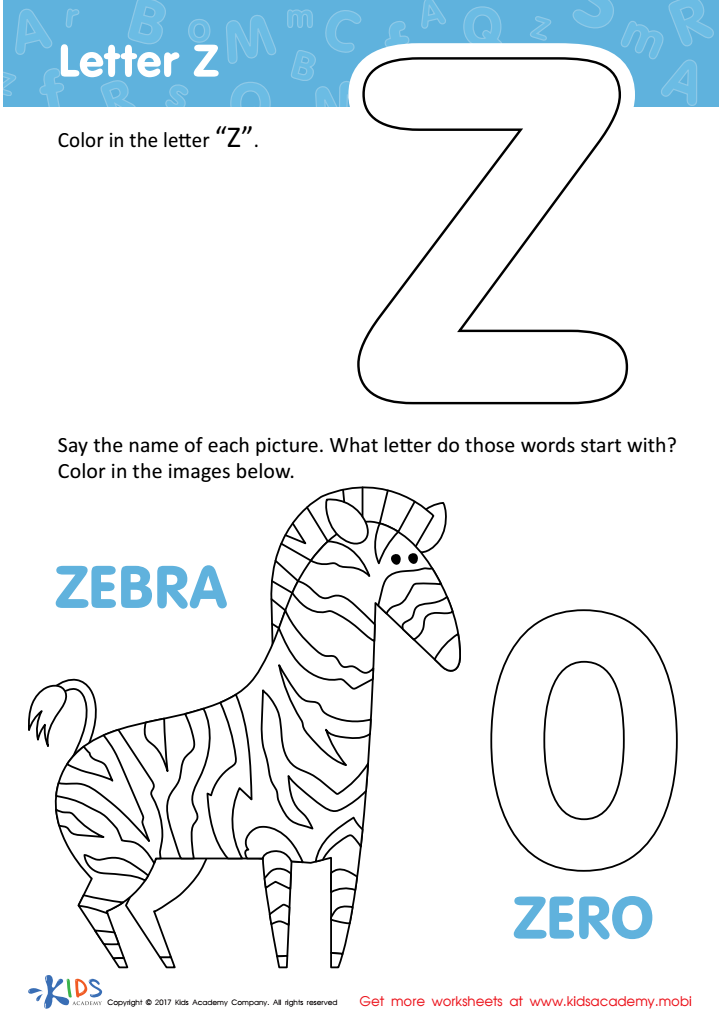
Letter Z Coloring Sheet
Assign to My Students
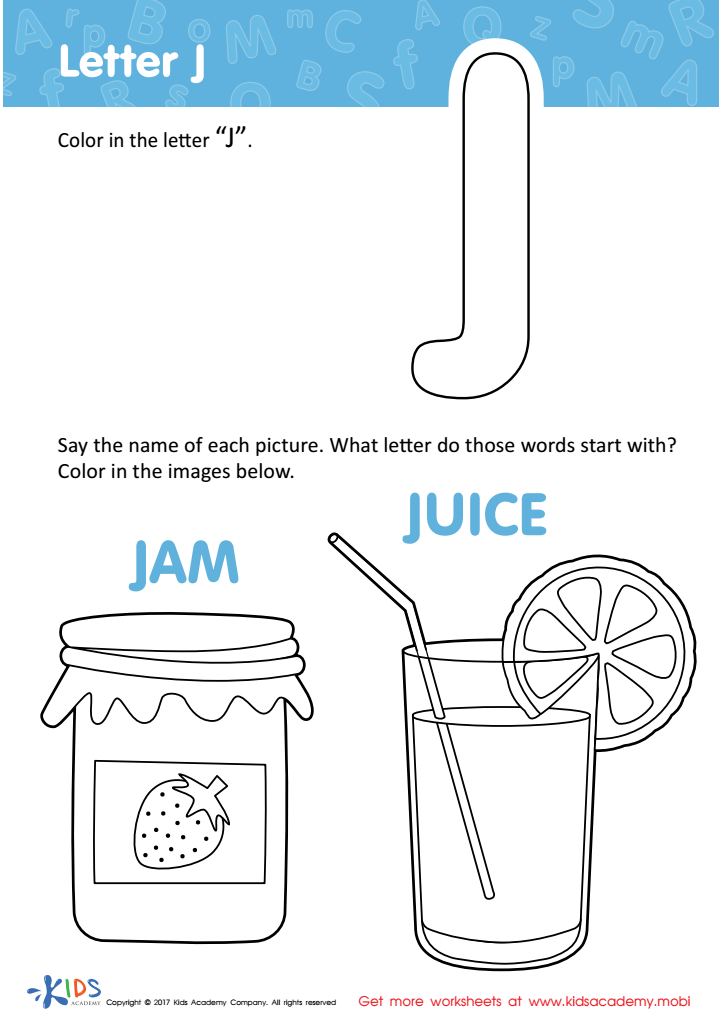
Letter J Coloring Sheet
Assign to My Students
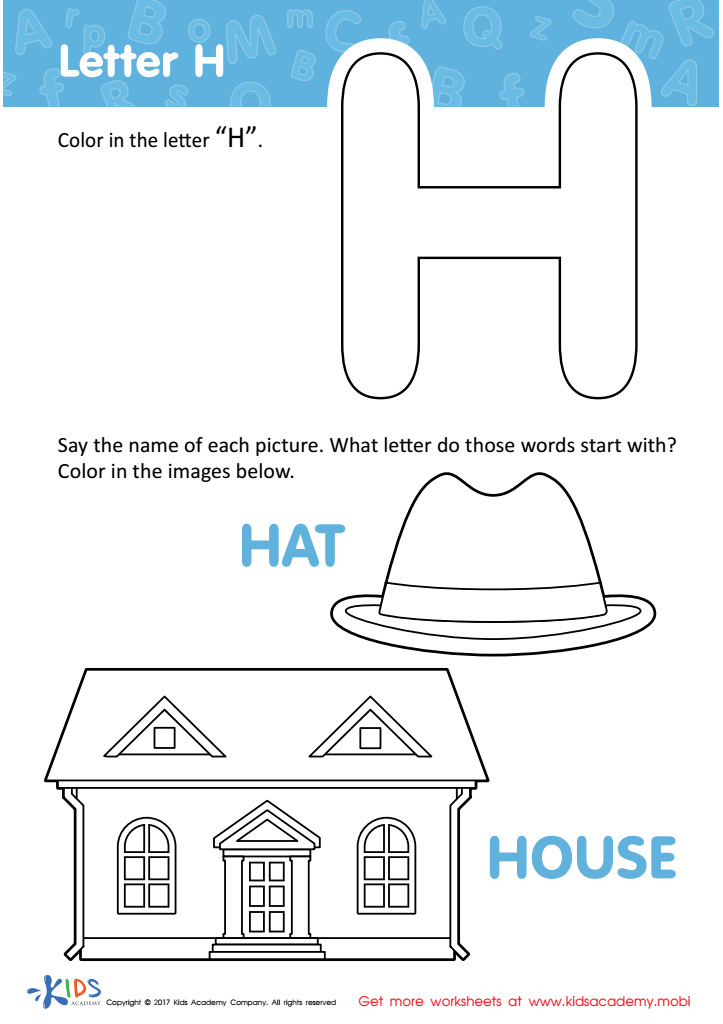
Letter H Coloring Sheet
Assign to My Students
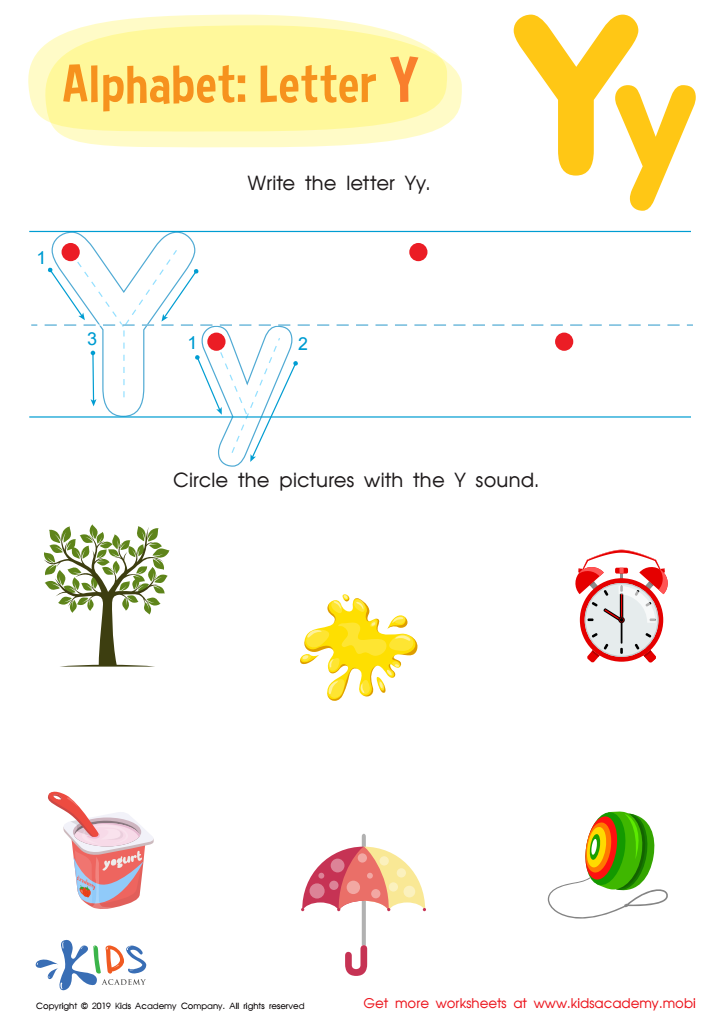
Letter Y Tracing Worksheet
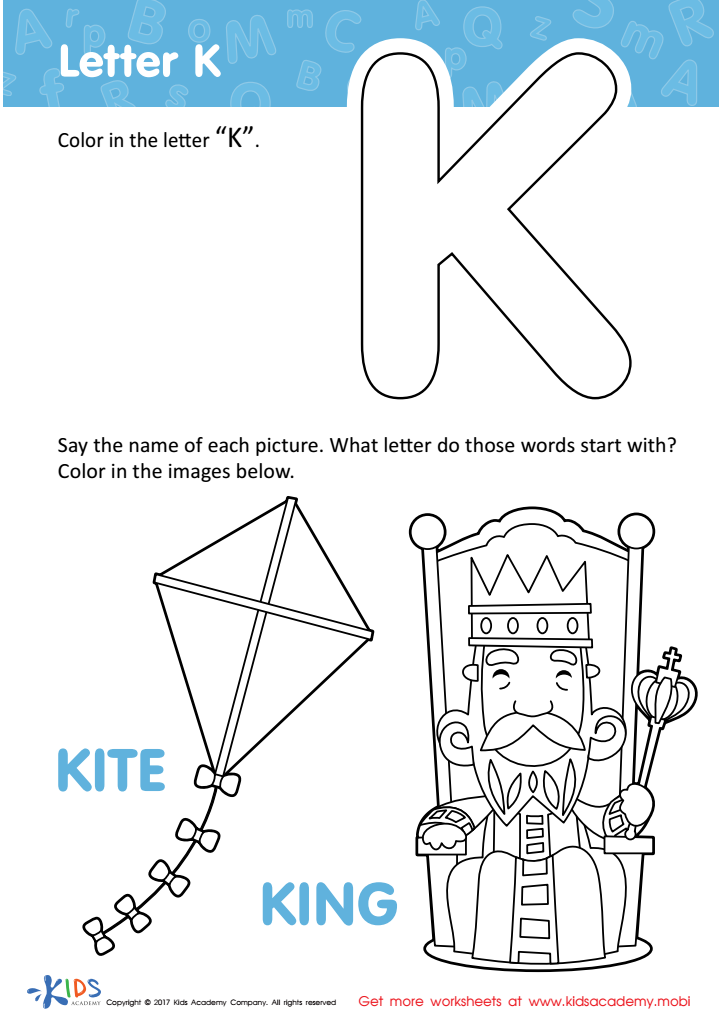
Letter K Coloring Sheet
Assign to My Students

Letter N Coloring Sheet
Assign to My Students





Handwriting practice and letter recognition are crucial components of literacy development for Grade 3 students. Understanding that these skills work together to bolster reading and writing proficiency, both parents and teachers should place significant emphasis on them.
Firstly, handwriting practice helps students develop fine motor skills, which are essential for writing fluency. As children learn to shape letters correctly and uniformly, they build the necessary muscle memory that allows for smoother writing in the future. This manual dexterity not only aids in writing but enhances overall academic performance since it allows students to focus more on content rather than the mechanics of writing.
Secondly, letter recognition is vital for decoding words, which is foundational for reading. Knowledge of letters and their associated sounds enables children to sound out words and spell correctly. When children struggle with letter recognition, they may fall behind in reading proficiency, setting off a cycle of difficulty that can impact self-esteem and engagement in school.
Lastly, supporting handwriting and letter recognition at this stage nurtures a lifelong appreciation for literacy. When children feel confident in their writing abilities, they are more likely to explore reading and writing creatively, enriching their educational experience and personal growth. Thus, prioritizing these skills is essential for their overall success.