Letter recognition Grade 3 English for Beginners Worksheets - Page 2
39 filtered results
-
From - To
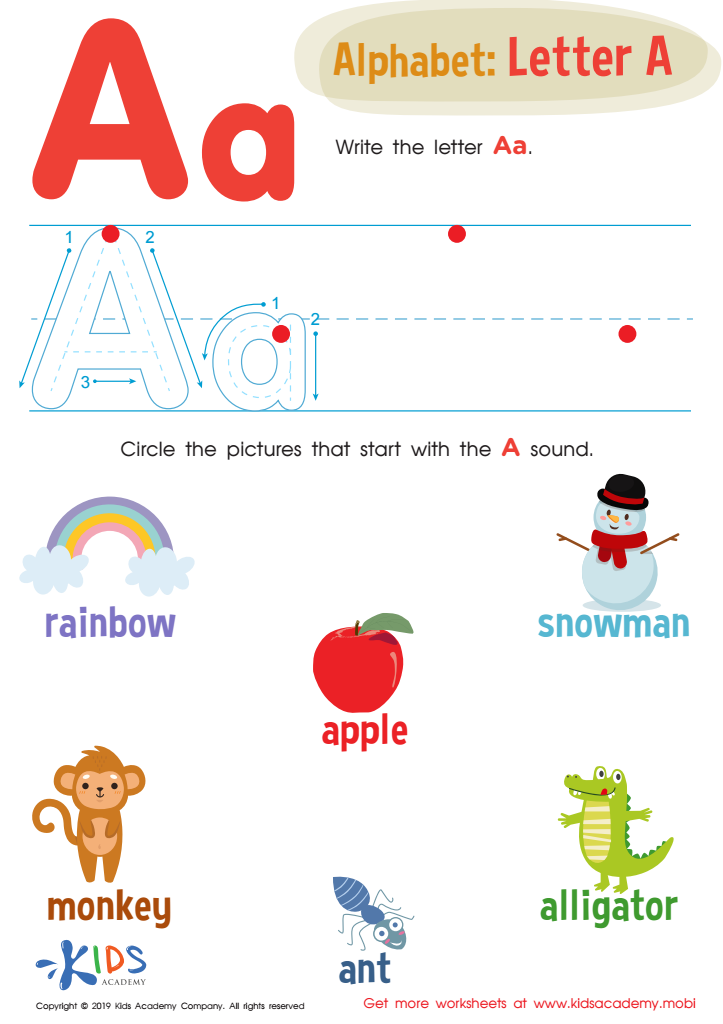
Letter A Tracing Worksheet
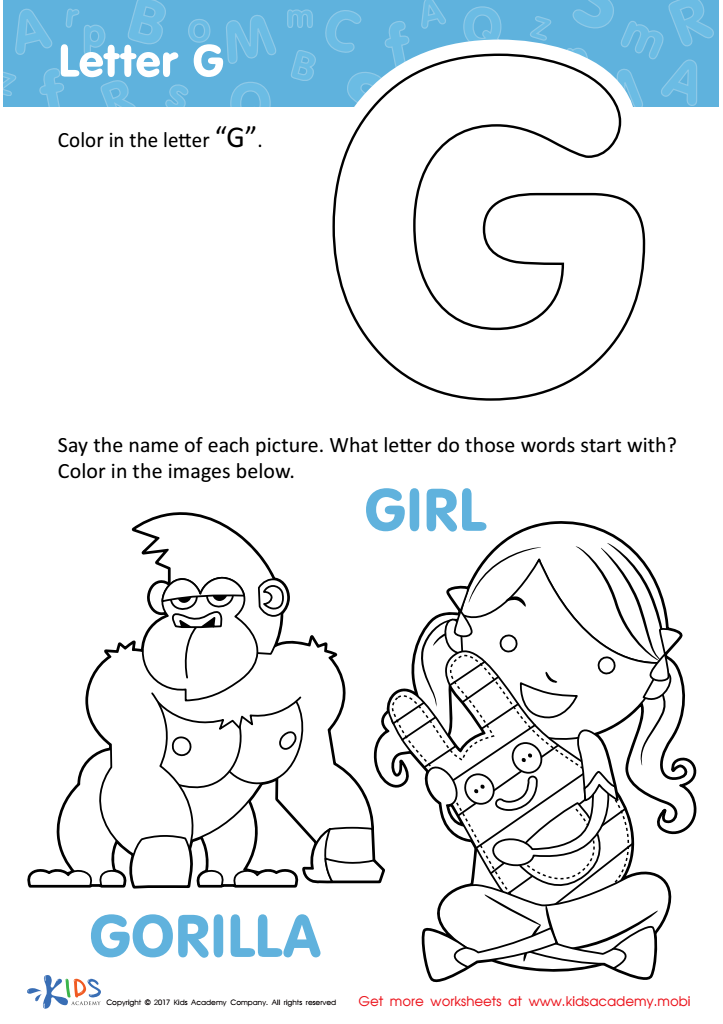
Letter G Coloring Sheet
 Assign to My Students
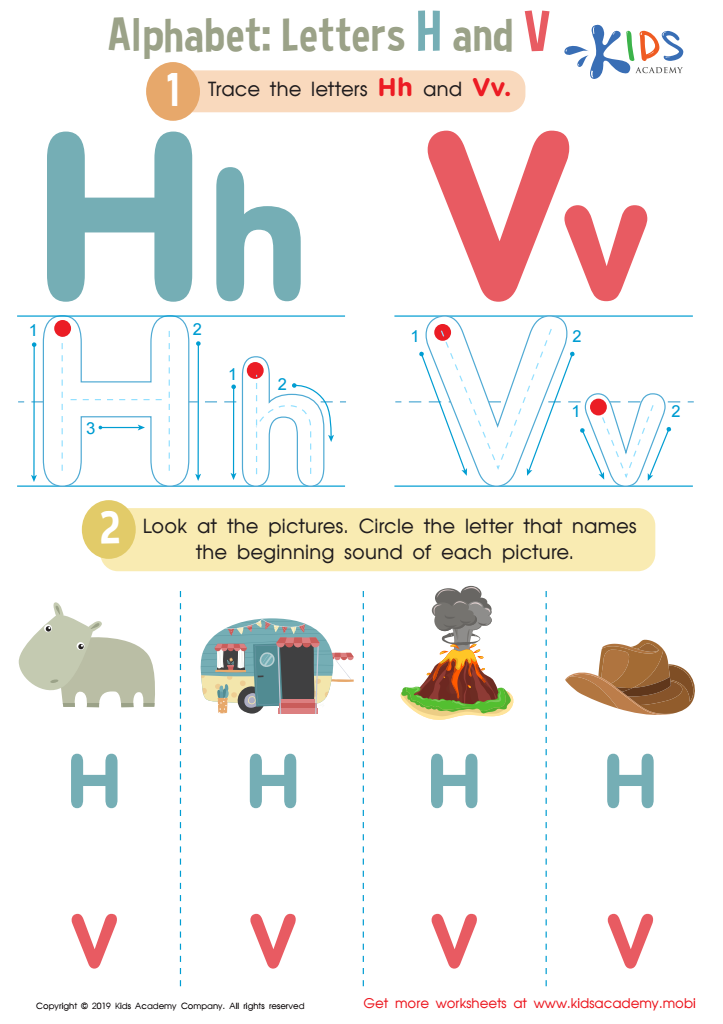
Letters H and V Tracing Worksheet
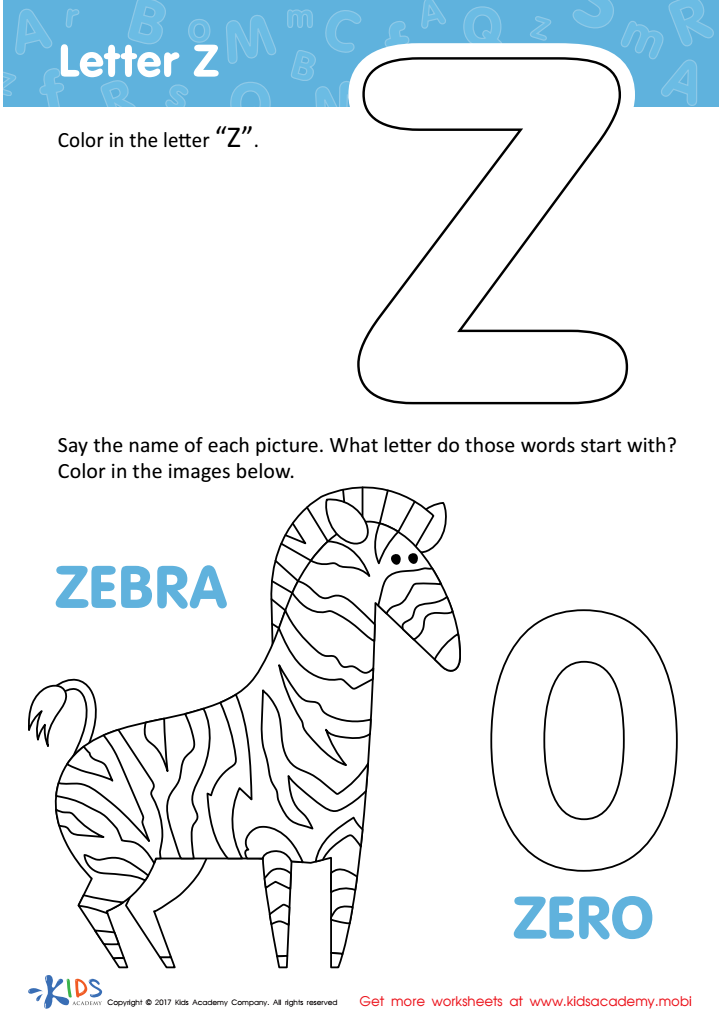
Letter Z Coloring Sheet
Assign to My Students
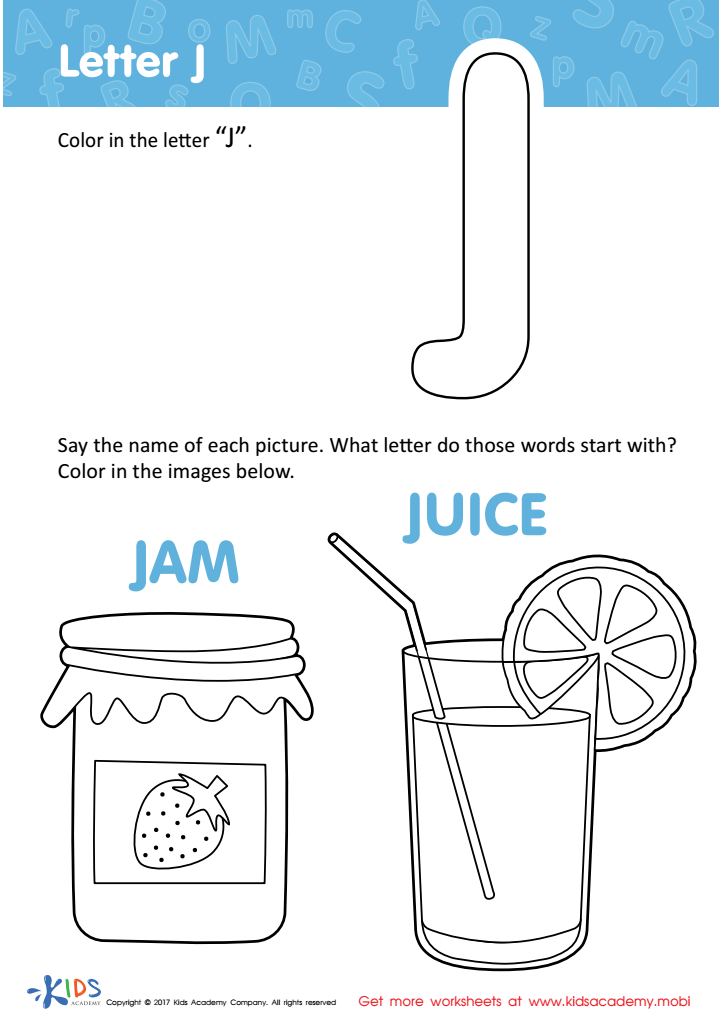
Letter J Coloring Sheet
Assign to My Students
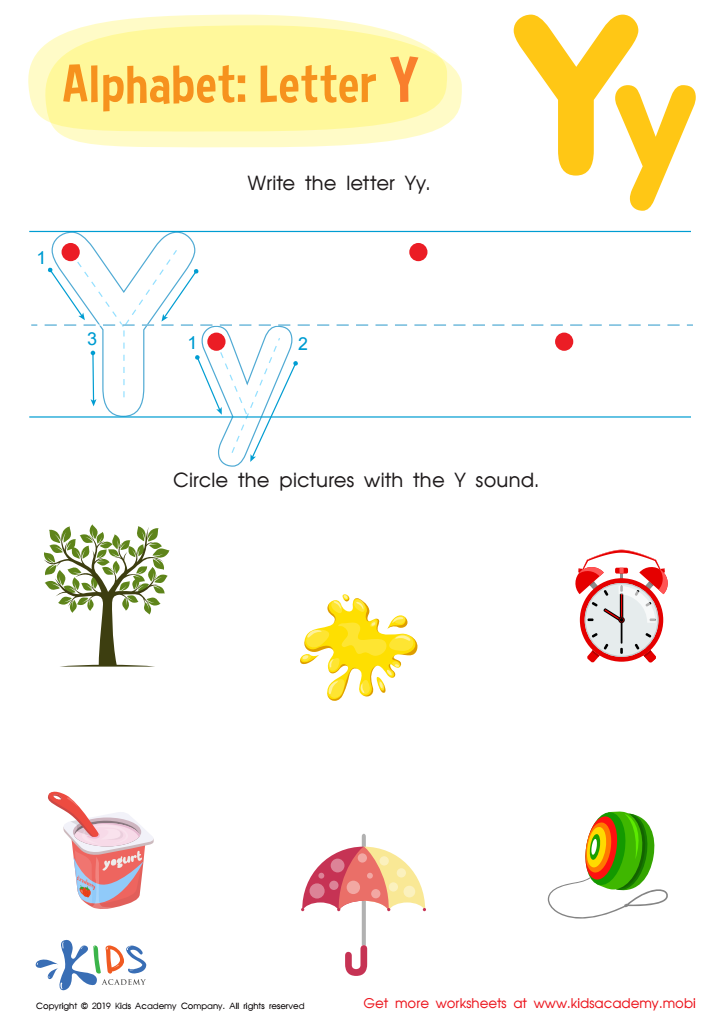
Letter Y Tracing Worksheet
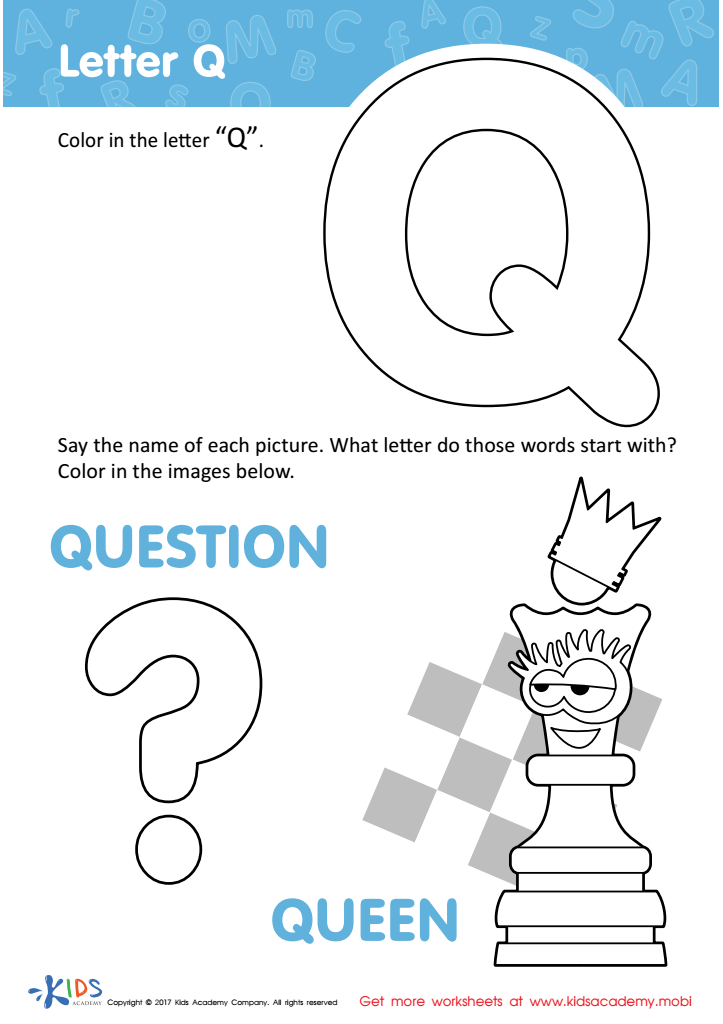
Letter Q Coloring Sheet
Assign to My Students
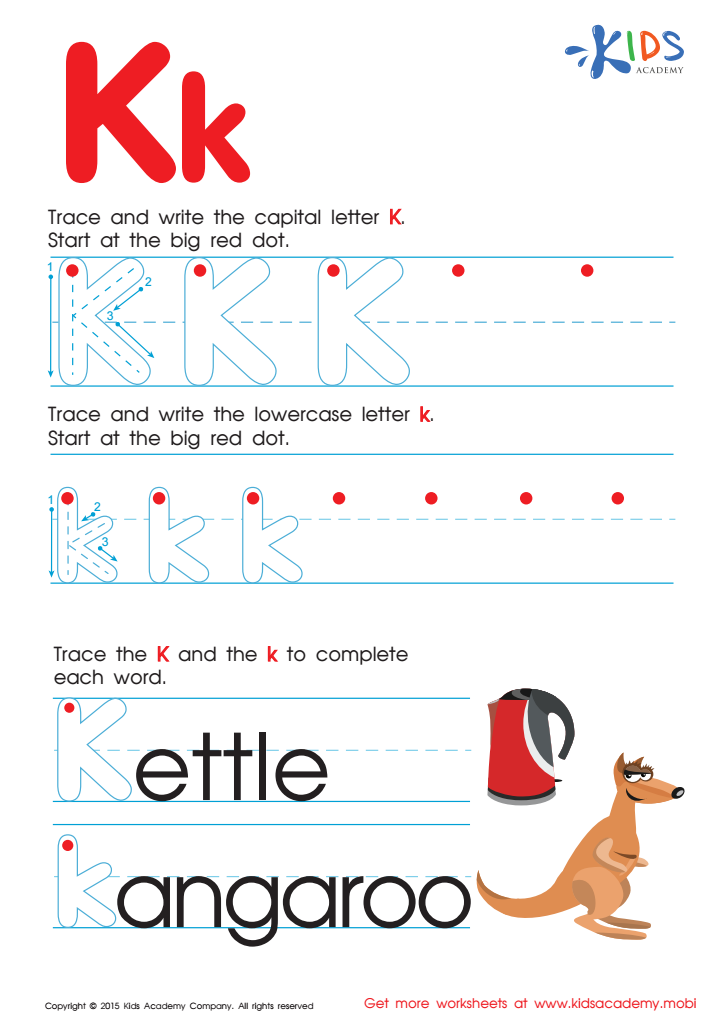
Letter K Tracing Page
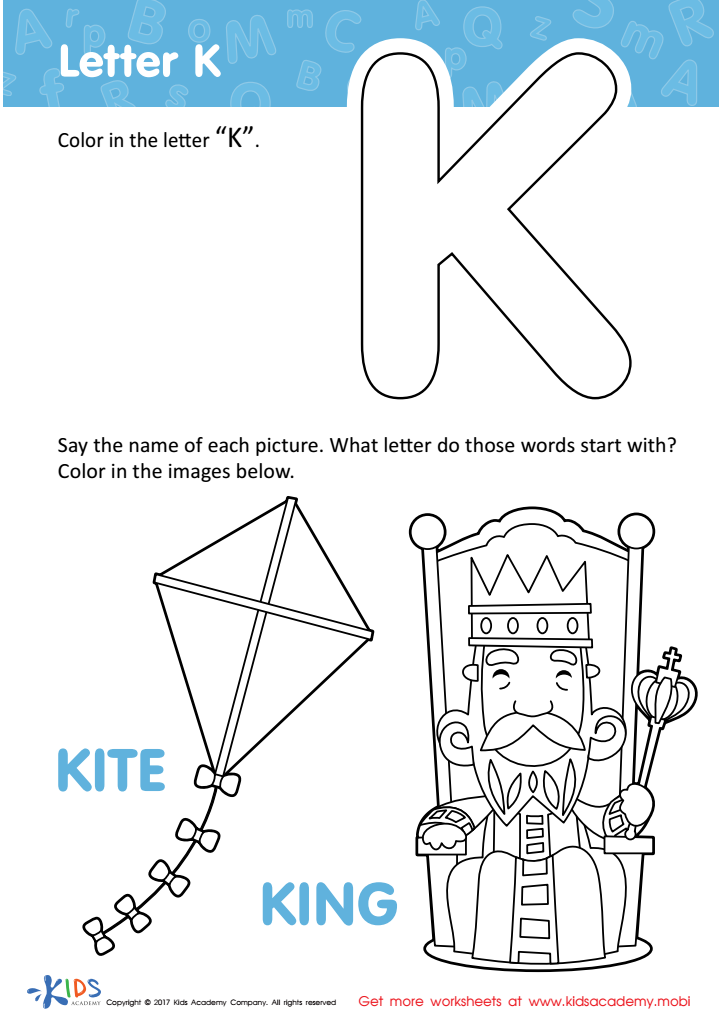
Letter K Coloring Sheet
Assign to My Students
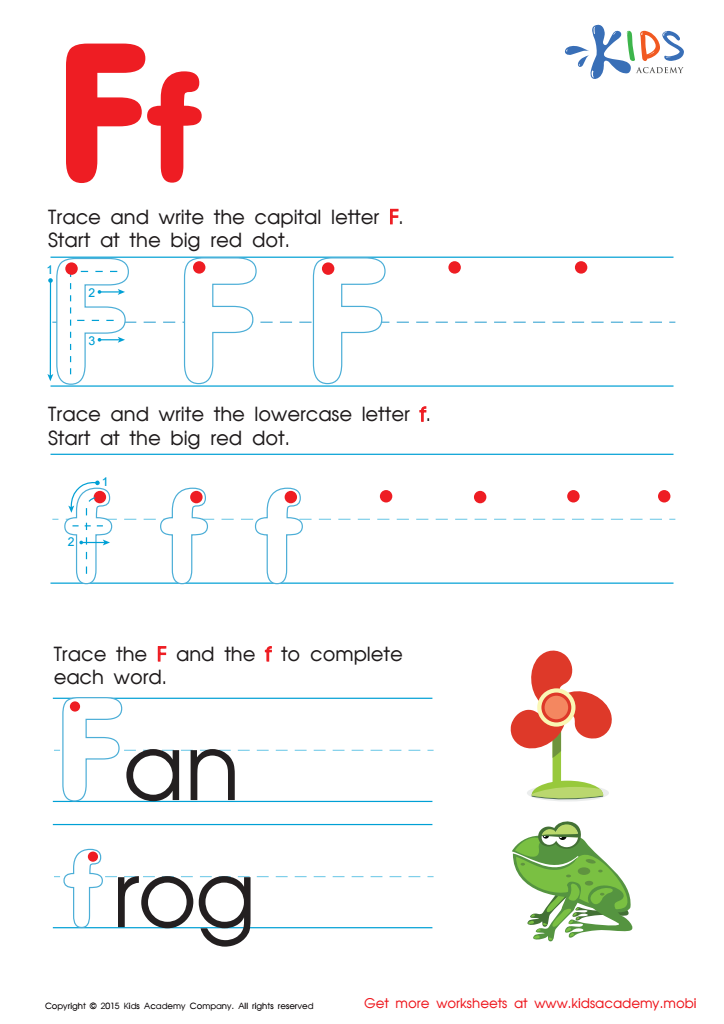
Letter F Tracing Page
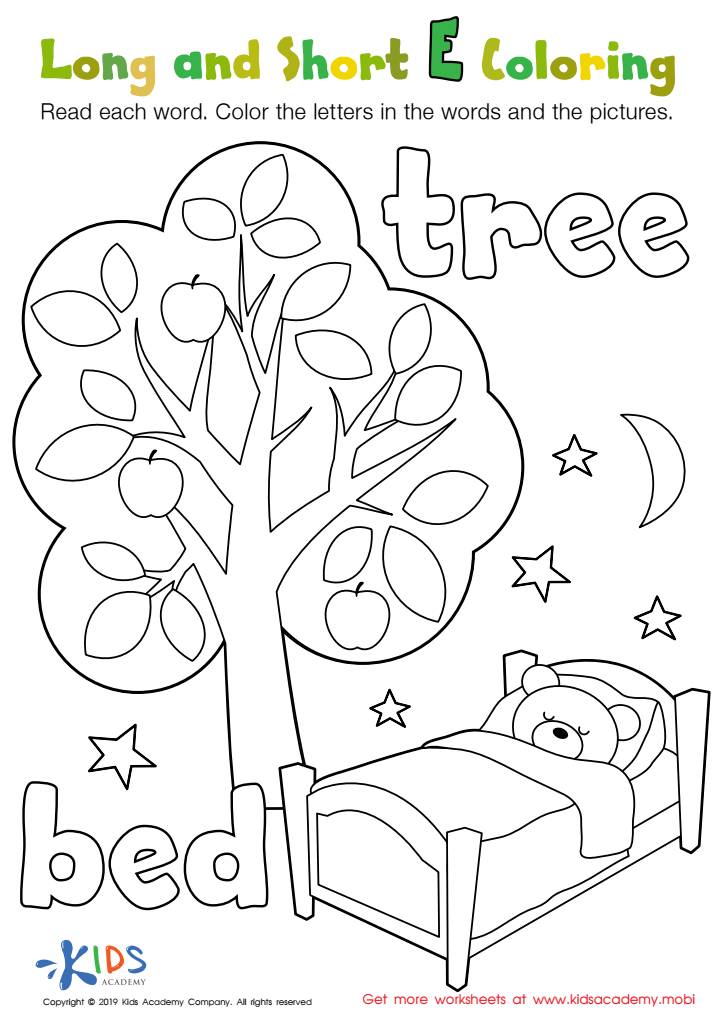
Long and Short E Worksheet
Assign to My Students
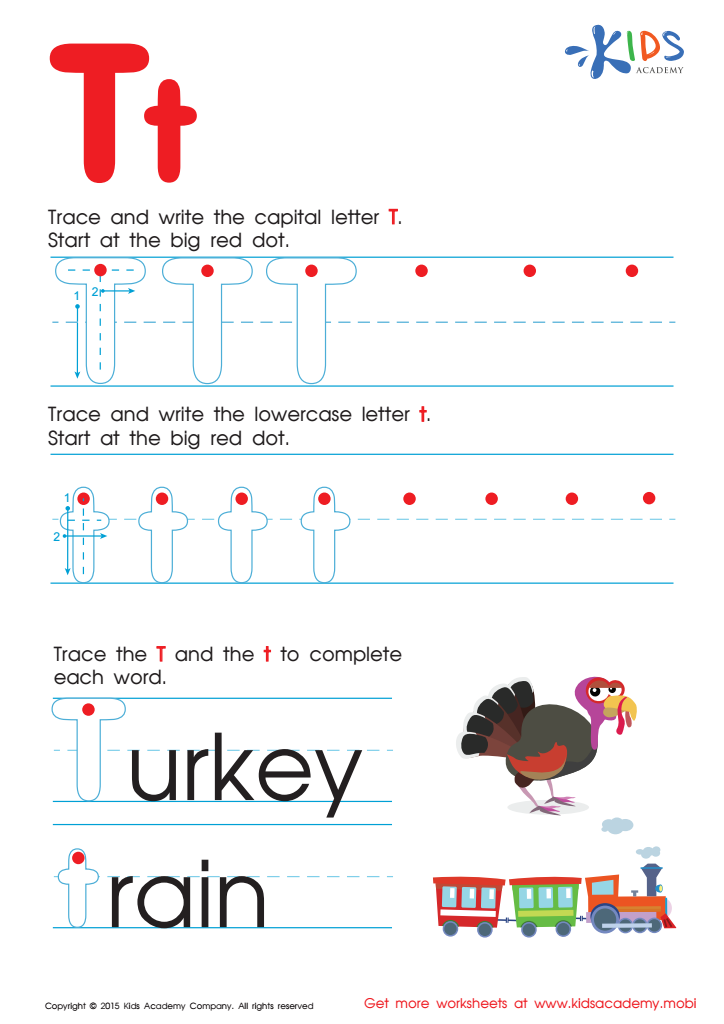
Letter T Tracing Page
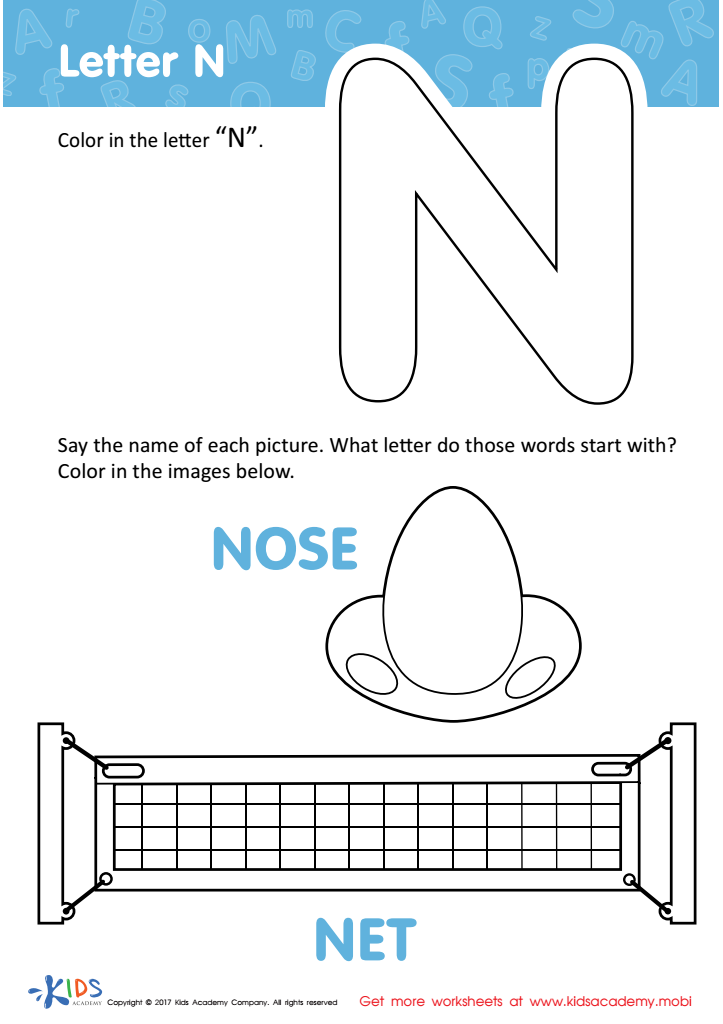
Letter N Coloring Sheet
Assign to My Students
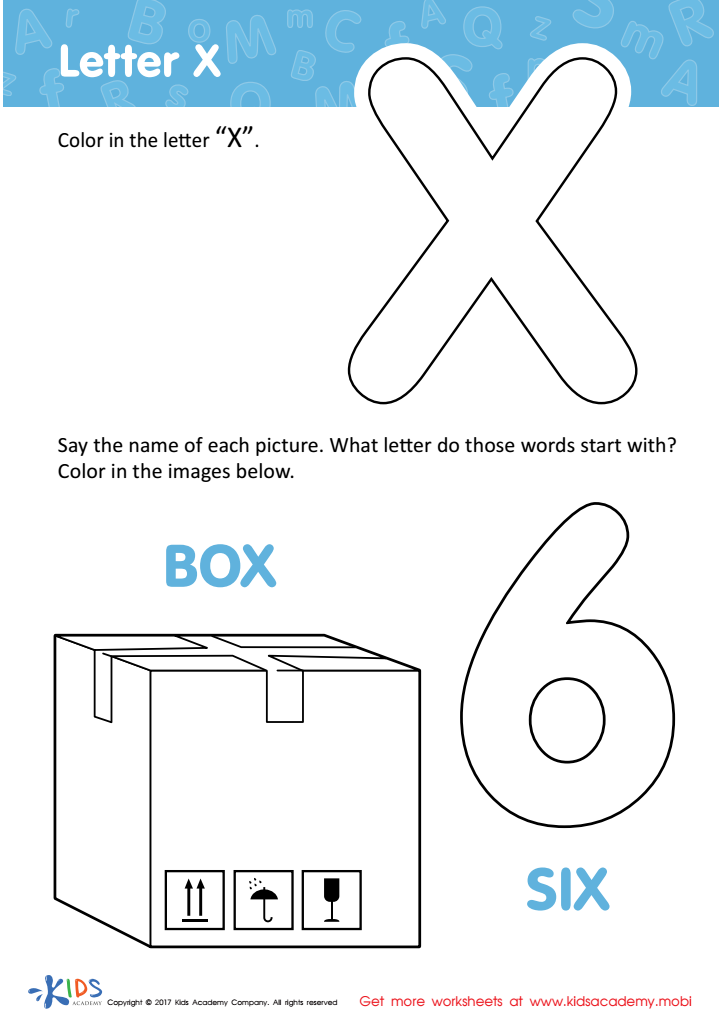
Letter X Coloring Sheet
Assign to My Students

Letter D Tracing Page


Letter recognition is a foundational skill that is crucial for Grade 3 English learners. It is the ability to identify and name the letters of the alphabet, both in uppercase and lowercase forms. Understanding the importance of letter recognition can have a significant impact on a child's literacy development.
First and foremost, letter recognition is the building block for reading and writing. By Grade 3, students are expected to transition from learning to read to reading to learn. Without solid letter recognition skills, their ability to decode words and comprehend texts will be significantly hindered, making academic tasks in all subjects more challenging.
Additionally, strong letter recognition supports vocabulary development. Being able to identify letters quickly and accurately helps children understand the sounds associated with each letter. This phonemic awareness is essential for learning new words and for spelling.
For teachers and parents, fostering letter recognition can also boost a child's confidence and enthusiasm for learning. When children can easily recognize and name letters, they are more likely to participate actively in class, engage in writing activities, and show interest in reading independently.
In summary, ensuring Grade 3 students have solid letter recognition skills sets the stage for comprehensive literacy development, academic success, and a lifelong love of learning. Therefore, it is crucial for parents and teachers to prioritize and support letter recognition in early education.