Basic math concepts Grade 3 Worksheets
3 filtered results
-
From - To
Explore our engaging Basic Math Concepts Worksheets designed for Grade 3 students! These worksheets focus on essential skills such as addition, subtraction, multiplication, and division, helping young learners build a strong mathematical foundation. Each printable worksheet includes a variety of exercises that cater to diverse learning styles, ensuring every student can practice and master key concepts at their own pace. With colorful graphics and interactive challenges, learning math becomes fun and enjoyable! Perfect for classroom use or at-home practice, our Grade 3 worksheets are a valuable resource for teachers and parents looking to enhance their child's math proficiency. Start exploring today!
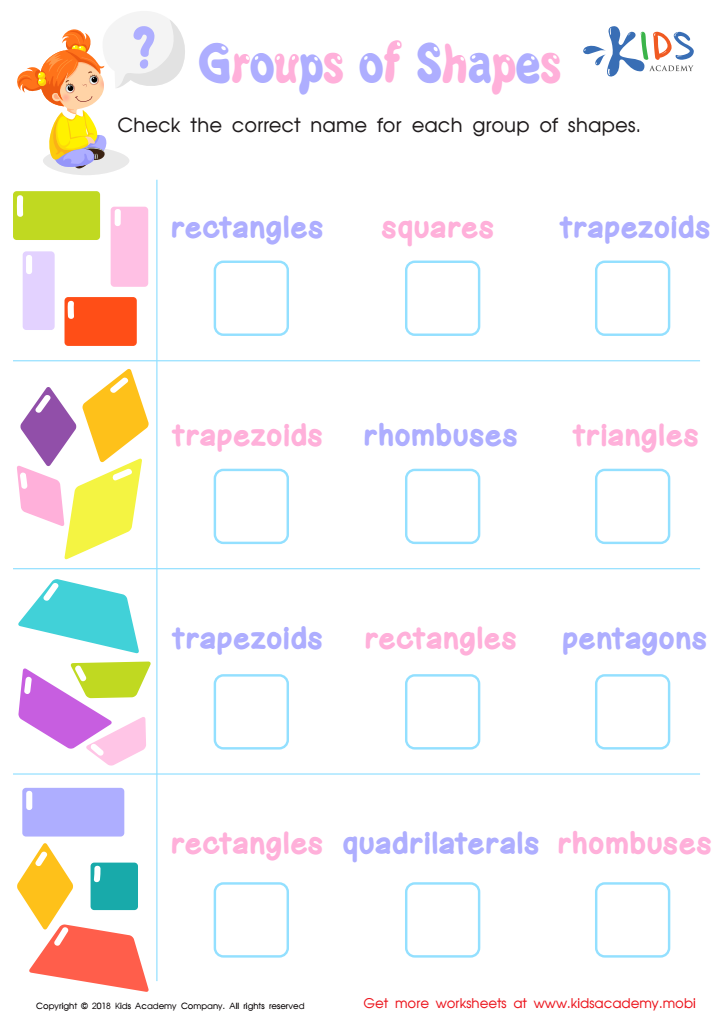
Groups of Shapes Worksheet
 Assign to My Students
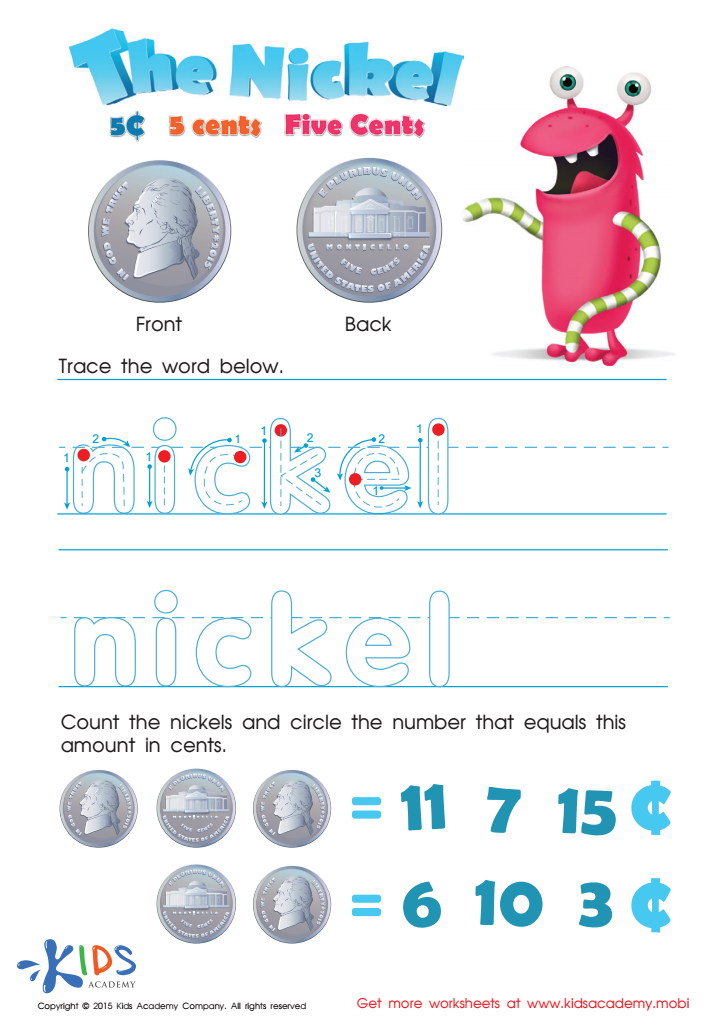
Five Cents or the Nickel Money Worksheet






Parents and teachers should prioritize basic math concepts in Grade 3 because this stage serves as a critical foundation for a child's future academic success. By mastering essential skills such as addition, subtraction, multiplication, and division, children develop problem-solving abilities and logical thinking that are vital across all subjects.
At this age, students transition from understanding simple arithmetic to applying these skills in everyday situations, thereby enhancing their confidence in handling real-life problems. Mastery of these concepts also stimulates cognitive development, fostering crucial skills like critical reasoning and analytical thinking.
Additionally, a solid grasp of basic math can reduce anxiety around future mathematical learning. As curriculum standards increase in complexity, students with a strong foundational understanding are more likely to excel and remain engaged.
Moreover, involved parents and teachers create a supportive learning environment that encourages curiosity and exploration. This involvement reinforces the importance of math, helping children appreciate its relevance in daily life. Ultimately, investing time in these basic concepts will equip children with the skills necessary for academic achievement and empower them to tackle more complex mathematical challenges in the years to come. By emphasizing these early skills, we nurture well-rounded, capable learners.