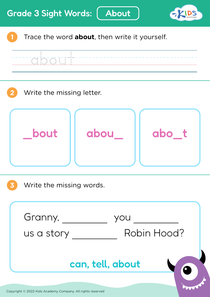
Categorization skills Grade 3 Worksheets
3 filtered results
-
From - To
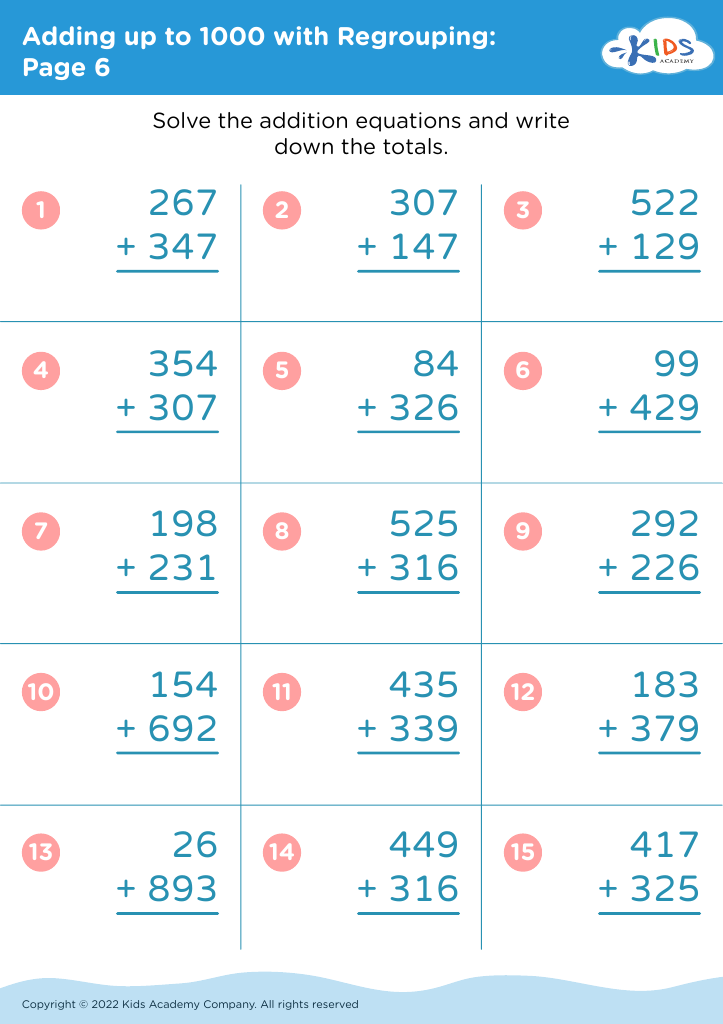
Explore our engaging Grade 3 Categorization Skills Worksheets designed to enhance your child's critical thinking and organizational abilities! These educational resources help students learn how to group items based on similarities, differences, and shared characteristics. Our thoughtfully crafted activities allow third graders to practice categorizing words, objects, and ideas, fostering a deeper understanding of relationships within topics. Whether it's through interactive puzzles or fun matching exercises, these worksheets encourage creative thinking and reinforce essential language and cognitive skills. Perfect for classroom use or homeschooling, our Grade 3 worksheets make learning enjoyable while preparing students for future academic success!
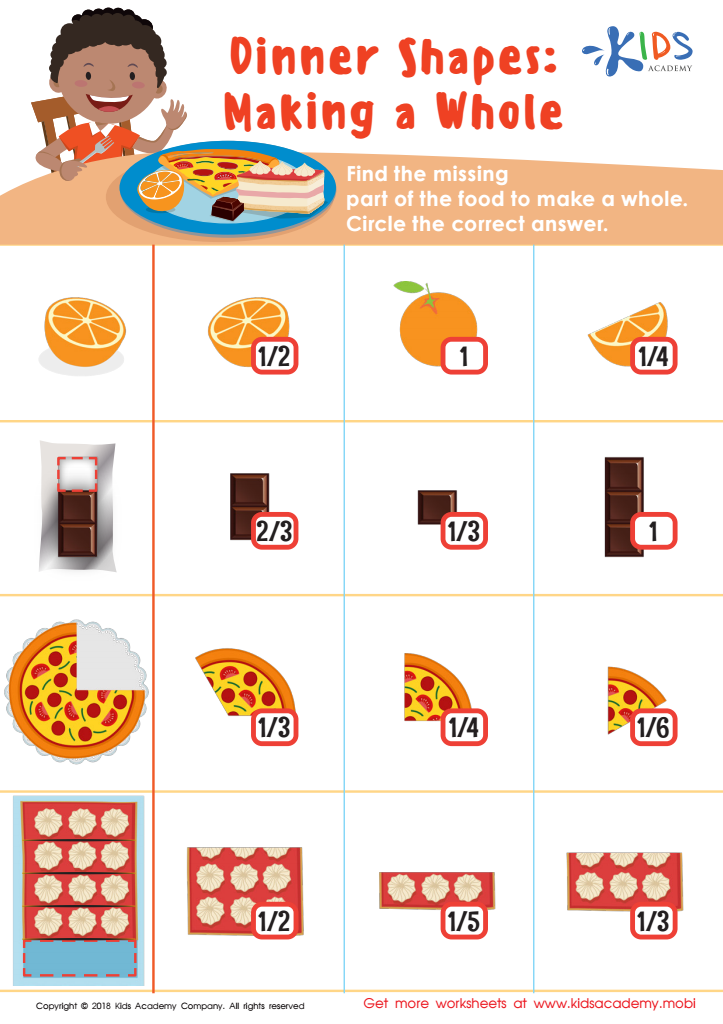
Dinner Shapes: Making a Whole Worksheet
 Assign to My Students
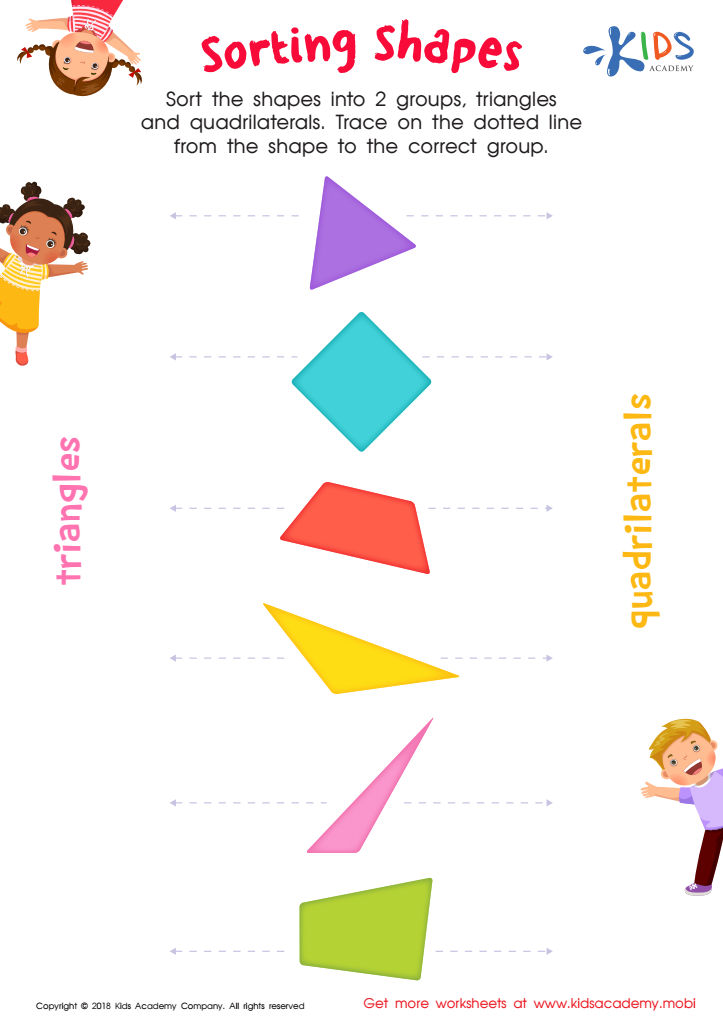
Sorting Shapes Worksheet







Categorization skills are vital for Grade 3 students as they significantly contribute to cognitive development and academic success. At this stage, children learn to group objects, ideas, and information based on shared characteristics, which enhances their critical thinking and problem-solving abilities. Understanding how to categorize helps students organize their thoughts, making it easier to process new information and draw connections between concepts.
Parents and teachers should prioritize these skills because they are foundational for subjects like mathematics and science, where classification and grouping play a critical role. For example, in math, categorization aids in understanding geometric shapes or different types of numbers. In science, students can categorize living organisms or elements based on their attributes.
Beyond academics, strong categorization skills empower children to make sense of the world around them. For instance, grouping experiences and emotions helps with social interactions and personal decision-making. Furthermore, these skills support language development as students begin to acquire vocabulary related to categories and classifications.
By actively fostering categorization skills, parents and teachers set the stage for a child's future success, both in school and life, helping them become organized thinkers and effective communicators. Prioritizing this development is an investment that pays dividends in a child’s educational journey.