Comparative analysis Grade 3 Worksheets
4 filtered results
-
From - To
Explore our comprehensive collection of Grade 3 worksheets focused on comparative analysis. Designed to enhance critical thinking skills, these engaging activities help students compare and contrast various concepts, enabling them to recognize similarities and differences effectively. Packed with colorful graphics and diverse themes, our worksheets encourage creativity while reinforcing essential learning skills. Ideal for classroom or home use, they provide a valuable resource for teachers and parents alike. Encourage your child's analytical abilities and boost their confidence in literary comprehension and problem-solving with our meticulously crafted materials. Discover the joy of learning through comparison today!
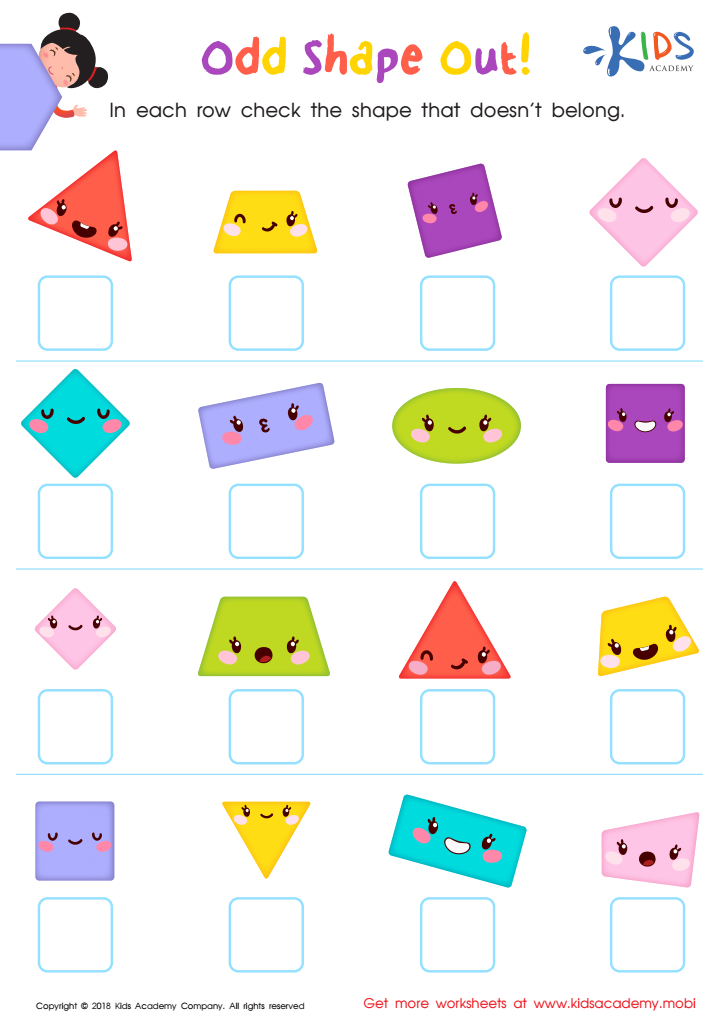
Odd Shape Out Worksheet for Grade 3
 Assign to My Students
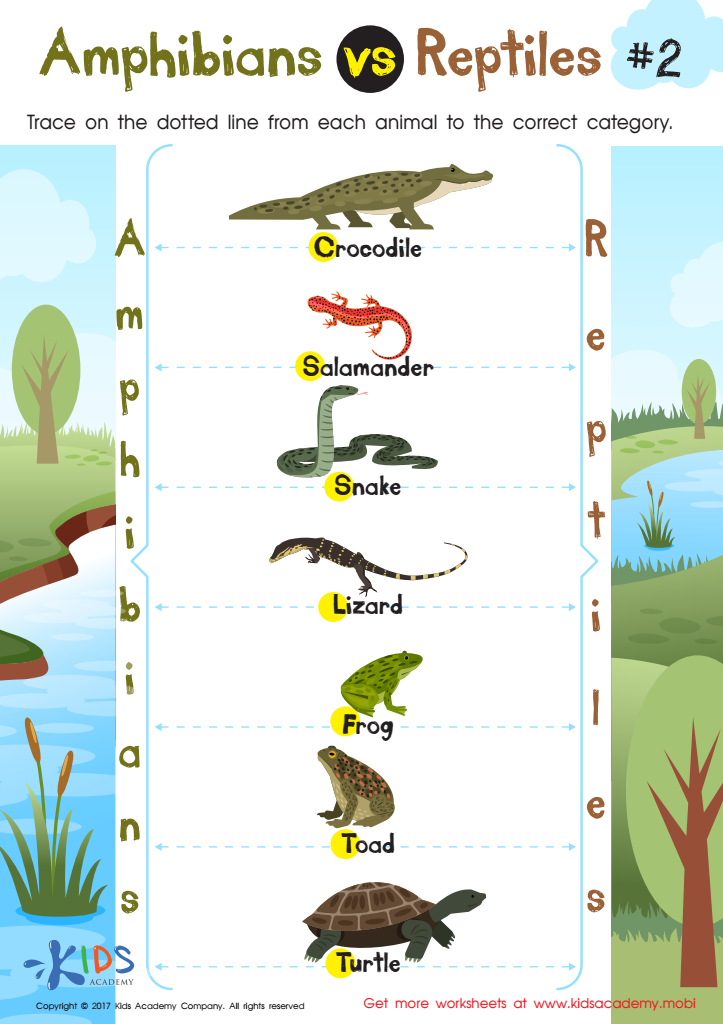
Amphibians vs Reptiles Worksheet for 3rd Grade
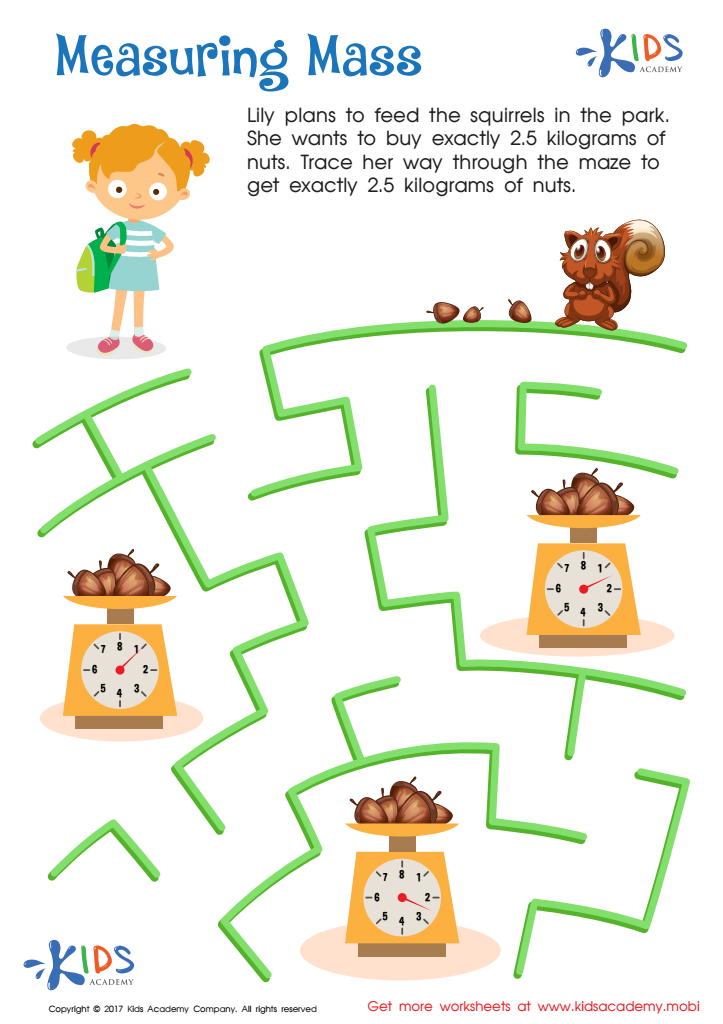
Measuring Mass Worksheet
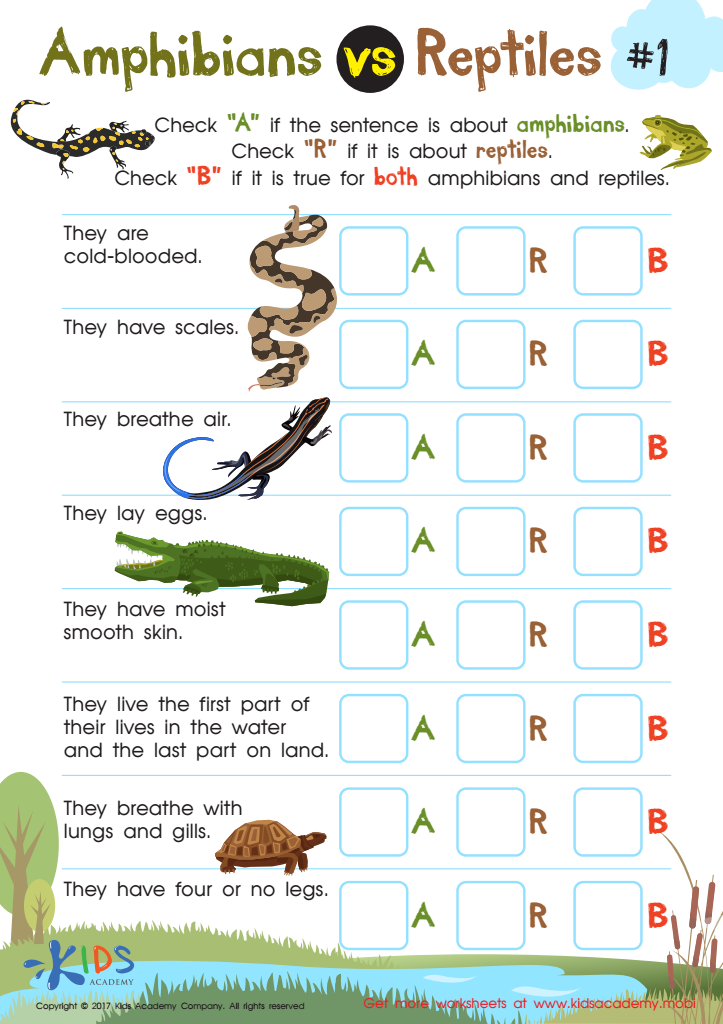
Amphibians vs Reptiles Worksheet






Comparative analysis in Grade 3 education is vital for both parents and teachers as it informs instructional practices and supports student development. By examining students’ performance across different subjects or against benchmark standards, educators can identify strengths and weaknesses in learning. This understanding allows teachers to tailor instruction to meet diverse learning needs, ensuring that each child receives the support required to thrive.
For parents, comparative analysis provides insight into their child's academic progress relative to peers. It enables them to engage meaningfully in their child's education, fostering a home environment that emphasizes learning. Understanding where children stand academically can help parents advocate for necessary resources or interventions.
Additionally, comparative analysis promotes literacy and numeracy development. Teachers can use these evaluations to adapt their teaching strategies, ultimately creating a more targeted learning experience. Engaging in this process encourages collaboration between teachers and parents, reinforcing shared goals for student success. Ultimately, investing in comparative analysis helps cultivate a supportive educational environment where children can build foundational skills essential for future learning and challenges, making it a crucial aspect of early grade education.