Comparing Fractions Grade 3 Worksheets - Page 2
28 filtered results
-
From - To
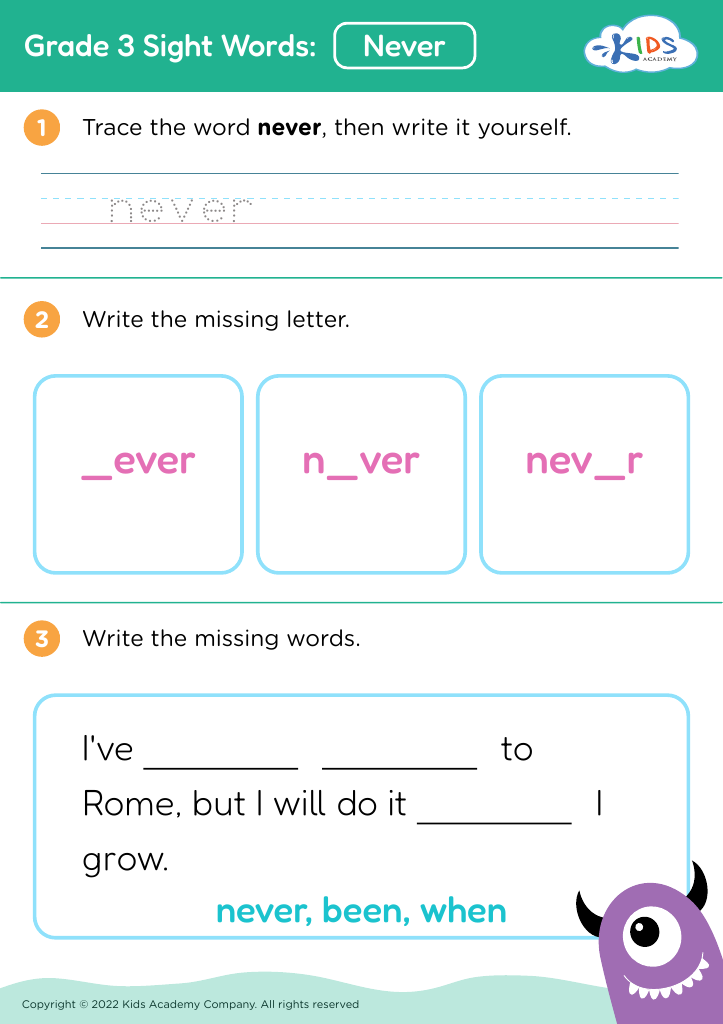
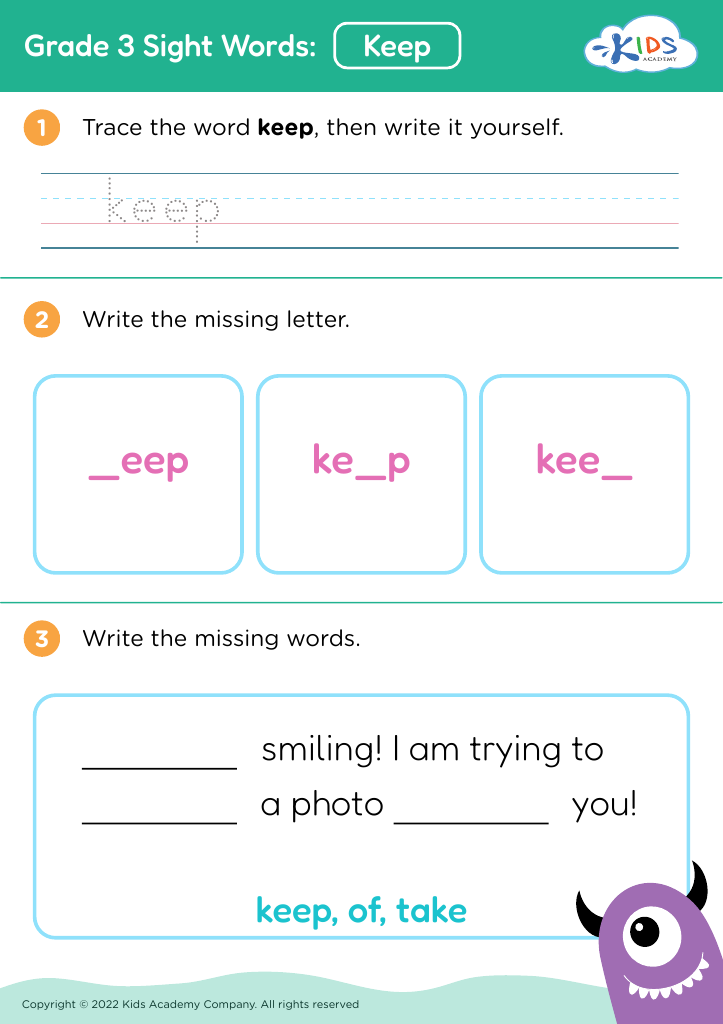




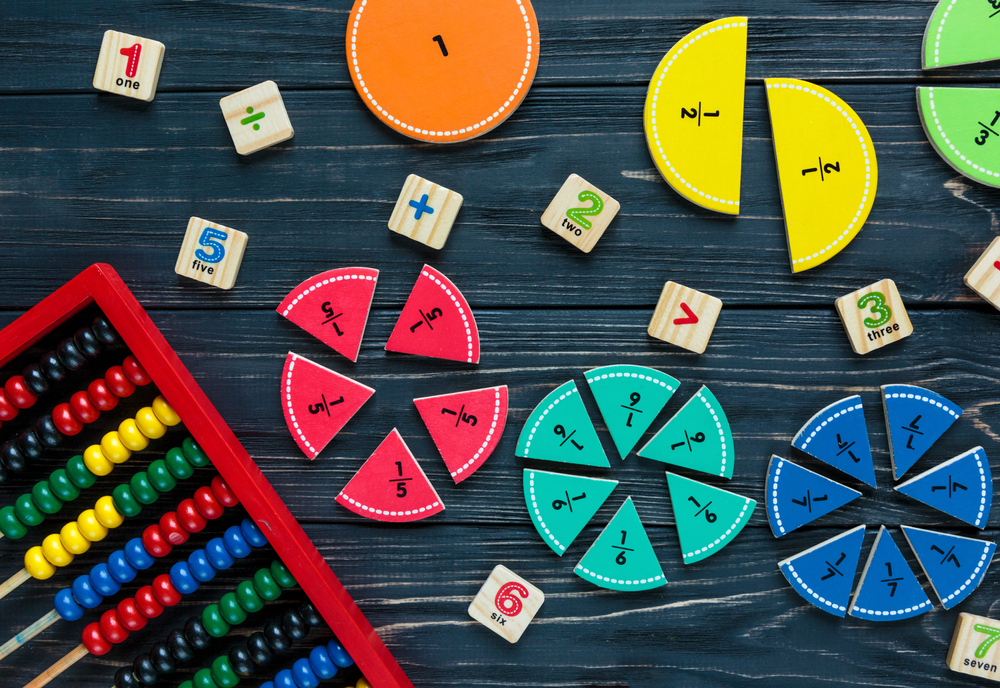
Understanding how to compare fractions is a foundational skill in mathematics for third graders, and it's crucial for both parents and teachers to emphasize this concept. First, comparing fractions helps students develop a deeper understanding of numbers beyond whole numbers, fostering mathematical reasoning and critical thinking. It allows children to see relationships between different parts of a whole, enhancing their problem-solving skills.
Moreover, understanding fractions lays the groundwork for future math concepts, such as addition, subtraction, multiplication, and division of fractions. If students struggle with comparing fractions early on, they may face challenges in more advanced topics, hindering their overall mathematical confidence and ability.
Parents and teachers should also recognize that real-world applications of fractions are everywhere—cooking, sharing, and shopping often require an understanding of fractions. By engaging children in activities that involve comparing fractions, such as measuring ingredients or determining which pizza slice to choose, they can see the relevance of math in everyday life.
Encouraging a solid grasp of this concept not only prepares students for future success in mathematics but also helps them develop a positive attitude towards the subject, making it an exciting area of exploration and learning.