Enhance problem-solving abilities Grade 3 Worksheets
4 filtered results
Difficulty Level
Grade
Age
-
From - To
Subject
Activity
Standards
Boost your child's critical thinking with our "Enhance Problem-Solving Abilities Grade 3 Worksheets" at Kids Academy. Designed specifically for third graders, these engaging and educational worksheets help develop essential problem-solving skills in math, reading, and logical reasoning. Each worksheet presents unique challenges that encourage young learners to think independently and apply their knowledge creatively. Aligned with curriculum standards, these printables not only make learning fun but effectively enhance your child's analytical abilities. Perfect for classroom use or additional practice at home, these worksheets will prepare your third grader for academic success. Download now and unlock their problem-solving potential!
Favorites
With answer key
Interactive
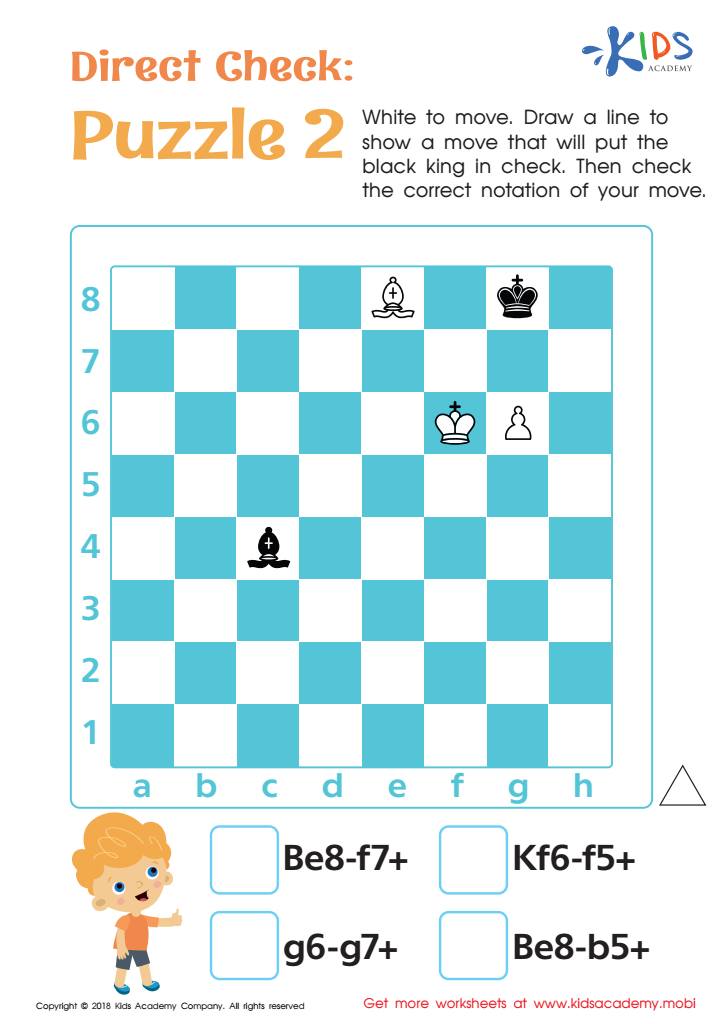
Direct Check: Puzzle 2 Worksheet
Test your kid's chess skills with this worksheet. Help them draw a line to put the black king in checkmate, then check the correct notation from the provided options. This will help them understand the correct notation of each move they make.
 Assign to My Students
Direct Check: Puzzle 2 Worksheet
Worksheet
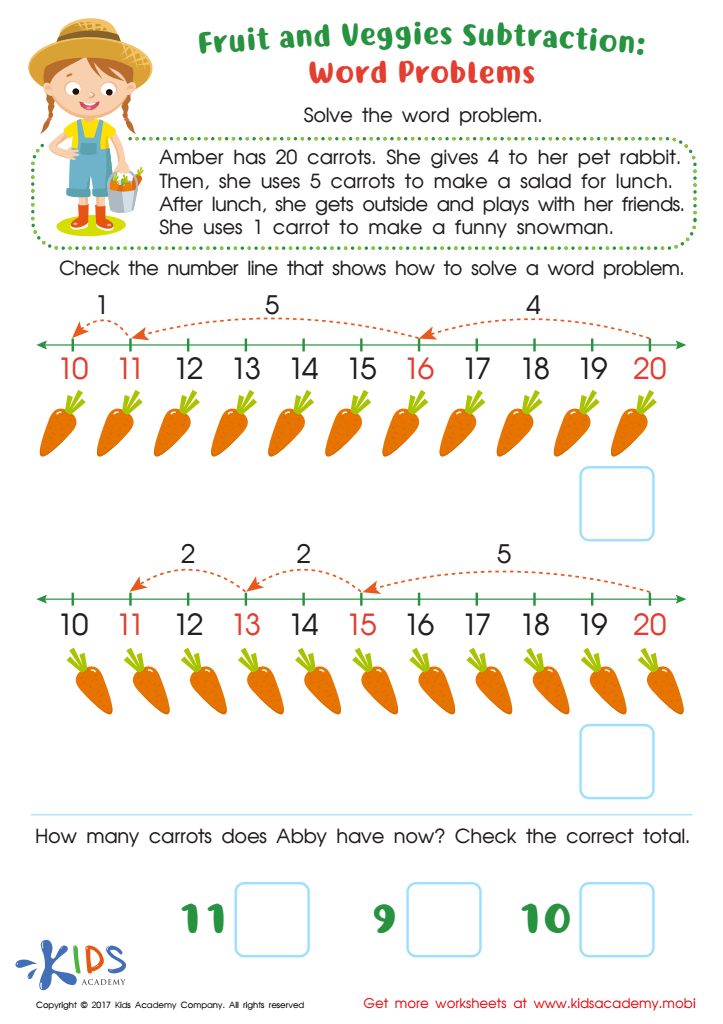
Subtraction Word Problems Printable
Subtraction word problems for 2nd grade help kids boost their sense of numeracy. This worksheet features number lines to help them solve tricky problems in a fun way! Fruits and veggies make it even more enjoyable.
Subtraction Word Problems Printable
Worksheet
Join Kids Academy for Free
Who is primarily going to use this learning content?


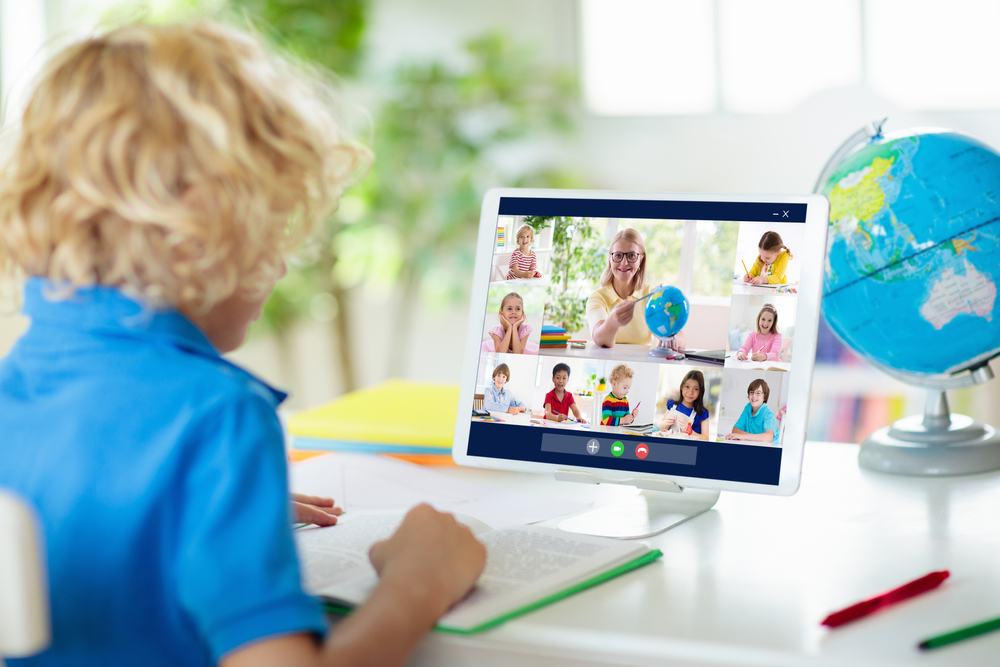


Enhancing problem-solving abilities in Grade 3 is fundamental to a child's cognitive and overall developmental growth. At this critical stage, students transition from basic concrete thought processes to more complex and abstract thinking. Cultivating problem-solving skills early helps them to tackle academic challenges independently, using logic and creativity.
These skills lay the foundation for future academic subjects, especially math and science, where students must analyze problems, hypothesize solutions, and test their ideas. Furthermore, problem-solving fosters critical thinking, empowering children to make informed decisions and adapt to new situations effectively.
Socially and emotionally, problem-solving confidence builds resilience. Children learn to approach difficulties with a proactive mindset, minimizing feelings of frustration and helplessness. They develop persistence and patience by working through challenging problems, which are essential traits for lifelong learning and personal growth.
For parents and teachers, nurturing these skills involves creating a supportive learning environment filled with diverse activities that encourage experimentation, collaboration, and logical reasoning. By valuing and prioritizing problem-solving, adults equip children with vital tools not just for academic success but for real-life situations, making them capable, independent, and adaptable individuals.