Fine Motor Skills Grade 3 Worksheets - Page 6
123 filtered results
-
From - To
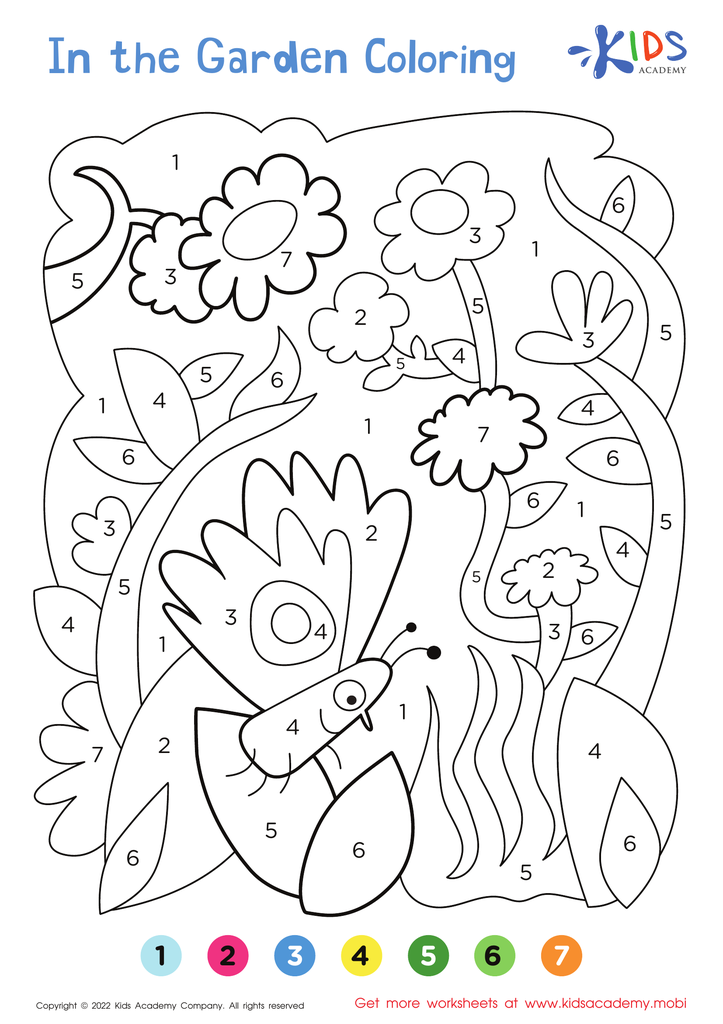
In the Garden – Coloring by Numbers






Fine motor skills are critical for third graders as they are pivotal in children’s overall development and learning. At this age, children are transitioning from basic skills to more complex tasks that require precision and coordination. Fine motor skills are essential for activities such as writing, drawing, cutting, and manipulating objects, which directly impact a child's academic performance and set the foundation for future learning.
When parents and teachers prioritize fine motor development, they help enhance children's dexterity, hand-eye coordination, and concentration. These skills are not just important for academic tasks; they also play a key role in daily life activities and encourage independence. Students with well-developed fine motor skills can engage more fully in creative activities, boosting their confidence and self-esteem.
Moreover, fine motor skills are linked to cognitive development. Children learn through hands-on activities, and fine motor tasks stimulate brain development, keying into critical learning processes. By focusing on these skills, parents and teachers can nurture creativity, improve focus, and promote better emotional regulation. Ultimately, investing in fine motor skills is crucial for fostering well-rounded, competent individuals who can thrive academically and socially in their future endeavors.