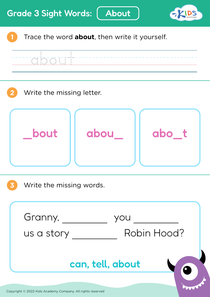
Visual learning reinforcement Grade 3 Worksheets
3 filtered results
-
From - To
Discover our engaging Grade 3 Visual Learning Reinforcement Worksheets, designed to enhance comprehension and retention through vibrant visuals and interactive activities. Tailored for young learners, these worksheets focus on key concepts in math, reading, and science, combining images and text to create an immersive learning experience. Each worksheet encourages critical thinking while making learning fun and accessible. Perfect for classroom use or at-home practice, our worksheets empower students to grasp complex ideas effectively. Help your child succeed with our carefully crafted resources that cater to diverse learning styles and foster a love of learning! Browse our collection today!
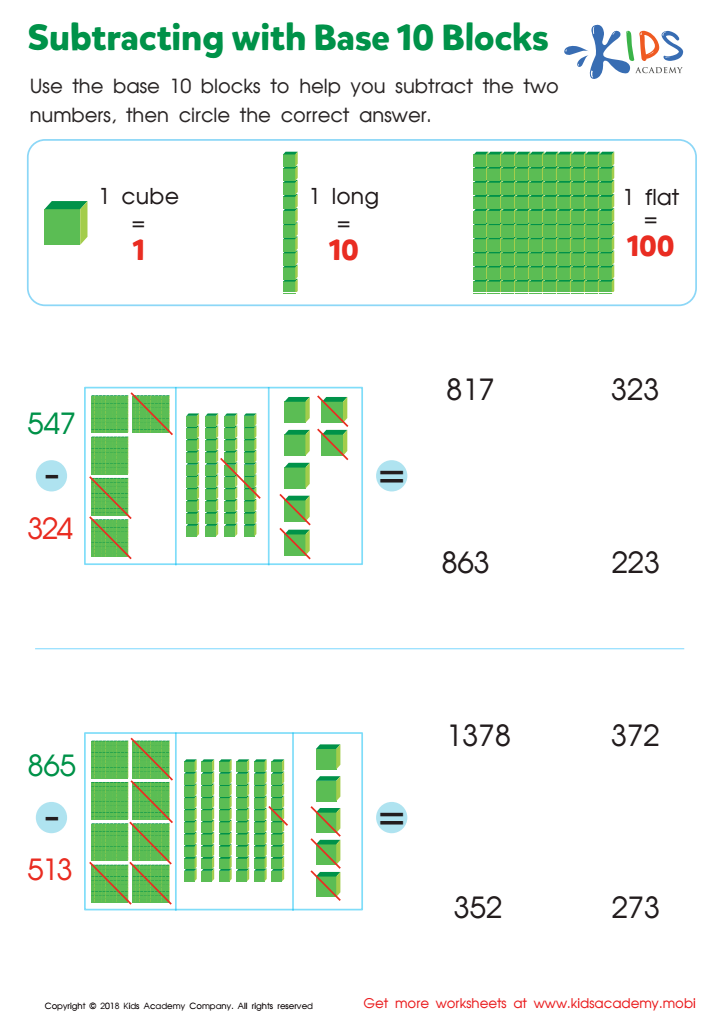
Subtracting with Base 10 Blocks Worksheet
 Assign to My Students
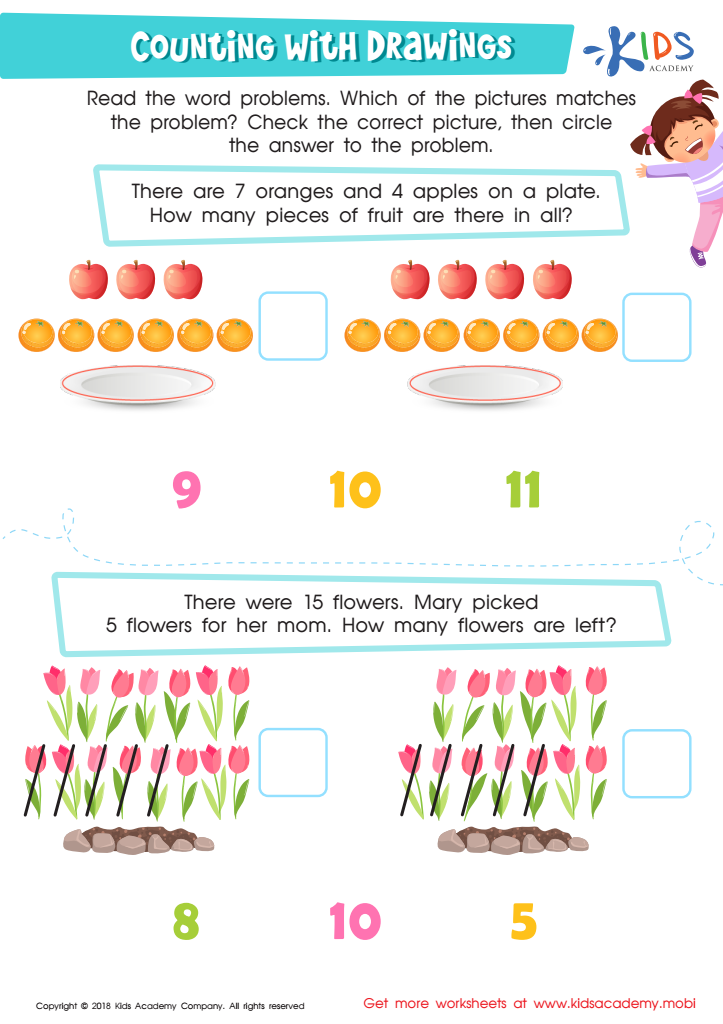
Counting with Drawings: Fruits & Chocolates Worksheet
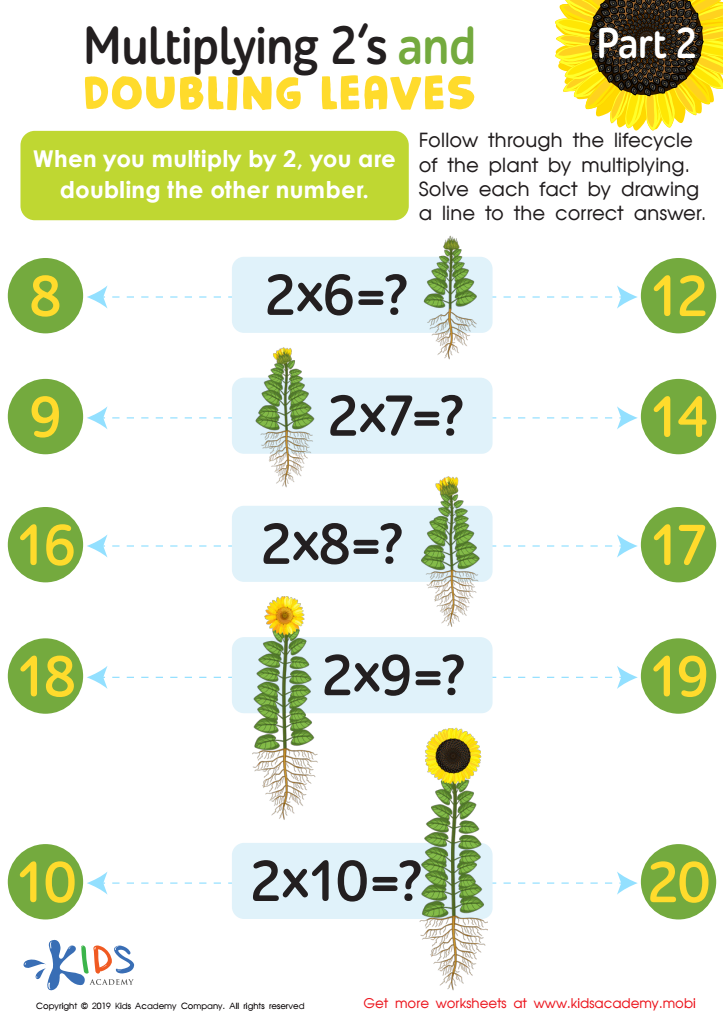
Multiplying 2’s and Doubling Leaves Part 2 Worksheet






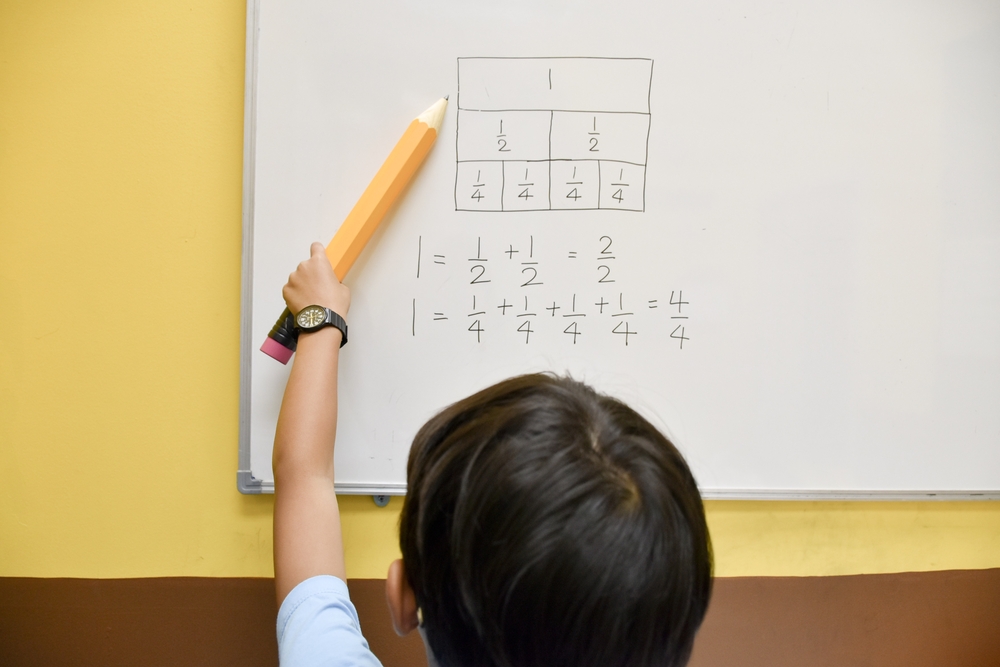

Visual learning reinforcement is vital for Grade 3 students as it enhances comprehension and retention of information. At this stage, children's cognitive development allows them to transition from concrete to more abstract thinking. By incorporating visual aids such as diagrams, charts, and videos into teaching, parents and teachers can cater to different learning styles, especially for visual learners who understand better through images and symbols.
Visual tools make complex ideas more digestible, facilitate connections between concepts, and foster engagement. When students visualize what they are learning, they are more likely to remember it long-term. Additionally, visual reinforcement can stimulate critical thinking and creativity as students interpret and respond to various forms of visual information.
Furthermore, it encourages discussions and collaborations in the classroom, where students share ideas inspired by visuals. This interaction not only builds confidence but also fosters social skills essential for their development. Involving visual learning in homework and home activities helps reinforce classroom concepts, bridging the gap between school and home learning environments.
Ultimately, adopting visual learning strategies makes education more inclusive and effective, promoting a deeper understanding and love for learning among students. Thus, both parents and teachers should advocate for its integration in early education.