Vocabulary development Grade 3 Worksheets
17 filtered results
-
From - To
Enhance your Grade 3 students' language skills with our engaging Vocabulary Development Worksheets. Designed to foster word recognition and comprehension, these worksheets offer a variety of fun activities tailored to strengthen vocabulary. Each exercise includes age-appropriate tasks that challenge students to learn new words, use them in context, and develop their reading comprehension. From matching definitions to sentence completion, these worksheets provide an interactive way to make vocabulary learning enjoyable. Teachers and parents will find valuable resources to support their children’s academic growth. Explore our comprehensive collection to help third graders expand their language abilities and build a strong foundation in communication.
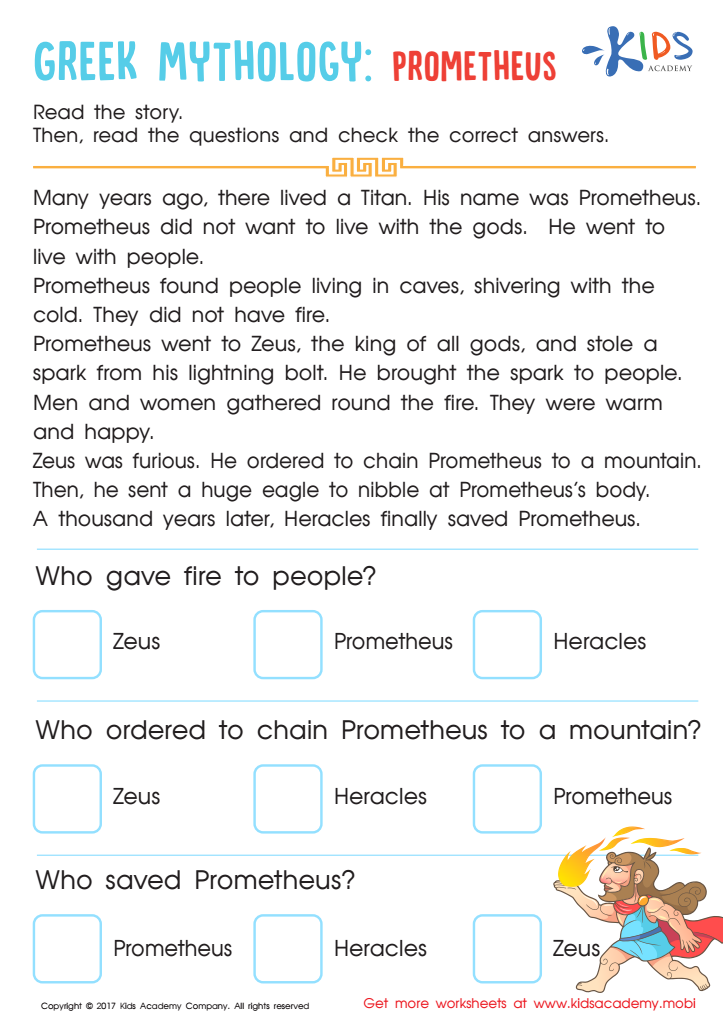
Prometheus Story Worksheet
 Assign to My Students
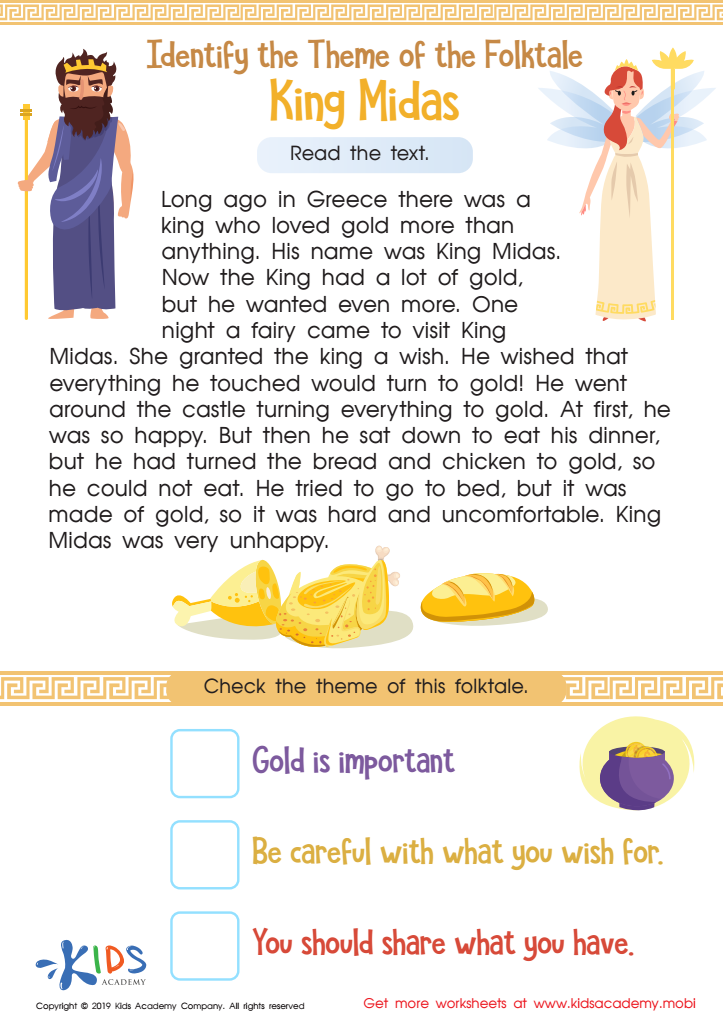
King Midas Worksheet
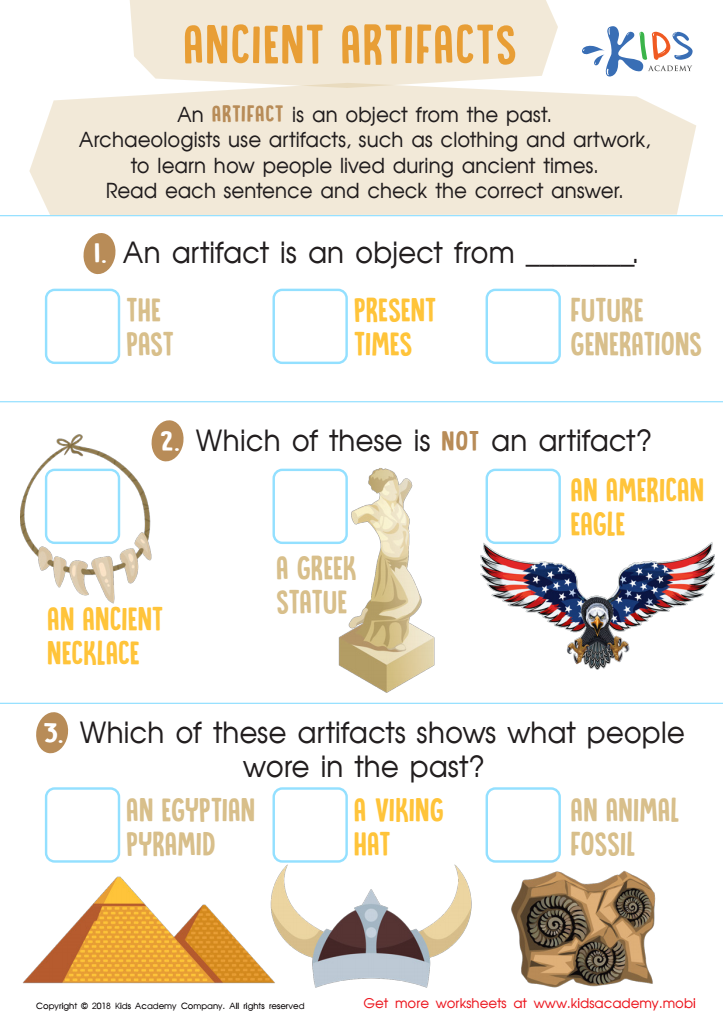
Ancient Artifacts Worksheet
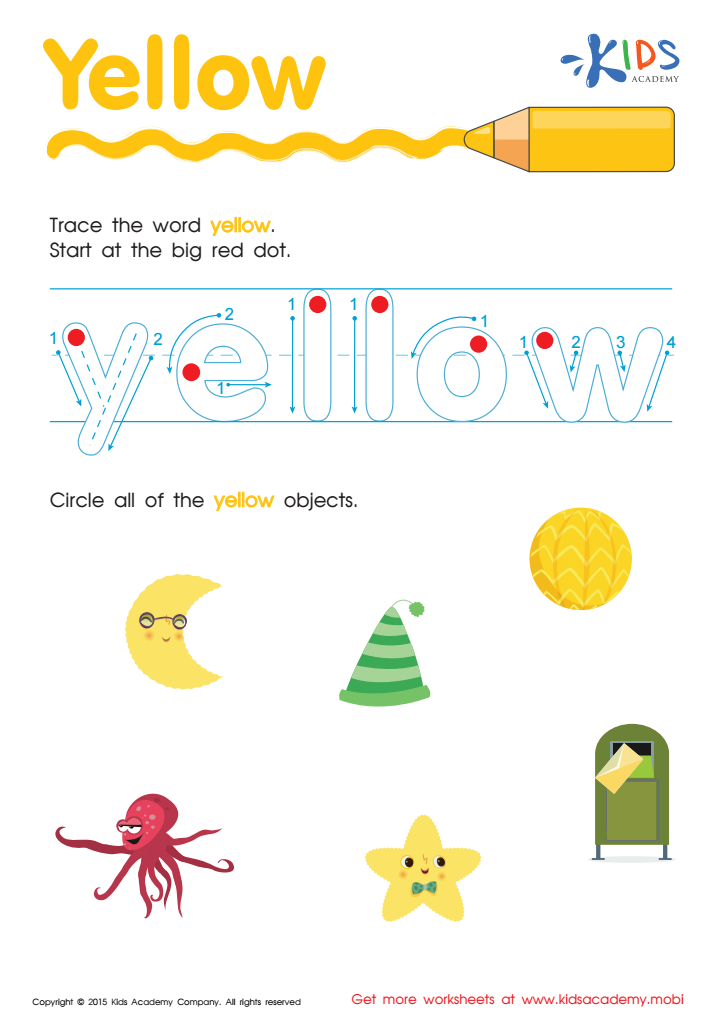
Yellow Tracing Color Words Worksheet
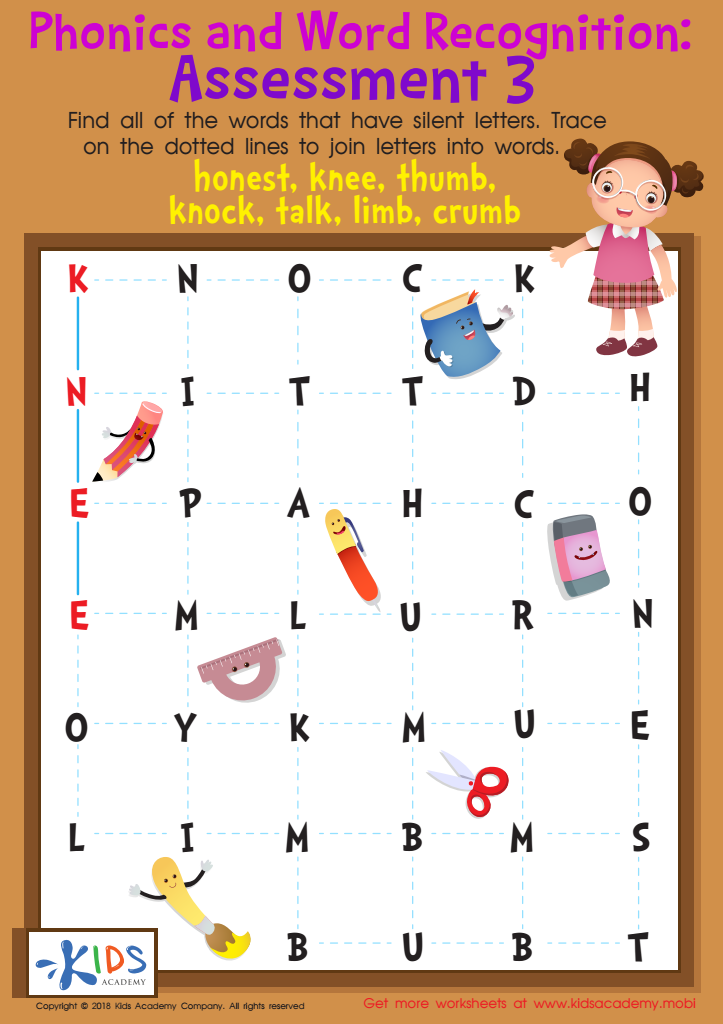
Phonics and Word Recognition: Assessment 3 Worksheet
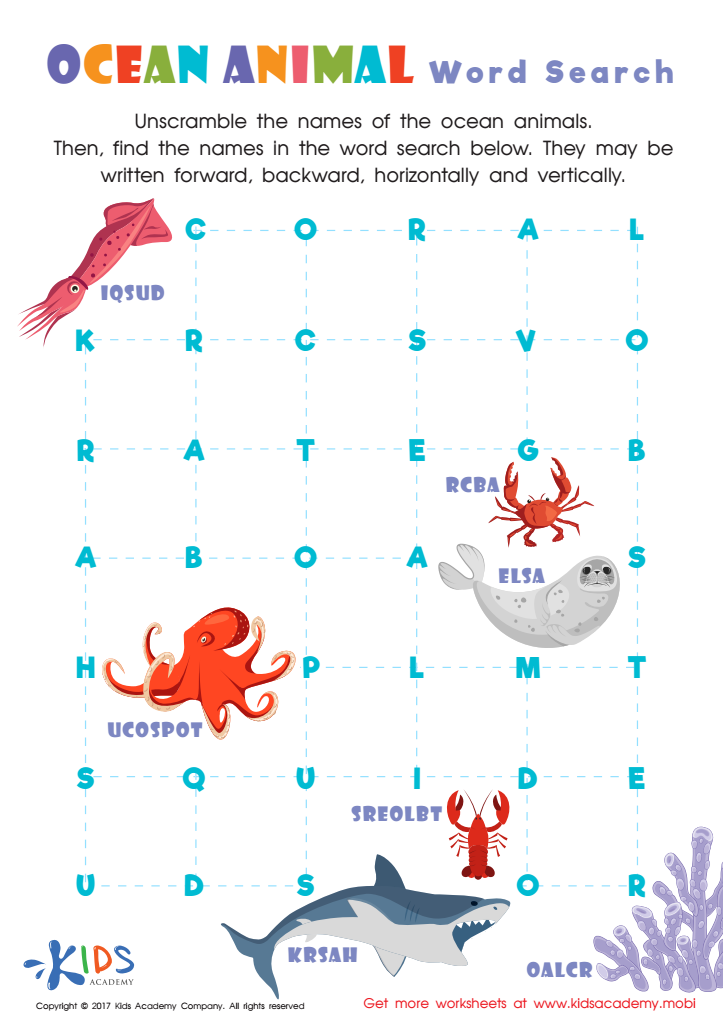
Ocean Animals Word Search Printable
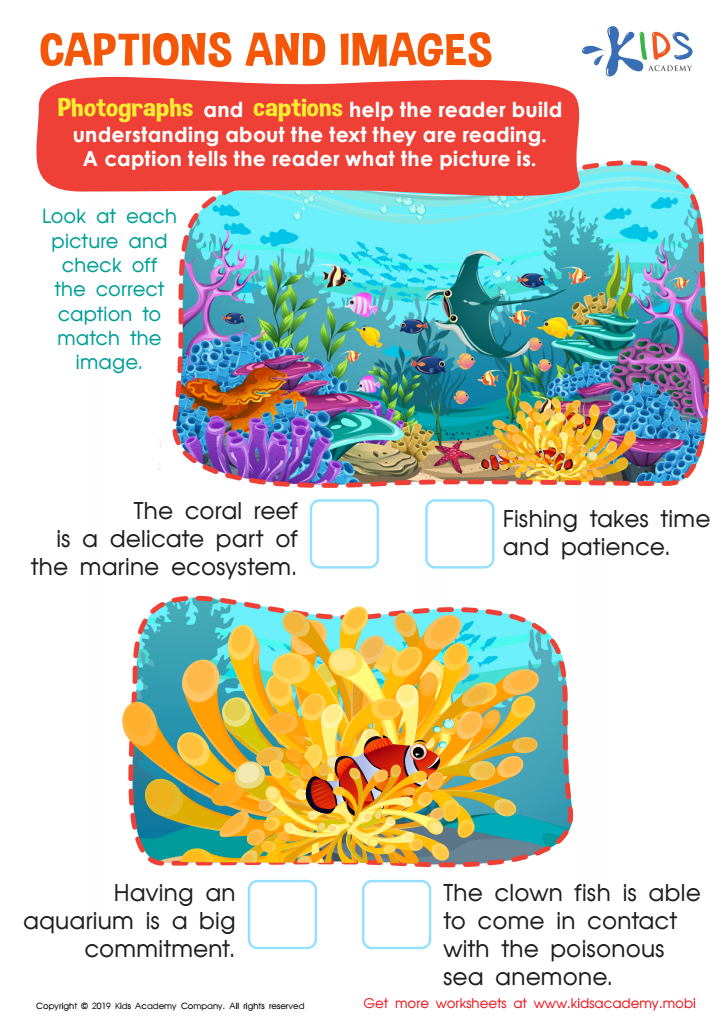
Captions and Images Worksheet
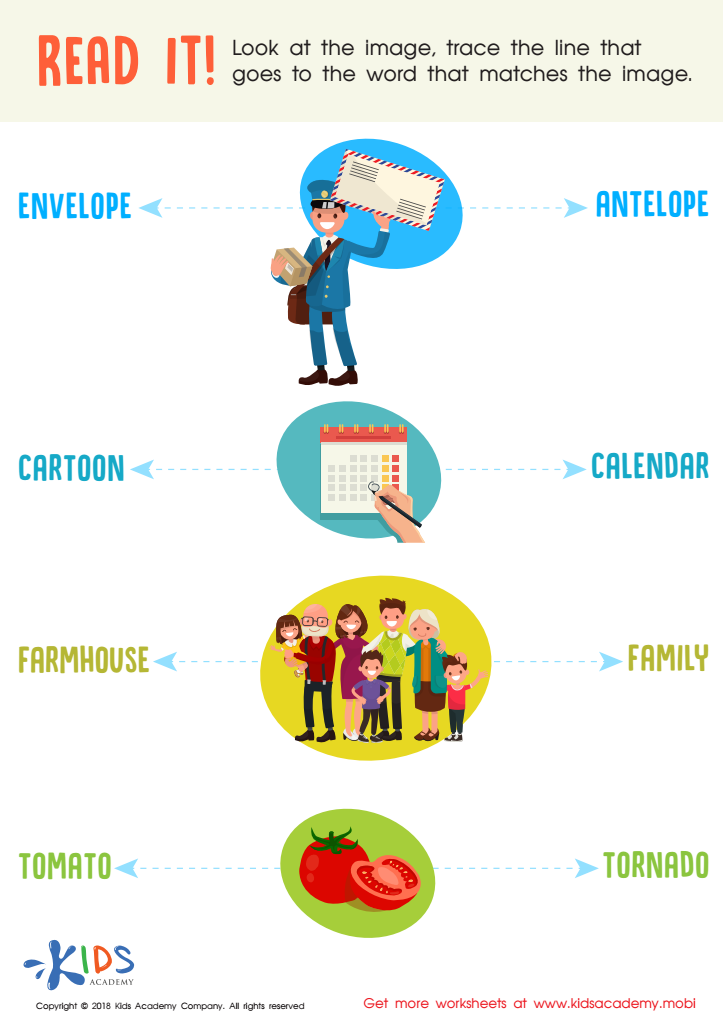
Read It! Worksheet
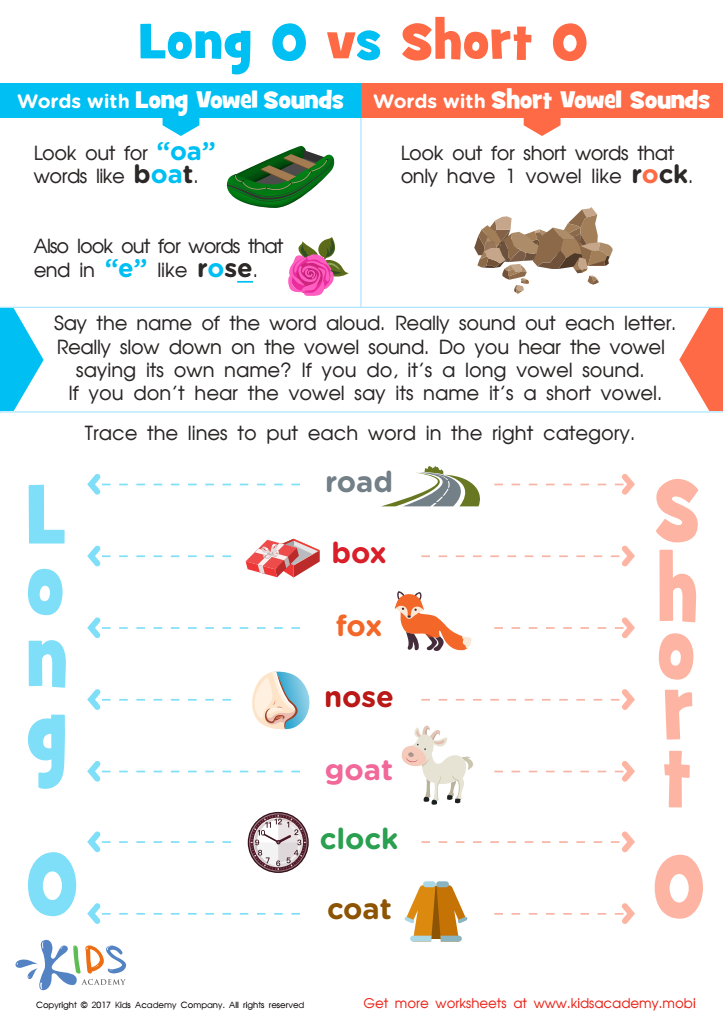
Long and Short Vowel O Spelling Worksheet
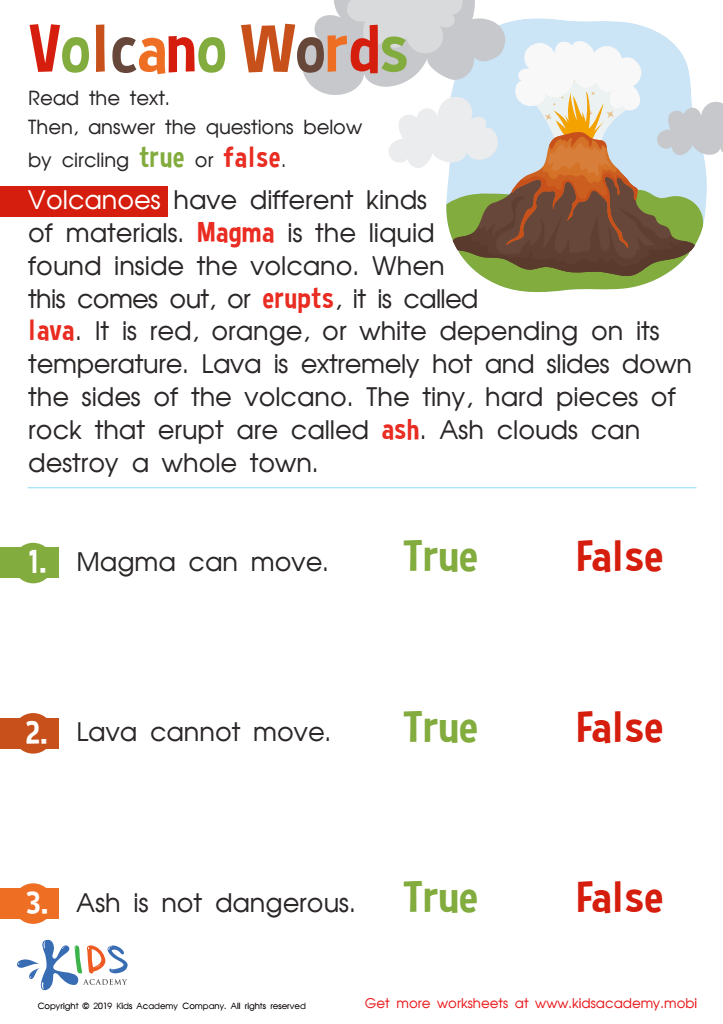
Volcano Words Worksheet
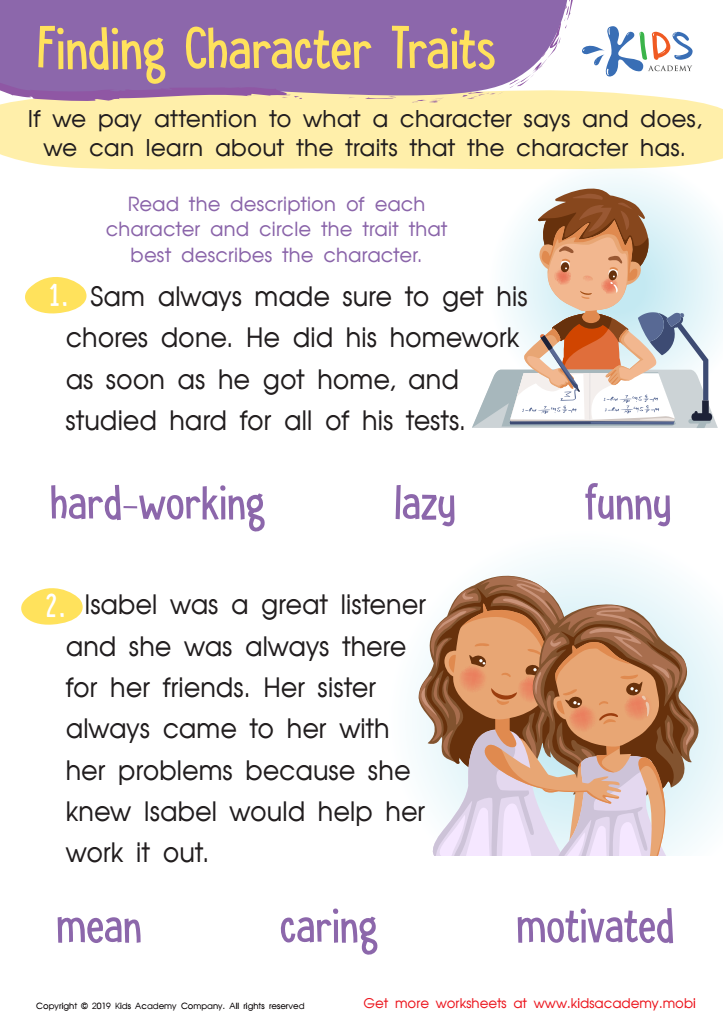
Finding Character Traits Worksheet
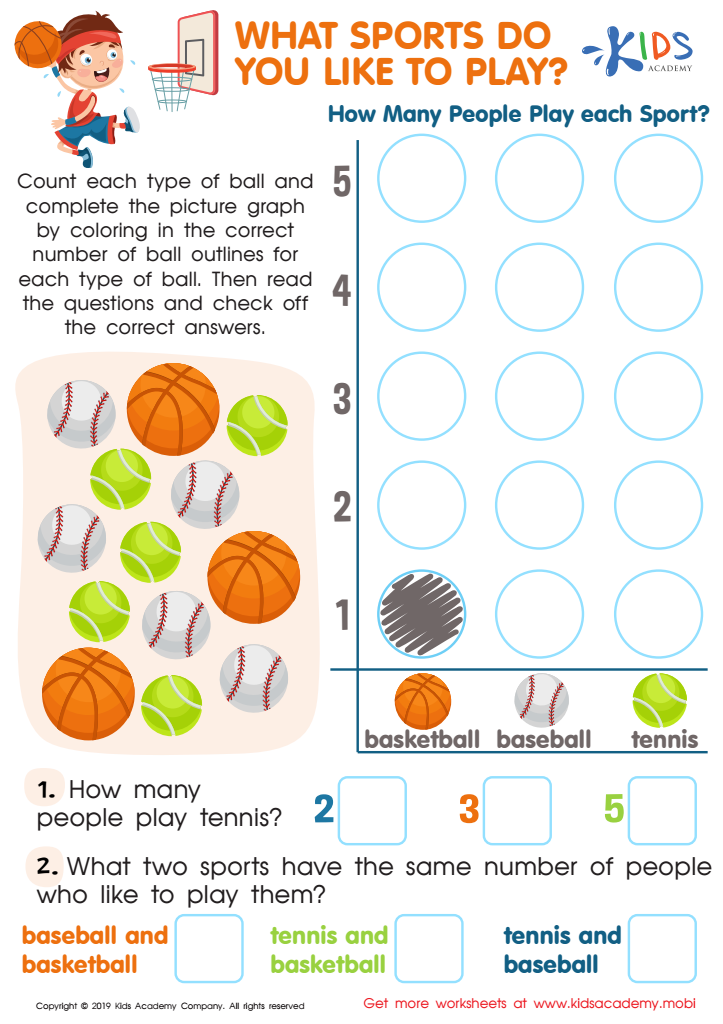
What Sports Do You Like to Play Worksheet
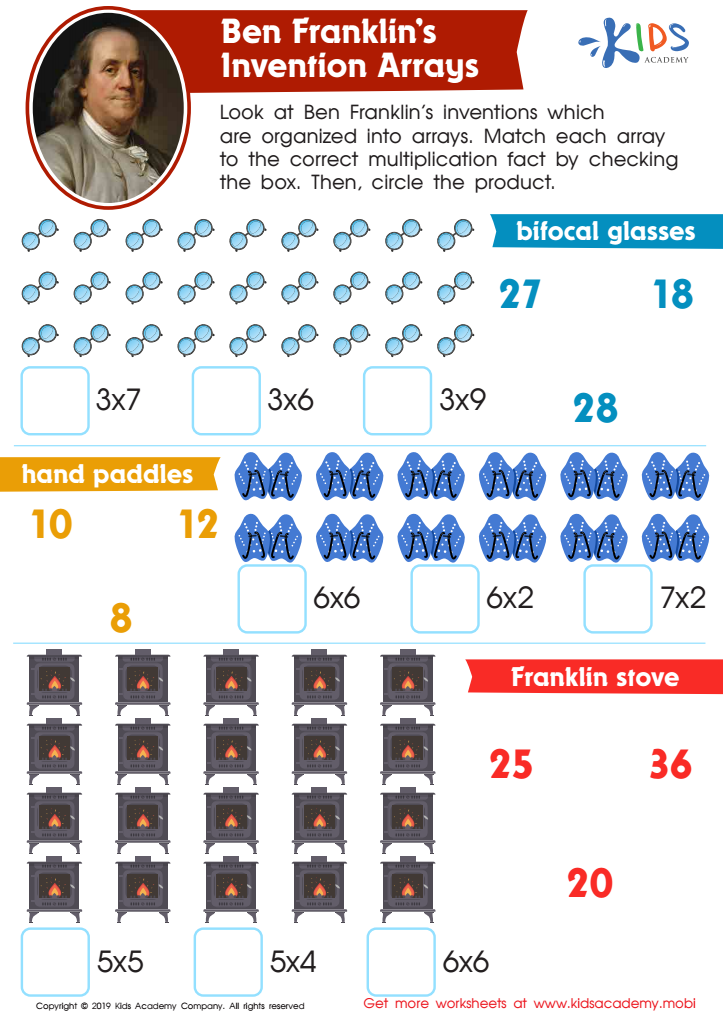
Ben Franklin’s Invention Arrays Worksheet
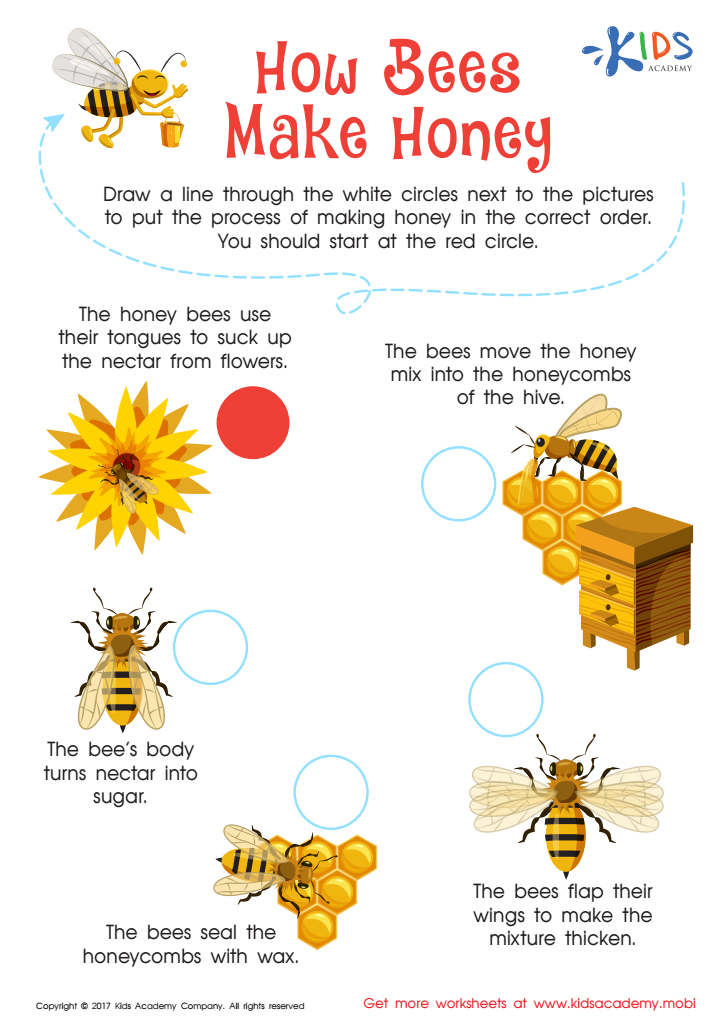
Honey Bee Worksheet









Vocabulary development in Grade 3 is crucial as it forms the foundation for effective communication, comprehension, and academic success. At this age, children transition from learning to read to reading to learn, making robust vocabulary knowledge essential for understanding more complex texts and concepts across subjects.
A rich vocabulary enhances a child's ability to express ideas clearly and engage in discussions, fostering critical thinking skills. When children encounter unfamiliar words, their comprehension can falter, impacting their enthusiasm for learning.
Teachers and parents should prioritize vocabulary development because it directly influences students’ performance in standardized tests and classroom activities. Engaging students in diverse vocabulary-building exercises, such as reading together, playing word games, and encouraging the use of new words in conversation, can deepen their understanding and retention.
Moreover, children with strong vocabularies tend to demonstrate greater confidence in their communication skills, which affects their social interactions and emotional development. Given that vocabulary acquisition is most robust during early elementary years, creating a rich language environment at home and school can help set children up for lifelong learning and success. Investing time and resources in vocabulary development at this critical stage is key to nurturing well-rounded, academically competent individuals.