Color recognition Grade 3 Addition & Subtraction Worksheets
3 filtered results
-
From - To
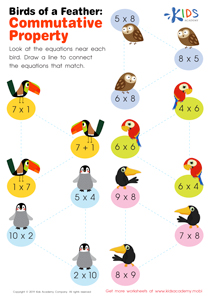
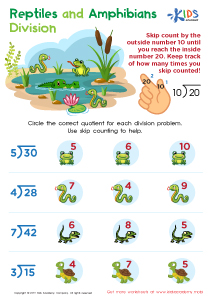
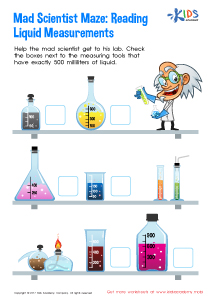
Discover a fun and effective way to enhance math skills with our Color Recognition Grade 3 Addition & Subtraction Worksheets! Specially designed for third graders, these engaging resources combine essential math practice with exciting color-coded activities. Students will boost their addition and subtraction proficiency while enjoying interactive tasks as vibrant visuals enhance their learning experience. Ideal for at-home practice or classroom use, our worksheets support the development of critical thinking and problem-solving abilities. Help your child master key math concepts in an enjoyable, stress-free way. Explore our collection and watch their confidence grow!
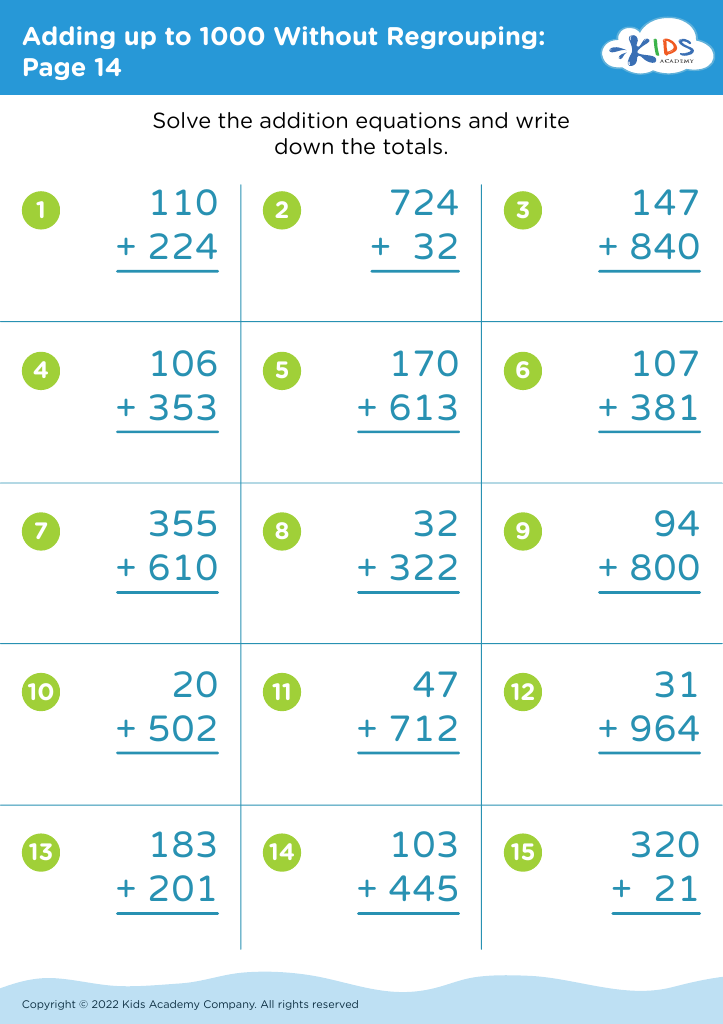
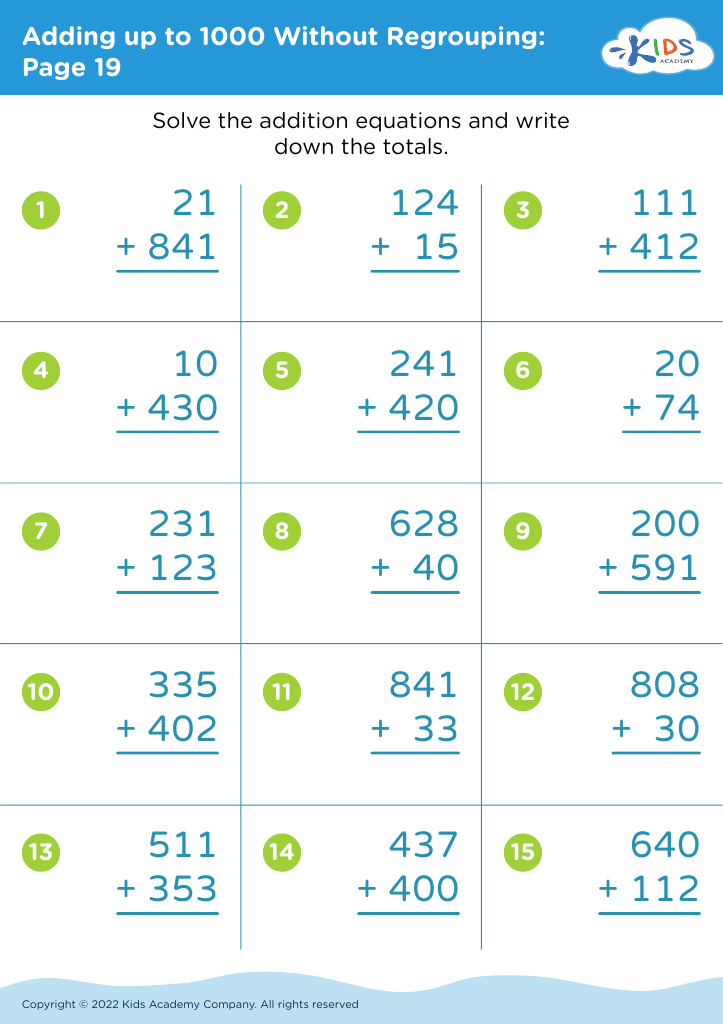








Parents and teachers should place emphasis on color recognition and mastering Grade 3 addition and subtraction for several compelling reasons. Firstly, color recognition is a fundamental aspect of a child's cognitive development. It aids in the differentiation and classification of objects, helping children make sense of the world around them. Enhanced color recognition skills promote better visual discrimination, which is crucial for reading and navigating everyday tasks.
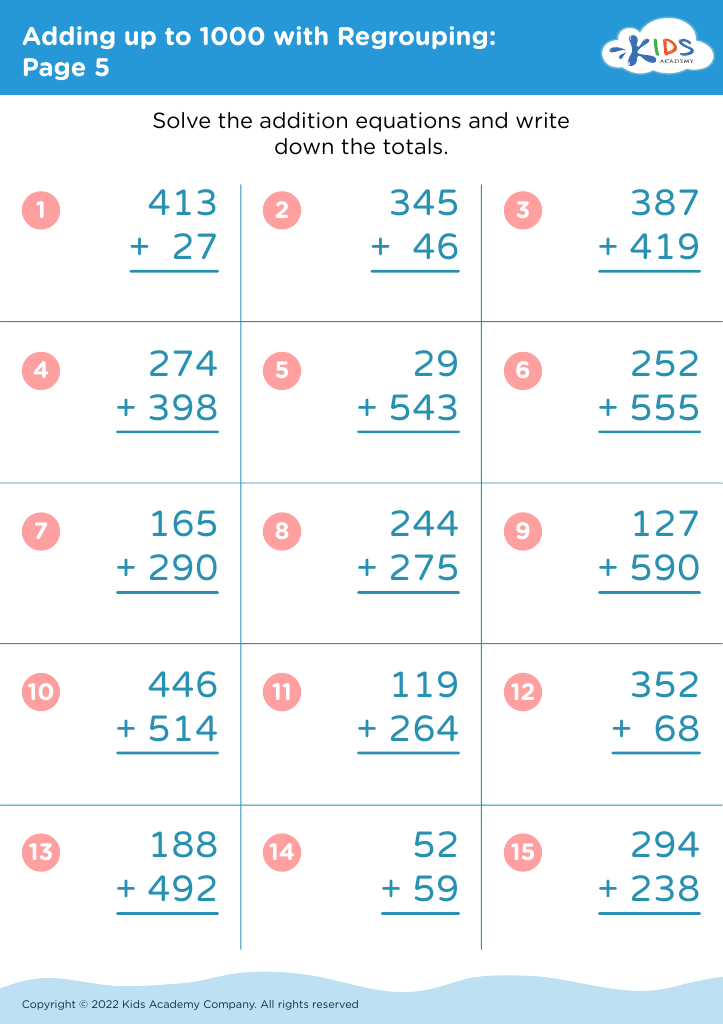
Equally important are the skills of addition and subtraction in Grade 3. These mathematical operations form the foundation for more complex math concepts such as multiplication, division, fractions, and algebra. Proficiency in addition and subtraction supports problem-solving skills and logical thinking, which are essential for academic success across subjects. Third grade is a critical time when children transition from basic arithmetic to more intricate mathematical procedures; thus, a firm understanding of these operations is crucial.
Moreover, merging color recognition with math activities can make learning more engaging and enjoyable. For instance, using color-coded problems or manipulatives can help children visually distinguish between different equations or number groups, enhancing comprehension and retention.
In summary, both color recognition and solid arithmetic skills contribute significantly to a child’s overall development, setting the stage for academic and everyday life success.