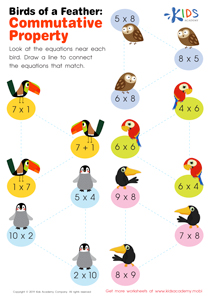
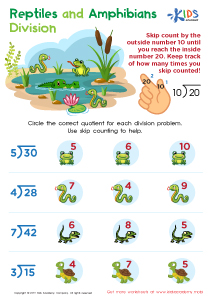
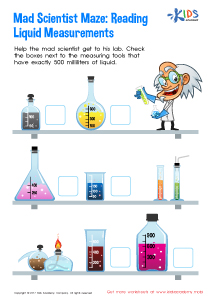
Developing problem-solving abilities Grade 3 Addition & Subtraction Worksheets
3 filtered results
-
From - To
Enhance your child’s problem-solving skills with our Grade 3 Addition & Subtraction Worksheets, designed specifically to strengthen their arithmetic abilities. These engaging, printable worksheets from Kids Academy challenge young learners through a variety of exercises, helping them master addition and subtraction concepts while boosting their confidence. Tailored to meet third-grade standards, each worksheet provides practice problems and real-life scenarios to develop critical thinking and analytical skills. Perfect for classroom use or at-home practice, our materials support a structured and fun approach to learning. Empower your third grader with the tools they need for math success in and out of school.
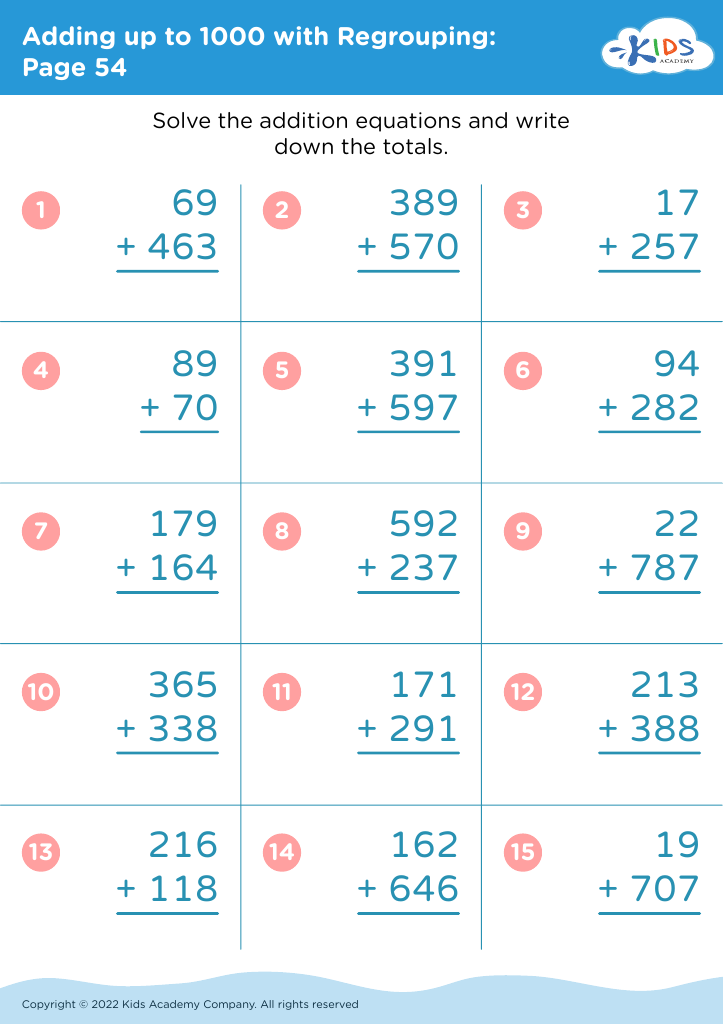
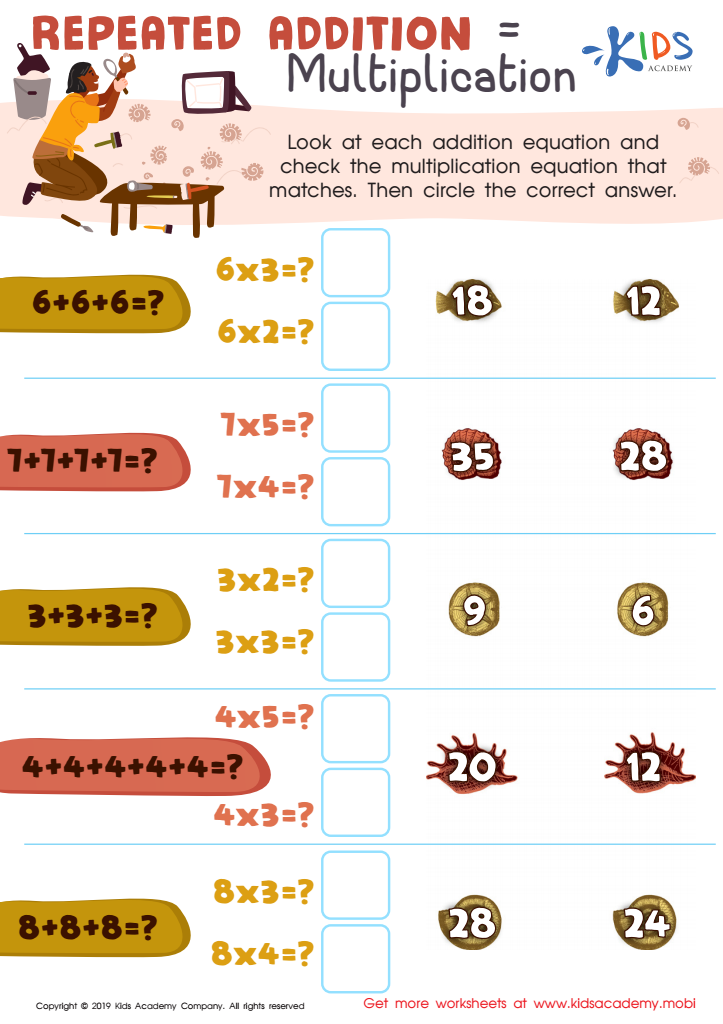
Repeated Addition = Multiplication Worksheet
 Assign to My Students
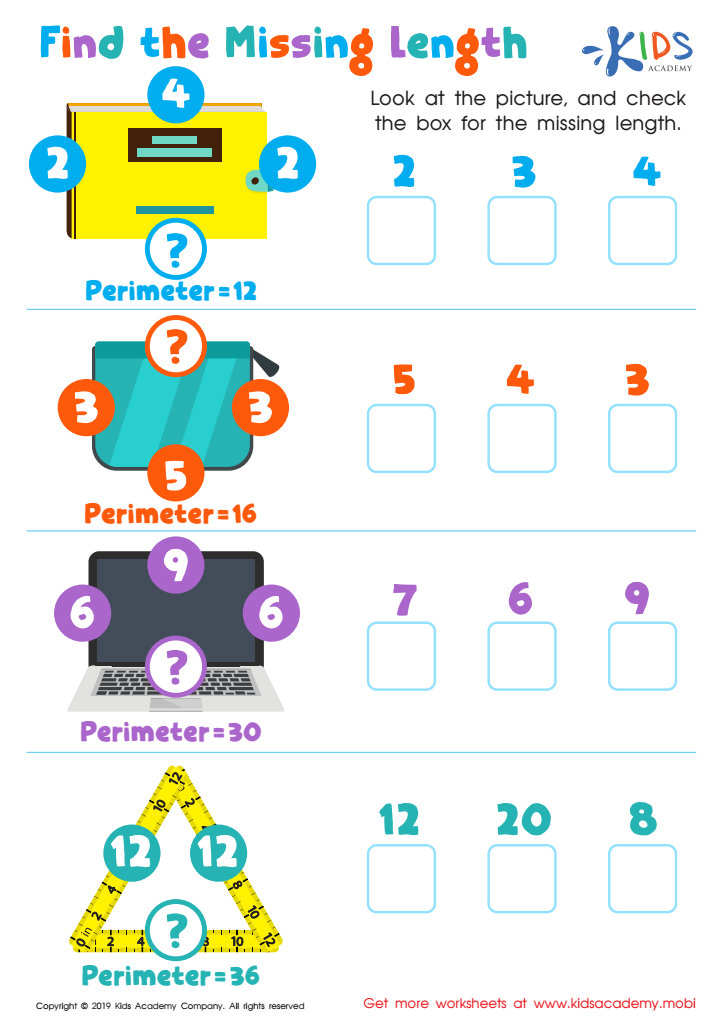
Find the Missing Length Worksheet








Developing problem-solving abilities in Grade 3 addition and subtraction is critical for several reasons that parents and teachers should hold dear. Firstly, these foundational arithmetic skills are cornerstones of broader mathematical learning. Mastery of addition and subtraction enhances a child's ability to tackle more complex mathematical concepts such as multiplication, division, and fractions in later grades.
Moreover, problem-solving isn't just about getting the right answer; it's about learning how to think critically and approach challenges methodically. By focusing on problem-solving in addition and subtraction, children learn to analyze a problem, explore various solving strategies, and check their work for accuracy. These skills promote logical thinking and foster independence, encouraging children to become proactive learners and confident decision-makers.
In practical terms, proficiency in basic arithmetic equips children to manage everyday tasks such as handling money, measuring ingredients, or keeping time – all integral to daily life. Beyond academics, problem-solving skills developed through arithmetic teach lessons in perseverance and cognitive flexibility.
Parents and teachers who prioritize developing these abilities set children on a path to academic success and prepare them for real-life challenges. It's an investment in a child's intellectual development, self-confidence, and long-term educational trajectory.